Quick Answer
To use magnetic visual schedules at home, start by identifying the routines your child needs help with, then create a set of picture cards that represent each step. Place the schedule at your child's eye level in a central location, and involve them in moving cards from 'to do' to 'done' as they complete each task. This approach provides clear expectations, reduces anxiety, and builds independence.
For many autistic children, knowing what comes next can be the difference between a calm morning and a stressful one. Magnetic visual schedules offer a tangible, flexible way to map out daily routines, making abstract time concepts concrete and predictable. Unlike paper charts, magnetic schedules allow you to easily rearrange or swap activities as plans change, which is a lifesaver on unpredictable days.
This guide walks you through setting up a magnetic visual schedule that fits your family's life. You'll learn how to choose the right materials, organize the schedule, and use it consistently to support your child's understanding of daily routines. We'll also highlight practical tools that can make the process smoother, from letter beads for labeling to wobble chairs for focused learning sessions.
Why Visual Schedules Work for Autistic Children
Visual schedules tap into the strengths of many autistic children: processing visual information often feels more natural than processing spoken language. When you say, 'We're going to the store, then grandma's house,' a child might struggle to hold onto that sequence. But when they see a picture of the store followed by a picture of grandma's house, the plan becomes tangible. This reduces anxiety because the child knows what to expect, and it can also decrease challenging behaviors that stem from feeling out of control.
Magnetic visual schedules add a layer of flexibility that static charts lack. If a doctor's appointment runs late and you need to drop an activity, you can simply move the magnetic card to a different spot or remove it entirely. This adaptability helps your child learn that plans can change, but they will always know what's happening next. For children who thrive on order, having a schedule they can see and manipulate gives them a sense of ownership over their day.
Choosing the Right Magnetic Schedule Setup
Start with a magnetic surface that is large enough to display the day's main routines without feeling cluttered. A magnetic whiteboard on the wall or the refrigerator door works well in most homes. You'll also need a set of magnetic cards or tiles that represent each activity. You can purchase pre-made visual schedule cards or create your own using photos of your child doing each activity—photos are often more meaningful than generic icons.
Consider the size and durability of the cards. If your child is young or tends to throw items, opt for thicker magnetic tiles that can withstand some rough handling. For older children, smaller cards might be fine. Also, think about how many steps you want to show at once. A morning routine might have five or six steps, while a full day might have more. Too many cards can overwhelm, so it's okay to break the day into segments: morning, school time, after-school, and evening.
- Use a magnetic surface that's easily accessible and at your child's eye level.
- Choose cards that are durable and easy to grip for small hands.
- Keep the number of visible steps manageable—start with 3–5 for younger children.
Creating Effective Picture Cards
The images on your schedule cards should be clear, simple, and consistent. If you're using photos, take them in good lighting and make sure each photo shows one specific activity, like 'brush teeth' or 'put on shoes.' If you're using icons or clip art, choose images that are unambiguous. For example, a picture of a toilet might mean 'use the bathroom,' but a picture of a child sitting on the toilet is clearer.
Label each card with a word or short phrase underneath the image. This helps your child associate the written word with the activity, which can support literacy development. For children who are non-speaking or have limited verbal skills, having the written label also allows them to point to the card to communicate what they need or want. You can use letter beads or a label maker to create consistent labels.
Setting Up Your Schedule for Success
Place the magnetic schedule in a location where your child naturally transitions, such as the hallway outside their bedroom or the kitchen. The schedule should be at their eye level so they can see it without straining. For a morning routine, you might put it near the bathroom or the front door. For homework time, a schedule in the study area can help them know exactly what tasks to complete.
Start by introducing the schedule when things are calm, not during a meltdown. Walk your child through each card, explaining what it shows and when it will happen. You might say, 'First we have breakfast, then we brush teeth, then we get dressed.' Use a simple 'first-then' language to reinforce the sequence. Once your child is familiar with the schedule, encourage them to move the cards themselves as they complete each step.
- Introduce the schedule during a calm moment, not during a transition or meltdown.
- Use consistent language like 'first... then...' when reviewing the schedule.
- Let your child help place the cards on the board to build ownership.
Using the Schedule Throughout the Day
A magnetic visual schedule is most effective when it's used consistently. At the start of each day, review the schedule together and point out any changes from the usual routine. For example, if there's a doctor's appointment after lunch, add that card and talk about it. Throughout the day, refer back to the schedule when it's time to transition. Instead of saying 'Time to clean up,' you can say 'The schedule shows we're cleaning up now, then we'll have a snack.'
When your child completes a step, have them move the card from the 'to do' column to a 'done' pocket or area. This physical action provides a sense of accomplishment and makes the passage of time visible. For children who struggle with transitions, giving a two-minute warning before a change can help: 'In two minutes, we'll be done with playtime and the schedule will show we're moving to the next activity.'
Troubleshooting Common Challenges
If your child ignores the schedule, it might be because it's not salient enough. Try making the cards larger or more colorful, or add a special 'start here' arrow. If your child becomes attached to a particular order and has a meltdown when you change it, practice flexibility by swapping two cards during a calm moment and reassuring them that the new order is okay. Over time, they'll learn that changes are manageable.
Another common issue is that the schedule becomes 'invisible' after a few days. To keep it fresh, involve your child in creating new cards for new activities or let them decorate the board. You can also use the schedule to introduce novel activities by pairing them with preferred ones. For instance, if your child loves reading but hates brushing teeth, you might schedule teeth brushing right before story time so they can see the reward coming.
5 Steps to Implement Your Magnetic Visual Schedule
- Step 1: Identify Key Routines: List the daily routines that are most challenging, such as morning prep, homework, or bedtime. Focus on one routine at a time to avoid overwhelming yourself and your child. Checkpoint: Start with one routine that causes the most friction.
- Step 2: Gather Your Materials: Get a magnetic whiteboard or use your fridge, and create or purchase magnetic picture cards for each step in the routine. Ensure the images are clear and labels are simple. Checkpoint: Test that the magnets hold securely and cards are easy to grip.
- Step 3: Set Up the Schedule Together: Involve your child in placing the cards on the board in the correct order. Talk through each step using 'first, then' language. This builds buy-in and reduces anxiety. Checkpoint: Your child can point to or name at least the first activity.
- Step 4: Use the Schedule Consistently: Refer to the schedule before each transition and encourage your child to move the card to 'done' after completing a step. Keep the routine as consistent as possible, but use the magnetic feature to make changes when needed. Checkpoint: After one week, your child should be initiating card moves or checking the board independently.
- Step 5: Review and Adjust: Every few weeks, review the schedule's effectiveness. Are there steps your child has mastered? Remove them or add new challenges. Are there new routines to include? Update the cards accordingly. Checkpoint: The schedule should evolve with your child's skills and needs.
Helpful Tools for Your Visual Schedule
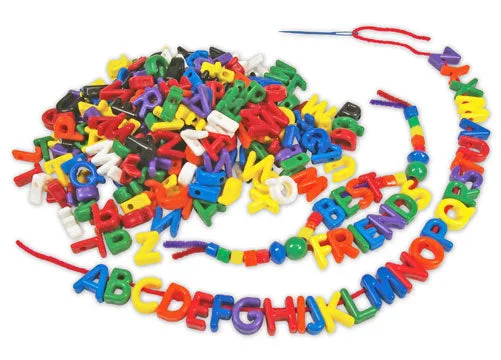
- Upper Case Letter Beads: Manuscript Letter Beads are great for all types of art projects and for teaching language to children! The chunky and bright manuscript letters are an excellent classroom addition! The letter beads work with both string and wire making them a great fine motor exercise especially for children on the autism spectrum. 7/8" (2 cm). 288 per package. WARNING: CHOKING HAZARD - Small parts. Not for children under 3 years old. These beads can be used to create tactile labels for your visual schedule cards, helping your child recognize the written word associated with each activity. Stringing beads also provides a fine motor exercise that can be a calming break between routine steps.
- Kore Design Junior Wobble Chair 16" Assorted Colors: Kids always have a hard time sitting still, especially those with special needs such as Autism or ADHD. The stiff, uncomfortable chairs and stools typically used in classrooms don’t help. Kore Junior Wobble Chairs are designed to move along with a kid’s natural movements, allowing them to stay supported and comfortable while wiggling around on the stool. If your visual schedule includes seated activities like homework or meals, having a chair that accommodates natural movement can help your child stay engaged and comfortable. This makes it easier to follow the routine without the distraction of physical discomfort.
Magnetic visual schedules are a powerful, flexible tool for supporting daily routines at home. By setting them up thoughtfully and using them consistently, you can help your child feel more secure and independent. Start small, involve your child, and remember that it's okay to adjust as you learn what works best for your family.