Quick answer
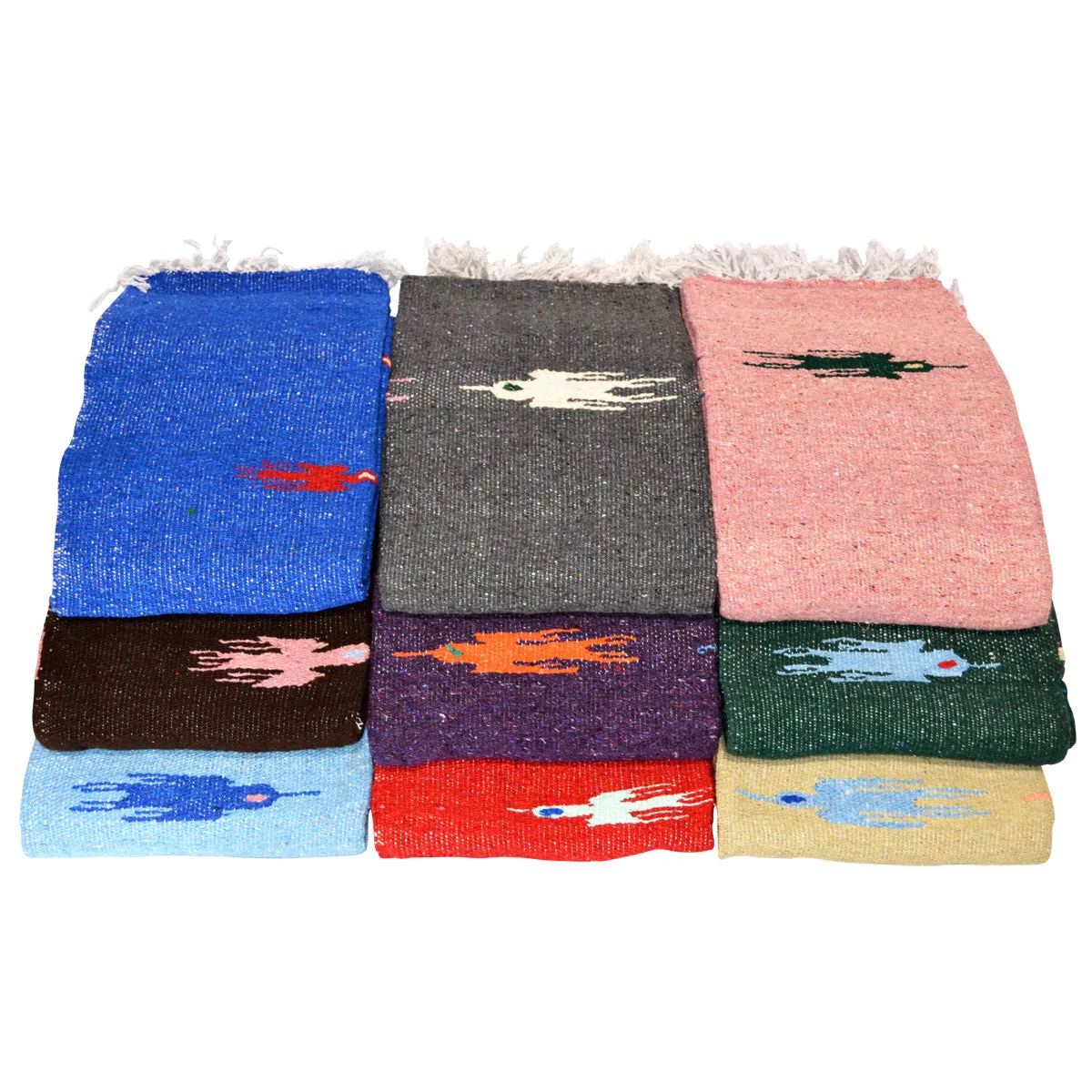
Use a thick Mexican yoga blanket to cushion joints, support the spine, and create gentle warmth during restorative poses like Savasana, Supported Child's Pose, and Legs-Up-the-Wall.
Why a yoga blanket works for restorative practice
Restorative yoga aims to release tension through passive support, and a thick blanket provides the soft padding that bolsters or blocks cannot offer. The weight and texture of a Mexican yoga blanket also add a grounding sensation that encourages the nervous system to shift into rest mode.
A blanket’s flexibility means you can fold it into different shapes — a roll under the knees, a square under the sacrum, or a thin layer over the torso — making it one of the most versatile props for home practice.
Trade-offs when using a blanket instead of a bolster
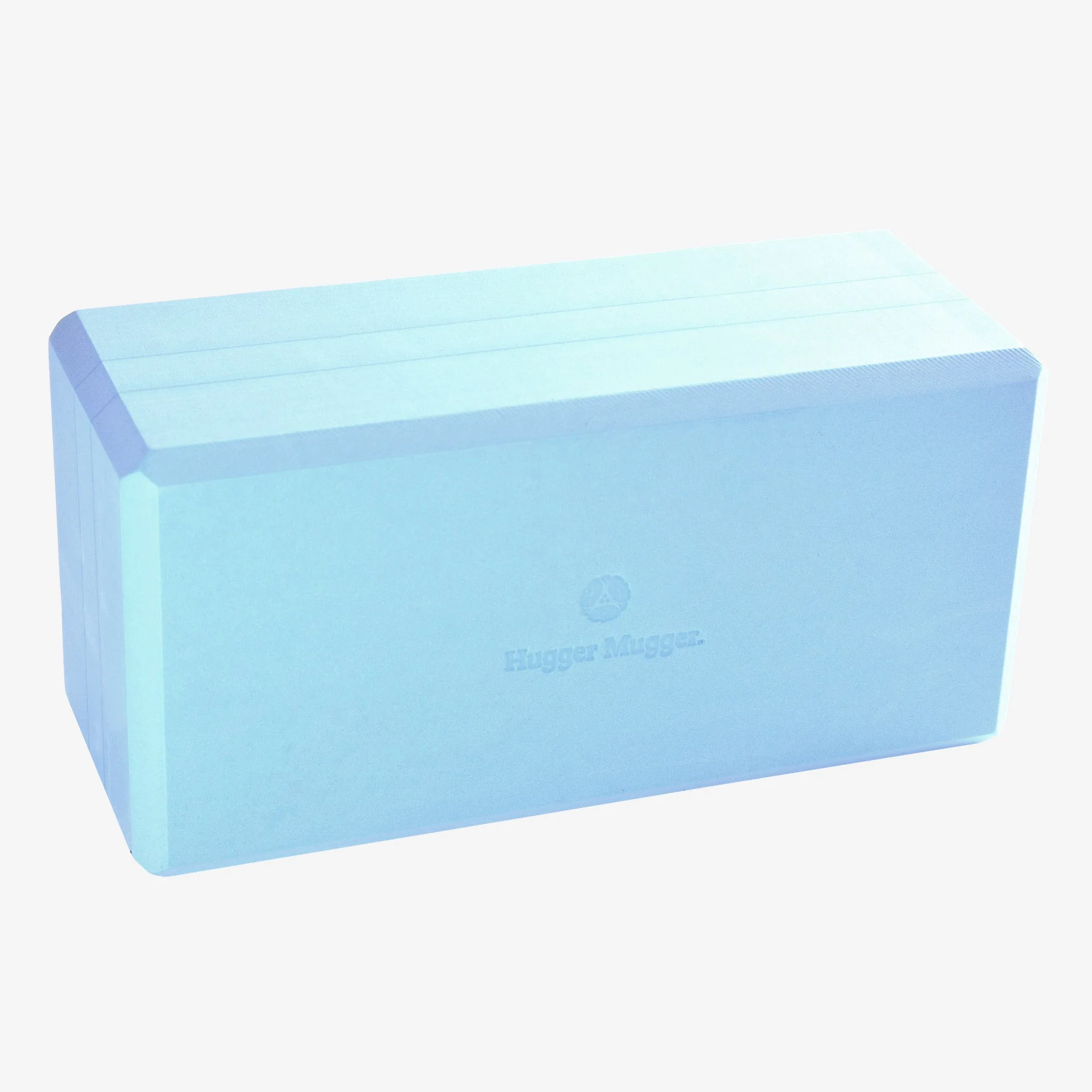
While a thick blanket is excellent for small adjustments, it cannot replace a firm bolster for poses that need substantial height or stability, such as a full Supported Fish. If you have chronic knee or lower-back issues, consider pairing the blanket with a block or a rolled mat for extra lift.
The blanket’s softness also means it compresses over time, so you may need to refold it mid-session. That is a minor inconvenience for the comfort it provides.
Step-by-step: Using the blanket in restorative poses
- Fold for knee support in Savasana: Fold the blanket into a rectangle about the width of your thighs and place it under your knees. This reduces lower-back strain and allows the hips to relax fully. Common mistake: folding too thick — aim for 2–3 layers so the knees are slightly elevated but not forced into hyperextension.
- Create a neck pillow in Supported Child's Pose: Fold the blanket into a long narrow roll and place it across your shins or under your forehead as you rest in Child's Pose. The roll supports the neck and keeps the spine long. Checkpoint: if the roll slides, try tucking the ends under your shins or using a rubber band to hold the shape.
- Pad the sacrum in Legs-Up-the-Wall: Sit sideways against a wall, then lie back and swing your legs up. Slide a folded blanket under your sacrum (the bony area at the base of your spine) to tilt the pelvis slightly. This releases the lower back and improves circulation. Common mistake: placing the blanket too far under the hips — it should support the sacrum, not lift the entire pelvis off the floor.
- Cover the body for warmth in Savasana: Unfold the blanket fully and drape it over your torso and arms during final relaxation. The gentle weight and warmth signal the body to enter a parasympathetic state. Checkpoint: avoid covering the face — leave the blanket loose around the neck so breathing stays unrestricted.
- Use as a prop for seated forward folds: Fold the blanket into a thick square and sit on it to elevate the hips. This tilts the pelvis forward, making it easier to fold over the legs without rounding the spine. Common mistake: sitting on a too-thin fold — experiment with 4–6 layers until you feel the sit bones grounded and the spine elongated.
Product facts
-
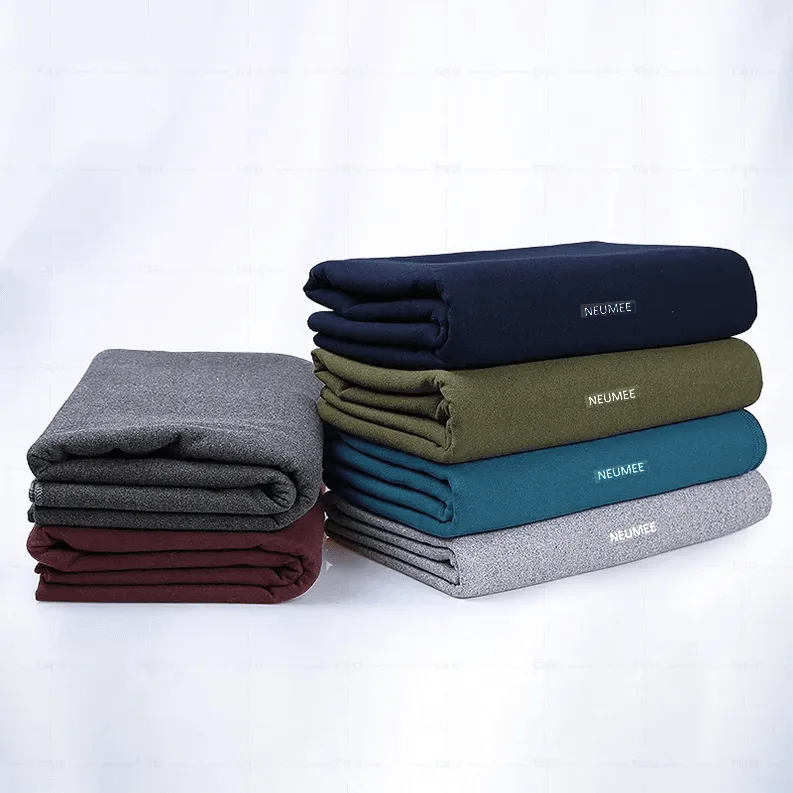
Yoga Blanket Thick, Mexican Yoga Blanket, Ideal Yoga Blanket for Restorative Yoga: Made from premium, eco-friendly materials with a soft, cozy touch. The blanket’s gentle feel supports long holds without irritation, and the natural fibers help regulate temperature during deep relaxation.
Yoga Blanket Thick, Mexican Yoga Blanket, Ideal Yoga Blanket for Restorative Yoga