Quick Answer
To use a no-pull harness effectively, fit it correctly, attach the leash to the front ring, and pair it with positive reinforcement training. Practice in low-distraction areas, reward loose leash walking, and stay consistent to stop dog pulling.
If your dog pulls on walks, a no-pull harness can be a game-changer. Unlike collars, these harnesses distribute pressure across the chest and shoulders, reducing strain on your dog's neck and giving you better control. But simply putting one on isn't enough—you need to use it correctly and combine it with training to achieve loose leash walking.
In this guide, we'll walk you through the step-by-step process of using a no-pull harness, from fitting to training techniques. We'll also highlight some Hurtta harnesses that can support your training efforts, making walks more enjoyable for both you and your pup.
Choose the Right No-Pull Harness
Not all harnesses are created equal. For pulling, look for a harness with a front attachment point (often called a front-clip harness). This design allows you to guide your dog's direction and discourages pulling by turning their body gently when they lunge. Some harnesses also have a back clip for everyday use when your dog walks nicely.
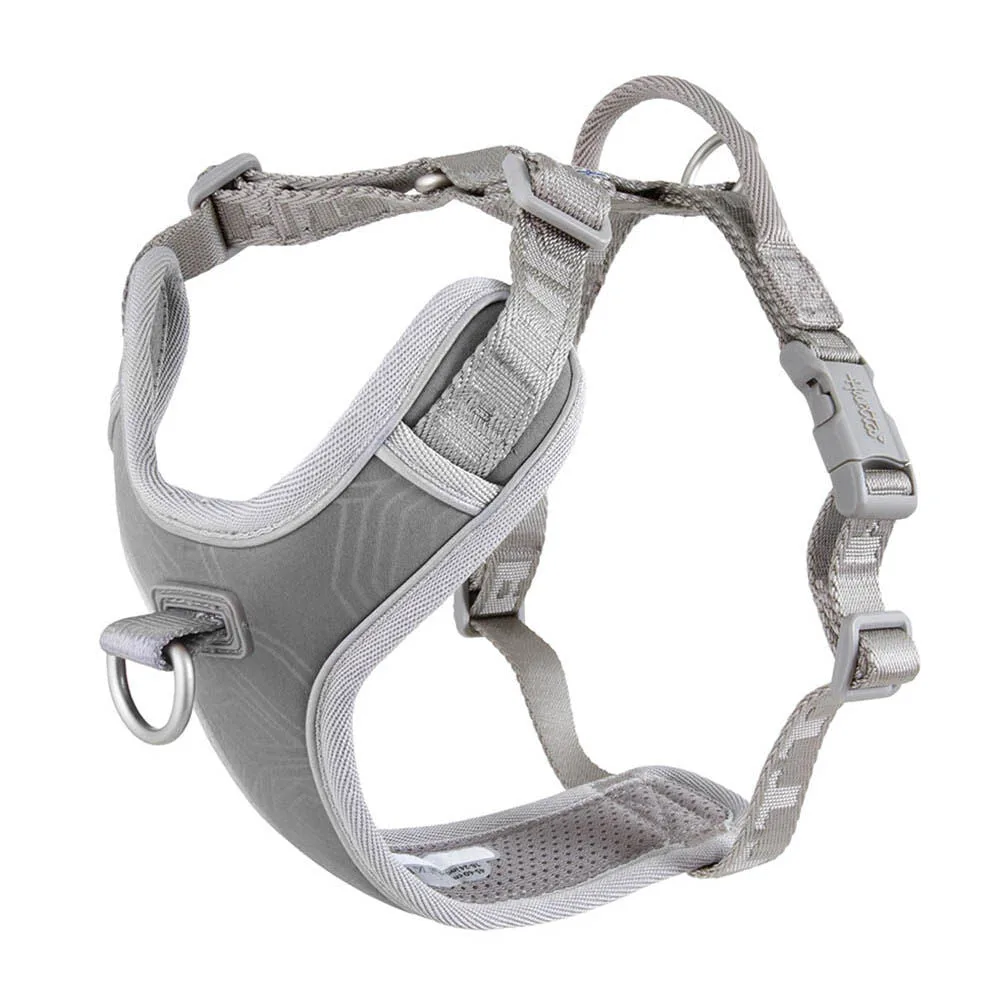
Consider your dog's build and any escape tendencies. For dogs that are clever or prone to slipping out, a secure fit is crucial. The Hurtta Safeguard Harness ECO is designed for escape artists, with an extra safety mechanism to prevent slipping. For most dogs, a well-fitted Y-harness that allows free shoulder movement, like the Casual Y-Harness ECO, works well for daily walks and active adventures.
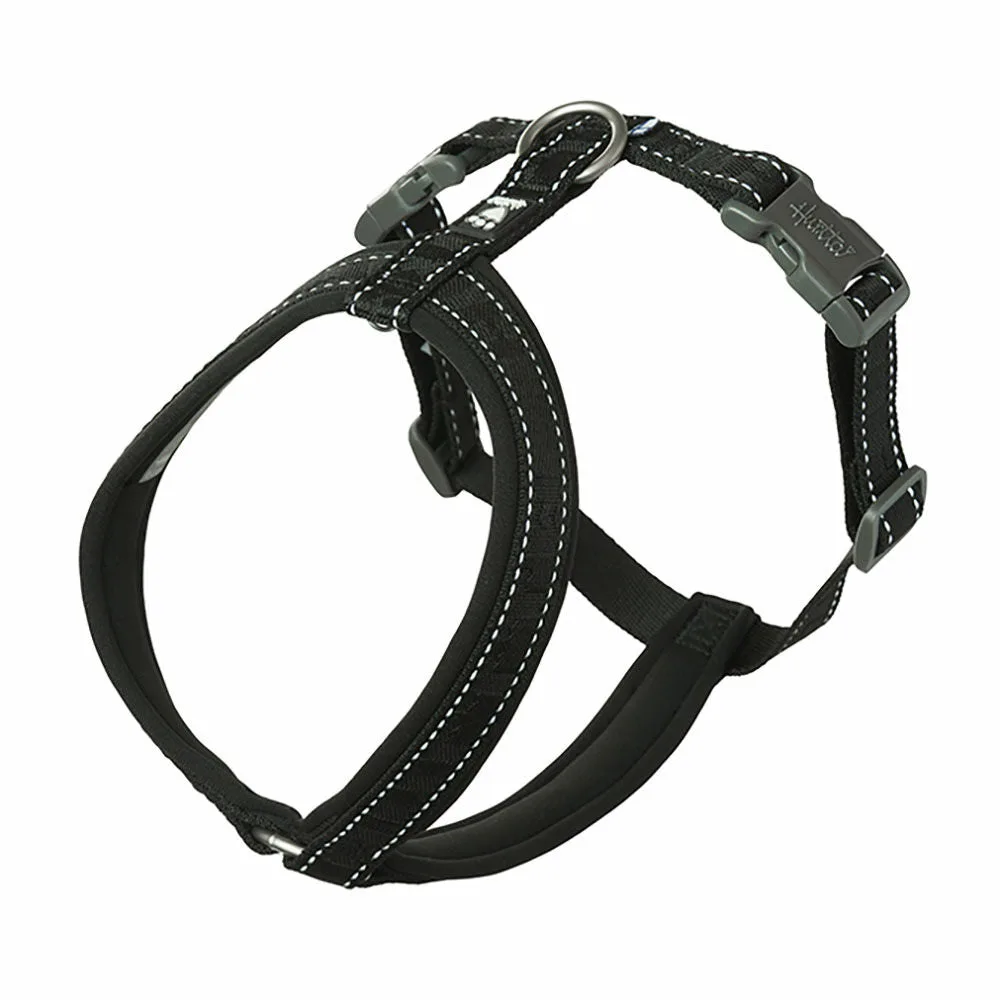
Casual Y-Harness ECO
- Look for a harness with both front and back attachment points for versatility.
- Ensure the harness fits snugly but allows you to slip two fingers under the straps.
- If your dog is an escape artist, choose a style specifically designed to prevent that.
Fit the Harness Correctly
A properly fitted harness is essential for both comfort and effectiveness. Start by loosening all straps, then place the harness over your dog's head (if it's a step-in style, have your dog step into it). Adjust the straps so that the harness sits comfortably without rubbing or chafing. You should be able to fit two fingers between the harness and your dog's body, but not more.
Pay special attention to the neck and chest areas. The harness should not restrict your dog's movement or breathing. For the Venture No-Pull Harness, there are two snap buckles on the adjustable chest section and additional adjustability at the neckline to ensure a snug fit across various breeds and sizes. Take the time to adjust it properly before heading out.
- Check the fit every few weeks, especially if your dog is still growing or changes weight.
- A harness that's too loose can rub and cause chafing; too tight can restrict movement.
Attach the Leash to the Front Ring
For no-pull training, attach your leash to the front ring of the harness (usually located on the chest). This gives you better control and discourages pulling by turning your dog's body toward you when they pull. When your dog pulls, they'll naturally turn back toward you, which interrupts the pulling behavior and encourages them to stay by your side.
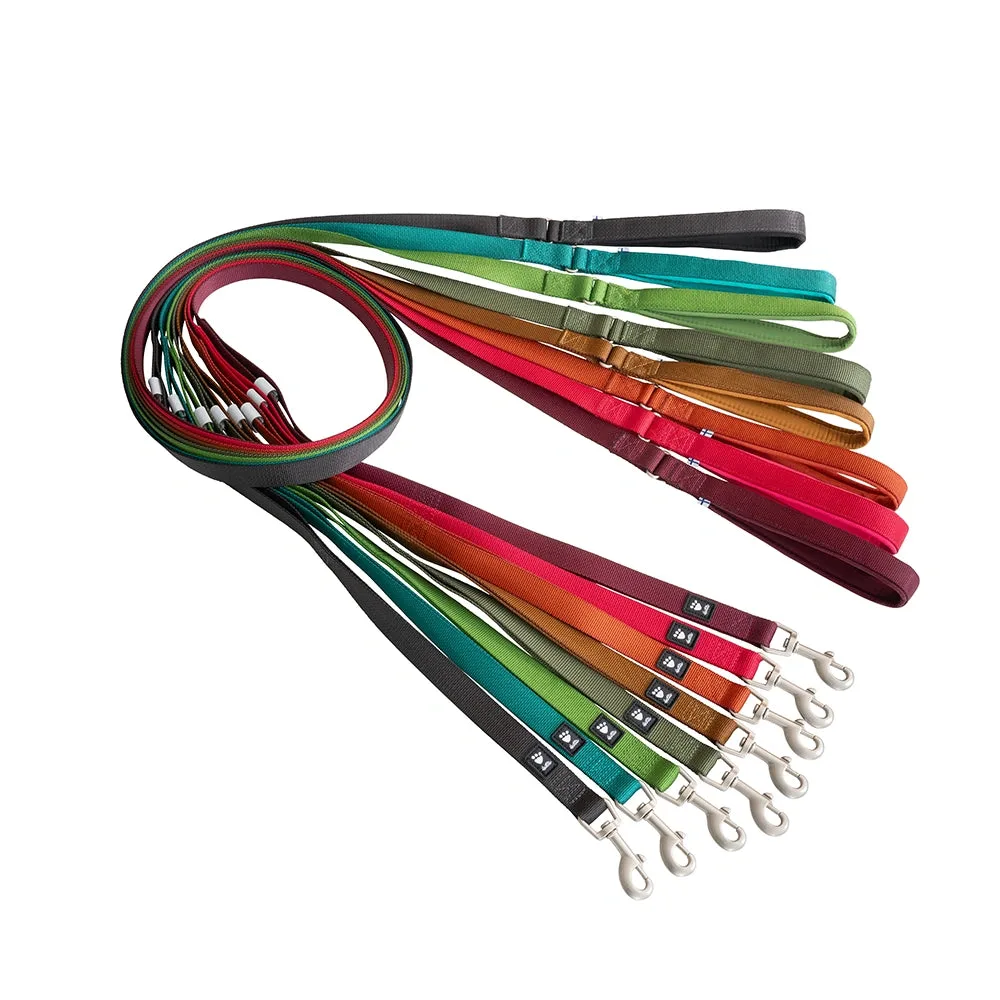
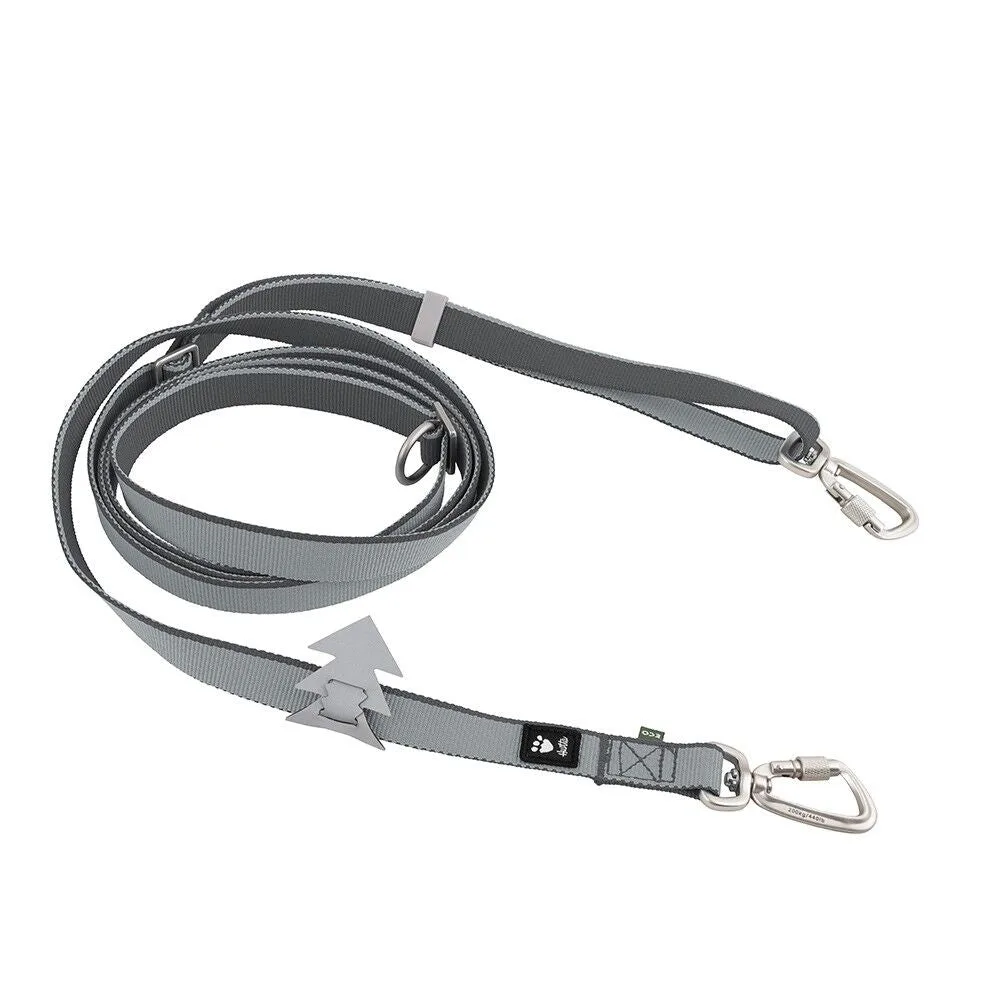
If your harness has both front and back clips, start with the front clip for training. Once your dog has learned to walk politely, you can switch to the back clip for more freedom on casual walks. The Hurtta Multilong Leash II offers stepless length adjustment from 100 to 300 cm, allowing you to give your dog more freedom when appropriate while maintaining control when needed.
- Use a standard leash or a multi-length leash for training; avoid retractable leashes for this purpose.
- Keep the leash short initially to maintain control, but not so short that it's constantly taut.
Start Training in a Low-Distraction Environment
Begin training in a quiet area with few distractions, such as your backyard or an empty park. The goal is to teach your dog that walking with a loose leash is rewarding. Have treats ready and reward your dog for staying by your side. If your dog pulls, stop immediately and wait for them to return to you. Once they do, reward and continue.
Consistency is key. Practice in short sessions (5-10 minutes) several times a day. As your dog improves, gradually introduce more distractions. Remember that no-pull harnesses are a training aid, not a quick fix. They make it easier to communicate with your dog, but you still need to teach them what you want.
- Use high-value treats that your dog doesn't get at other times.
- Keep training sessions positive and end on a good note.
Use Positive Reinforcement to Reinforce Loose Leash Walking
Positive reinforcement is the most effective way to train loose leash walking. Reward your dog for walking by your side with a treat, praise, or a quick game. When your dog pulls, stop walking and wait. This teaches them that pulling gets them nowhere, while walking politely moves things forward.
Some dogs respond well to clicker training. Click at the exact moment your dog is walking with a loose leash, then give a treat. Over time, your dog will learn that a slack leash leads to good things. Be patient—training takes time, but the results are worth it. The Hurtta Weekend Warrior Standard Leash is lightweight and durable, making it a good choice for training sessions.
- Never yank or jerk the leash; this can cause injury and fear.
- If your dog is reactive, consider pairing the harness with a professional trainer.
Practice Consistently and Gradually Increase Challenges
Once your dog is walking nicely in low-distraction areas, gradually increase the difficulty. Try walking in your neighborhood, then at a park with other dogs, and eventually in busier areas. Each time, maintain the same rules: if your dog pulls, stop; when they walk politely, reward. Consistency across all environments is crucial for your dog to generalize the behavior.
Remember that some dogs have a strong natural pulling instinct, and it may take longer to train them. Don't get discouraged—celebrate small victories. Over time, you'll be able to enjoy relaxing walks without the constant tug-of-war. The Hurtta Training Vest ECO, with its roomy pockets for treats and gear, can be a handy aid during training sessions, keeping everything you need within easy reach.
- Vary your walking routes to expose your dog to different stimuli.
- If your dog regresses, go back to a less distracting environment and rebuild.
Step-by-Step No-Pull Harness Training
- Step 1: Choose the right harness: Select a no-pull harness with a front clip and proper fit. Consider your dog's escape tendencies and activity level. A secure, comfortable harness is the foundation for effective training.
- Step 2: Fit the harness correctly: Adjust all straps to ensure a snug but comfortable fit. You should be able to slip two fingers under the straps. Check for any rubbing or restriction. A poorly fitted harness can cause discomfort and reduce training effectiveness.
- Step 3: Attach leash to front ring: Clip the leash to the front ring on the chest. This gives you better control and discourages pulling by turning your dog's body when they pull. Front attachment is key to no-pull training; use back clip only after loose leash walking is mastered.
- Step 4: Start in low-distraction areas: Train in a quiet environment with few distractions. Reward your dog for walking with a loose leash and stop when they pull. Gradual exposure to distractions helps your dog generalize good behavior.
- Step 5: Use positive reinforcement: Reward your dog with treats, praise, or play for walking politely. Never yank the leash. Consistency and patience are essential. Positive reinforcement builds a strong bond and makes training enjoyable for your dog.
- Step 6: Practice consistently and increase challenges: Gradually move to more distracting environments, maintaining the same rules. Celebrate small victories and don't rush the process. Consistent practice leads to reliable loose leash walking in all situations.
Featured Hurtta Harnesses for No-Pull Training
- Venture No-Pull Harness: The Venture No-Pull Harness is suitable for daily walks and weekend adventures and it’s perfect for active and mobile dogs and dog owners. Two snap buckles on the adjustable chest section offer easy on-off wearability. There is also additional adjustability at the neckline to ensure a snug fit across a variety of breeds and sizes. Its adjustable chest and neck sections help achieve a secure, comfortable fit that is essential for effective no-pull training without chafing or slipping.
- Safeguard Harness ECO: Is your dog a bit of an escape artist? Ideal for rescue dogs, clever dogs prone to slipping out of their harness, and young pups still mastering leash manners, the Safeguard Harness ECO will make this worry a thing of the past. If your dog is prone to backing out of harnesses, this escape-proof design keeps them secure during training, so you can focus on teaching loose leash walking.
Using a no-pull harness effectively involves more than just strapping it on. By choosing the right harness, fitting it properly, attaching the leash to the front ring, and combining it with positive reinforcement training, you can teach your dog to walk politely on a loose leash. Remember to be patient and consistent—your efforts will pay off with enjoyable, stress-free walks. Explore Hurtta's range of harnesses and leashes to find the perfect gear for your training journey.