Quick Answer
To use oregano oil safely, always dilute it with a carrier oil (1-2 drops per teaspoon), start with a low dose (1-2 drops or 100-200 mg), and limit use to 1-2 weeks at a time. Choose capsules for convenience and precise dosing, and consult a healthcare provider if you have underlying conditions or take medications.
oregano oil
Oregano oil is a popular natural remedy for immune support, thanks to compounds like carvacrol and thymol. But using it incorrectly—too concentrated, too often, or in the wrong form—can cause irritation or more serious side effects. This guide walks you through the safe and effective way to use oregano oil, whether you're a first-timer or looking to fine-tune your routine.
We'll cover dilution, dosage, duration, and the key differences between liquid and capsule forms. You'll also learn common mistakes to avoid, so you can get the most benefit without the risk.
Why Dilution Matters
Oregano oil is highly concentrated and can burn your skin, mouth, or throat if used undiluted. The active compound carvacrol is a potent antimicrobial, but it's also a skin irritant at full strength. Always mix liquid oregano oil with a carrier oil like olive, coconut, or jojoba oil before applying topically or taking internally.
A common ratio is 1-2 drops of oregano oil per teaspoon of carrier oil. For internal use, you can add a drop to a glass of water or juice, but be aware that it doesn't dissolve well—mixing with a fatty carrier improves absorption and reduces irritation. If you're using capsules, dilution is already handled, but you still need to follow the label's dosage instructions.
- Never apply undiluted oregano oil directly to skin or mucous membranes.
- Use a carrier oil that you tolerate well, and do a patch test first.
Finding the Right Dosage
Dosage depends on the form and concentration. For liquid oregano oil, a typical starting dose is 1-2 drops taken with food or a carrier oil, up to three times daily. For capsules, follow the manufacturer's instructions—usually 100-200 mg of standardized oregano oil per day. Start low and increase gradually to assess tolerance.
If you're using oregano oil for immune support, you might take it at the first sign of a cold or during seasonal stress. Some people cycle it, using it for 1-2 weeks then taking a break. Always read the label for specific concentration and serving size, and don't exceed the recommended amount.
- Start with the lowest effective dose and monitor how your body responds.
- Taking oregano oil with food can reduce stomach upset.
How Long to Use Oregano Oil
Oregano oil is not meant for long-term daily use. Most experts recommend using it for 1-2 weeks at a time, then taking a break of at least a week. This helps prevent potential side effects like digestive upset or disruption of gut flora. If you're using it for a specific issue, you might only need a few days.
If you have a chronic condition or are considering long-term use, consult a healthcare professional. They can help you determine an appropriate duration and monitor for interactions with medications or other supplements. Remember, more is not better—using oregano oil beyond the recommended duration can lead to irritation or other adverse effects.
- Listen to your body: if you experience irritation or discomfort, stop and reassess.
- Keep a journal of your dosage and how you feel to find your optimal routine.
Liquid vs. Capsules: Which Is Right for You?
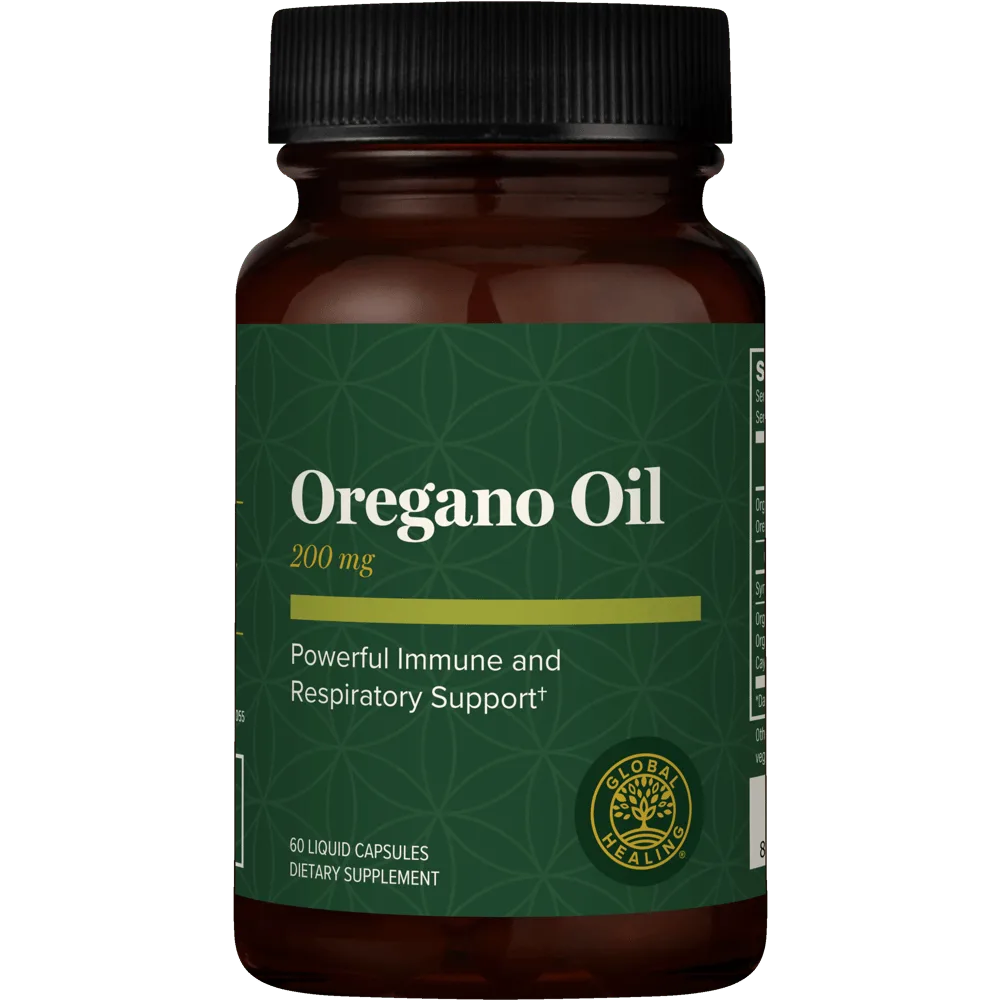
Liquid oregano oil offers flexibility in dosing and can be used topically or internally. However, it has a strong taste and smell, and you must be careful with dilution. Capsules, on the other hand, provide a precise dose and are convenient for travel, but they limit your ability to adjust the amount and can't be used topically.
If you're new to oregano oil, capsules might be easier to start with because they eliminate the guesswork. If you prefer a customizable approach or want to use it on your skin, liquid is the way to go. Consider your lifestyle and preferences when choosing, and always buy from a reputable brand that provides clear labeling.
- Capsules are great for consistent dosing and avoiding taste.
- Liquid is versatile but requires careful measurement and dilution.
Step-by-Step: Using Oregano Oil Safely
- Choose your form: Decide between liquid or capsules. Capsules are easier for beginners; liquid offers flexibility for topical use. If you choose liquid, ensure you have a carrier oil on hand. Checkpoint: Read the label for concentration and serving size before you start.
- Dilute properly: For liquid, mix 1-2 drops with a teaspoon of carrier oil. For internal use, you can add to food or a fatty beverage. Never take undiluted. Common mistake: Skipping dilution can cause burns or severe stomach upset.
- Start with a low dose: Begin with 1 drop or the lowest capsule dose. Take with food to minimize digestive discomfort. Observe how your body reacts over 24-48 hours. Checkpoint: If you experience heartburn or irritation, reduce the dose or stop.
- Time your use: Use oregano oil for 1-2 weeks max, then take a break. For acute issues, a few days may suffice. Avoid long-term daily use without professional guidance. Common mistake: Using oregano oil for months can disrupt gut flora and cause side effects.
- Monitor and adjust: Keep track of how you feel. If you're using it for immune support, note any changes. If you have underlying conditions or take medications, consult a healthcare provider before starting. Checkpoint: Your routine should be sustainable and comfortable—adjust as needed.
Oregano Oil Alternatives and Complements
- Vitamin C: Our Vitamin C supplement is derived from plant-based sources, specifically amla extract and black currant. These natural ingredients provide rich and potent vitamin C. With our supplement, you can enjoy the benefits of vitamin C, including immune support, antioxidant protection, and collagen synthesis. Pairing oregano oil with a plant-based vitamin C can provide additional immune support and antioxidant protection, especially during seasonal challenges.
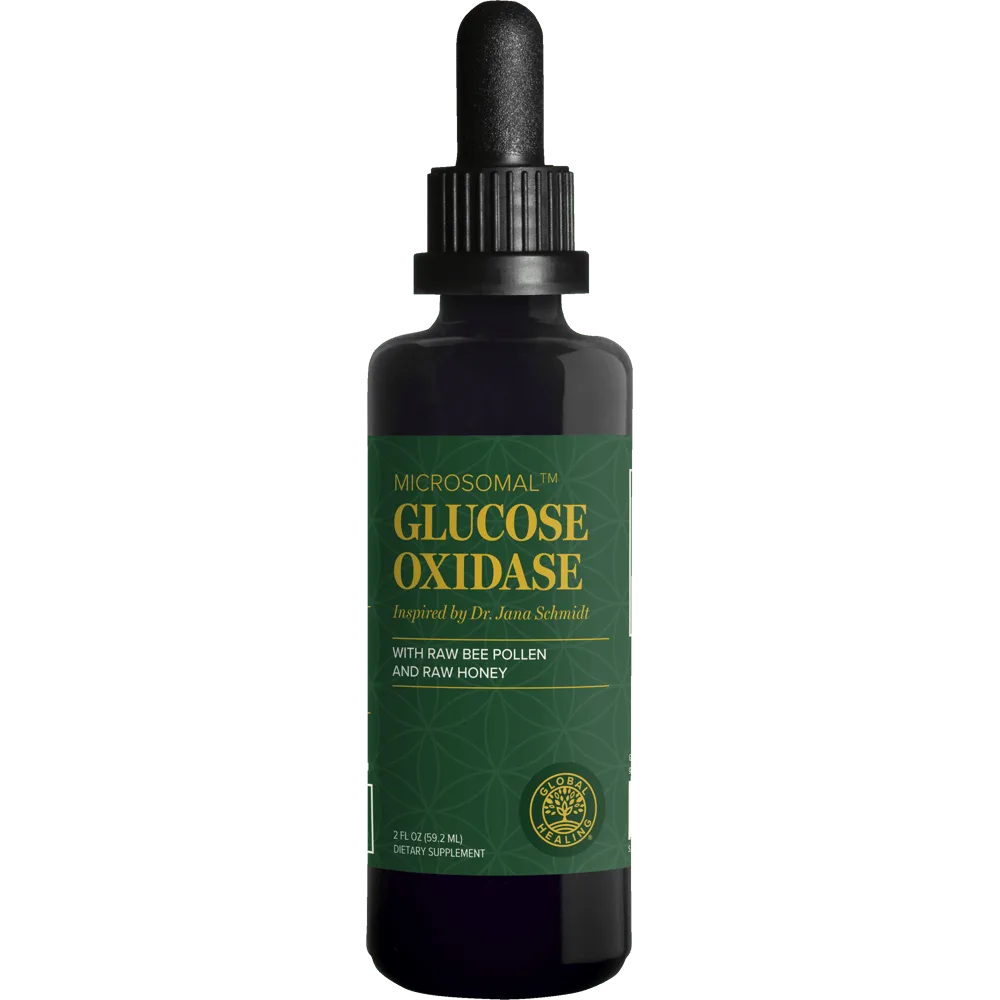
- Glucose Oxidase: Glucose Oxidase (also called notatin) is an enzyme that converts glucose into hydrogen peroxide and gluconic acid – compounds the body uses to fight pathogens and produce energy at the cellular level. We isolated this enzyme and combined it with Raw Honey and Raw Bee Pollen, which are both high-quality sources of Glucose Oxidase. If you're using oregano oil for its antimicrobial properties, this enzyme blend may complement your routine by supporting your body's natural defense mechanisms.
Oregano oil can be a powerful tool for immune support when used correctly. By choosing the right form, diluting properly, starting with a low dose, and limiting your duration, you can minimize risks and maximize benefits. Always listen to your body and consult a professional if you have any doubts. For a well-rounded approach, consider pairing oregano oil with complementary supplements like vitamin C or enzyme blends to support your overall wellness.