Quick Answer
To use organic coconut milk powder, rehydrate it with water to make coconut milk or add it directly to dry mixes for a rich, dairy-free flavor. For baking, substitute it for milk powder in a 1:1 ratio, and for cooking, dissolve it in warm liquids to avoid lumps. Store it in an airtight container to keep it fresh.
Organic coconut milk powder is a versatile pantry staple that brings the creamy richness of coconut milk without the need for refrigeration. Whether you're baking dairy-free treats or adding a tropical twist to savory dishes, this pantry staple can simplify your cooking. In this guide, we'll walk you through the best ways to use coconut milk powder, from rehydrating to baking and cooking.
You'll also discover how to substitute it in recipes, avoid common pitfalls, and even find a few products that pair well with this ingredient. Let's dive in.
Understanding Organic Coconut Milk Powder
Organic coconut milk powder is made by spray-drying fresh coconut milk, resulting in a fine powder that retains the natural flavor and nutrients. Unlike canned coconut milk, it's lightweight, shelf-stable, and free from additives like preservatives or stabilizers when organic. This makes it a convenient choice for recipes where you want coconut flavor without the excess liquid.
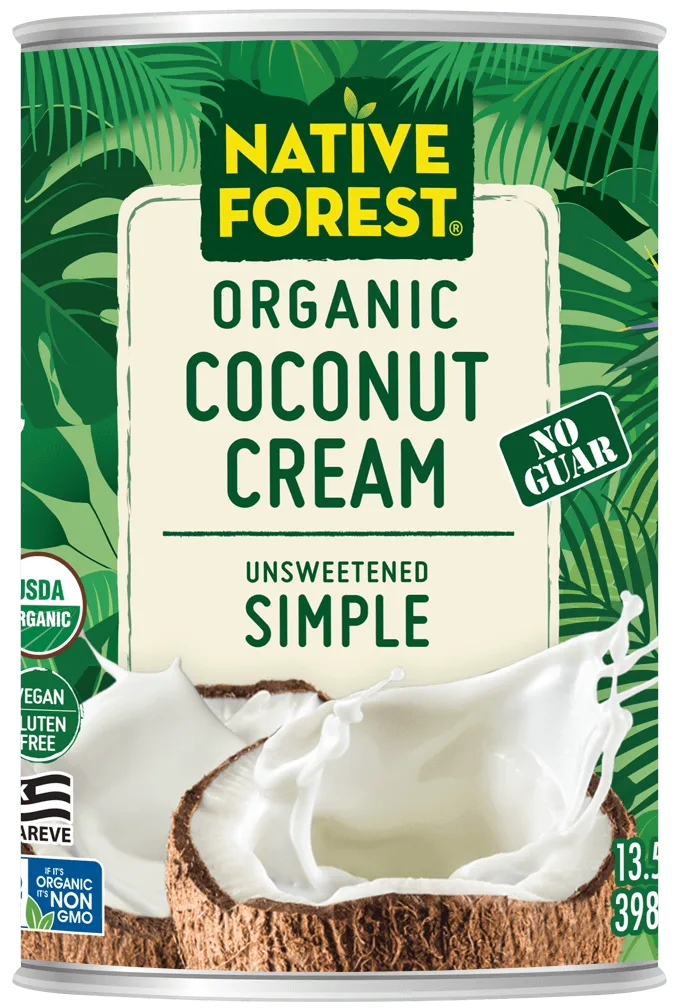
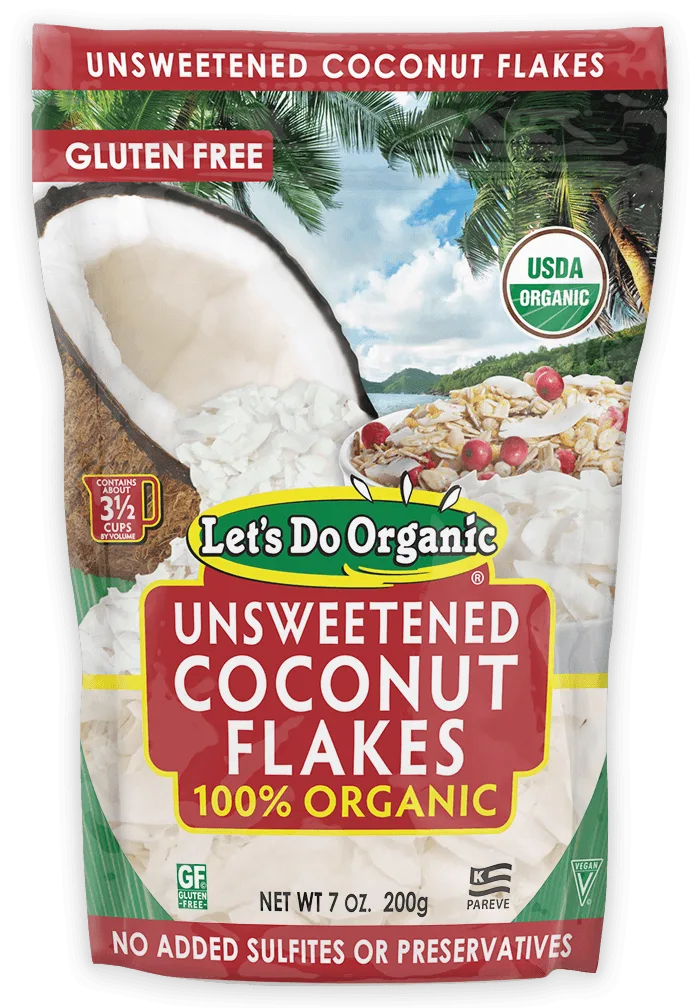
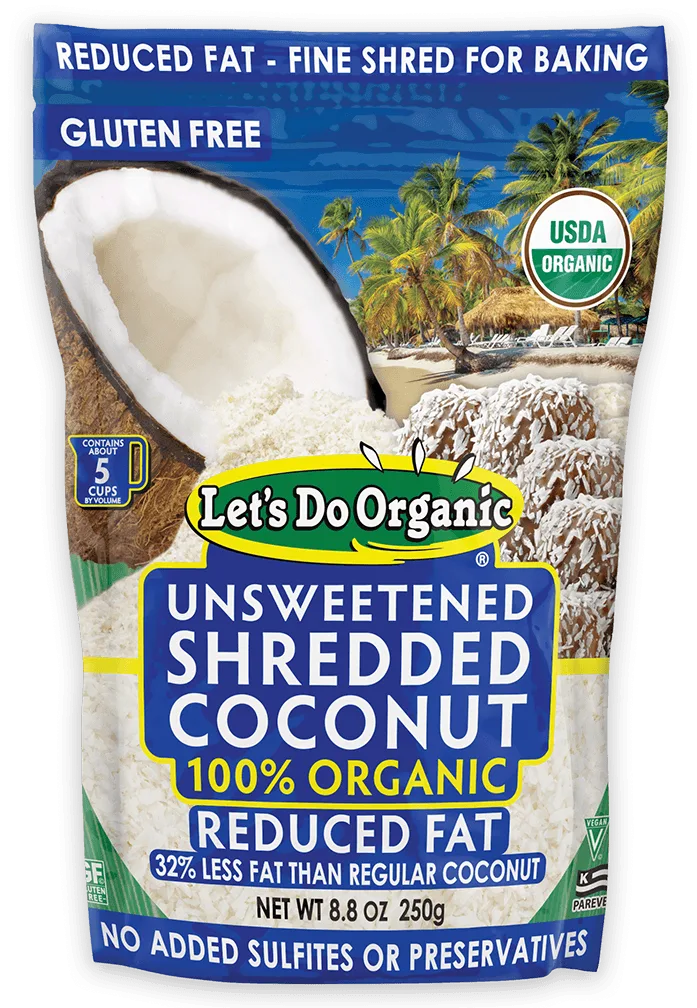
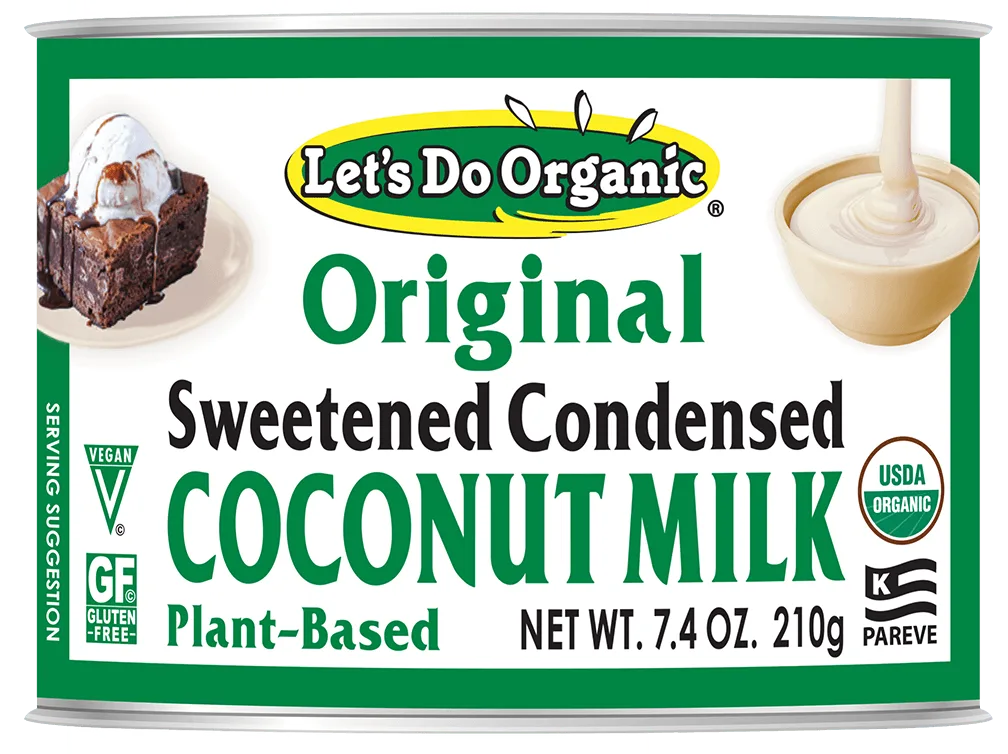
When shopping, look for products that are certified organic and contain minimal ingredients. For example, Let's Do Organic® offers a range of organic coconut products, but if you're specifically seeking coconut milk powder, check the label to ensure it's pure. Always store your powder in a cool, dry place to prevent clumping.
- Check the ingredient list to ensure no added sugars or fillers.
- Keep the powder in an airtight container to maintain freshness.
How to Rehydrate Coconut Milk Powder
To make coconut milk from powder, the general ratio is 1 part powder to 2 parts water. For a thicker, creamier result, use less water. Start by measuring the powder into a bowl, then gradually whisk in warm water to help it dissolve smoothly. Cold water can cause lumps, so warm water is your friend.
For a quick cup of coconut milk to use in coffee or smoothies, you can dissolve the powder directly in a small amount of hot liquid, then add cold. This method prevents clumping and ensures a smooth texture. If you're using it in a recipe that requires coconut milk, rehydrate it first for best results.
- Use a whisk or blender to ensure a lump-free mixture.
- If you need a thicker coconut cream, reduce the water by half.
Baking with Coconut Milk Powder
In baking, coconut milk powder can replace dairy milk powder in a 1:1 ratio. This is especially useful in recipes for cakes, cookies, and breads where you want a subtle coconut flavor and tender crumb. You can also add it to dry ingredients to boost richness without adding extra liquid.
For gluten-free baking, coconut milk powder can complement other flours like green banana flour, which is high in resistant starch. Combining these can improve texture and nutrition. However, remember that coconut milk powder adds fat, so you may need to adjust the liquid or fat content in your recipe accordingly.
- Sift the powder with dry ingredients to avoid clumps in the batter.
- Reduce other fats slightly if the recipe already has a high fat content.
Cooking with Coconut Milk Powder in Savory Dishes
Coconut milk powder is excellent for thickening and flavoring soups, curries, and sauces. To use it, dissolve the powder in a small amount of warm broth or water before adding it to the dish. This prevents lumps and ensures even distribution. It's a great dairy-free alternative to cream in many recipes.
You can also use it to make a quick marinade or sauce. For example, mix coconut milk powder with water, tamari, and hoisin sauce for a rich, Asian-inspired glaze. This is a simple way to add depth to stir-fries or grilled dishes.
- Always dissolve in warm liquid to avoid lumps.
- Add at the end of cooking to preserve the coconut flavor.
Step-by-Step Guide to Using Coconut Milk Powder
- Step 1: Choose the Right Product: Select an organic coconut milk powder that is pure and unsweetened. Check the ingredient list to ensure it contains only coconut milk extract or similar. Avoid products with added sugar or anti-caking agents if you want a clean flavor. Checkpoint: Read the label to confirm it's organic and free from additives.
- Step 2: Rehydrate Properly: For every 1 tablespoon of powder, use 2 tablespoons of warm water to make a thick coconut cream, or 1/4 cup of water for a thinner milk. Whisk or blend until smooth. If you're adding directly to a recipe, you can skip this step if the recipe has enough liquid. Common mistake: Using cold water causes lumps. Always use warm liquid.
- Step 3: Incorporate into Baking: When baking, replace milk powder with coconut milk powder in a 1:1 ratio. Add it to your dry ingredients and sift together to ensure even distribution. You may need to reduce other fats slightly because coconut milk powder contains healthy fats. Checkpoint: Adjust liquid levels if the batter seems too dry.
- Step 4: Use in Cooking: For soups, curries, and sauces, dissolve the powder in a small amount of warm broth before adding. This prevents clumping. Stir well and simmer gently to meld flavors. Common mistake: Adding powder directly to cold liquid creates lumps. Always dissolve first.
- Step 5: Store Properly: Keep your coconut milk powder in an airtight container in a cool, dry place. Avoid moisture, as it can cause clumping and spoilage. Properly stored, it can last up to a year. Checkpoint: If it clumps, you can still use it, but sift before using.
Related Products to Consider
- Premier Japan® Organic Gluten Free Hoisin Sauce: Begins with traditionally brewed organic tamari, a savory, traditional soy sauce, and includes organic ginger and garlic purees and toasted sesame oil. This hoisin sauce pairs beautifully with coconut milk powder to create a quick, dairy-free glaze or marinade for stir-fries and grilled dishes.
- Let's Do Organic® Organic Green Banana Flour: Made from young, organic green bananas, dried carefully to preserve resistant starch and milled into a fine flour. When baking with coconut milk powder, green banana flour can add structure and a nutritional boost to gluten-free recipes, making them more filling.
- Edward & Sons® Organic Roasted Garlic Mashed Potatoes: Easy to prepare, delivering fluffy mashed potatoes in less than 4 minutes, and certified organic, vegan, and gluten-free. For a quick side dish, these mashed potatoes can be enhanced with a splash of rehydrated coconut milk powder for a creamy, dairy-free twist.
Organic coconut milk powder is a flexible ingredient that can transform your baking and cooking, offering dairy-free convenience without sacrificing flavor. By following these steps, you can easily incorporate it into your favorite recipes. Remember to choose high-quality organic products, store them properly, and experiment to find the perfect ratios for your dishes.