Quick answer
The Otter Finds the Comfort Garden hardcover book is a practical tool for teaching children self-soothing techniques. Use it to guide kids through identifying their feelings, creating a mental or physical comfort space, and practicing calming actions like deep breathing and positive self-talk.
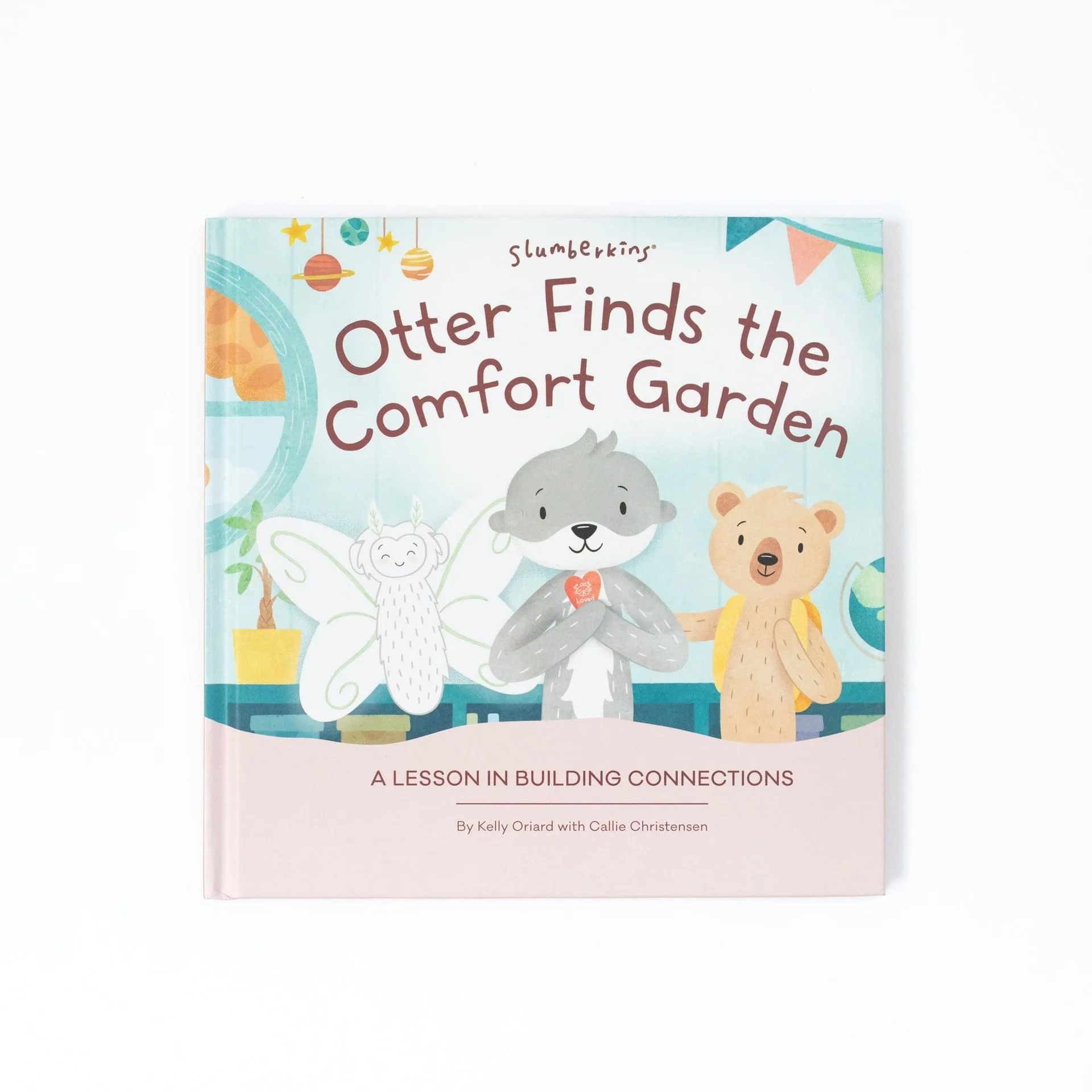
Otter Finds the Comfort Garden hardcover book
Children experience big emotions, and helping them learn to self-soothe is a valuable life skill. The Otter Finds the Comfort Garden hardcover book offers a gentle, story-based approach to teaching kids how to find calm when they feel overwhelmed. This guide provides practical steps to use the book effectively at home or in the classroom.
By following the story's journey, children can learn to recognize their emotions and discover techniques to comfort themselves. The book's engaging narrative and relatable character make it an ideal starting point for discussions about emotional wellness.
Why the Otter Finds the Comfort Garden Book Works for Self-Soothing
The book uses a narrative to model self-soothing in a way children can understand. As Otter navigates feelings of distress and discovers a comfort garden, readers see a character they can relate to. This makes the abstract concept of self-soothing concrete and accessible.
Stories help children internalize lessons better than direct instruction alone. When kids see a character they love handle a difficult emotion, they are more likely to try those strategies themselves. The book also provides a shared language for parents and educators to talk about feelings.
- Use the book as a conversation starter about what comfort feels like.
- Encourage children to describe their own 'comfort garden' after reading.
Preparing to Read the Book with Your Child
Before reading, create a calm and comfortable environment. Choose a time when your child is relatively relaxed and can focus. You might sit in a cozy corner or use a special reading pillow. This helps set the stage for a positive experience.
Briefly introduce the book by saying something like, 'Today we're going to read about Otter, who learns how to feel better when he's upset. Let's see what he does.' This primes your child to pay attention to the self-soothing techniques in the story.
- Avoid introducing the book during a meltdown; wait for a calm moment.
- If reading in a classroom, gather students in a quiet circle.
Reading the Book Interactively
As you read, pause at key moments to ask questions. For example, when Otter first feels upset, ask, 'How do you think Otter is feeling?' or 'What would help you feel better right now?' This keeps your child engaged and helps them connect the story to their own experiences.
Use expressive voices and gestures to bring the story to life. Point out the illustrations and discuss what you see. This not only holds attention but also reinforces the emotional cues in the story.
- Ask open-ended questions like 'What do you think Otter will do next?'
- Let your child turn the pages to increase their involvement.
After Reading: Reinforcing the Lesson
After finishing the book, have a follow-up conversation. Ask your child what they noticed about how Otter calmed down. This helps them recall the self-soothing techniques and think about how to apply them in their own life.
Create a simple 'comfort plan' together. List a few calming activities your child can do when they feel upset, such as taking deep breaths, hugging a favorite plush, or finding a quiet spot. Write or draw these ideas and post them somewhere visible as a reminder.
- Use the book's imagery to inspire a drawing or craft activity.
- Practice one of the techniques together right after reading to build muscle memory.
Step-by-Step Guide to Using the Book
- Create a Calm Reading Environment: Choose a quiet, cozy spot with minimal distractions. Let your child know this is a special time for reading and talking about feelings. Checkpoint: If your child is restless, try a different time or place; the goal is a relaxed atmosphere.
- Read with Emotion and Interaction: Use expressive voices and pause to ask questions like 'How do you think Otter feels?' or 'What would help you feel better?' Checkpoint: If your child loses interest, shorten the reading and focus on key pages.
- Discuss the Comfort Garden Concept: After reading, talk about what a comfort garden is and ask your child what would be in theirs. This helps them personalize the self-soothing idea. Checkpoint: If your child struggles, offer examples like a soft blanket or a favorite song.
- Create a Personalized Comfort Plan: Work together to list 2-3 calming activities your child can do when upset. Write or draw them and display the plan where it's easy to see. Checkpoint: Practice one technique together right away to make it memorable.
- Revisit and Reinforce: Reread the book regularly and remind your child of their comfort plan when they face a tough moment. Consistency helps build the habit. Checkpoint: Celebrate small successes to encourage continued use of self-soothing skills.
Related Slumberkins Products to Support Self-Soothing
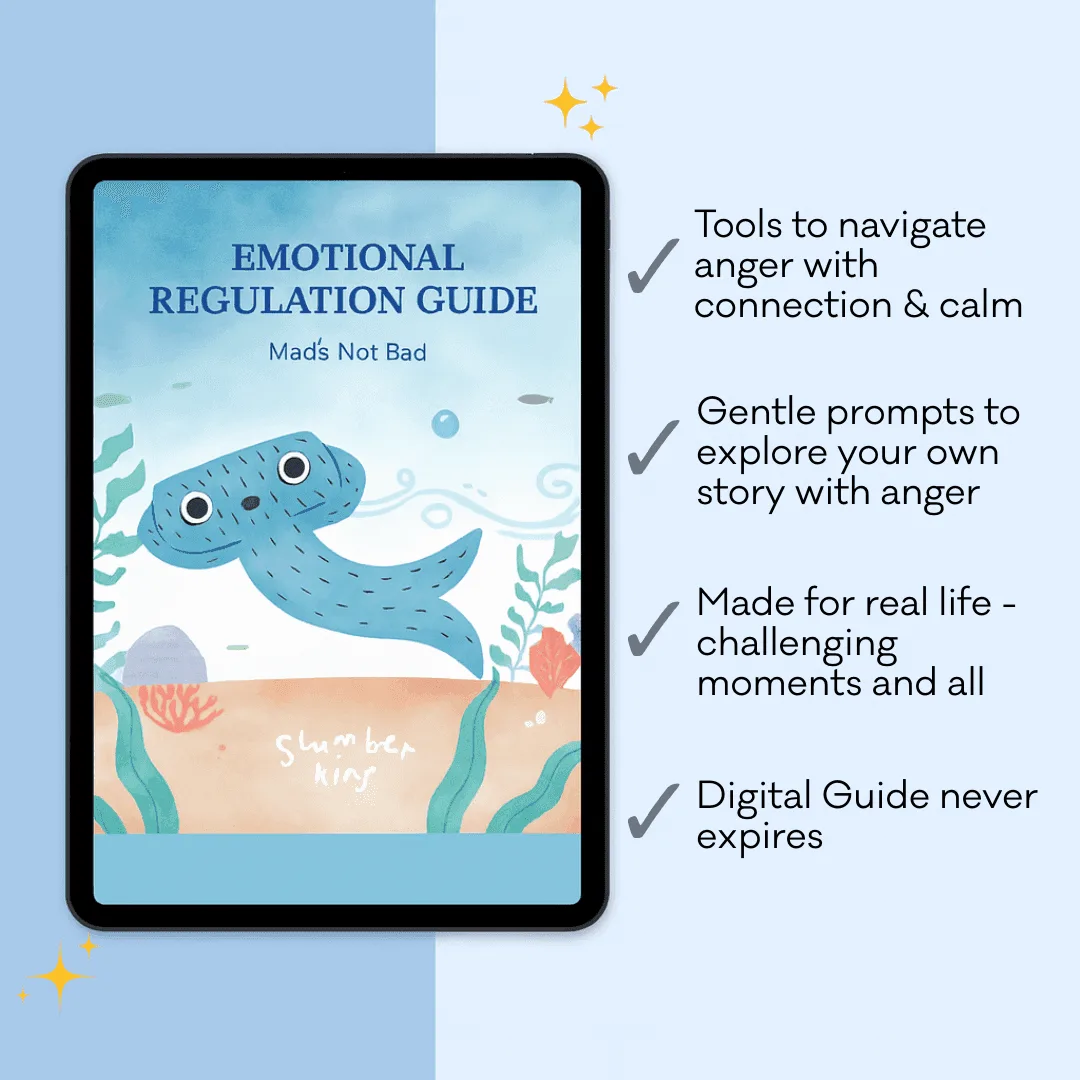
- Emotional Regulation: A Digital Guide for Parents: This heartfelt digital guide is designed to support caregivers in navigating the big, often misunderstood feeling of anger—with compassion, curiosity, and care. Rooted in the belief that all emotions are valid, Mad’s Not Bad offers practical tools, gentle reflection prompts, and real-life strategies to help both children and adults build emotional awareness and resilience. This guide complements the book by giving parents deeper strategies to handle difficult emotions, making it a useful resource for reinforcing self-soothing at home.
- Lynx Sets Boundaries Big Book: Promotes: Self-Expression, Mindfulness, Healthy Boundaries. Learning to set healthy boundaries and express their needs is a key part of students' emotional development. Lynx Sets Boundaries offers examples of self-expression as Lynx learns to notice her feelings and share them with others. Teaching children to express their needs is a foundational step in self-soothing, as it helps them communicate when they need support.
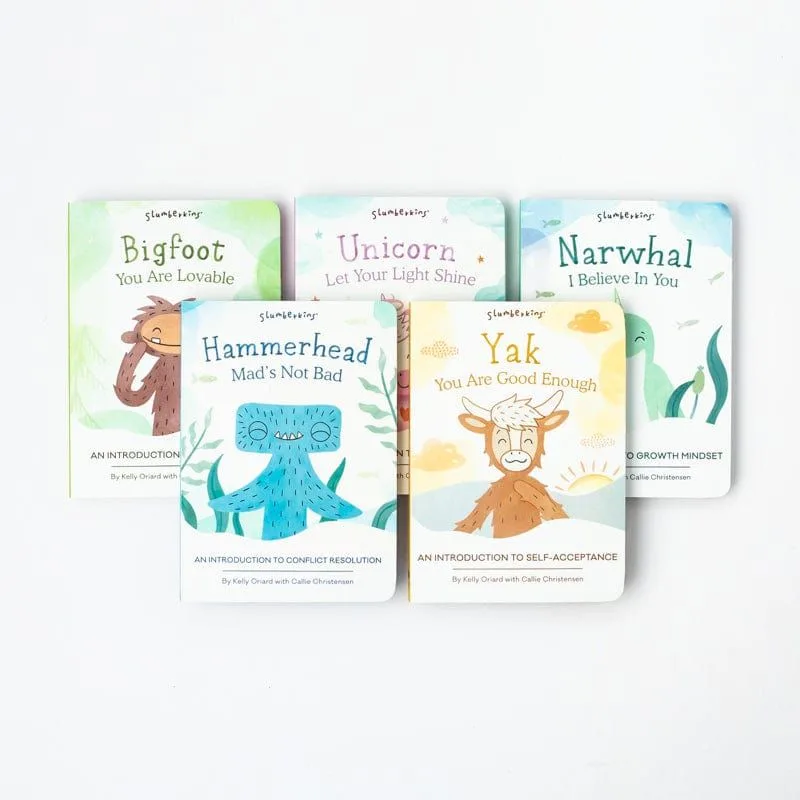
- Slumberkins Big Book Library: The Slumberkins Big Book Library now features 15 of our large-format educator books. Each book in this collection promotes a different social-emotional skill, supporting students with engaging stories, beautifully illustrated pages, and skill-building lessons. This library provides a comprehensive set of social-emotional learning tools, making it easy to continue building emotional skills beyond the comfort garden story.
Using the Otter Finds the Comfort Garden hardcover book is a gentle, effective way to introduce self-soothing techniques to children. By following these steps, you can help your child build emotional awareness and resilience that will serve them for a lifetime.