What a Padded Stick Schlagstock Does in Training
The padded stick schlagstock is a traditional tool used in Schutzhund and protection dog trials. Its purpose is not to strike the dog hard, but to teach the dog courage when someone comes at them with an object. The dog learns to engage confidently with the decoy, building drive and nerve.
The word "Schlagstock" is German for baton. This version has a flexible padded core and a faux suede exterior, so the impact is softened. The leather wrist strap helps keep the stick in position while you work.
Padded Stick Schlagstock at a Glance
-
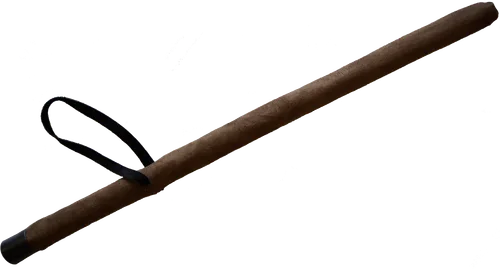
Padded Stick Schlagstock: The padded stick measures 24" in length and 1.5" wide with a leather suede handle to wrap around your wrist. The 24" length gives the decoy enough reach to present the stick at a safe distance, while the 1.5" width and non-slippery faux suede provide a comfortable, secure grip.
Padded Stick Schlagstock
-
Padded Stick Schlagstock: The stick has a flexible padded core and a faux suede exterior. It is not a hard hit on the dog because of the padding. The padding reduces the risk of injury or intimidation, allowing the dog to focus on the object rather than the pain. This is critical for building confidence in bite work.
-
Padded Stick Schlagstock: The leather wrist wrap helps to keep the stick in position while using. A secure wrist wrap prevents the stick from slipping or being dropped during a high-drive engagement, keeping the decoy in control.
How to Use the Schlagstock in a Decoy Session
The following steps outline a basic method for introducing and using the padded stick during protection training. Always work with a trained decoy and ensure your dog is comfortable with the equipment.
- 1. Secure the wrist strap: Wrap the leather wrist strap around your dominant hand before gripping the stick. This keeps the schlagstock from flying out of your hand during a bite engagement.
- 2. Present the stick at a distance: Hold the stick at arm's length, angled slightly toward the dog. The padded end should be visible and approachable. Start with slow, lateral movements to let the dog track the object.
- 3. Encourage the dog to target the stick: Use verbal encouragement and light taps on the ground or on a bite pillow to draw the dog's attention. The goal is for the dog to bite the padded end, not to avoid it.
- 4. Allow the dog to grip and tug: Once the dog bites the stick, let them hold it briefly. You can apply gentle resistance to build drive. The flexible core and padding make this safe for the dog's mouth.
- 5. Release and reset: After a short engagement, release the stick and let the dog disengage. Repeat the presentation to reinforce the pattern. Keep sessions short to maintain the dog's enthusiasm.
Safety and Care Tips
Because the schlagstock is padded, it is safer than a hard stick, but you should still avoid hitting the dog's head, eyes, or sensitive areas. Always pair the stick with proper bite work equipment and a trained decoy.
The faux suede exterior can be wiped clean with a damp cloth after use. Store the stick in a dry place to prevent the padding from degrading. The leather wrist strap may benefit from occasional conditioning to stay supple.
If your dog shows fear or avoidance, slow down. The schlagstock is a tool for building courage, not for forcing engagement. Work at the dog's pace and use high-value rewards to create a positive association.
When the Padded Stick Is the Right Tool
The padded stick schlagstock is ideal for Schutzhund clubs, protection sport decoys, and working dog handlers who need a durable, forgiving object for bite development. It is not a punishment tool—it is a training aid that helps the dog learn to confront and overcome a threatening object.
If you are new to protection training, consider pairing this stick with a bite sleeve or jute tug to give your dog a clear target. The schlagstock works best as part of a progressive decoy routine, not as a standalone toy.