PDRN collagen melting patches have become a staple in Korean anti-aging routines, promising a plump, dewy finish that fans call "glass skin." Unlike traditional sheet masks that sit on top of your skin, these patches dissolve over time, delivering polynucleotides and collagen directly into the deeper layers. The result? Firmer, more luminous skin without the sticky residue.
But getting that glow depends on proper technique. Place the patch wrong, leave it on too long, or skip prep, and you might not see the full benefit. Here is a practical, step-by-step guide to using a PDRN collagen melting patch so you can maximize absorption and achieve that coveted glass-skin effect.
Step 1: Start with a Clean, Dry Canvas
For any melting patch to adhere and dissolve evenly, your skin must be completely free of oil, dirt, and residual products. Wash your face with a gentle cleanser that won't strip your barrier. If you wear makeup or sunscreen, double-cleanse first. Pat your skin dry with a clean towel — do not leave it damp, because moisture can cause the patch to slide or dissolve too quickly before it penetrates.
Avoid applying toner, serum, or moisturizer before the patch. Unlike a sheet mask, a melting patch is designed to deliver active ingredients directly. Any product underneath can create a barrier that slows down absorption. A bare, clean face gives the PDRN and collagen the best chance to work.
- Use an oil-based cleanser first if you have heavy makeup or sunscreen on.
Step 2: Unfold and Apply the Patch Correctly
Carefully remove the patch from its backing. Most PDRN patches come sandwiched between two thin liners. Peel one liner off, then place the sticky side onto your skin. Gently press it down, then peel away the second liner. Avoid stretching the patch — it should lie flat without wrinkles or air bubbles. Wrinkles can cause uneven melting or leave visible edges.
Target areas where you want extra firmness or glow: cheeks, forehead, or under the chin. Some patches are shaped for the whole face, while others focus on specific zones like the nasolabial folds. If you are using a patch for the first time, start with a smaller area to see how your skin reacts. The patch should feel snug but not tight.
- Press the patch from the center outward to remove trapped air.
Step 3: Let It Dissolve — No Rushing
Melting patches need time to fully dissolve and release their ingredients. Leave the patch on for at least 30 to 60 minutes, depending on the product instructions. You will feel it gradually thin out and become almost transparent. Do not peel it off early — if you remove it while it is still intact, you lose most of the active ingredients.
During this time, avoid touching your face or applying other products on top. The patch is designed to work alone. If you want to multitask, lie down or do a quiet activity. Some people even wear them overnight, but check the specific patch's directions first. Overnight use can be safe for some formulas but might cause irritation if the patch contains active acids or high concentrations.
- Set a timer so you do not forget about the patch.
Step 4: Gently Massage in the Remaining Essence
Once the patch has mostly dissolved, you will notice a thin, gel-like residue on your skin. Do not rinse it off. Use your fingertips to gently massage the leftover essence into your face in upward, circular motions. This helps the remaining PDRN and collagen absorb and gives your skin a temporary plumping effect.
If any small pieces of the patch remain, you can pat them in with a light tapping motion. They will continue to dissolve as you massage. After this step, your skin should feel hydrated and look visibly glowier. You can follow with a moisturizer if your skin feels dry, but many people find the patch alone is enough for a dewy finish.
- Warm your hands slightly before massaging for better absorption.
Step 5: Lock It In with a Moisturizer and Sunscreen (AM Routine)
If you are using the patch in the morning, finish with a lightweight moisturizer and a broad-spectrum sunscreen. The PDRN and collagen boost your skin's radiance, but that glow won't last if UV rays damage your skin barrier. A product like the Invisible Matte Finish Sunscreen protects without making your face feel greasy, so your glass-skin look stays fresh.
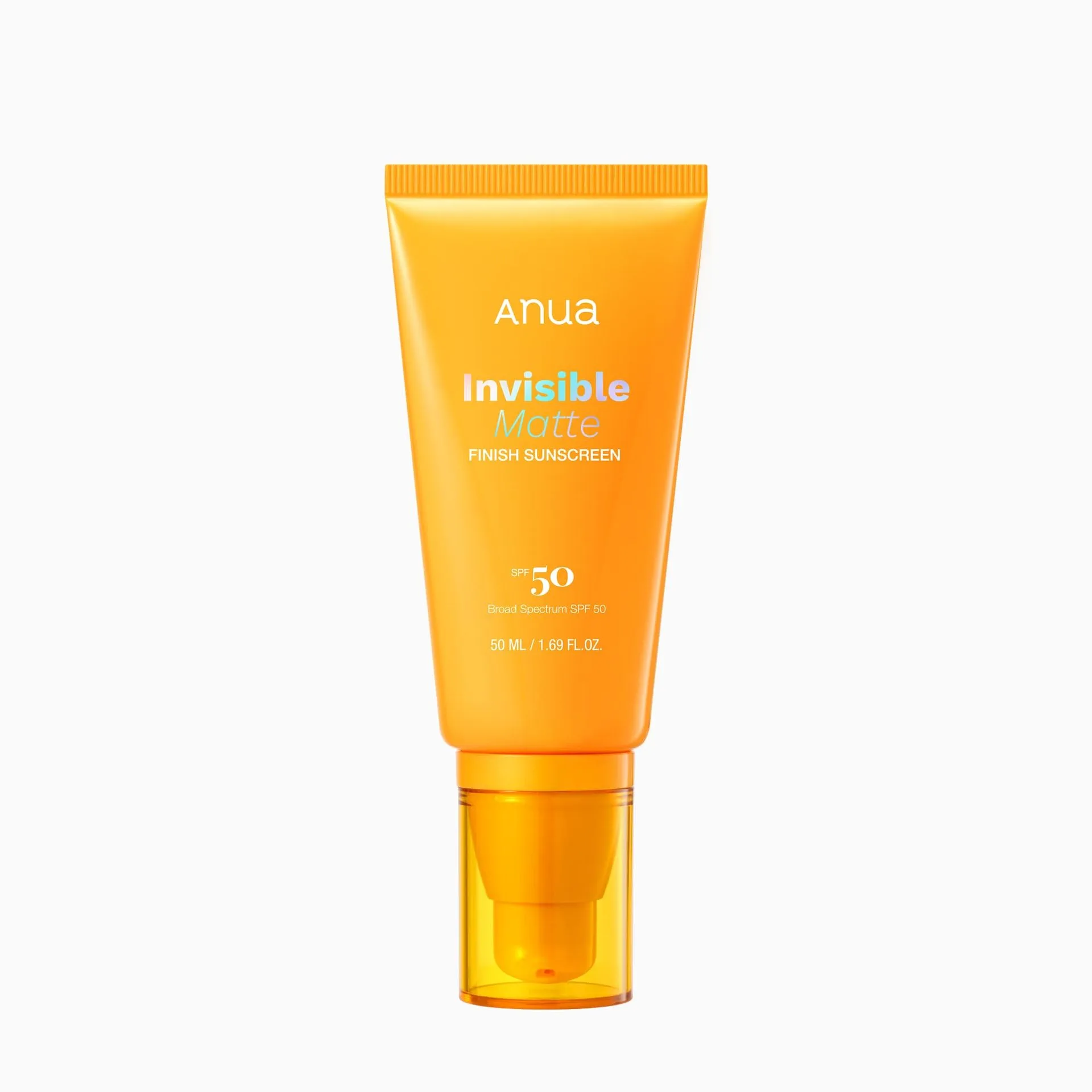
Invisible Matte Finish Sunscreen
For nighttime use, apply a nourishing cream afterward to seal in the benefits. The 3 Ceramide Panthenol Moisture Barrier Cream is a good choice because it reinforces the skin barrier while you sleep. Avoid layering too many serums on top of the patch — keep the routine simple to let the melting patch do its job.
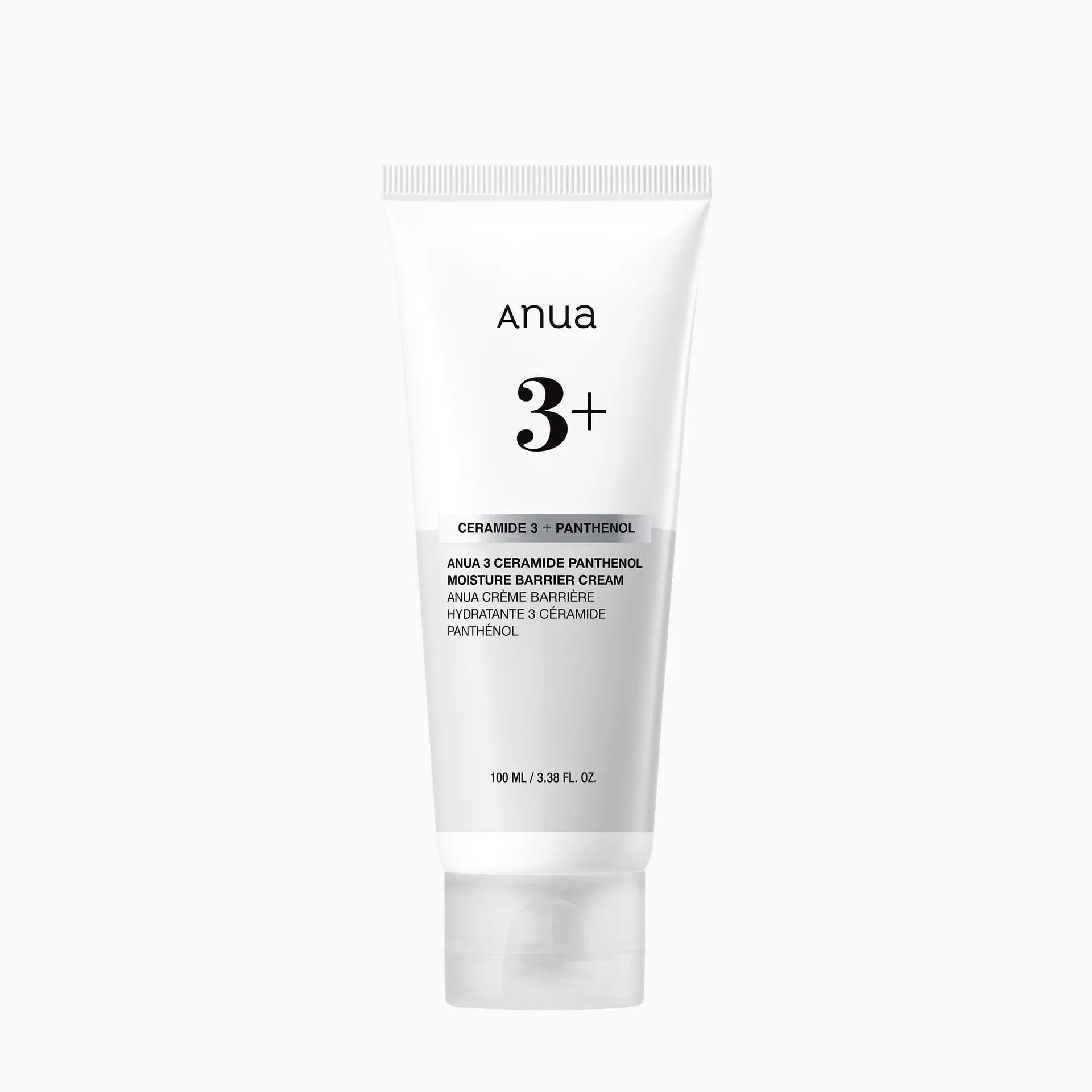
3 Ceramide Panthenol Moisture Barrier Cream
- Wait 2-3 minutes after massaging before applying moisturizer.
Using a PDRN collagen melting patch is straightforward once you know the steps: clean skin, proper placement, patience for dissolution, a gentle massage, and the right finish. With consistent use, you can achieve the plump, luminous glass-skin look that Korean skincare is famous for. Start with one patch a week, and adjust based on how your skin responds.