Quick answer
Start combing from the head and ears, work through the fur in small sections, and dip the comb in soapy water after each pass to trap fleas and eggs.
Why flea combing is a useful first step
Flea combs catch adult fleas, eggs, and dried flea dirt (digested blood) that you can see, giving you immediate feedback on the severity of an infestation. Unlike chemical treatments, combing works instantly and has no waiting period or side effects.
Combing alone rarely eliminates a heavy flea problem, but it reduces the adult population and lets you monitor progress between topical or oral treatments.
Choosing the right flea comb
A comb with fine, closely spaced teeth (around 30 teeth per inch) is essential because flea eggs are tiny and can slip through wider gaps. A wide plastic handle gives you better control when working through thick or long fur.
Step-by-step flea combing technique
- Prepare your supplies: Fill a shallow bowl with warm water and a drop of dish soap. Have a paper towel or old cloth nearby. Choose a well-lit area so you can see fleas and eggs. Soap breaks the surface tension so fleas sink and drown instead of jumping out.
- Start at the head and ears: Begin combing behind the ears and around the neck, where fleas often gather. Hold the comb at a 45-degree angle and pull through the fur in the direction of hair growth. After each stroke, dip the comb into the soapy water to remove any trapped fleas or eggs. Common mistake: combing against the grain can irritate the skin and push fleas deeper into the coat.
- Work in small sections down the body: Part the fur with your free hand and comb one small section at a time. Move methodically from the neck to the tail, then do the belly and legs last. Wipe the comb on a paper towel every few strokes to check for flea dirt (black specks that turn reddish when wet). Flea dirt confirms fleas are present even if you don't catch live ones.
- Check and clean the comb between passes: After each stroke, inspect the teeth for fleas, eggs, or debris. Dip the comb in the soapy water and use your thumb or a small brush to clear the teeth before the next pass. Skipping this step lets fleas jump back onto the pet.
- Finish with a full-body inspection: Once you have combed the entire body, go over the pet again with your fingers, especially around the tail base and inner thighs. Dispose of the soapy water down the drain and wash your hands. Repeat combing every 2–3 days during an active infestation to break the flea life cycle.
Product used in this guide
-
Pet Flea Comb for Dogs & Cats (Color Will Vary): This flea comb has 32 surgical steel teeth per inch with a wide plastic-back handle. The fine tooth spacing catches fleas and eggs even on short-haired pets, and the sturdy handle makes it easier to comb without hand fatigue.
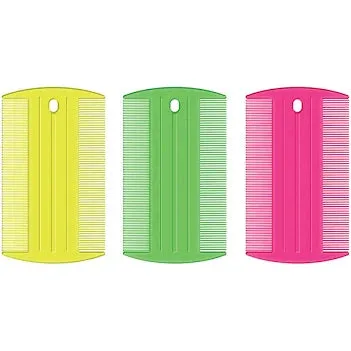
Pet Flea Comb for Dogs & Cats (Color Will Vary)