Tarot is a powerful tool for introspection and guidance, but you don't need a specialized deck to start. A standard deck of playing cards can be adapted for tarot readings, making divination accessible to everyone. Whether you're a seasoned card collector or a curious beginner, learning to use playing cards for tarot opens up a world of insight and creativity.
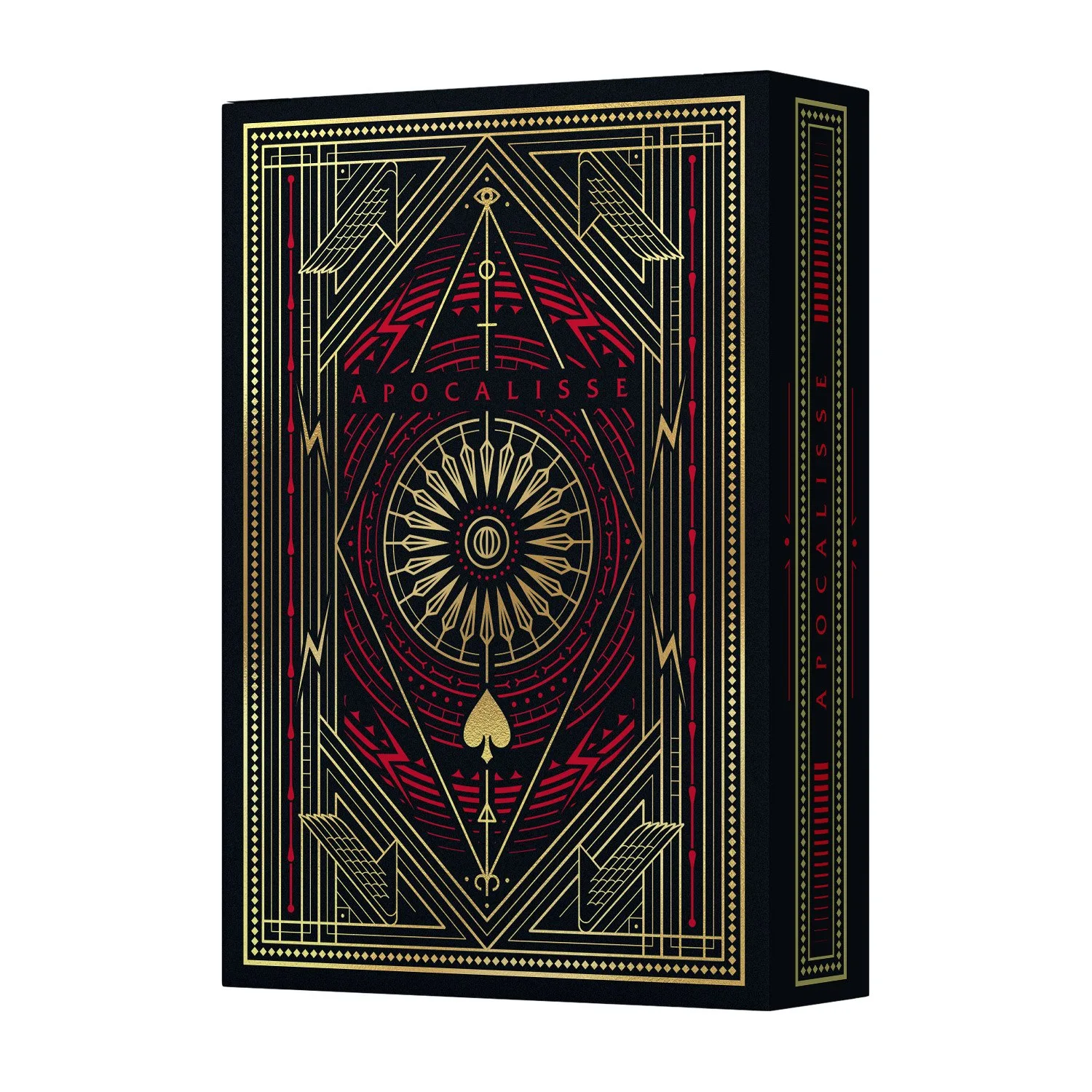
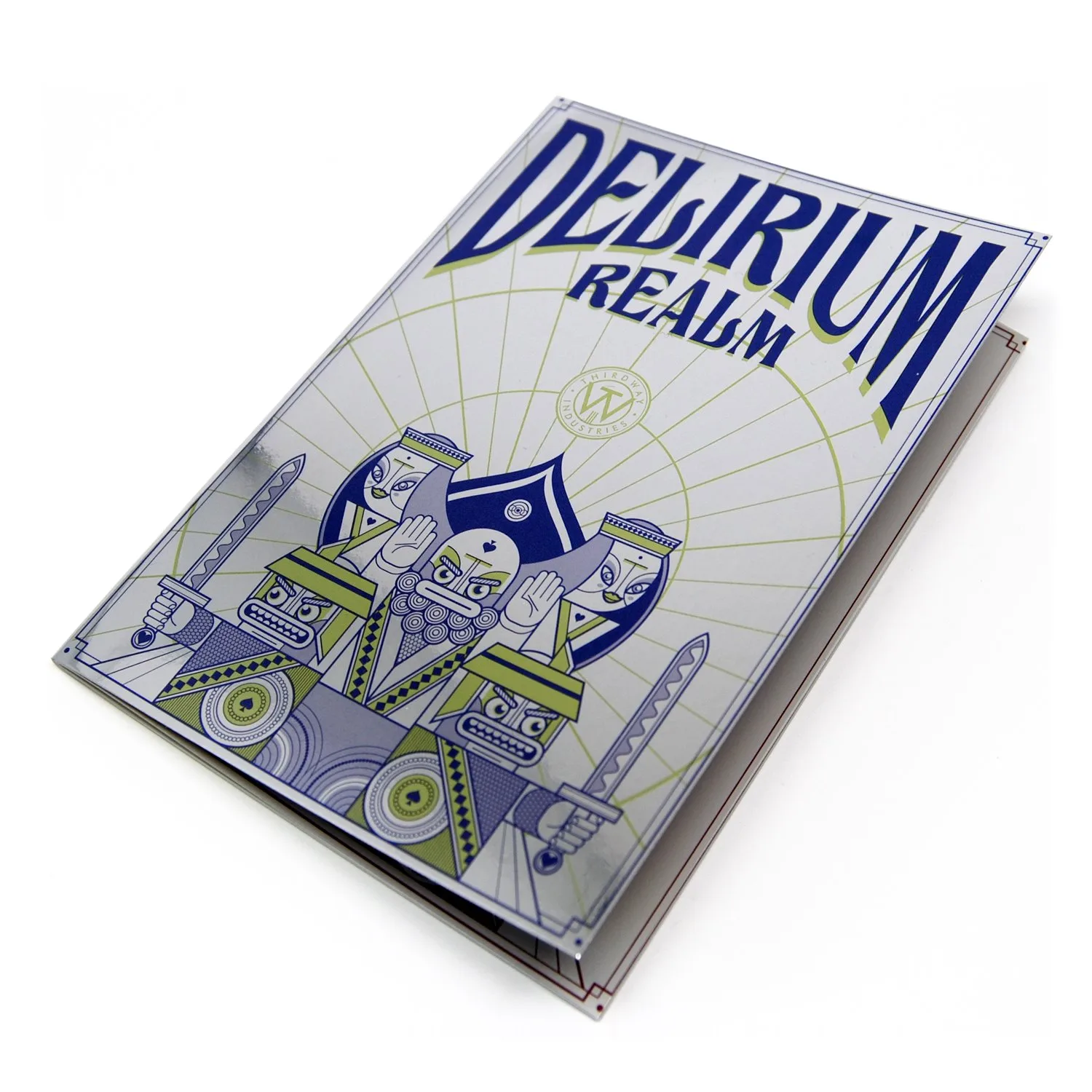
In this guide, we'll explore the basics of using playing cards for tarot, including how to assign meanings, choose spreads, and trust your intuition. We'll also touch on how decks like the Delirium Booklet or the apocalisse-wrath-of-god-1933515bf40cb4b92ab2bb07-581461">Wrath of God can enhance your practice if you decide to expand beyond standard cards.
Understanding the Basics: How Playing Cards Map to Tarot
The most common method is to correlate each suit of playing cards with a tarot suit. In traditional tarot, there are four suits: Wands, Cups, Swords, and Pentacles. Playing cards have Hearts, Diamonds, Clubs, and Spades. A simple mapping is: Hearts to Cups (emotions, relationships), Diamonds to Pentacles (material aspects, work, finances), Clubs to Wands (creativity, passion, action), and Spades to Swords (intellect, conflict, communication).
Each card number also holds significance. Aces represent beginnings, while numbers 2-10 carry progressive meanings. Court cards (Jack, Queen, King) correspond to the Page, Knight, Queen, and King in tarot. For example, the King of Hearts might embody a mature, emotionally balanced person, similar to the King of Cups. This mapping provides a solid foundation for your readings.
- Hearts = Cups: emotions, love, intuition
- Diamonds = Pentacles: money, career, physical world
- Clubs = Wands: energy, creativity, ambition
- Spades = Swords: thoughts, challenges, truth
Card Meanings for Playing Cards in Tarot
Once you have the suit mapping, you can assign specific meanings to each card. For instance, the Ace of Hearts might represent a new emotional beginning, while the 10 of Spades could indicate an ending or a difficult mental burden. The court cards can represent people in your life or aspects of your personality. The Jack often brings messages or opportunities, the Queen embodies nurturing and intuition, and the King stands for authority and mastery.
To help you remember, consider creating a cheat sheet or using a deck with artistic interpretations. Some playing card decks, like the Simple Royal Uncuts, feature beautiful designs that can stimulate your intuition. You might also enjoy the Domina Uncut for its unique aesthetic, which can add depth to your readings.
- Start with the number cards: 1-10 have progressive meanings.
- Court cards can represent people or personality traits.
- Trust your first impression of a card in a reading.
Simple Spreads for Beginners
You don't need complex spreads to start. The three-card spread is perfect for beginners: past, present, and future. Shuffle the deck while focusing on your question, then draw three cards. The first represents the past influences, the second the current situation, and the third the likely outcome if you continue on your current path.
Another easy spread is the one-card daily draw. Each morning, draw a single card to set the tone for the day. For example, drawing the 7 of Diamonds might highlight a day focused on financial decisions or practical matters. This practice builds your familiarity with card meanings and enhances your intuition.
- Three-card spread: past, present, future.
- One-card daily draw: quick insight for the day.
- Ask a clear question before shuffling.
Enhancing Your Practice with Themed Decks
While standard playing cards work perfectly, you might want to explore decks that blend playing cards with tarot symbolism. Thirdway Industries offers a range of unique decks that can elevate your divination practice. The Wrath of God deck, for instance, draws on apocalypse themes and can add a dramatic layer to your readings. Similarly, the Delirium Booklet provides insights into the Delirium realm, which could inspire your interpretations.
These themed decks often feature intricate artwork that sparks intuition and makes readings more personal. Whether you stick to a classic deck or venture into these artistic creations, the key is to connect with the cards and your inner voice.
- Themed decks can enhance visual symbolism.
- Choose a deck that resonates with you aesthetically.
- Use the booklet included with some decks for deeper meanings.
Tips for Intuitive Reading
Intuition is the heart of tarot. When you draw a card, notice your immediate feelings, images, or words that come to mind. Don't overthink the traditional meanings; let your gut guide you. Keep a journal of your readings to track patterns and develop your own interpretations.
Practice regularly. The more you read, the more confident you'll become. You can also try reading for friends or family, which helps you learn to articulate your insights. Remember, there's no right or wrong way – the cards are a mirror to your subconscious.
- Trust your first impression.
- Keep a tarot journal.
- Practice with a friend for feedback.
Using playing cards for tarot is a flexible and accessible way to explore divination. Whether you use a standard deck or a beautifully designed one like the Wrath of God, the most important thing is to connect with your intuition. So grab a deck, shuffle, and let the cards speak to you.