Quick answer
Use a plush musical toy as the last step of a consistent bedtime routine, not as a standalone sleep trainer. Wind it or start it after pajamas, feeding, and stories, place it near but not on your baby, and keep the same short song every night. As your child gets older, fade the music out before they are fully asleep so the plush becomes a comfort object rather than a crutch.
A plush musical toy can do two useful things at bedtime: it gives your child a predictable sound cue that sleep is coming, and it becomes a soft, familiar object they can hold when they wake in the night. The trick is how you introduce it. Used well, it supports a musical toy sleep routine without creating a new dependency. Used poorly, it becomes the thing your child needs you to restart at 2 a.m.
This guide walks through the order that works for most families, from picking the right moment in the routine to fading the music as your child's sleep skills mature. It also covers what to look for in the toy itself, including the practical differences between organic cotton plush, natural rubber rattles, and the smaller tag-along toys you might already own.
Why a plush musical toy fits bedtime better than a screen or a standalone sound machine
A plush musical toy combines two comfort tools in one: a soft object to hold and a short, repeating sound. That combination matters because babies and toddlers settle best when the same sequence happens in the same order every night. A screen adds light and stimulation, and a standalone sound machine stays in one spot, so it cannot travel to a crib, a grandparent's house, or a hotel room. A musical plush can do all three jobs: comfort object, sound cue, and portable soother.
The sound itself should be brief. A wind-up or short-loop lullaby that plays for one to three minutes is easier to fade later than a machine that runs for eight hours. If the toy plays continuously, your child may learn to need that sound all night rather than using it as a bridge into sleep. Short and repeatable is the goal.
- Choose a toy with a short, gentle song rather than a long continuous loop.
- Keep the volume low enough that you can barely hear it from the doorway.
- Avoid toys with flashing lights at bedtime; they wake the brain instead of settling it.
Step 1: Pick the right moment in the routine
Place the musical toy at the end of the routine, after the bath, feeding, and story. If you introduce it too early, your child may treat it as playtime and get a second wind. The music should be the last thing they hear before the lights go down, so their brain links that specific song with sleep.
A common mistake is starting the music while your child is already fussy or overtired. At that point, no song will calm them, and you may blame the toy. Start the routine ten to fifteen minutes before your child's usual meltdown window so the music lands on a calm, drowsy baby.
- Checkpoint: the music should begin when your child is drowsy but still awake.
- If your child is already crying, soothe first, then start the toy.
Step 2: Choose a plush that matches your child's age and grip
For newborns and young babies, a small, lightweight plush with an easy-to-grip shape works best because they cannot yet reach for a larger toy. Tikiri's Classic Baby Bear Organic Plush is made from 100% organic cotton, is certified non-toxic, and is 11.8 inches tall, which is small enough for little hands to hold but still soft for snuggles. It is recommended for ages 0+ months, so it can be part of the routine from the beginning.
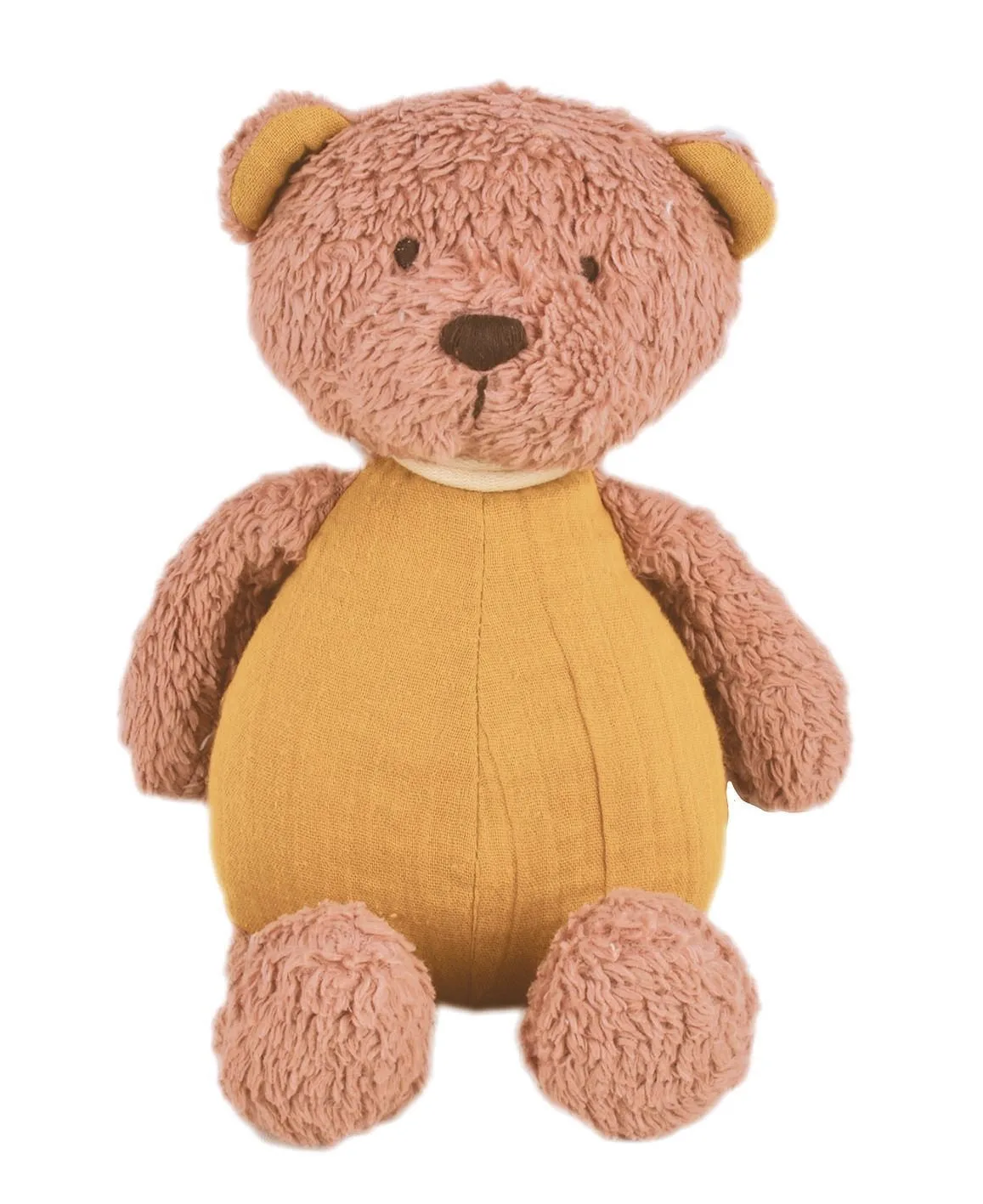
Classic Baby Bear Organic Plush
For toddlers who want to carry the toy around, a slightly larger plush with a loyal, character-like feel may hold their attention longer. Fabelab Brand Buddy Bear is 11 inches tall, made from 100% organic cotton with a filling of 70% corn fiber and 30% recycled polyester, and is described as huggable and protective. That kind of character story helps a toddler bond with the toy, which is what makes it useful at 3 a.m.
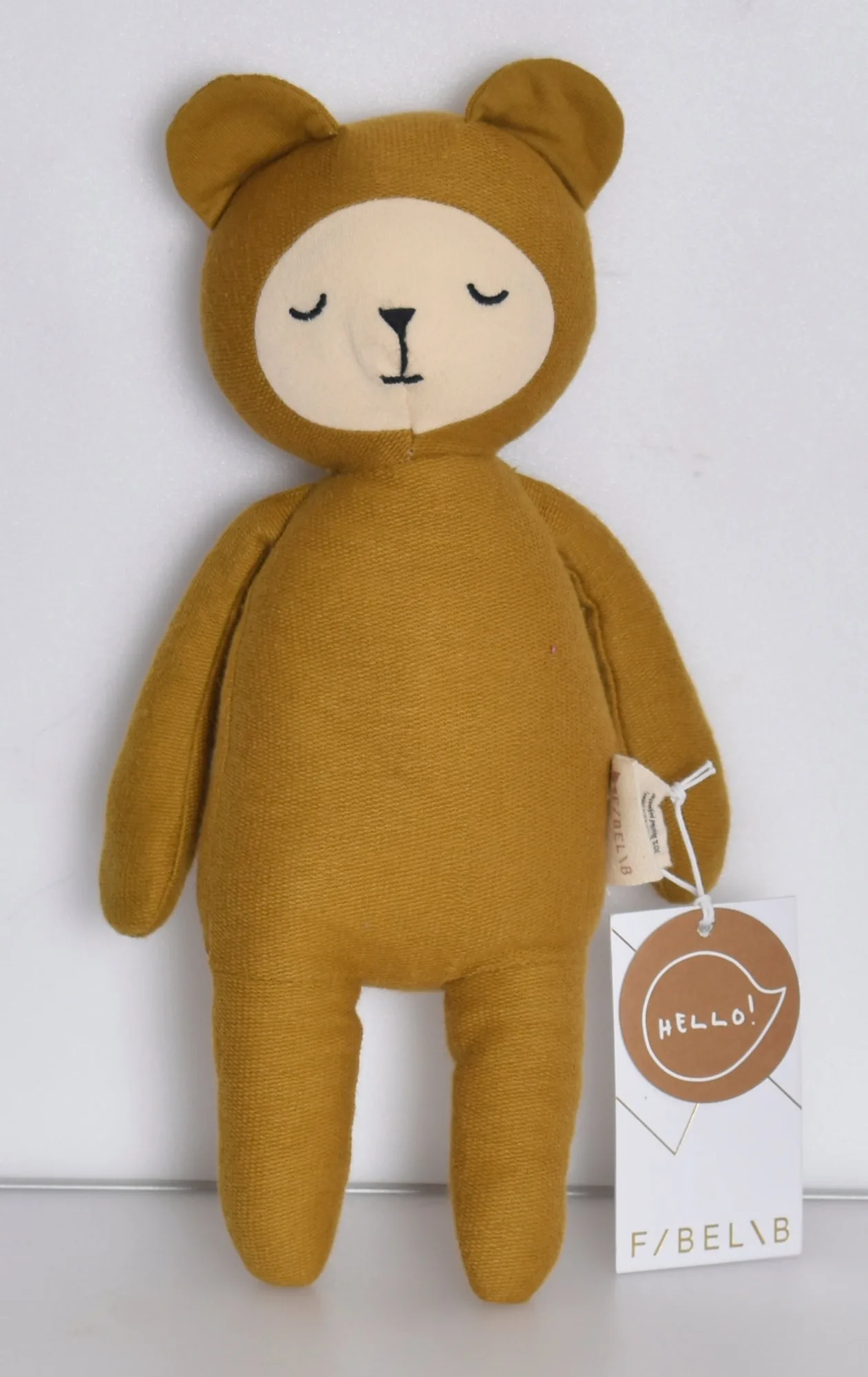
Fabelab Brand Buddy Bear
- Checkpoint: your child should be able to hold the plush without your help.
- If the plush is too heavy or too large, it becomes a hazard or a frustration, not a comfort.
Step 3: Introduce the toy during the day first
Before the toy becomes a sleep cue, let your child play with it in daylight. Put it in the stroller, let them hug it during story time, and press the music button together so the sound is familiar and not startling. A toy that only appears at bedtime can feel strange rather than soothing.
A common mistake is keeping the musical plush exclusively in the crib. If the only time your child sees it is when they are being put down, they may resist it. A few daytime introductions make the bedtime version feel like an old friend.
- Checkpoint: your child reaches for the toy or smiles when they hear the song.
- If they seem indifferent, keep it in the play area for another day or two.
Step 4: Set a consistent placement and volume
Where the toy sits matters. For babies under one, place the musical plush near the crib or on a nearby surface, not inside the sleep space, and follow safe-sleep guidance for your child's age. For toddlers, the plush can go in the bed once they are old enough to move it away from their face. The goal is for your child to hear the music clearly without the toy becoming a suffocation risk.
Keep the volume at the lowest setting that your child can still hear. A toy that is too loud can startle a drowsy baby awake, and repeated loud music near the crib is not good for developing ears. If the toy has no volume control, test it from the doorway before you commit to it as part of the routine.
- Checkpoint: you can hear the song faintly from the door but not from the next room.
- Never place a plush toy inside a crib with a baby who cannot roll or move it independently.
Step 5: Wind or start the music once, then stop
Play the song one time through, then let it end. Do not restart it if your child is still awake. The silence that follows is part of the lesson: the music signals that sleep is next, and your child learns to drift off without it. If you keep restarting the song, you become the mechanism, and your child will call for you to wind it again.
If your child protests when the music stops, stay nearby and pat the mattress or shush gently, but do not restart the toy. A few nights of this usually teaches the sequence. If the protest is intense, you can play the song twice for a week, then reduce to once.
- Checkpoint: the song ends while your child is still awake.
- If you find yourself winding the toy more than twice, the routine needs adjusting, not the toy.
Step 6: Use the plush as a wake-up comfort object
The musical plush earns its keep when your child wakes in the night. Because they already associate it with sleep, they can reach for it, hug it, and sometimes resettle without your help. Keep the toy in the same spot in the crib so they can find it in the dark. For toddlers, a quick reminder like 'find your bear' is often enough.
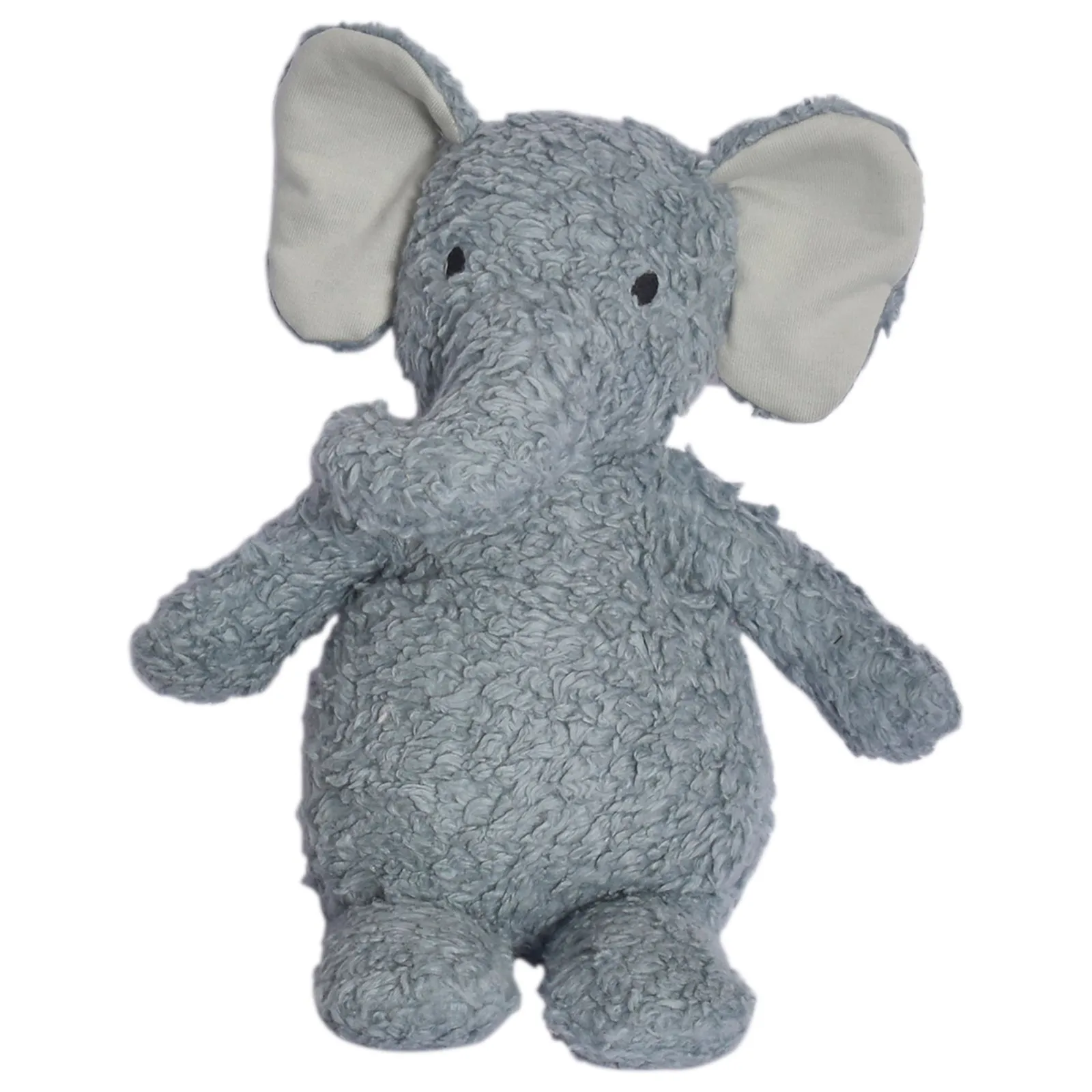
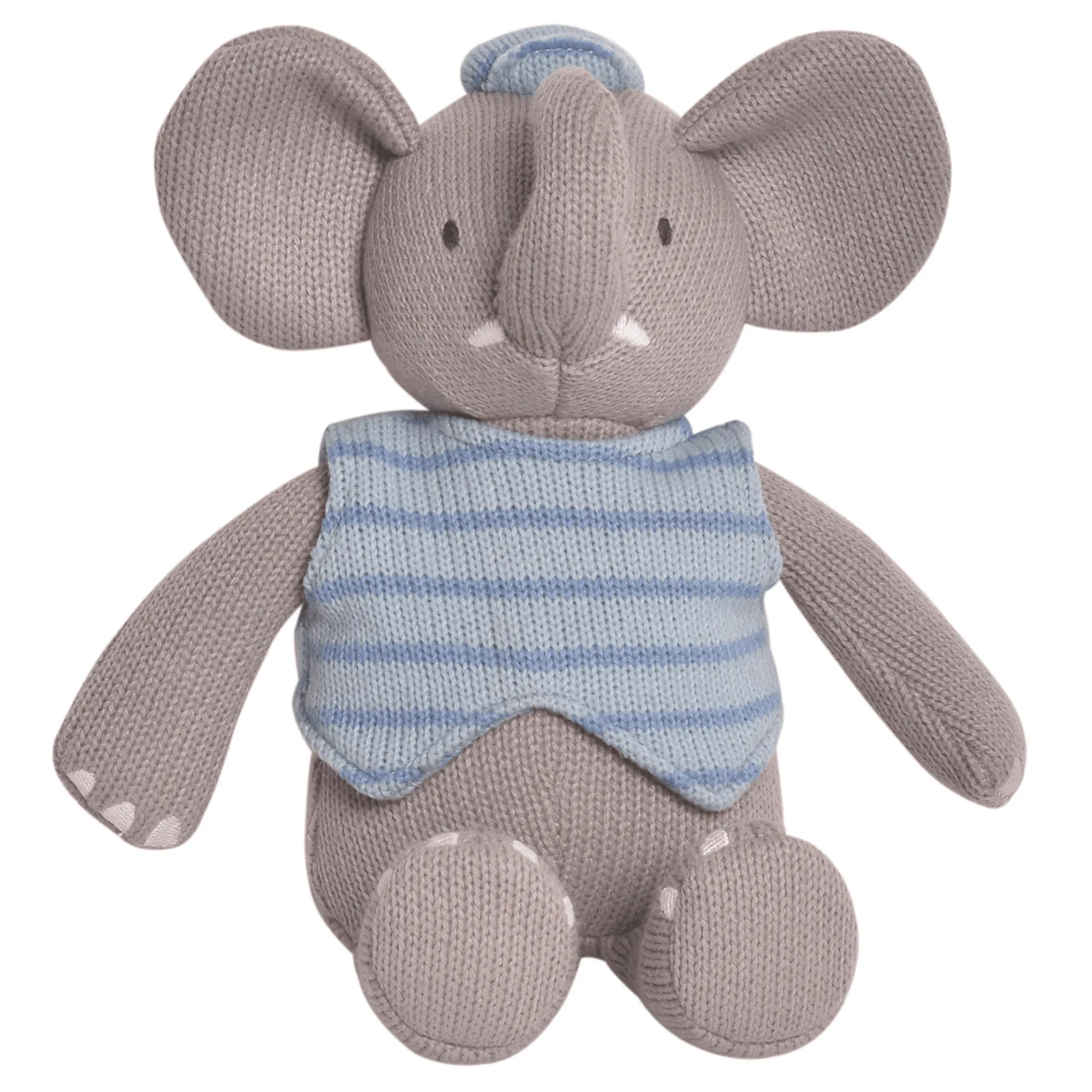
A common mistake is removing the toy during the night to clean it or because you think it is in the way. Consistency matters more than tidiness. If the toy needs cleaning, do it during the day and return it before nap or bedtime. Munequitas Brand Organic Elephant Plush is 12 inches, made from soft organic fabric with embroidered eyes and nose, and is recommended for ages 0+ months, so it can be wiped clean with soapy water and a damp cloth for light cleaning, which makes it a practical overnight companion.
- Checkpoint: your child can find the toy without your help.
- If the toy gets lost in the bedding, attach it to a safe clip or keep it in a corner of the crib.
Step 7: Fade the music as sleep skills grow
Around six to twelve months, many families start fading the music. Play it every other night, then only on difficult nights, then keep the plush but skip the song. The plush remains a comfort object, while the music becomes optional. This prevents a situation where your child needs a specific song to fall back asleep at every wake-up.
If your child is a toddler, you can make the fade part of the routine: 'We'll play the song one time, then Bear will keep you company.' That gives them a clear expectation and keeps the plush in the comfort role. If sleep is still hard after several weeks of consistent use, talk to your pediatrician; a toy is a tool, not a treatment for sleep issues.
- Checkpoint: your child can settle with the plush but without the music.
- If the music is still required after age two, fade more gradually rather than removing it abruptly.
Bedtime routine steps at a glance
- Time it right: Start the musical plush at the end of the routine, when your child is drowsy but awake. Checkpoint: music begins before the meltdown, not during it.
- Match the plush to your child: Choose a lightweight, easy-to-grip plush for babies and a slightly larger character plush for toddlers. Checkpoint: your child can hold it without help.
- Introduce it in daylight: Let your child play with the toy during the day so the sound and texture are familiar before bedtime. Checkpoint: they reach for it or smile when they hear the song.
- Set placement and volume: Keep the toy near but not inside the sleep space for babies, and set the volume low. Checkpoint: you can barely hear it from the doorway.
- Play once, then stop: Let the song finish and do not restart it, even if your child is still awake. Checkpoint: the song ends before sleep begins.
- Use it for night wakings: Keep the plush in the same spot so your child can find it and resettle independently. Checkpoint: they can locate the toy without your help.
- Fade the music over time: Reduce the song to every other night, then only on hard nights, keeping the plush as a comfort object. Checkpoint: your child can settle with the plush but without the music.
Plush options that work well in a bedtime routine
- Classic Baby Bear Organic Plush: Made from 100% organic cotton, certified non-toxic, 11.8 inches tall, recommended for ages 0+ months. The easy-to-grip shape and safe materials make it a good first bedtime plush for newborns and young babies.
- Fabelab Brand Buddy Bear: 100% organic cotton with a filling of 70% corn fiber and 30% recycled polyester, 11 inches tall, handmade in Sri Lanka. The huggable size and character story help toddlers bond with the toy, which makes it more effective as a night-time comfort object.
- Munequitas Brand Organic Elephant Plush: Soft organic fabric, embroidered eyes and nose, 12 inches, recommended for ages 0+ months, surface-clean with soapy water and a damp cloth. Embroidered features and easy surface cleaning make it a practical choice for a toy that stays in the crib and needs frequent freshening.
A plush musical toy works best as the last, predictable step of a bedtime routine, not as a sleep trainer. Keep the song short, the volume low, and the plush consistent, then fade the music as your child's sleep skills grow. If you are choosing a first bedtime plush, start with a small organic cotton option like Classic Baby Bear Organic Plush and let the routine do the rest.