Quick answer
Take potassium iodide only when public health officials or emergency management tell you to, and take it as close to the start of radioactive iodine exposure as possible. Swallow the tablet with water at the dose officials specify for your age group, and do not take extra doses or repeat doses on your own. If you have thyroid disease, a thyroid disorder, or an iodine allergy, check with a medical professional before taking it.
Why timing decides whether KI works
Potassium iodide works by filling your thyroid with stable iodine so it cannot absorb radioactive iodine. That window is narrow. Taken shortly before or shortly after exposure, it can block uptake; taken hours or days later, it does little to protect the thyroid. This is why potassium iodide tablets belong in a nuclear emergency kit alongside a battery radio or phone alerts, so you can act on official instructions the moment they come.
The tablets are not a general radiation shield. They only address radioactive iodine, one specific hazard in a nuclear incident. They do not protect against other radioactive materials, and they are not a substitute for sheltering, evacuation, or avoiding contaminated food and water.
Who should and should not take KI
Age and medical history change the decision. Public health guidance generally prioritizes younger people because the thyroid is more vulnerable earlier in life, while adults over 40 often face a higher risk of thyroid side effects than benefit from the tablet. Pregnant and breastfeeding women need specific medical direction because the dose and timing affect both mother and infant.
People with known iodine sensitivity, thyroid disease, or certain skin conditions should not assume the tablet is safe for them. If you keep potassium iodide in your radiation emergency prep supplies, note these conditions on your kit card so you or a family member can raise them quickly with a clinician or emergency responder.
Storing and rotating KI in your nuclear emergency kit
Potassium iodide tablets are a long-storage item, but they still need a home that stays cool, dry, and out of direct sunlight. Keep them in the original packaging with the expiration date visible, and check that date during your regular emergency kit audit. If the product has a manufacturer expiration date, follow it rather than guessing.
Pair the tablets with written instructions, a current dose chart from your local health authority, and a way to receive official alerts. A tablet without instructions is easy to misuse under stress. If your kit already carries wound care supplies, keep KI in a separate labeled pouch so it is not confused with other medications.
Steps to take potassium iodide safely
- Wait for official instruction: Take potassium iodide only after public health officials, emergency management, or a licensed medical professional tells you to. Do not take it because you heard about a nuclear event on social media. Checkpoint: if you cannot name the agency or clinician who told you to take it, do not take it yet.
- Confirm the right dose for the person: Dose depends on age and, for some groups, pregnancy or breastfeeding status. Use the current dose chart from your local health authority rather than splitting tablets by eye or copying an adult dose for a child. Checkpoint: write the correct dose for each household member on a card inside the kit before an emergency happens.
- Take it as close to exposure as possible: Swallow the tablet with water. The protective effect is strongest when KI is taken shortly before or shortly after radioactive iodine exposure, so do not delay once officials direct you to take it. Checkpoint: if hours or days have passed, still follow official guidance, but understand the protective window has largely closed.
- Do not double up or repeat on your own: Take only the dose officials specify. Do not take a second tablet because you are unsure whether the first one worked, and do not continue daily unless authorities instruct you to. Checkpoint: more is not better here; extra iodine raises the risk of thyroid and allergic side effects.
- Watch for a reaction and report it: Seek medical help if you notice swelling of the face, lips, or throat, a rash, or difficulty breathing after taking KI. Tell the clinician what you took, when, and how much. Checkpoint: keep the product packaging with you so the responder can read the exact product and dose.
- Keep sheltering and following other instructions: KI protects only the thyroid from radioactive iodine. Continue sheltering, avoiding contaminated food and water, and following evacuation or stay-put orders until officials say otherwise. Checkpoint: KI is one layer of radiation emergency prep, not the whole plan.
Product facts
- Ready Hour Potassium Iodide Anti-Radiation Tablets: Ready Hour Potassium Iodide Anti-Radiation Tablets are described as saturating the thyroid with good iodine to block absorption of harmful radioactive iodine when taken before or shortly after radiation exposure. This matches the narrow timing window that makes KI useful, so store it where you can reach it immediately after an official alert.
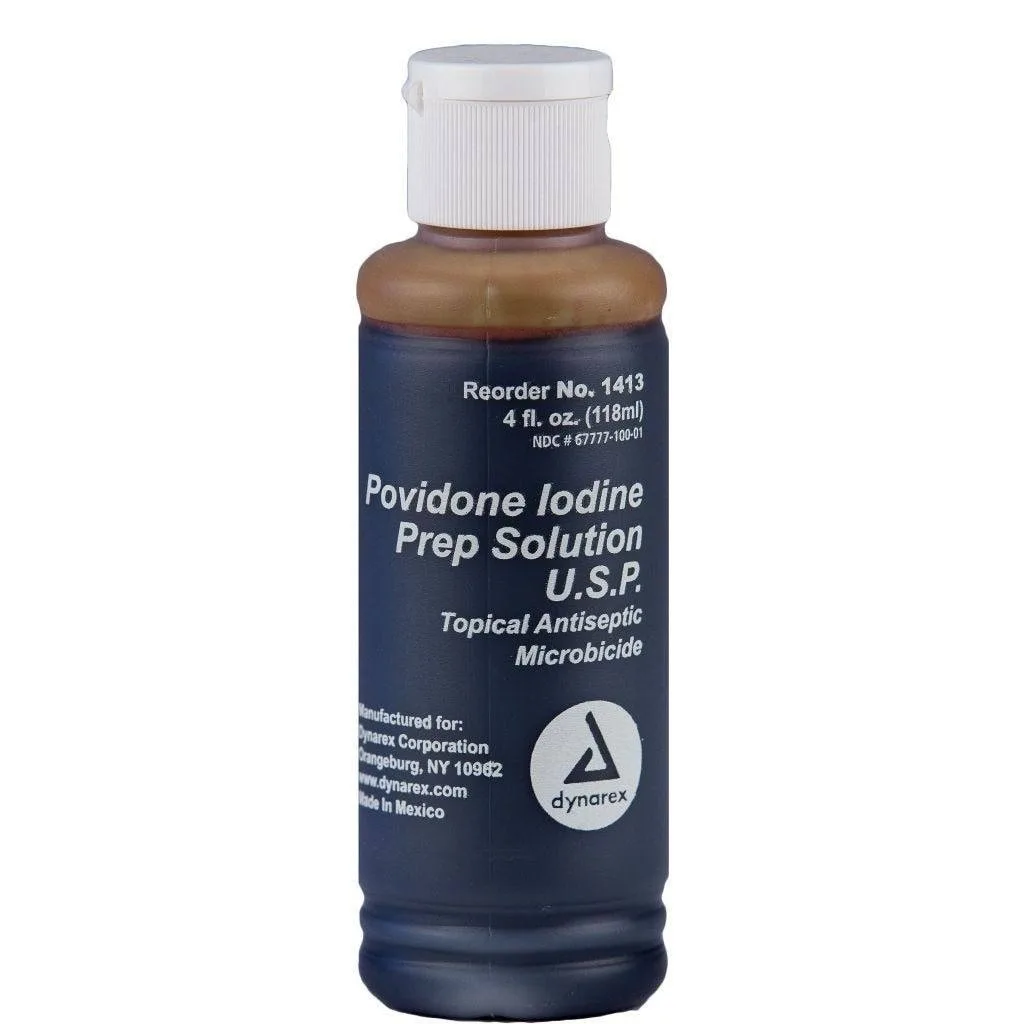
- Povidone Iodine Prep Solution: Povidone Iodine Prep Solution is an antiseptic for skin and mucosa, surgical site preparation, venipuncture, and care of abrasions, lacerations, and minor burns. It is a topical antiseptic, not an oral thyroid-blocking tablet, so do not substitute it for potassium iodide during a radiation emergency.
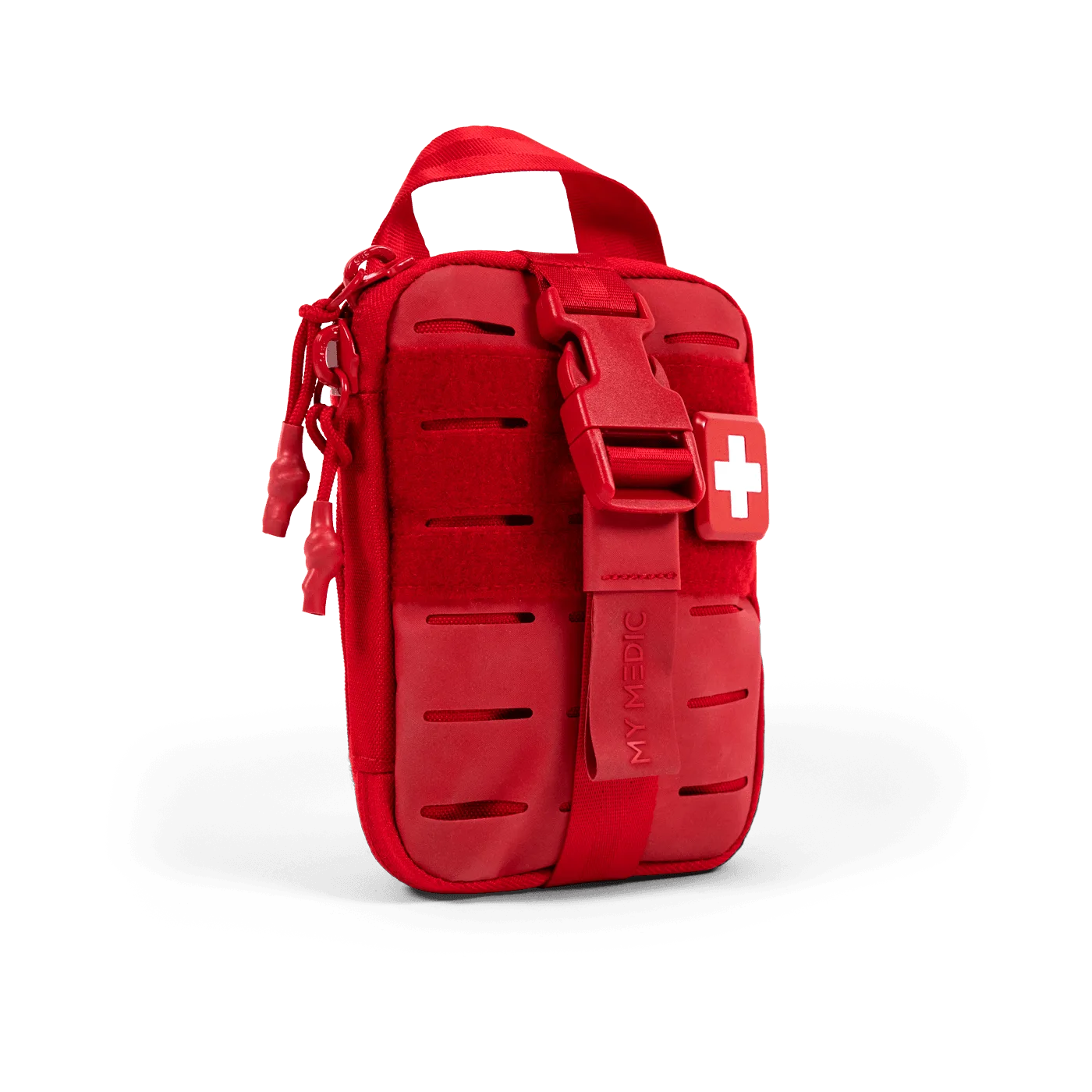
- Mini Gauze | MOD: Mini Gauze | MOD is a refill assortment of gauze pads and rolls sized for the My Medic first aid kit system. If you build a combined emergency kit, keep gauze refills in the wound care section and KI in a clearly separate medication pouch.