Quick Answer
To support a healthy gut, combine a high-CFU probiotic with a quality colostrum supplement. Start with a probiotic like Probiotic Advanced Gut Health Formula and add colostrum gradually, taking them at different times to maximize absorption. Consistency is key, and you should monitor your body's response to adjust timing and dosage.
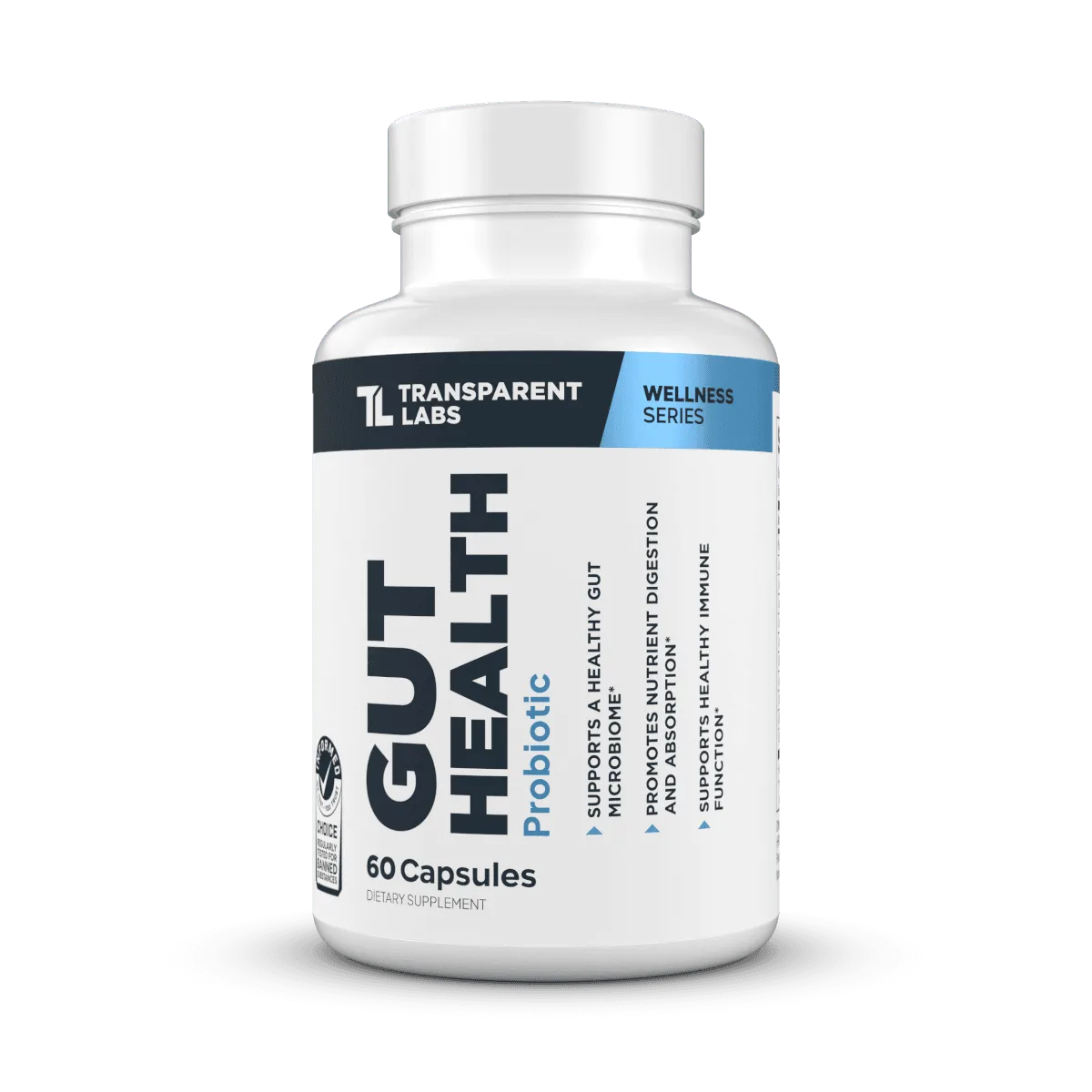
Probiotic Advanced Gut Health Formula
Your gut is home to trillions of microorganisms that influence digestion, immunity, and even mood. Maintaining a balanced gut flora is essential for overall well-being, and two supplements that have gained attention for their gut-supporting benefits are probiotics and colostrum. While they work differently, they can complement each other to promote a healthy digestive system.
Probiotics introduce beneficial bacteria to your gut, while colostrum provides antibodies and growth factors that support the intestinal lining. Used together, they can help restore balance, improve nutrient absorption, and strengthen your immune defenses. In this guide, we'll walk you through a step-by-step approach to incorporating these supplements into your daily routine.
growth
Understanding Probiotics and Colostrum
Probiotics are live microorganisms that, when consumed in adequate amounts, confer health benefits by improving or restoring gut flora. They are found in fermented foods and supplements, with strains like Lactobacillus and Bifidobacterium being the most studied. A high-quality probiotic supplement can deliver billions of colony-forming units (CFUs) to help maintain a healthy balance of bacteria in your digestive tract.
Colostrum, on the other hand, is the first milk produced by mammals after giving birth. It is rich in antibodies, immunoglobulins, and growth factors that support immune function and gut integrity. For adults, bovine colostrum supplements are popular for their potential to repair the intestinal lining, reduce inflammation, and enhance nutrient absorption. While probiotics add beneficial bacteria, colostrum helps create an environment where those bacteria can thrive.
- Probiotics are beneficial bacteria that help maintain gut flora balance.
- Colostrum provides immune and growth factors that support the gut lining.
- Together, they can offer synergistic benefits for digestive health.
Step-by-Step Guide to Using Probiotics and Colostrum
Start by choosing a high-quality probiotic supplement. Look for a product that lists specific strains and a high CFU count. For example, Transparent Labs Probiotic Advanced Gut Health Formula offers 100 billion CFUs per serving with 10 clinically studied strains. This ensures you're getting a potent dose to support your gut flora.
Next, select a colostrum supplement that is sourced from grass-fed cows and processed gently to preserve its bioactive components. While we don't have a specific colostrum product in our current lineup, you can find reputable options from trusted brands. If you're looking for a comprehensive gut health approach, consider combining a probiotic with a synbiotic that includes prebiotics and postbiotics for added support.
- Choose a probiotic with at least 50 billion CFUs and multiple strains.
- Opt for colostrum from grass-fed sources with minimal processing.
- Consider a synbiotic for a triple-action approach.
When to Take Them: Timing and Sequence
Timing can impact how well your body absorbs and utilizes these supplements. Probiotics are generally best taken on an empty stomach or with a light meal, as stomach acid can reduce their viability. Taking them in the morning or before bed can be effective. Colostrum, on the other hand, is often taken on an empty stomach to maximize absorption of its antibodies and growth factors. You can take them at different times of the day to avoid any potential interaction.
For example, you might take your probiotic in the morning and colostrum in the evening, or vice versa. Some people prefer to take them together with a meal, but separating them can reduce the chance of digestive upset. Listen to your body and adjust based on how you feel. Consistency is more important than exact timing, so aim to take them at the same times each day.
- Take probiotics on an empty stomach or with a light meal.
- Take colostrum on an empty stomach for best absorption.
- Separate doses by at least a few hours if needed.
Dosage and Adjustments
Start with the recommended dosage on the product label. For probiotics, this is typically one serving per day, but some products may recommend more. For colostrum, typical doses range from 500 mg to 3 grams per day. Begin with a lower dose and gradually increase over a week to allow your gut to adjust. This can help minimize digestive discomfort like bloating or gas.
Monitor how you feel after a week. If you experience persistent discomfort, reduce the dose or take them with food. If you notice improvements in digestion, energy, or immunity, continue with the routine. It's also important to stay hydrated and maintain a balanced diet rich in fiber to support the growth of beneficial bacteria.
- Start with the lowest recommended dose and increase gradually.
- Keep a journal to track digestive changes.
- Consult a healthcare professional if you have underlying conditions.
Common Mistakes to Avoid
One common mistake is taking probiotics with hot beverages or immediately after a meal, which can reduce their effectiveness. Another is expecting immediate results—it can take weeks to notice changes in gut health. Additionally, some people forget to check the expiration date or storage instructions; probiotics are living organisms and need proper storage to remain viable.
When using colostrum, avoid taking it with dairy if you're lactose intolerant, as it may contain trace amounts of lactose. Also, don't exceed the recommended dose, as more isn't necessarily better. Finally, don't neglect the importance of a healthy diet and lifestyle; supplements work best when combined with a balanced diet, regular exercise, and adequate sleep.
- Don't take probiotics with hot drinks or right after a heavy meal.
- Be patient; gut health improvements take time.
- Check storage instructions to ensure product viability.
Step-by-Step Routine
- Step 1: Choose Your Supplements: Select a high-quality probiotic with at least 50 billion CFUs and multiple strains. Consider a synbiotic for added prebiotics and postbiotics. For colostrum, choose a trusted brand from grass-fed sources. Check the label for specific strains and CFU count.
- Step 2: Determine Your Timing: Decide when to take each supplement. Probiotics are often best on an empty stomach in the morning or before bed. Colostrum can be taken on an empty stomach, possibly in the morning or between meals. Separate doses by at least 2 hours if you experience any discomfort.
- Step 3: Start with a Low Dose: Begin with the lowest recommended dose and gradually increase over a week. This allows your gut to adjust and minimizes bloating or gas. Monitor your body's response and adjust as needed.
- Step 4: Stay Consistent: Take your supplements at the same time each day to build a routine. Consistency is key for long-term gut health benefits. Set a reminder on your phone or associate with a daily habit.
- Step 5: Evaluate and Adjust: After 2-4 weeks, assess your digestion, energy, and immunity. If you notice improvements, continue. If not, consider adjusting timing or dosage, or consult a healthcare professional. Keep a journal to track changes.
Product Facts
- Probiotic Advanced Gut Health Formula: This probiotic features an ultra-potent 100 billion CFUs dose per serving and is engineered with 10 clinically studied strains of Lactobacilli, Bifidobacteria, and Streptococci. A high CFU count and diverse strains help ensure a robust dose of beneficial bacteria to support a balanced gut flora.
- Synbiotic 3-in-1 for Gut & Immune Health: This 3-in-1 formula combines probiotics, prebiotics, and postbiotics to promote gut health and immune function in a pill form. Prebiotics feed the good bacteria, and postbiotics provide additional benefits, making this a comprehensive option for those seeking a multi-pronged approach.
Incorporating probiotics and colostrum into your daily routine can significantly support your gut health and overall well-being. By following these steps and avoiding common mistakes, you can maximize the benefits. For a high-quality probiotic, check out the Probiotic Advanced Gut Health Formula, which offers 100 billion CFUs and 10 clinically studied strains. Remember, consistency and a healthy lifestyle are essential for lasting results.