Quick answer
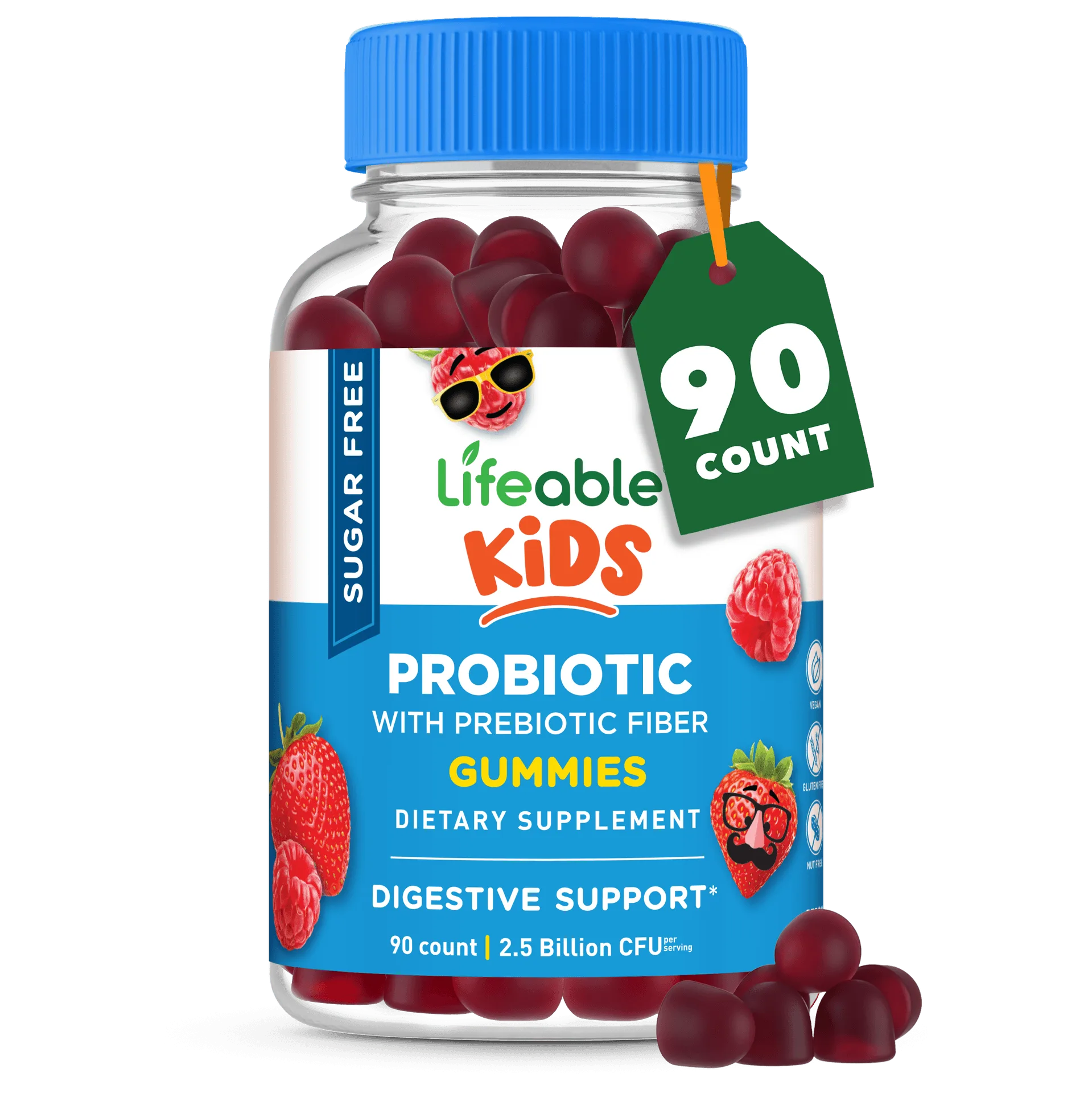
Start with a sugar-free probiotic that also includes prebiotic fiber, give it consistently at the same time each day, and check the label for a kid-friendly strain and CFU count. For many families, a raspberry-flavored gummy like Lifeable Sugar Free Probiotics with Prebiotics Fiber for Kids makes the routine easier to stick with.
Why pair prebiotics with probiotics for kids
Probiotics are live beneficial bacteria, while prebiotics are fibers that feed those bacteria in the gut. Together they can support a balanced gut environment, which is important for digestive comfort and overall immune function. For children, a combined product can simplify the routine because you are delivering both in one serving. Look for a product that clearly states it contains both, like Lifeable Sugar Free Probiotics with Prebiotics Fiber for Kids, which lists prebiotic fiber alongside probiotics.
Check the sugar content and sweeteners
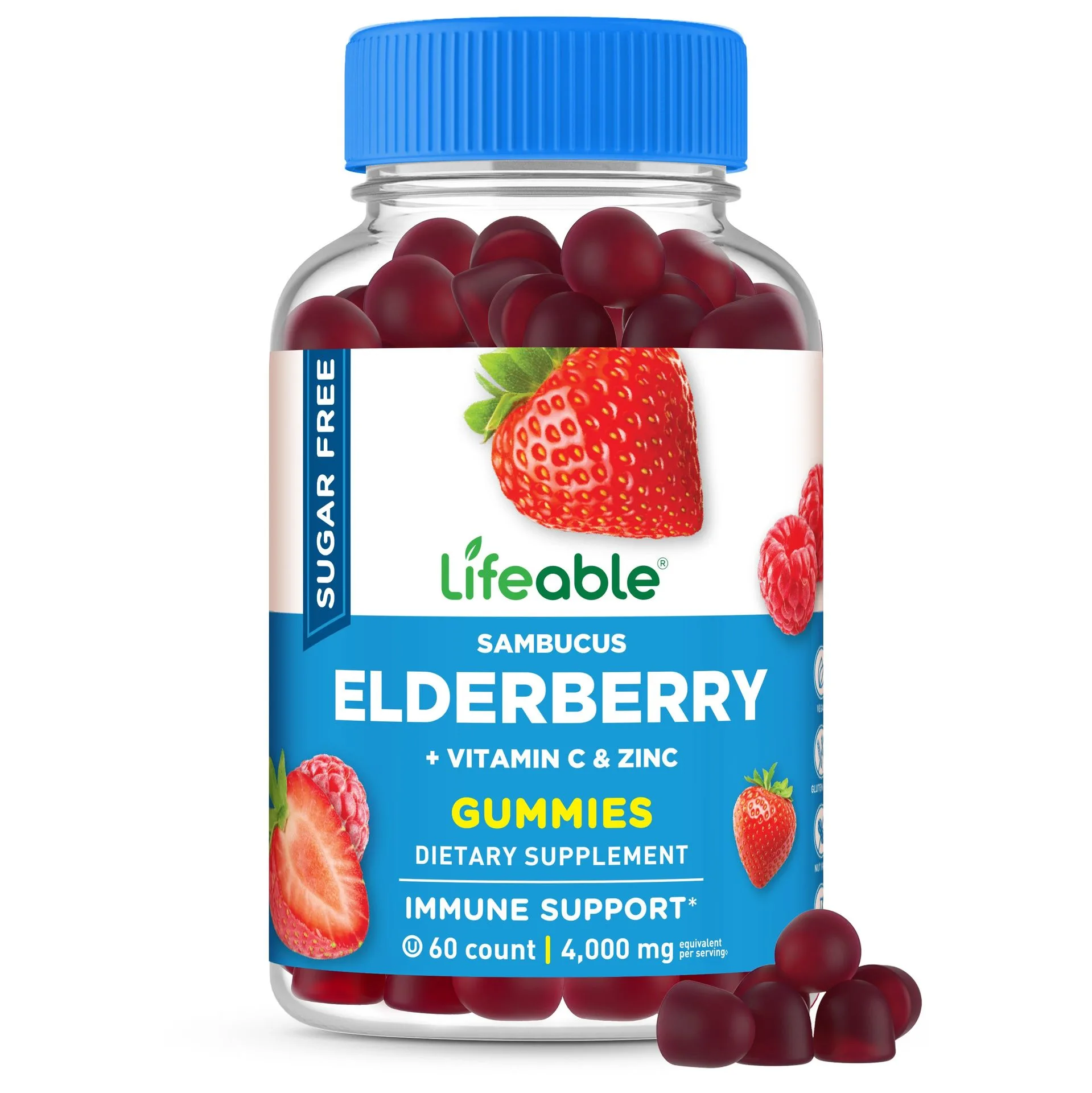
Many children's gummies rely on sugar or syrups for flavor, which can undermine the goal of a health-focused supplement. Sugar-free options use alternative sweeteners, but not all are equal. Read the nutrition panel to confirm the product is truly sugar-free and note which sweetener is used. If your child has a sensitive stomach, introduce any new sweetener slowly. A product like Lifeable Sugar Free Elderberry Gummies is another sugar-free option, though it focuses on immune support rather than gut health.
Look for kid-specific strains and CFU counts
Not all probiotics are studied in children, so choose a product formulated for kids. The label should list the bacterial strains and the colony-forming units (CFUs) at the end of shelf life, not just at manufacture. Common kid-friendly strains include Lactobacillus and Bifidobacterium species. If the CFU count is not stated for the end of shelf life, that is a transparency gap worth noting.
How to start a sugar-free probiotic routine
- Read the supplement facts panel: Check that the product is labeled sugar-free, lists prebiotic fiber if you want a combo, and states the CFU count at end of shelf life. Common mistake: assuming 'no added sugar' means sugar-free; check total sugars and sugar alcohols. Checkpoint: the label should clearly say sugar-free and list prebiotic fiber if included.
- Choose a kid-friendly strain and form: Select a product with strains studied in children and a format your child will accept, such as a gummy. Common mistake: buying an adult probiotic and halving the dose without guidance. Checkpoint: the label should indicate it is formulated for kids.
- Set a consistent daily time: Give the probiotic at the same time each day, ideally with a meal or as directed on the label. Common mistake: skipping days and expecting immediate results. Checkpoint: use a reminder or pair it with an existing routine like breakfast.
- Introduce slowly and watch for changes: Start with the recommended dose and note any changes in digestion or comfort. Common mistake: increasing the dose too quickly if you do not see immediate results. Checkpoint: if discomfort occurs, pause and consult your pediatrician.
- Store properly and check expiry: Follow storage instructions on the label, and do not use expired products. Common mistake: storing gummies in a hot car or humid bathroom. Checkpoint: keep the bottle cool and dry, and note the expiration date.
Product facts
- Lifeable Sugar Free Probiotics with Prebiotics Fiber for Kids 90 Gummies: Sugar Free Probiotics with Prebiotics Fiber for Kids 90 Gummies is a raspberry-flavored gummy that supports healthy digestion and immune function by helping balance gut-friendly bacteria. Combines probiotics and prebiotic fiber in one kid-friendly gummy, making daily digestive support simpler.
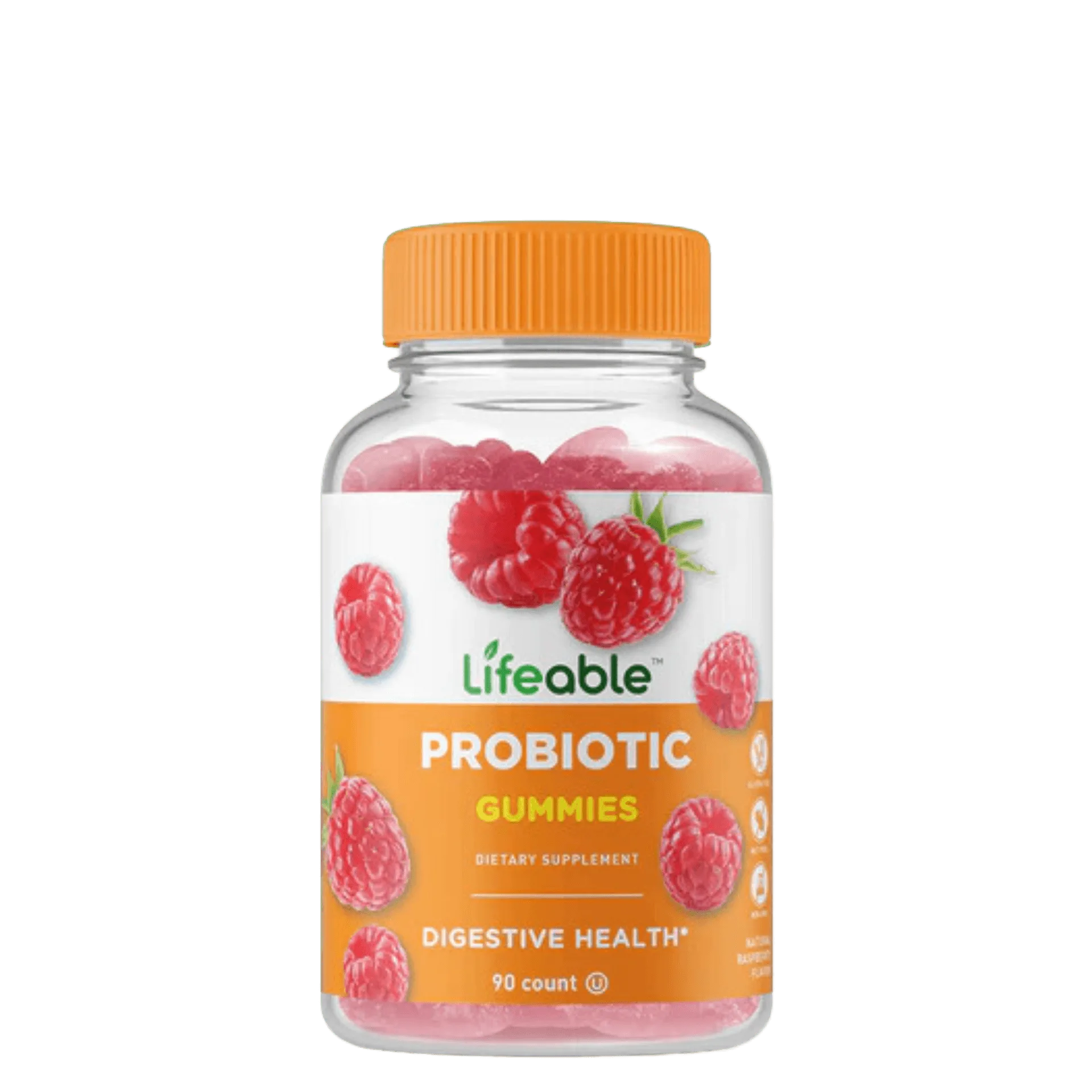
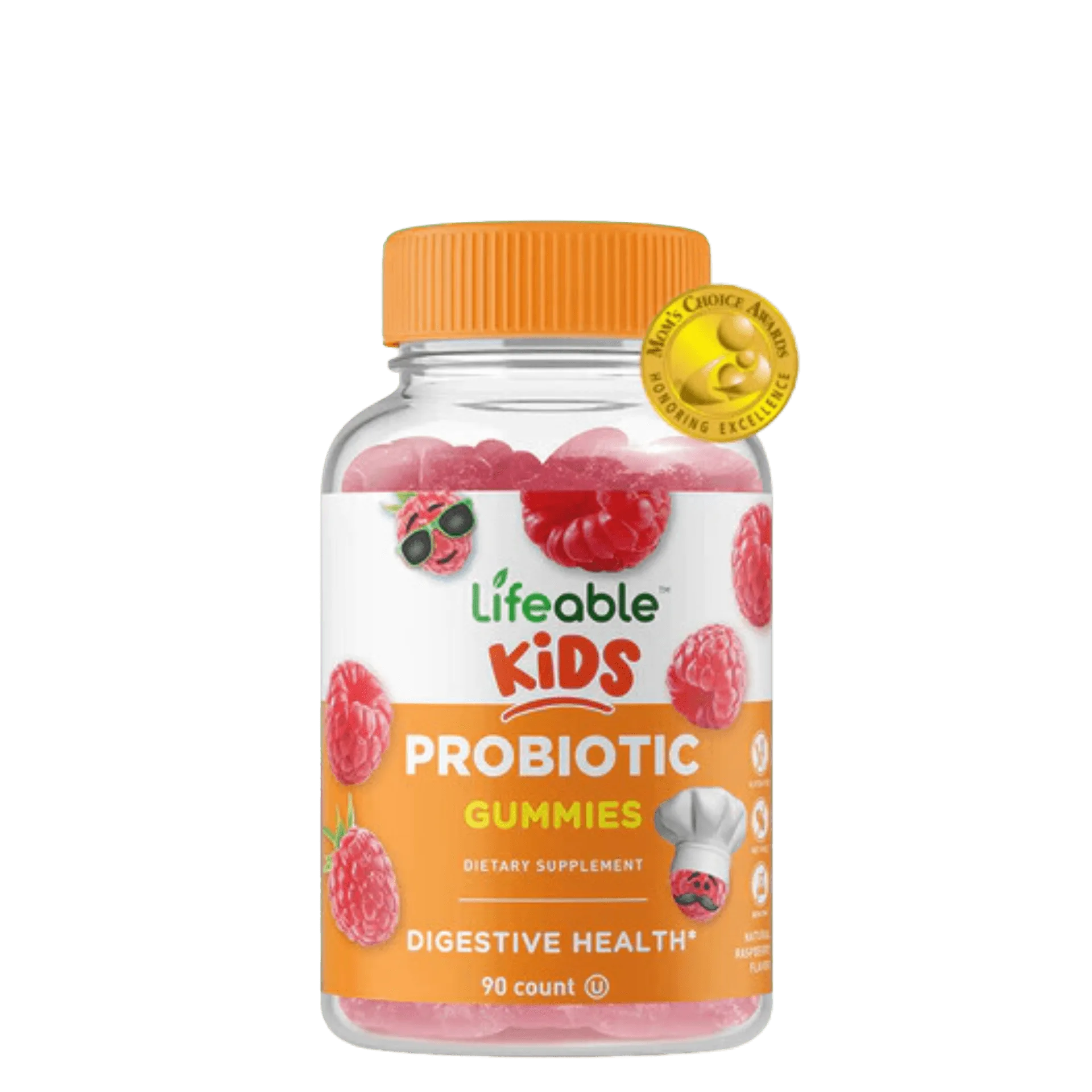
- Probiotic Gummies for Kids: https://lifeableyh.com/products/probiotic-gummies-for-kids-375742Probiotic Gummies for Kids are fruit-flavored gummies intended to support gut health and help with constipation and stomach pain. Provides a straightforward probiotic option if you prefer a fruit flavor without prebiotic fiber.
- Sugar Free Elderberry Gummies: Sugar Free Elderberry Gummies with Vitamin C and Zinc are a triple blend for immune support with no sugar and a berry flavor. Useful for immune support on days when you want a sugar-free option, but it is not a probiotic.