Quick answer
Use pumpkin seeds in snacks and baking by roasting them for a crunchy topping, blending them into creamy butter, or grinding them into flour for breads and muffins.
Why pumpkin seeds work so well in snacks and baking
Pumpkin seeds bring a mild, nutty flavor and a satisfying crunch to both sweet and savory dishes. They are naturally rich in zinc and magnesium, which makes them a nutrient-dense addition to your kitchen. Because they are raw and unsalted, you control the seasoning and roast level, fitting any recipe.
One common mistake is using raw seeds straight from the bag in baking without adjusting moisture. Raw seeds can release oils and become soggy if not pre-toasted or accounted for in the recipe. Toasting them first enhances flavor and texture.
Choosing the right pumpkin seeds for your recipe
Terrasoul Superfoods organic pumpkin seeds are a shine skin variety, the highest grade available. They are raw and unsalted, which gives you full control over flavor. For snacking, you can eat them right out of the bag, but for baking, you may want to soak or sprout them first to improve digestibility and reduce phytic acid.
If a recipe calls for pumpkin seed flour, grind raw seeds in a high-speed blender or food processor until fine. Be careful not to over-process, or you will end up with butter instead of flour.
How to use pumpkin seeds in snacks and baking: 5 simple steps
- Step 1: Roast for a crunchy snack or topping: Preheat your oven to 350°F. Spread raw pumpkin seeds in a single layer on a baking sheet. Roast for 8-12 minutes, stirring halfway, until lightly golden and fragrant. Let cool completely before storing. Common mistake: roasting too long or at too high a heat, which makes them bitter. Check at 8 minutes; seeds continue to brown after removing from oven.
- Step 2: Make pumpkin seed butter: Place 2 cups of raw or roasted pumpkin seeds in a food processor. Blend on high, scraping down sides every minute, until smooth and creamy (about 8-12 minutes). Add a pinch of salt or a drizzle of honey if desired. Common mistake: stopping too early when the mixture looks grainy—keep going until it turns liquid. Patience is key; the seeds release oils gradually.
- Step 3: Use as a topping for baked goods: Sprinkle whole or chopped pumpkin seeds over muffin batter, bread dough, or granola before baking. Press them gently into the surface so they stick. Common mistake: adding seeds too early in a wet batter—they may sink to the bottom. Toss them in a little flour first. For a decorative finish, add seeds in the last 5 minutes of baking.
- Step 4: Grind into flour for gluten-free baking: Blend raw pumpkin seeds in a high-speed blender or coffee grinder until they form a fine powder. Sift through a fine-mesh strainer to remove larger bits. Use up to 25% pumpkin seed flour in place of wheat flour in recipes. Common mistake: grinding too long creates butter, not flour. Store pumpkin seed flour in the fridge for up to a month.
- Step 5: Add to energy bars and no-bake snacks: Combine pumpkin seeds with dates, oats, nut butter, and a binder like honey or maple syrup. Press into a pan and refrigerate until firm. Cut into bars. Common mistake: using too many seeds without enough binder—bars will crumble. Let bars chill at least 2 hours before slicing.
Product spotlight
-
Pumpkin Seeds: Our organic, raw, and unsalted pumpkin seeds are a shine skin variety, which is the highest grade available. As one of the most abundant dietary sources of zinc and magnesium, pumpkin seeds are known for their immune-boosting properties. This means you get a premium, nutrient-dense seed that works well in both raw and cooked applications without added salt or processing.
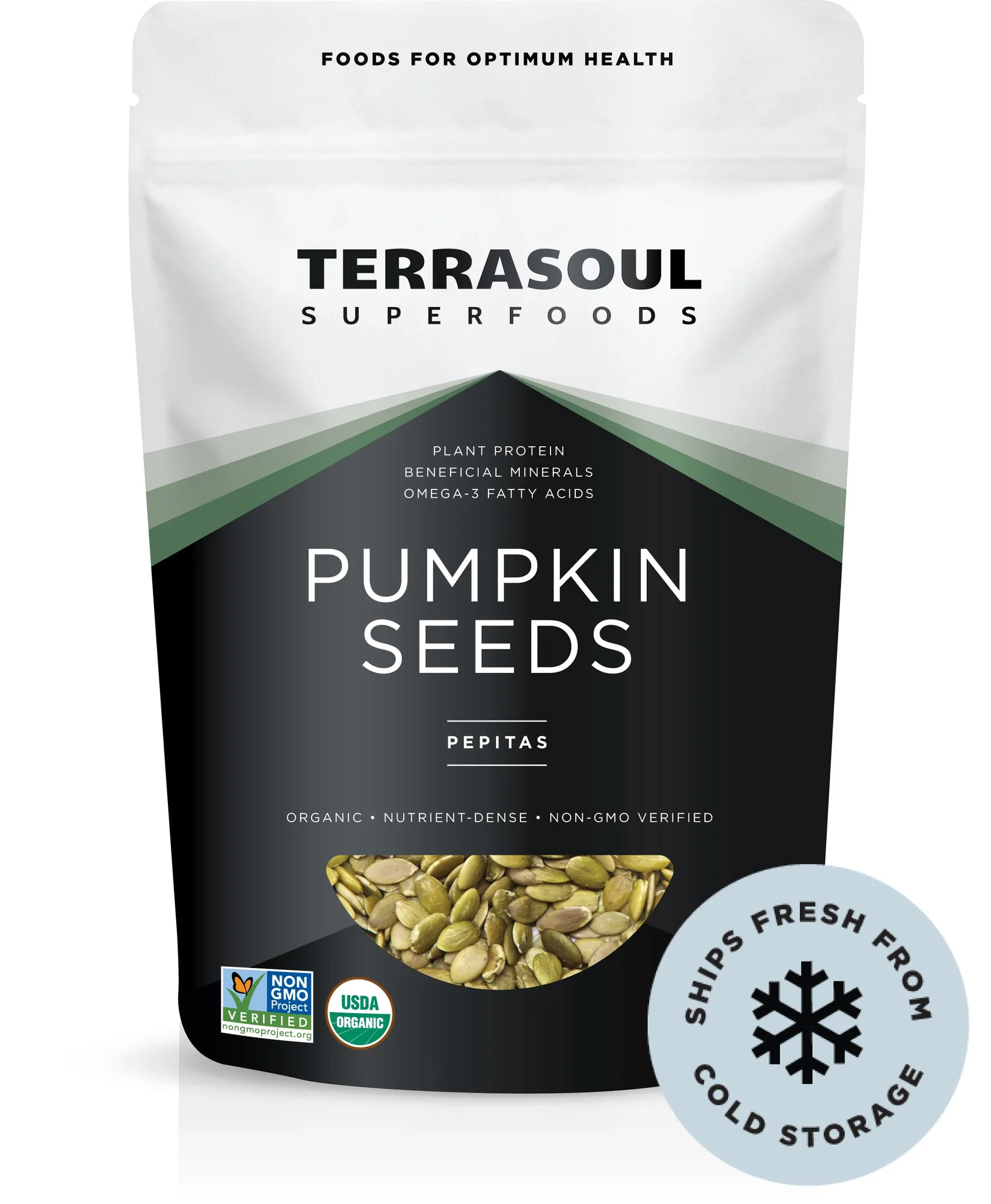
Pumpkin Seeds