Quick answer
Start by choosing a puzzle toy that matches your cat's skill level, then introduce it gradually with high-value treats. Rotate toys regularly to maintain interest, and always supervise initial sessions to ensure safe and positive play.
Indoor cats often miss the mental and physical stimulation that outdoor exploration provides. Without an outlet, they can become bored, anxious, or destructive. Puzzle toys – including treat-dispensing feeders and interactive toys – are an effective way to engage your cat's natural hunting instincts and keep them active and happy.
This guide walks you through a simple, step-by-step process to introduce puzzle toys to your indoor cat, from choosing the right toy to troubleshooting common issues. Whether your cat is a curious kitten or a senior lounger, these tips will help you make the most of enrichment toys.
Why puzzle toys matter for indoor cats
Cats are natural hunters, and indoor environments often lack opportunities to stalk, pounce, and 'catch' their prey. Puzzle toys mimic this hunting experience by requiring your cat to think and work for a reward, typically a treat. This mental engagement helps reduce boredom and the related behaviors like scratching furniture or over-grooming.
Regular use of puzzle toys can also slow down fast eaters and provide gentle exercise, especially for cats that are less active. By challenging your cat's problem-solving skills, you support their cognitive health and build a stronger bond through interactive play.
- Rotate puzzle toys every few days to keep the challenge fresh.
- Start with simple puzzles and gradually increase difficulty to avoid frustration.
Choosing the right puzzle toy
Not all puzzle toys are equal. Some are designed for beginners, while others require advanced problem-solving. Consider your cat's age, physical ability, and experience with treat toys. For a first toy, choose one with visible treats and a simple pawing or nosing action. As your cat gains confidence, you can introduce more complex feeders.
Look for toys made from safe, non-toxic materials that are easy to clean. Avoid toys with small parts that could be swallowed. If you have multiple cats, provide separate toys to prevent resource guarding.
Setting up a successful play session
Choose a quiet time and place for play, free from distractions. Have your cat's favorite treats on hand – small, soft treats work best. Start by showing your cat the toy and letting them sniff it. Then, place a treat near the toy to encourage interaction.
Use a treat that your cat doesn't get every day to increase motivation. Keep sessions short (5-10 minutes) and end on a positive note. Always supervise the first few sessions to ensure your cat uses the toy safely.
- Use high-value treats like small pieces of cooked chicken or commercial cat treats.
- If your cat loses interest, try a different treat or a simpler puzzle.
Step-by-step guide to introducing puzzle toys
- Start with a simple puzzle: Choose a puzzle toy with an easy opening, such as a treat ball or a flat puzzle with visible treats. Place a few treats inside and let your cat discover them at their own pace. Checkpoint: If your cat shows no interest, try a different treat or demonstrate by gently moving the toy.
- Use high-value treats: Select treats that are especially enticing, like small pieces of tuna or commercial cat treats. Reserve these treats exclusively for puzzle play to increase motivation. Checkpoint: If your cat walks away, the treat may not be rewarding enough – switch to something more aromatic.
- Keep sessions short and positive: Limit play to 5-10 minutes per session. End with a success, even if you have to help your cat get the last treat. Always praise your cat during and after play. Checkpoint: Watch for signs of frustration like tail lashing or excessive meowing; if seen, simplify the puzzle.
- Gradually increase difficulty: Once your cat masters a simple puzzle, introduce one that requires more steps, such as sliding pieces or multiple compartments. This builds problem-solving skills and prevents boredom. Checkpoint: If your cat becomes frustrated, go back a level and build confidence.
- Rotate toys to maintain interest: Cats get bored with the same toys. Rotate puzzle toys every few days and store some away. This makes each toy feel new and exciting. Checkpoint: If your cat ignores a toy, put it away for a week and try again.
- Supervise and clean regularly: Always supervise initial uses to ensure safety. After play, clean the toy according to manufacturer instructions to prevent bacteria buildup. Checkpoint: Inspect toys for wear and tear; replace if damaged to avoid choking hazards.
Products that support indoor cat enrichment
- tuft + paw Grove Cat Tower: Fulfilled by our friends at tuft + paw. When it comes to cat perches, it doesn’t get any better than this. The Grove's distinctive slatted design is visually striking while seamlessly harmonizing with your existing decor. Open views allow your cat to feel secure while reclining in the lower interior, while the faux shearling top level provides a panoramic lookout and a spot for socializing with nearby humans. A cat tower like the Grove provides vertical space and a safe perch, complementing puzzle toys by giving your cat a place to observe and relax between play sessions.
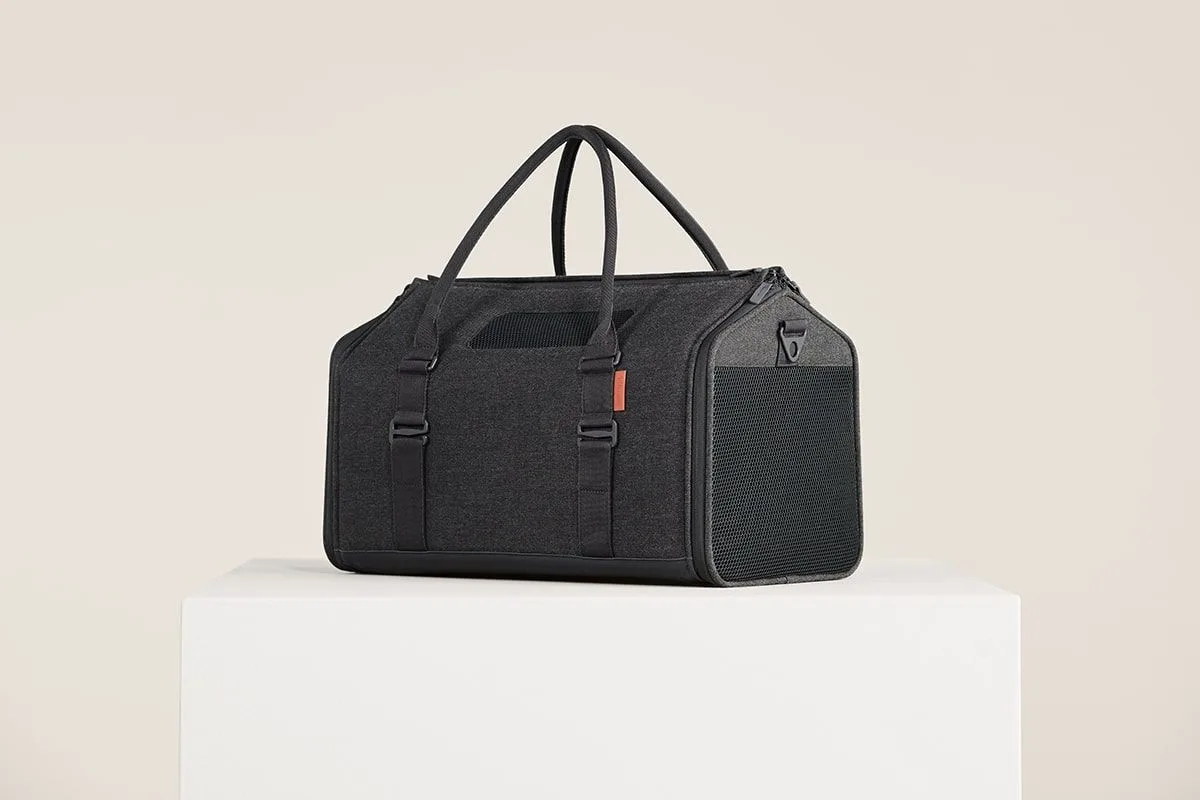
- tuft + paw Porto Cat Carrier: Fulfilled by our friends at tuft + paw. Home-like comfort for cats on the move. This airline-approved carrier provides a stress-free travel experience for you and your feline companion. Crafted from water-resistant canvas, this carrier ensures durability and protection. The breathable mesh windows deliver proper ventilation and visibility. Once you’ve reached your destination, in just a few quick zips the carrier... While not a puzzle toy, the Porto Cat Carrier helps reduce travel stress, making it easier to bring your cat to new environments where you can introduce puzzle toys.
Puzzle toys are a powerful tool to keep your indoor cat mentally sharp and physically active. By choosing the right toy, using high-value rewards, and following these steps, you'll turn playtime into a rewarding challenge. Remember to rotate toys and always supervise to ensure a safe and happy experience.