Quick answer
To use QuikClot Combat Gauze LE, expose the wound, pack the gauze directly into the bleeding source using firm, continuous pressure, then hold pressure for at least three minutes. The gauze works on contact to stop arterial and venous bleeding, so accuracy and sustained pressure matter more than speed. If bleeding continues after packing, add more gauze on top and maintain pressure while you get the person to advanced care.
QuikClot
What makes QuikClot Combat Gauze LE different
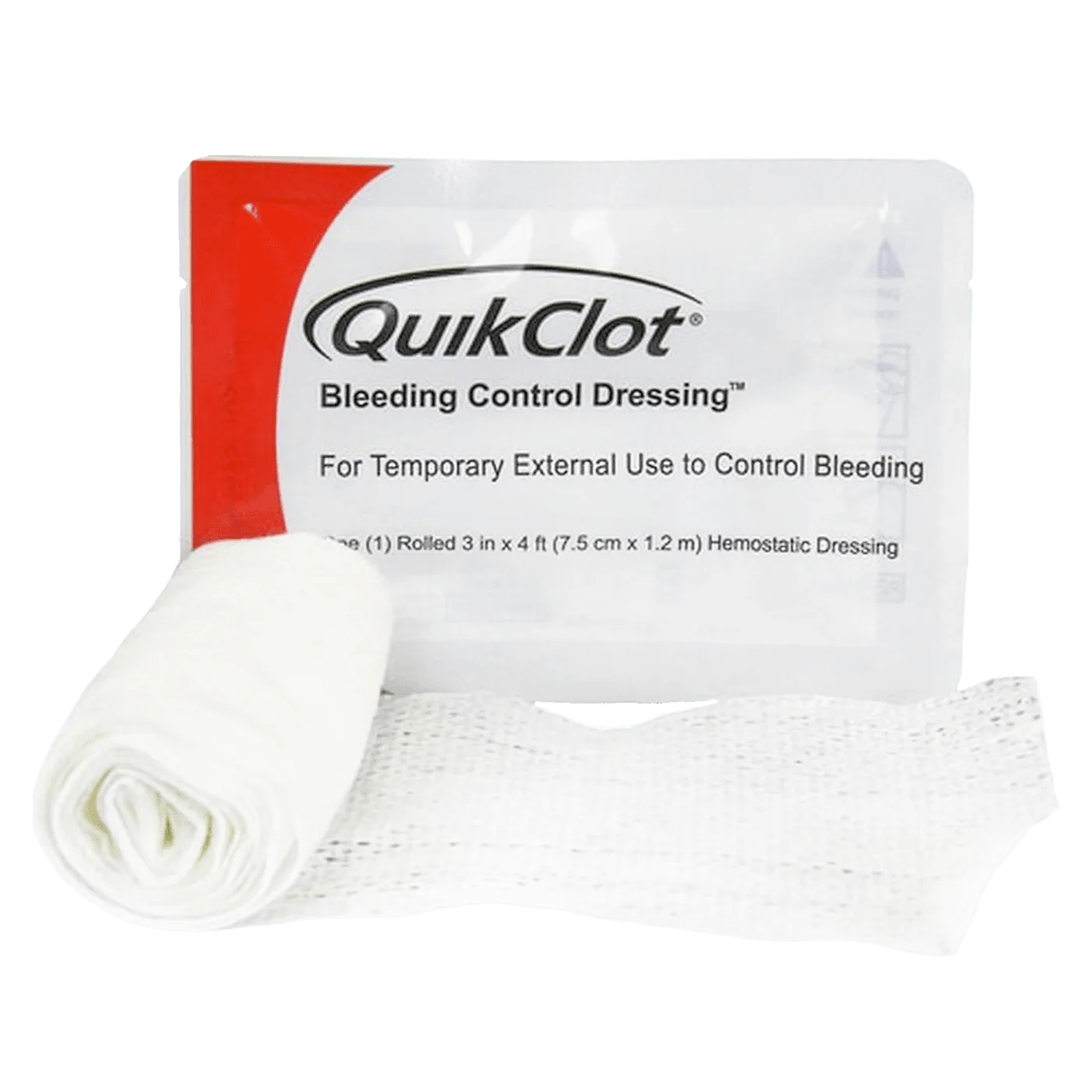
QuikClot Combat Gauze LE is a hemostatic dressing that combines surgical gauze with a proprietary inorganic material. According to the manufacturer, it stops arterial and venous bleeding in seconds, is inert, and is non-allergenic. That means it does not rely on a chemical reaction you need to monitor; once it contacts blood, the material helps form a clot without generating heat or causing an allergic response. For a how-to on stopping severe bleeding, this matters because you can focus on packing technique rather than worrying about the dressing itself.
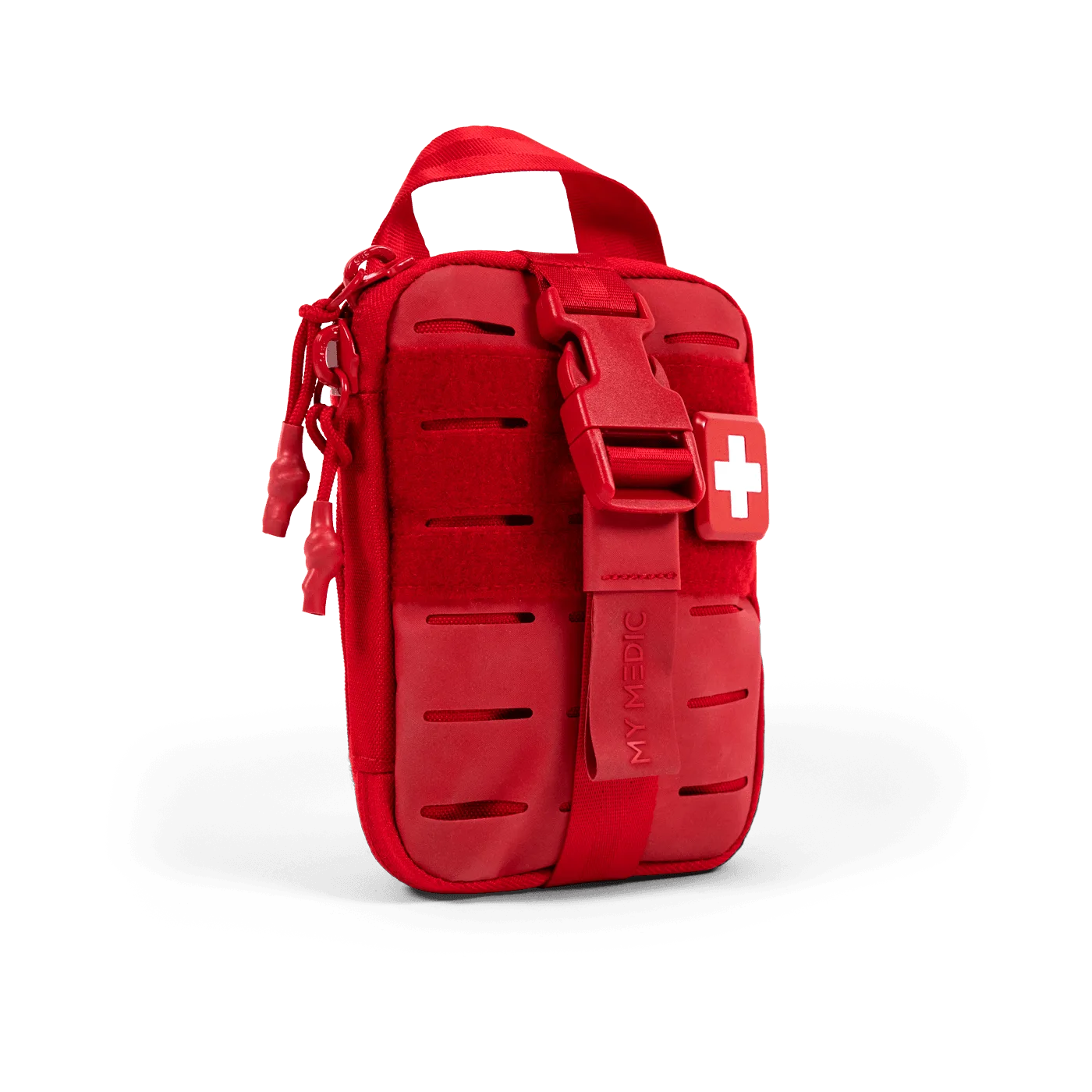
Because the gauze is designed for combat and tactical medical personnel, it is built for high-pressure situations. In a civilian first aid context, that translates to a low-bulk, high-performance tool for severe bleeding from an arm, leg, or junctional area. If you are building a kit around this capability, the Sidekick IFAK pouch gives you a compact way to carry hemostatic supplies and other bleeding-control items. The key is knowing when to reach for it: uncontrolled bleeding that does not stop with direct pressure is the trigger, not every minor cut.
Before you pack: control the scene and the wound
Before you open the gauze, make sure the scene is safe for you and the injured person. Put on gloves if available. If the bleeding is from an extremity, consider a tourniquet first only if the wound is not packable or if bleeding is catastrophic and you cannot control it with direct pressure. For junctional wounds (neck, armpit, groin) or deep wounds in an arm or leg, wound packing with hemostatic gauze is the priority.
Expose the wound completely so you can see where the bleeding is coming from. Cut away clothing if needed. If there is pooled blood, wipe it away quickly with a gloved hand or gauze so you can identify the exact source. Do not waste time cleaning the wound with antiseptic at this stage; the goal is to stop bleeding, not to disinfect.
Step-by-step: how to pack QuikClot Combat Gauze LE
The following steps describe the wound packing technique for a deep wound. If the wound is shallow and bleeding heavily, you may be able to apply the gauze directly over the source and hold pressure, but packing is preferred when the wound is deep enough to accommodate gauze.
1. Open the package and remove the gauze. Keep the gauze dry until it contacts blood; do not wet it with saline or water first. 2. Identify the bleeding source inside the wound. 3. Insert the gauze directly into the wound, starting at the bleeding source. Use your finger to push the gauze firmly into the wound, packing it tightly. 4. Continue packing the gauze into the wound until it is filled and you cannot fit more. 5. Apply firm, direct pressure over the wound for at least three minutes. Do not release pressure to check if bleeding has stopped. 6. If bleeding continues, add another gauze on top and maintain pressure. 7. Secure the gauze with a pressure bandage or tape if available, and keep pressure on the wound while transporting the person to emergency care.
Common mistakes include not packing deeply enough to reach the bleeding source, releasing pressure too early to look at the wound, and removing the gauze once it is in place. QuikClot Combat Gauze LE is designed to be left in place; a medical professional will remove it later. If you remove it prematurely, you can disrupt the clot and restart bleeding.
What to do after packing
Once the gauze is packed and pressure is applied, do not remove it. If the person is alert and can swallow, monitor for signs of shock: pale skin, rapid breathing, confusion, or a weak pulse. Keep them warm and still. Call emergency services or transport them to the nearest emergency department as soon as possible. Tell the medical team that you used a hemostatic gauze and when you applied it.
For a complete everyday carry setup, the Cycle Medic kit is designed for riders and includes supplies for cuts, scrapes, and blisters, but it does not replace a dedicated hemostatic dressing for severe bleeding. If you ride in remote areas, consider carrying QuikClot Combat Gauze LE alongside your standard kit. The Sidekick IFAK pouch offers over 60 life-saving supplies in the Pro kit and extra space to organize and customize, making it a practical option for carrying hemostatic gauze and other trauma supplies.
Step-by-step: packing QuikClot Combat Gauze LE
- Expose and identify the bleeding source: Cut away clothing and wipe away pooled blood so you can see exactly where the blood is coming from. Do not waste time cleaning the wound with antiseptic. Checkpoint: if you cannot see the source, you cannot pack effectively. Reposition the person or use more light.
- Pack the gauze directly into the wound: Insert the gauze starting at the bleeding source and push it firmly into the wound with your finger. Continue packing until the wound is filled and no more gauze fits. Common mistake: packing only the surface. The gauze must reach the bleeding source to work.
- Apply firm, continuous pressure: Press down firmly over the packed wound for at least three minutes without releasing pressure to check. If bleeding continues, add another gauze on top and keep pressing. Checkpoint: do not remove the gauze. It is designed to stay in place until a medical professional removes it.
- Secure and monitor: Once bleeding is controlled, secure the gauze with a pressure bandage or tape. Keep the person warm, monitor for shock, and get them to emergency care immediately. Next step: tell the medical team you used a hemostatic gauze and when you applied it.
Product facts
- QuikClot Combat Gauze LE: QuikClot Combat Gauze LE stops arterial and venous bleeding in seconds, is inert, and is non-allergenic. This means you can pack it into a wound without worrying about a chemical reaction or allergic response, allowing you to focus on technique.
- Sidekick: Sidekick is an IFAK pouch with over 60 life-saving first aid supplies in the Pro kit and extra space to organize and customize. It gives you a compact, customizable way to carry hemostatic gauze and other bleeding-control supplies for everyday or travel use.
- Cycle Medic: Cycle Medic is a bicycle first aid kit with supplies for cuts, scrapes, blisters, and rashes, selected by riders and medical professionals. It covers minor injuries on the trail but does not replace a dedicated hemostatic dressing for severe bleeding, so riders in remote areas may want to add QuikClot Combat Gauze LE.