Quick answer
Use reusable paper towel cloths dampened with a diluted vinegar or alcohol solution, then buff dry with a second dry cloth for a completely streak-free finish on windows and mirrors.
Why Reusable Paper Towel Cloths Work for Glass
Standard paper towels often leave lint and streaks on glass because their fibers break down when wet. Reusable non-woven microfiber cloths, like those from Aura S&T INC., are engineered to be absorbent yet lint-free, making them ideal for glass cleaning. They trap dust and grime without scratching, and they can be washed hundreds of times, reducing waste.
The key to a streak-free result is using the cloth slightly damp—not soaking wet—and following up with a dry cloth to polish. This two-cloth method is what professional cleaners use, and it works just as well at home.
Choosing the Right Cleaning Solution
For best results, avoid heavy commercial glass cleaners that leave residue. A simple mix of 1 part white vinegar or rubbing alcohol to 3 parts water in a spray bottle works perfectly. The alcohol evaporates quickly, reducing streaks, while vinegar cuts through grease and fingerprints.
If you prefer a store-bought cleaner, choose one labeled ammonia-free to protect any tinted window films. Always spray the solution onto the cloth, not directly onto the glass, to prevent drips and overspray.
Step-by-Step: Streak-Free Glass Cleaning with Reusable Cloths
- Step 1: Gather your supplies: You will need two clean reusable paper towel cloths, a spray bottle with your chosen cleaning solution, and a bucket of warm water if the glass is very dirty. Make sure both cloths are lint-free and have been washed at least once to remove any manufacturing residue. Using a cloth straight from the package may cause streaking; pre-wash new cloths once.
- Step 2: Dampen the first cloth lightly: Spray the cleaning solution onto one cloth until it is damp but not dripping. Wring it out if needed. A soaking wet cloth will leave excess moisture that dries into streaks. Work from top to bottom in a horizontal S-pattern to avoid missing spots. Too much moisture is the #1 cause of streaks; less is more.
- Step 3: Wipe the glass surface: Using the damp cloth, wipe the entire glass surface. For stubborn spots like dried water marks or bird droppings, let the solution sit for 10–15 seconds before wiping. Do not press hard—let the microfiber do the work. Change to a clean section of the cloth as it picks up dirt. If the cloth feels gritty, rinse it in warm water and wring it out before continuing to avoid scratching.
- Step 4: Buff dry with a second clean cloth: Immediately after wiping, take the second dry cloth and buff the glass in a circular motion, then finish with vertical strokes. This removes any remaining moisture and polish the surface to a shine. If streaks appear, the cloth may be too damp or dirty—switch to a fresh dry cloth. A second dry cloth is essential; never try to dry with the same cloth you used for cleaning.
- Step 5: Inspect and touch up: Hold the glass at an angle to catch light reflections. If you see any haze or streaks, lightly buff them with a dry corner of the cloth. For large windows, work in sections so the solution doesn't dry before you buff it. Work in shade if possible—direct sun dries the solution too fast and causes streaks.
Recommended Product for This Task
-
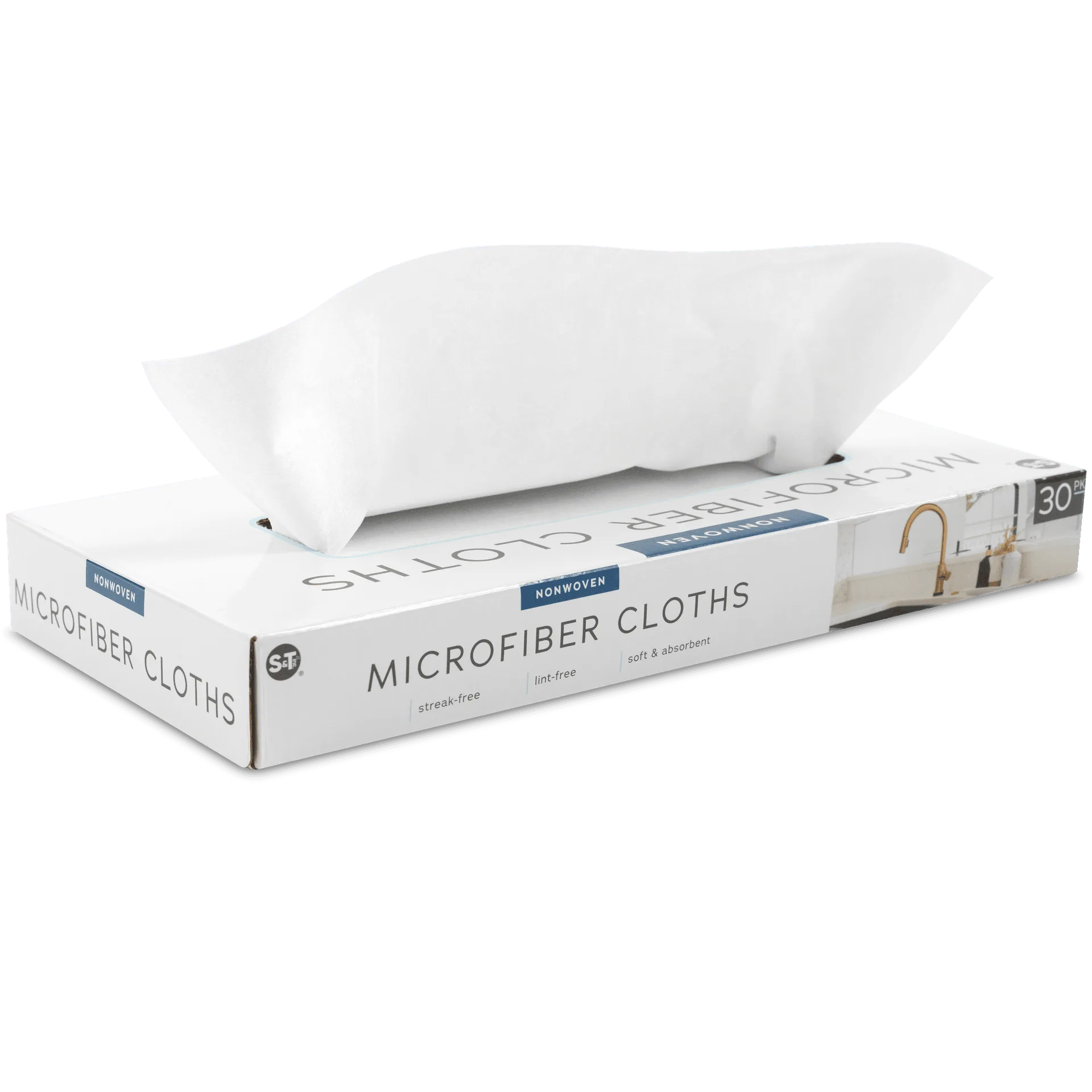
reusable paper towel cloths: These reusable non-woven microfiber cloths are absorbent and durable, yet gentle on delicate surfaces. Includes 30 cloths, machine washable, 12 inches x 12 inches. The 30-pack gives you enough cloths to always have a clean dry one for buffing, and machine washing means you can reuse them for months without losing absorbency.
reusable paper towel cloths