Quick answer
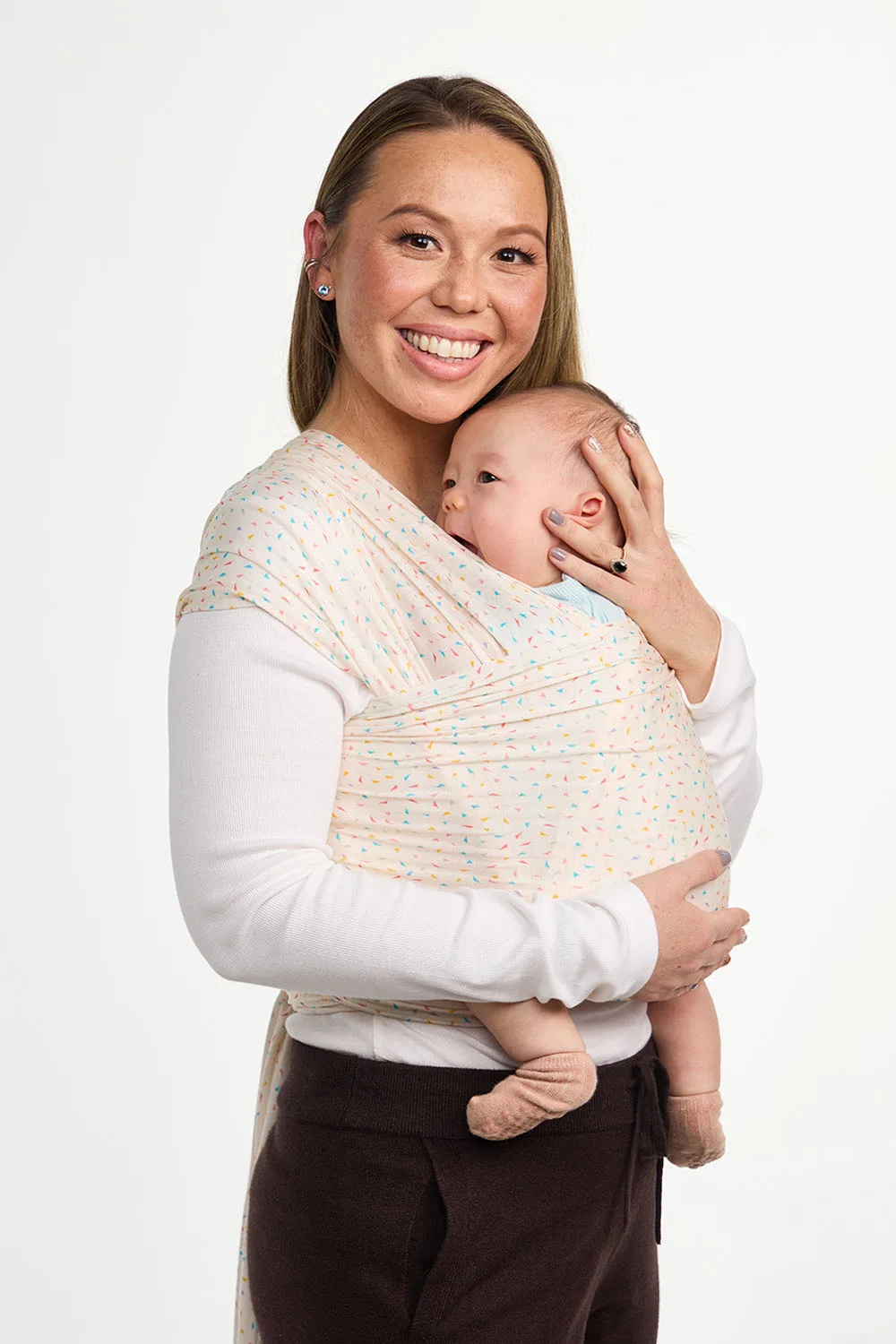
To use a ring sling for a newborn, start by threading the tail through both rings, then place the fabric over your shoulder. Position your baby tummy-to-chest in a deep seat, tighten the fabric from the top edge down, and always check that their airway is clear and their chin is off their chest.
What You Need Before You Start
Before you begin, make sure you have a ring sling that is appropriate for a newborn. Look for a carrier made of soft, breathable fabric like cotton or linen, with rings that are large enough to easily thread and tighten. Avoid slings with padded rails, as they can make it harder to achieve a snug fit. Also, ensure your baby meets the carrier's minimum weight requirement—usually 7-8 pounds. If your baby was born prematurely or has low muscle tone, consult your pediatrician before using any carrier.
It helps to practice with a doll or stuffed animal first. This lets you get comfortable with the threading and tightening motions without the pressure of holding a real baby. Once you feel confident, find a quiet space where you can focus and have a mirror nearby to check positioning.
Safety Checks Before Each Use
Always inspect your ring sling before placing your baby in it. Check the rings for cracks, sharp edges, or bending—especially if they are metal. Look at the fabric for any tears, fraying, or loose threads. If the sling has been stored for a while, wash and dry it according to the manufacturer's instructions to restore fabric tension. Never use a sling with damaged rings or fabric.
Also, ensure your baby is dressed appropriately. Newborns can overheat quickly in a carrier, so avoid heavy layers. A onesie or lightweight sleeper is usually enough. If it is cold, use a carrier cover or a jacket extender rather than tucking a blanket around your baby.
Step-by-Step: How to Use a Ring Sling for Newborns
- Thread the sling: Hold the sling by the tail (the long fabric end). Pass the tail through both rings from the bottom up, then bring it back over the top ring and under the bottom ring. This creates a locking mechanism. Pull the tail to tighten the fabric evenly across the rings. Common mistake: threading the tail only through one ring or in the wrong direction. The fabric should form a smooth, even panel.
- Position the sling on your shoulder: Place the rings at your collarbone level on your non-dominant shoulder (if you are right-handed, use your left shoulder). Spread the fabric across your chest and back so it lies flat, not twisted. The fabric should reach your hip bone. Checkpoint: If the fabric is twisted or bunched, it will be uncomfortable and hard to tighten. Adjust before placing baby.
- Place your baby in the sling: Hold your baby upright, tummy against your chest, with their legs in a spread-squat position (knees higher than bottom). Use your free hand to open the fabric pocket wide and guide your baby's bottom into the deepest part of the sling. Their head should be at your collarbone level, close enough to kiss. Common mistake: placing baby too low or in a cradle position. Newborns should be upright, not lying down, to keep their airway open.
- Tighten the fabric: Start at the top edge of the fabric, pulling the fabric through the rings toward your body. Work your way down, tightening each section until the fabric is snug against your baby's back and bottom. The fabric should support from knee to knee, with no sagging. The rings should be at your collarbone, not sliding down. Checkpoint: After tightening, you should be able to run your hand along your baby's back without any loose fabric. If you can, it is too loose.
- Perform a safety check: Check that your baby's chin is off their chest (at least a finger's width between chin and chest). Their face should be visible and not pressed into fabric. Their back should be supported in a natural C-curve, and their knees should be higher than their bottom. The sling should feel secure, not bouncy. Final checkpoint: If your baby slumps or their chin touches their chest, remove them and re-adjust. Never let a newborn sleep in a sling without monitoring their position.
Ring Sling Alternatives: Structured Carriers for Newborns
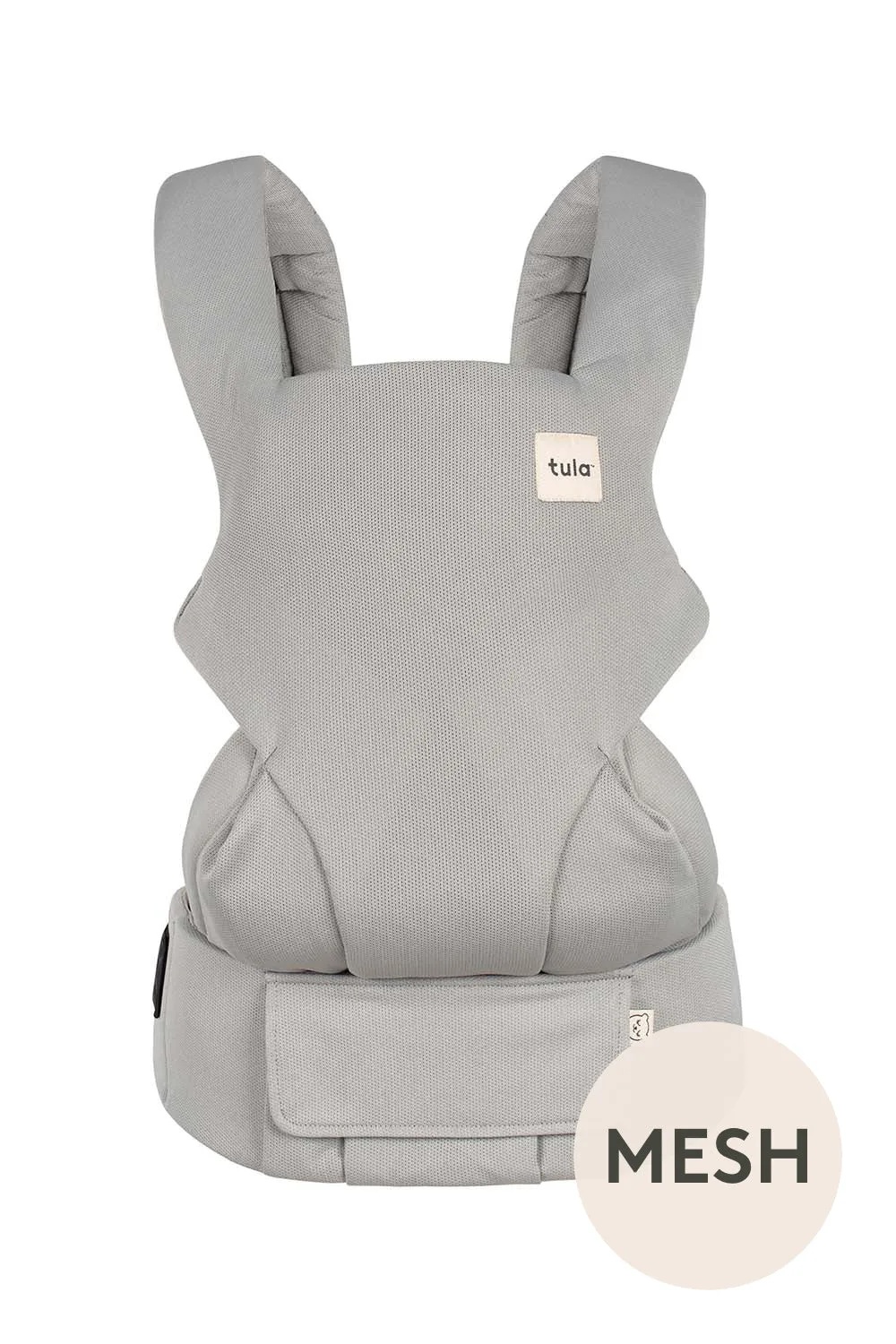
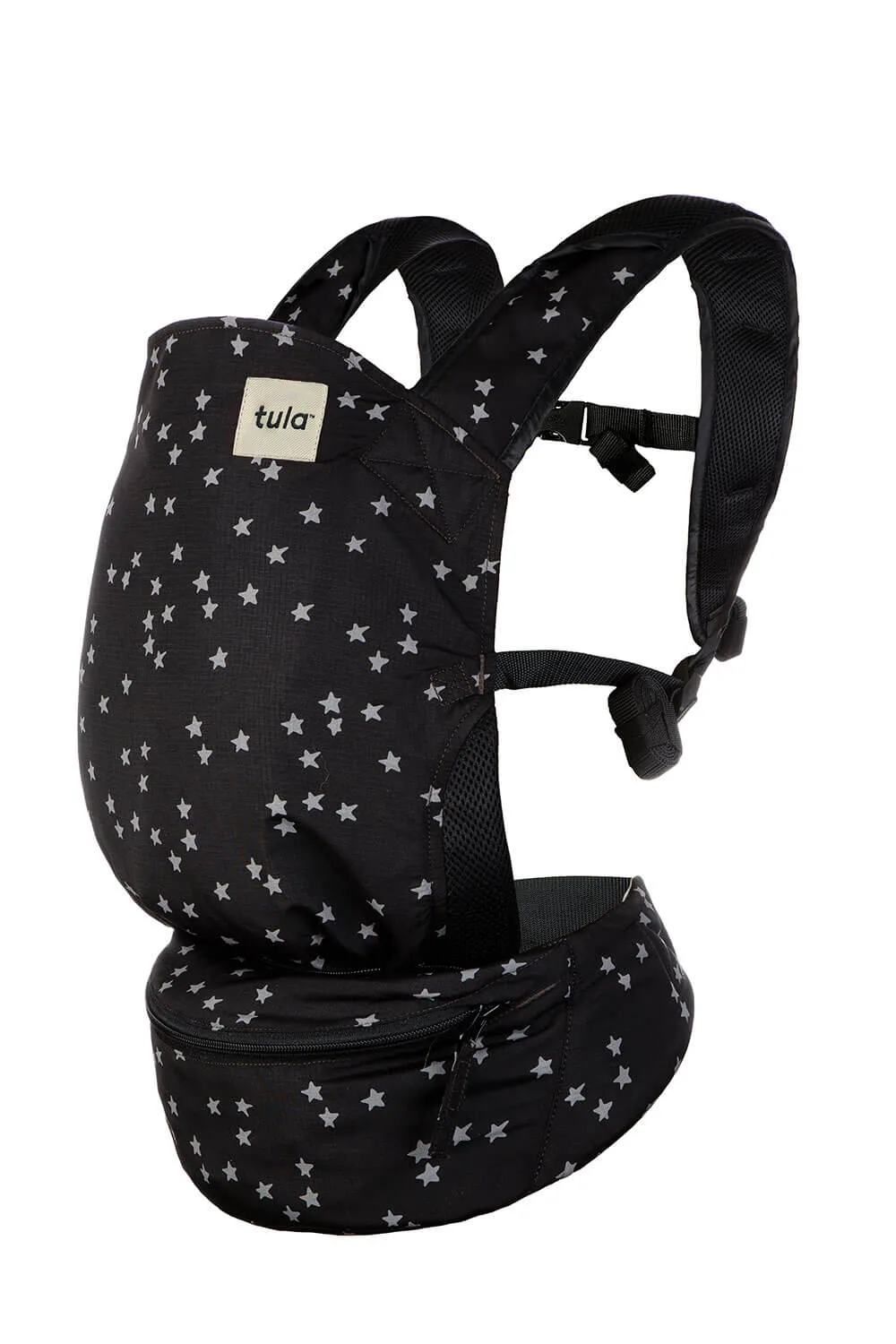
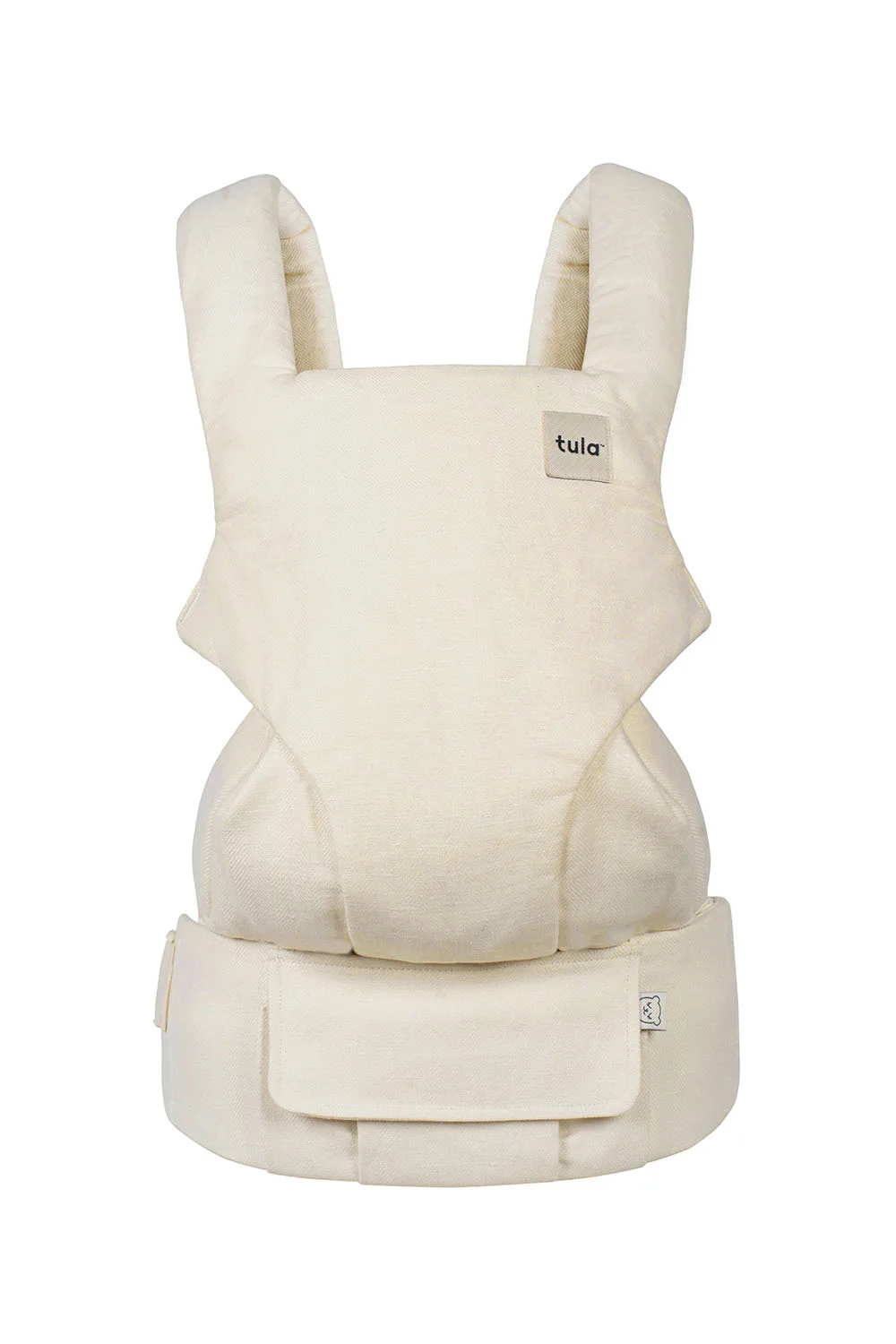
- Dove - Linen Explore Baby Carrier: The Dove - Linen Explore Baby Carrier from Baby Tula is part of the Linen collection, offering a soft and breathable option for carrying your little one. It is available in a standard size and is designed for everyday exploring. If you find ring slings tricky or want a more structured option for longer walks, this carrier provides a similar breathable feel with added support and adjustability for both front and back carrying as your baby grows.