Quick Answer
Sand toys are excellent for developing fine and gross motor skills. By encouraging scooping, pouring, digging, and building, you can help your child strengthen hand muscles, improve hand-eye coordination, and enhance spatial awareness. Start with simple tools like a pail for sand and progress to more complex activities.
Sand play is more than just fun—it's a powerful tool for your child's development. When kids scoop, pour, and build with sand toys, they're not only enjoying the outdoors but also honing essential motor skills. This guide offers practical steps to turn sandbox time into a learning adventure.
Whether you have a backyard sandbox or visit a local beach, these activities require minimal equipment and are easy to set up. We'll focus on how to use common sand toys effectively, including options from HABA that are designed for little hands.
Why Sand Play Matters for Motor Skills
Sand play naturally encourages children to use their hands and bodies in varied ways. Digging, scooping, and pouring require coordinated movements that strengthen muscles and improve dexterity. According to child development experts, these activities support fine motor skills like grasping and releasing, as well as gross motor skills like bending and lifting.
Outdoor play benefits include exposure to fresh air and sensory experiences. Sand provides unique tactile feedback that helps children understand texture and weight. By incorporating sand toys into play, you can target specific skills while your child stays engaged and active.
- Choose a variety of sand toys to promote different movements.
- Encourage both fine and gross motor activities during play.
Selecting the Right Sand Toys
Not all sand toys are created equal. Look for sturdy, age-appropriate options that are easy for small hands to grip. HABA sand toys are known for their durability and child-friendly design, making them a reliable choice for outdoor play.
Consider the specific skills you want to develop. For example, a pail for sand is versatile for scooping and pouring, while molds and shovels encourage shaping and digging. Choose toys that offer a range of actions to keep your child challenged and interested.
- Opt for toys with comfortable handles and rounded edges.
- Select toys that can be used in multiple ways to extend play value.
Step-by-Step Sand Play Activities
- Start with Scooping and Pouring: Give your child a pail for sand and a shovel. Show them how to scoop sand into the pail and then pour it out slowly. This action strengthens hand muscles and improves hand-eye coordination. Checkpoint: Watch for spills as a sign of developing control. Encourage them to aim for a specific spot.
- Introduce Molding and Shaping: Use sand molds to create shapes like castles or animals. Press the mold firmly into wet sand, then lift carefully. This activity refines fine motor skills and teaches cause and effect. Checkpoint: If the shape crumbles, show your child how to add a little water to make the sand stickier.
- Incorporate Digging and Building: Encourage your child to dig holes and build mounds. Provide tools like a small rake or fork to create patterns. This promotes gross motor skills and spatial awareness. Checkpoint: Join in the play to model actions and extend the activity. Ask questions like 'What are you building?' to stimulate language.
Recommended Sand Toys from HABA
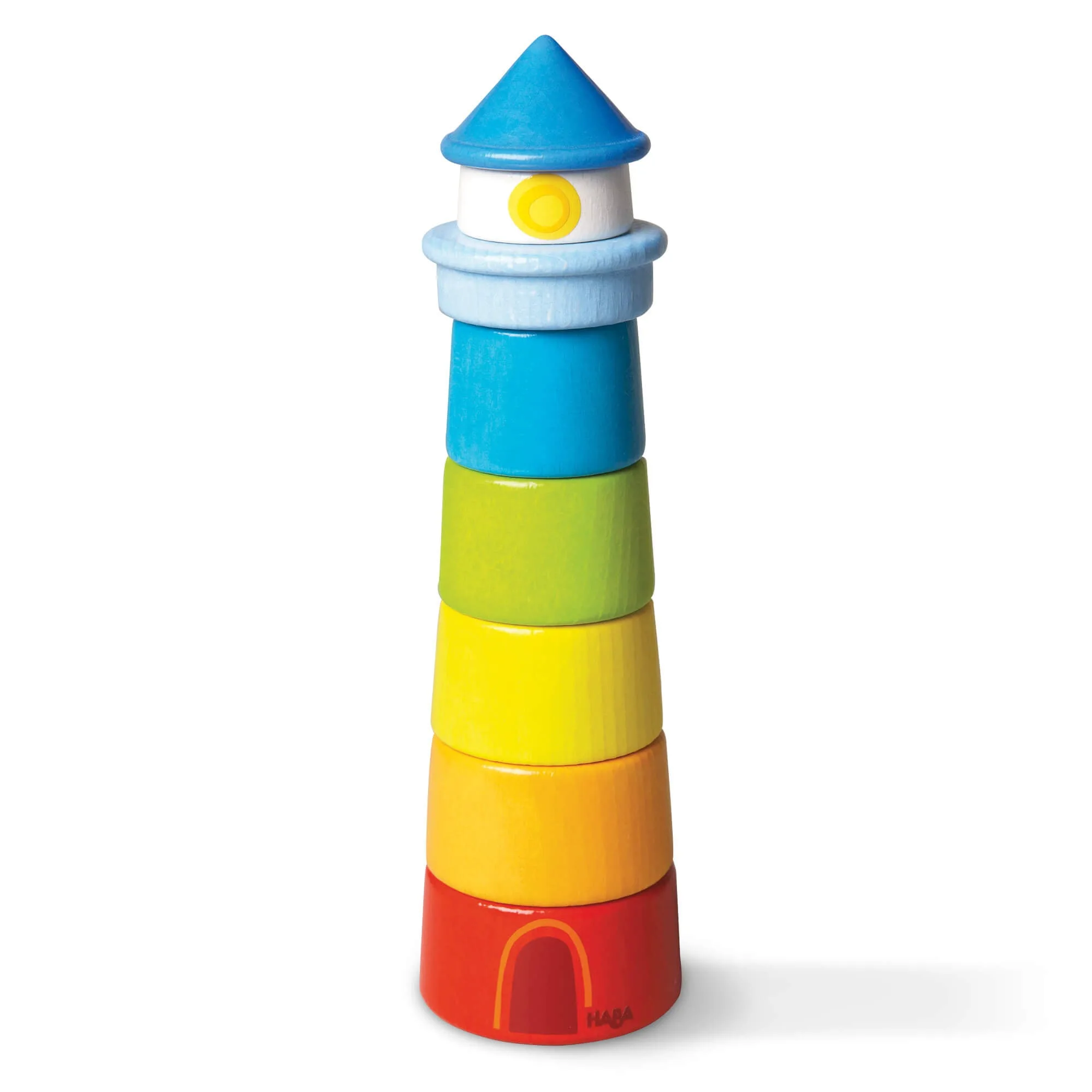
- Lighthouse Wooden Rainbow Stacker: The Lighthouse Stacking Game from HABA is sure to be a hit with your little one! This gorgeous, German-made toy has a classic, minimalist design for which HABA is known. The colorful sections have little pivots that latch easily into the holes underneath, making stacking simple and fun. Stacking is important in fostering motor skills and hand-eye coordination. While not a traditional sand toy, this stacker can be used with sand to create a unique sensory activity. Encourage your child to stack the pieces on a flat surface or even in a sandbox to build coordination.
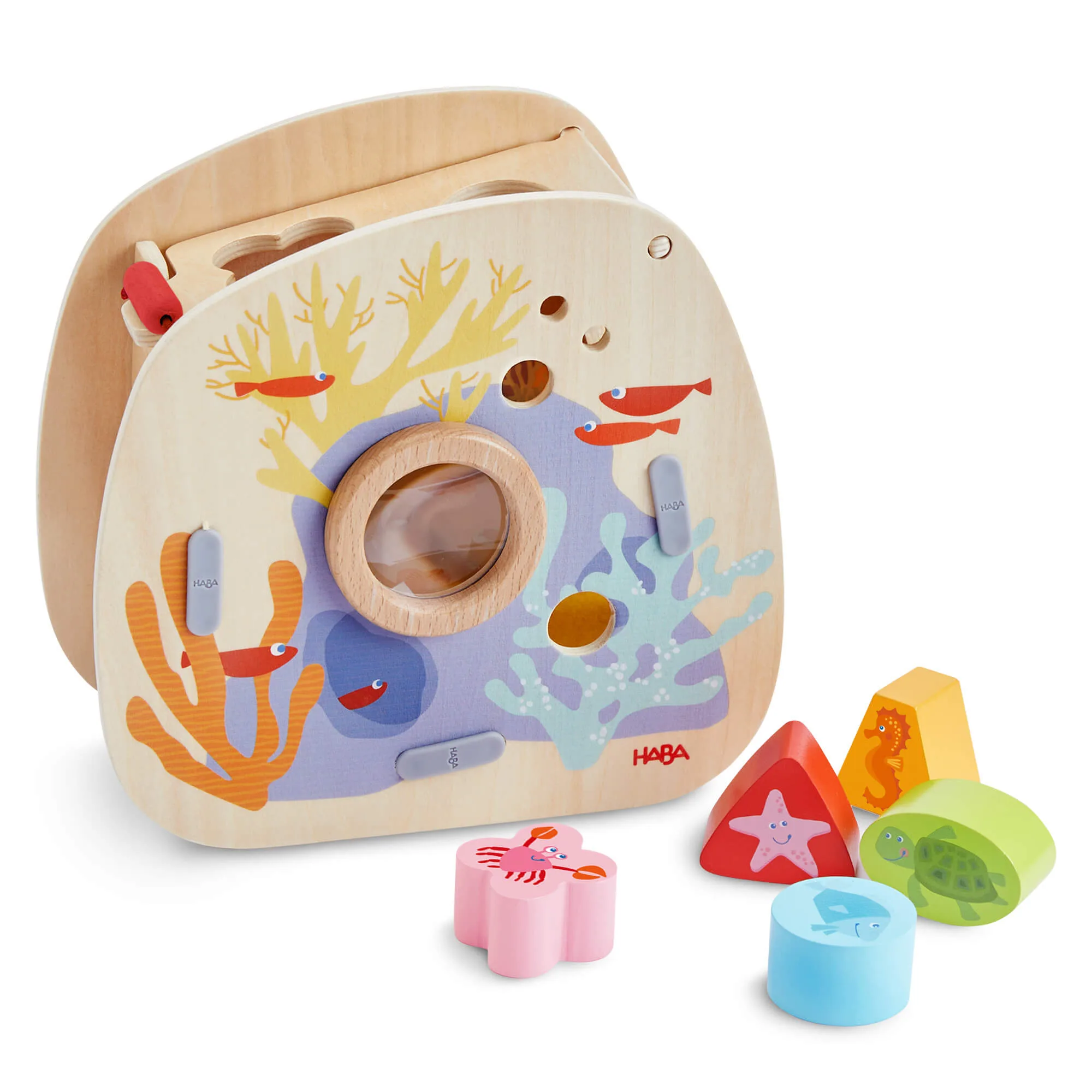
- Underwater World Wooden Shape Sorter: Dive into discovery with this shape-sorting adventure under the sea! Each of the five colorful sea creature blocks fits into only one matching slot on the beautifully illustrated sorting box, encouraging toddlers to observe, compare, and try again. This shape sorter can be used in sand play to hide and find the pieces, adding a tactile twist that enhances problem-solving and fine motor skills.
Sand play is a simple yet effective way to boost your child's motor skills while having fun outdoors. By following these steps and choosing the right toys, you can turn every sandbox session into a developmental win. Remember to supervise play and let your child lead the exploration.