Quick Answer
To use sand tray miniatures effectively in play therapy, start with a well-stocked collection, let the client lead the scene-building, and observe without interrupting. Use the miniatures to help clients externalize feelings, and always debrief after the scene is complete to integrate the experience.
Sand tray therapy is a powerful tool for helping clients, especially children, express thoughts and feelings that are hard to put into words. The tactile nature of sand combined with the symbolic power of miniatures creates a safe space for exploration. This guide walks through a practical, step-by-step process for using sand tray miniatures in your sessions.
safe
Whether you're new to sand play or looking to refine your approach, these steps offer a clear framework. We'll cover everything from setting up your tray to interpreting the scenes your clients create, with common mistakes to avoid along the way.
Setting Up Your Sand Tray
Begin by placing the sand tray in a quiet, private area of your therapy room. The tray should be accessible and inviting, with a smooth, even layer of sand. Some therapists use both wet and dry sand to offer different sensory experiences; dry sand is messier but easier to sculpt, while wet sand holds shapes better. Choose a size that allows for comfortable reach from all sides, typically around 20 by 30 inches.
Keep a consistent selection of miniatures nearby, organized by category (people, animals, buildings, natural elements, etc.). This helps clients find what they need without feeling overwhelmed. Ensure the miniatures are in good condition and safe for children, avoiding any sharp edges or small parts that could be a choking hazard.
- Checkpoint: Ensure the tray is stable and at a height that allows the client to reach all areas without strain.
Introducing the Activity
When you introduce sand tray work, keep the instructions simple and open-ended. You might say, 'Here is a tray of sand and many small figures. You can use them to build a scene or a world. Take your time and choose what feels right.' Avoid giving specific directions or themes, as this can limit the client's expression.
Some clients may be hesitant at first. If so, you can model by gently touching the sand or picking up a miniature, but avoid building a scene yourself. The goal is to let the client take the lead. Remember, the process is more important than the product.
- Common mistake: Over-directing the client's play. Resist the urge to suggest what to build or which figures to use.
Observing Without Interrupting
As the client builds, your role is to observe quietly. Notice which miniatures they choose, where they place them, and how they interact with the sand. These choices can reveal emotions, conflicts, and relationships. Avoid asking questions during the building phase; let the client work at their own pace.
If the client talks while building, listen attentively but don't probe. Your silence creates a safe container for their expression. You might jot down brief notes afterward, but during the session, stay fully present.
- Checkpoint: After the scene is complete, ask open-ended questions like 'Tell me about your scene' or 'What is happening here?'
Interpreting the Scene
Interpretation should be collaborative and tentative. Rather than imposing meaning, ask the client to describe their scene and the figures they chose. You can reflect back what you see: 'I notice the fence is placed around the house. What does that fence do?' This helps the client make their own connections.
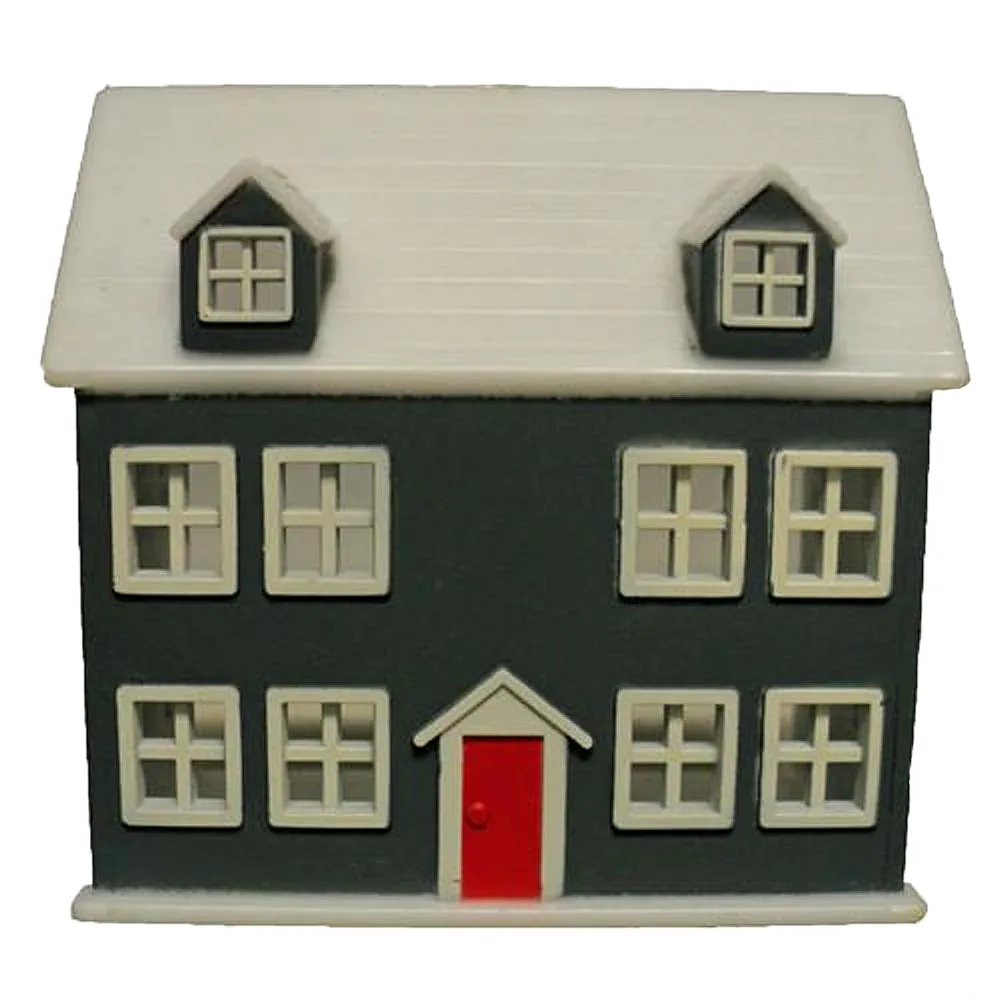
house
Look for themes such as protection, conflict, isolation, or nurturing. For example, a child who places a venomous creature near a family figure might be expressing fear or anger. But always let the client's words guide your understanding. Avoid over-analyzing or labeling their play.
- Common mistake: Jumping to conclusions about the scene's meaning. Always ask the client for their perspective first.
Wrapping Up the Session
After the scene has been discussed, decide together whether to leave it as is or take it apart. Some clients like to keep the scene until the next session, while others prefer to dismantle it themselves as a way of closure. Respect their choice, as this can be a meaningful part of the process.
End the session by summarizing any insights or feelings that emerged. You might say, 'It sounds like the fence helped you feel safe. That's an important need.' This helps the client integrate the experience and feel heard.
- Checkpoint: Always leave time for cleanup and reflection; rushing can undo the therapeutic benefits.
Step-by-Step Guide to Using Sand Tray Miniatures
- Prepare the tray and miniatures: Set up a clean sand tray with a variety of miniatures organized by category. Ensure everything is within easy reach and safe for the client. Checkpoint: A well-organized tray reduces overwhelm and encourages exploration.
- Give open-ended instructions: Invite the client to build a scene using the sand and miniatures. Keep instructions minimal and non-directive. Common mistake: Over-explaining can make the activity feel like a test rather than play.
- Observe without interrupting: Watch the client's choices and actions without comment. Let the scene unfold at their pace. Checkpoint: Your silence creates a safe space for expression.
- Discuss the scene collaboratively: Ask open-ended questions about the scene and figures. Reflect back observations without imposing interpretations. Common mistake: Interpreting too quickly can shut down the client's own meaning-making.
- Close the session thoughtfully: Decide together whether to keep or dismantle the scene. Summarize insights and validate the client's feelings. Checkpoint: A respectful ending reinforces the therapeutic relationship.
Recommended Miniatures for Your Sand Tray
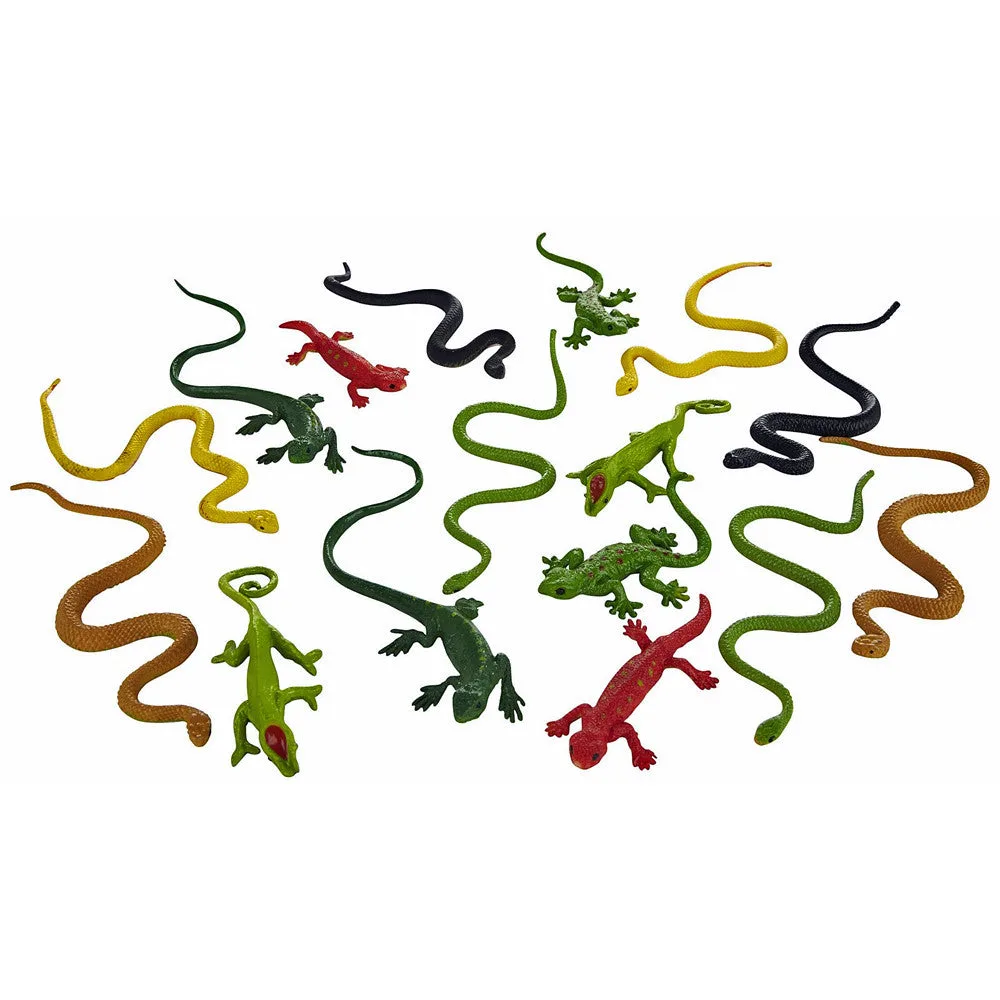
- Reptile Collection Toob: Handpainted phthalate free plastic. Set includes Yellow Snake, Black Snake, Orange Snake, Green Snake, Green Salamander, Red Salamander, Dark Green Lizard and Green Chameleon. About 1.5 to 3.5 inches. Reptiles often symbolize hidden fears or transformation. Having a variety of snakes and lizards lets clients choose figures that resonate with their inner world.
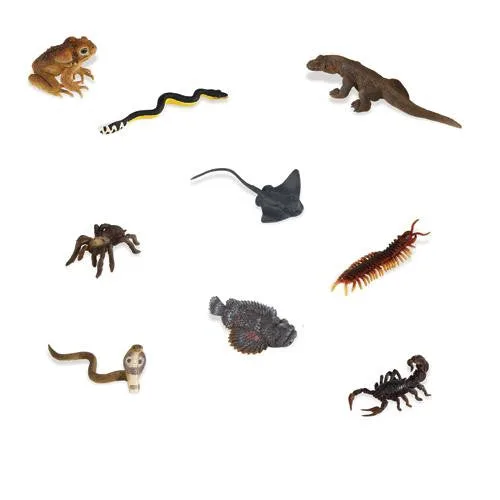
- Venomous Creatures Toob: Each mini figure is carefully sculpted and finely painted by hand to ensure realism. These tiny, yet highly detailed figures depict venomous creatures from around the world. They are perfect for sand play and representing a variety of fears, wishes, and impulses. Venomous creatures can represent danger, anger, or protective impulses. Their realistic detail helps clients project strong emotions onto the figures.
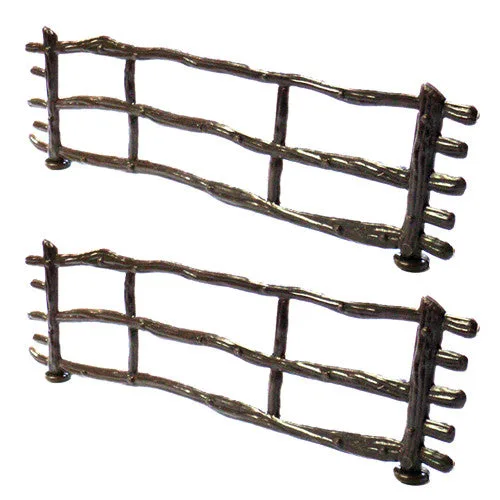
- Fences (Set of 12): Each piece measures 6 inches long. Set includes 12 fence pieces for ample creative arrangement. Suitable for sand tray therapy, play, and landscape projects. Durable construction designed for repeated use. Fences are versatile symbols of boundaries, protection, or confinement. Having multiple pieces allows clients to create enclosures that reflect their sense of safety or restriction.
Using sand tray miniatures in play therapy is a flexible and powerful technique. By following these steps and staying client-centered, you can help clients externalize their inner world and begin to make sense of it. With practice, you'll develop your own rhythm and style.