Quick Answer
To use scent samples effectively, start by choosing a few fragrances that match your preferred scent family, test them on scent strips or in a small space, and evaluate them over time. Always consider the context—whether for home or car—and use the samples to compare before committing to a full-size product.
Scent samples are a smart way to explore new fragrances without committing to a full-size product. Whether you're shopping for a new home fragrance or a car scent, sampling lets you experience how a fragrance evolves and interacts with your environment. This guide walks you through the process of using scent samples to test fragrances before you buy, so you can make a confident choice.
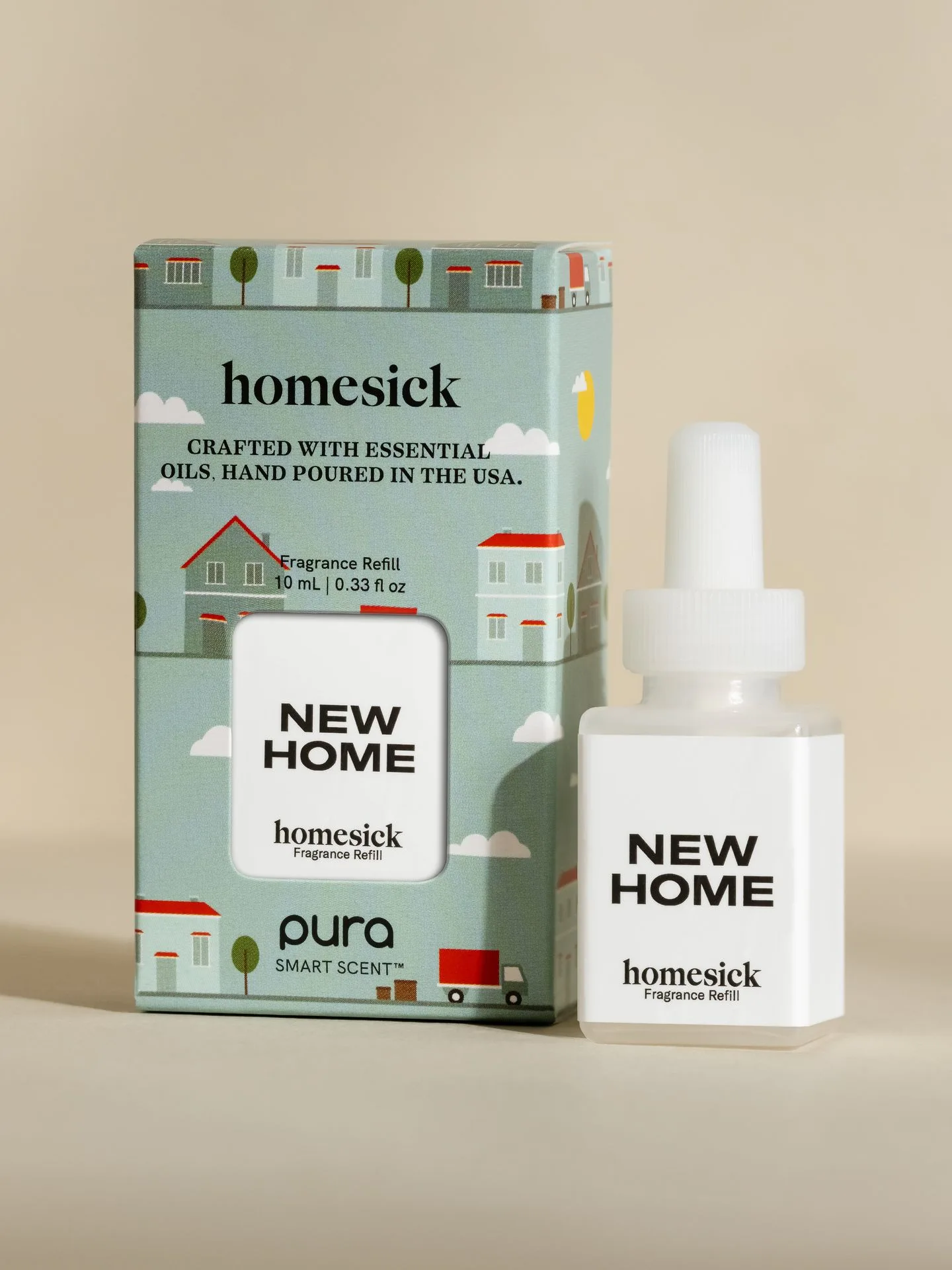
new home
By following a few simple steps, you can avoid the disappointment of a fragrance that smells great in the bottle but doesn't work in your space. From selecting the right samples to evaluating them properly, we'll cover everything you need to know.
Why Scent Samples Matter
Scent samples are essential for making informed fragrance purchases. They allow you to experience a fragrance in your own environment, whether that's your living room or your car. Fragrances can smell different depending on the space, temperature, and even your personal body chemistry if you're testing a personal scent. Samples let you test without the financial commitment of a full-size product.
Another benefit is the ability to compare multiple fragrances side by side. You can discover which scent family you prefer, how strong you like a fragrance, and which notes work best for you. This is especially useful when you're considering a fragrance for a specific purpose, like a cozy fall home scent or a fresh car fragrance.
- Samples help you avoid buyer's remorse.
- They let you test a fragrance in the actual space where you'll use it.
- You can compare several options to refine your taste.
How to Choose the Right Scent Samples
Start by thinking about the mood or atmosphere you want to create. Are you looking for something warm and spicy for the fall, or a fresh, clean scent for your car? Browse the product descriptions and note the fragrance notes. For example, if you love woody scents, you might gravitate toward a fragrance with cedarwood notes. If you prefer something sweet and cozy, look for notes like pumpkin or honey.
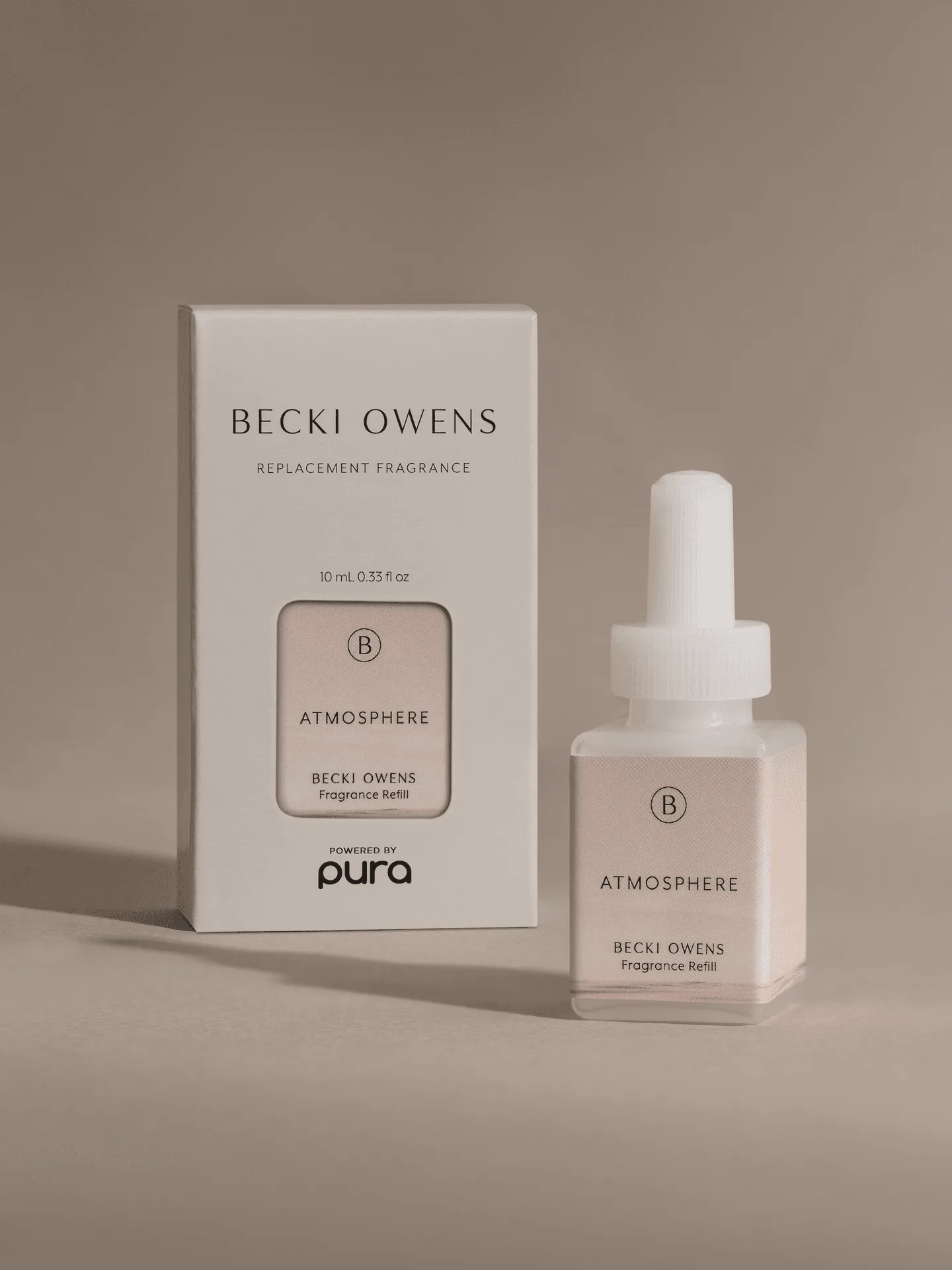
atmosphere
Consider the size of the space where you'll use the fragrance. Larger rooms may need a stronger scent, while small spaces might be overwhelmed by a potent fragrance. Scent samples are a great way to test how a fragrance performs in your specific environment without guessing.
- Choose samples that align with your preferred scent families.
- Think about the room size or car space where you'll use the fragrance.
- Don't be afraid to step outside your comfort zone—samples are low-risk.
How to Test Scent Samples Effectively
Once you have your samples, it's time to test. Start by smelling each sample on a scent strip or a small piece of paper. This gives you an initial impression of the fragrance's top notes. Then, if possible, place a small amount of the fragrance in the intended space—for example, on a cotton ball in a small dish or on a vent clip in your car. Allow it to diffuse for a few minutes and then smell again.
Fragrances evolve over time, so don't judge them solely on the first sniff. Wait at least 30 minutes to experience the heart notes, and if you can, check back after a few hours to see how the base notes develop. This is especially important for home fragrances, as they can change dramatically as they warm up in a room.
- Use scent strips for initial impressions.
- Test in the actual space where you plan to use the product.
- Give the fragrance time to develop before making a decision.
Common Mistakes to Avoid When Using Scent Samples
One common mistake is testing too many fragrances at once. Your nose quickly becomes overwhelmed, and you won't be able to distinguish between scents. Limit yourself to three or four samples at a time, and take breaks to reset your sense of smell by sniffing coffee beans or clean air.
Another mistake is ignoring the context. A fragrance that works well in a large living room might be too strong for a car. Always consider the intended use and test accordingly. Finally, don't rush. Fragrances need time to unfold, so give each sample a fair chance before moving on.
- Don't test more than a few scents in one session.
- Consider the space: home vs. car.
- Be patient—fragrances take time to reveal their full character.
Step-by-Step Guide to Testing Scent Samples
- Step 1: Select Your Samples: Choose 3-4 scent samples that align with the mood you want to create. Consider the fragrance notes and the space where you'll use them. For example, if you're looking for a cozy fall home scent, pick samples with pumpkin or spice notes. Checkpoint: Are these scents suitable for the intended space and season?
- Step 2: Initial Sniff Test: Smell each sample on a scent strip or paper to get a first impression. Note the top notes and how strong the fragrance seems. This helps you narrow down which ones to test further. Checkpoint: Which samples intrigue you the most at first sniff?
- Step 3: Test in the Intended Space: Place a small amount of the fragrance in the actual room or car where you plan to use it. For home fragrances, you could use a cotton ball in a dish; for car fragrances, try a vent clip. Let it diffuse for a few minutes, then experience the scent in context. Checkpoint: Does the fragrance fill the space appropriately without being too strong or too faint?
- Step 4: Evaluate Over Time: Fragrances evolve. Wait at least 30 minutes to an hour and revisit the scent. Notice how the heart and base notes develop. This is crucial because a fragrance can change significantly from the initial spray or diffusion. Checkpoint: How does the scent change over time? Do you like the dry-down?
- Step 5: Compare and Decide: After testing all samples, compare your notes. Consider which scent you enjoyed the most throughout the testing period and which one best fits your space and lifestyle. Now you're ready to purchase the full-size product with confidence. Verdict: Choose the sample that consistently pleased you from start to finish.
Scent Samples to Consider
- Charcoal: Cedarwood, smoky embers, and burnt maple combine with just a hint of raspberry to create a broody and complex fragrance. This is a great choice if you're looking for a deep, complex scent for your home. Sampling it lets you see if the smoky notes work well in your space without being overpowering.
- Honeydew Crush: Refresh your drive as juicy notes of tart grapefruit, lemon, and ripened honeydew mingle with apple blossom, cactus flower, and wild bamboo. If you're testing car fragrances, this sample helps you gauge how a fresh, fruity scent performs in the confined space of a vehicle—perfect for a summer refresh.
Using scent samples is a practical way to explore fragrances and make smart purchasing decisions. By following these steps, you can confidently select a scent that enhances your home or car without the risk of buying a full-size product you don't love. Start with a few samples, test them in the right environment, and enjoy the journey of finding your signature scent.