Quick Answer
Don't wait for the right words. Set a five-minute timer, answer one self-reflection journal prompt in a single sentence, and stop there. If nothing comes, borrow a prompt from a card or book, or write about why the page feels blank. Consistency matters far more than depth, and a guided journal for beginners removes the pressure of inventing topics from scratch.
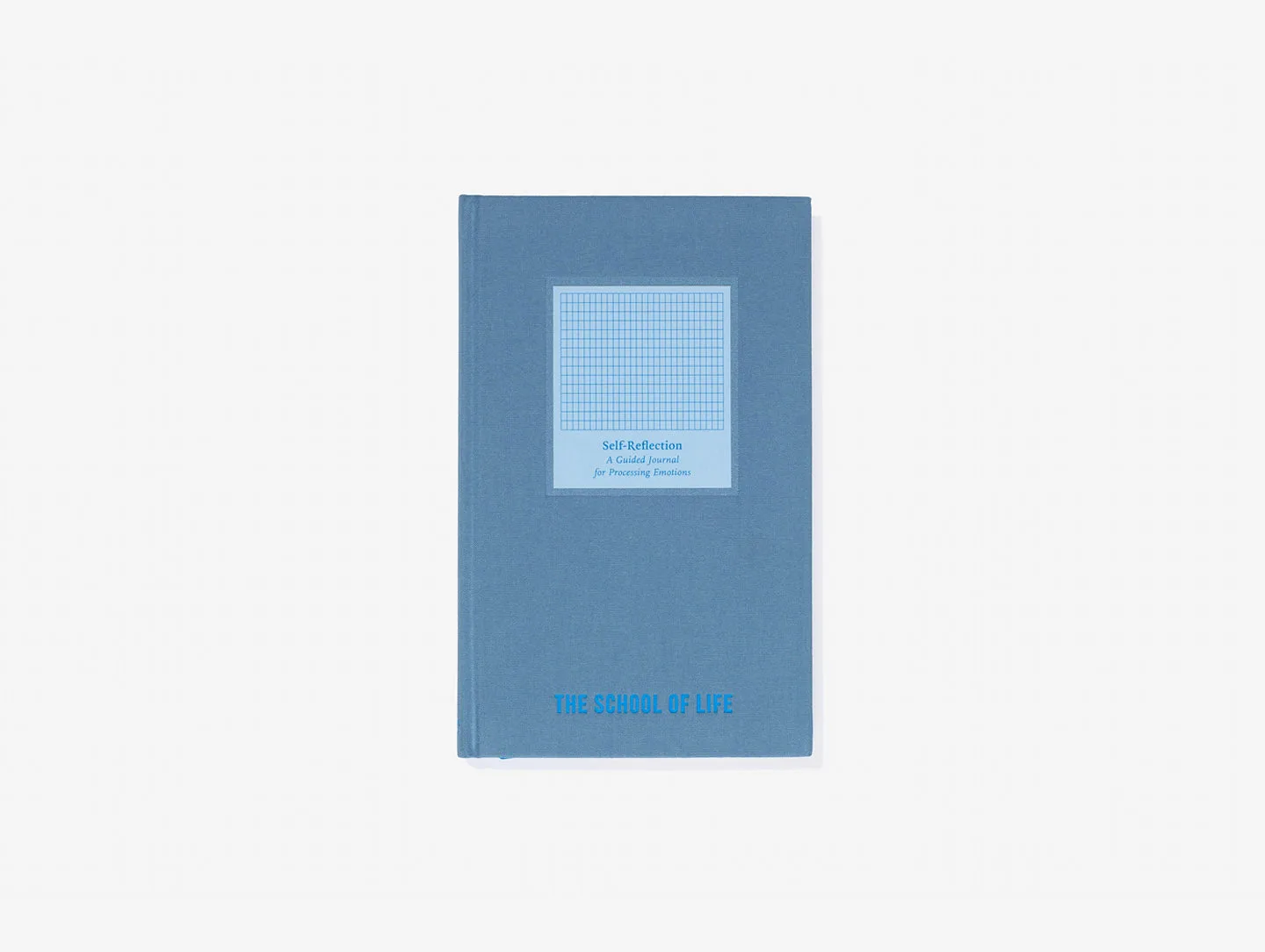
self-reflection journal
The blank page is not a test of your vocabulary. It is a signal that the question you are holding is too big, too vague, or too loaded to answer in one sitting. Almost everyone who keeps a self-reflection journal hits this wall, usually in week two, once the novelty has worn off.
The fix is not more discipline. It is a smaller question and a clearer container. The steps below turn what to write in a self-reflection journal into a repeatable routine, so journaling when stuck becomes a five-minute detour rather than a reason to quit.
Why the Blank Page Happens
Most people freeze because they are trying to write something impressive rather than something true. A journal is not a performance. The moment you aim for insight, your mind starts editing, and editing is the opposite of reflection.
A second cause is scale. 'How am I doing in life?' has no answer you can finish before your coffee goes cold. 'What drained me yesterday?' does. Narrow questions produce usable answers, and usable answers are what keep a habit alive.
A third cause is having no starting point at all. If you are new to this, a guided journal for beginners gives you the question so you only have to supply the honesty.
- Freezing is usually a sign the prompt is too broad, not that you are bad at journaling.
- Aim for one honest sentence, not a page of wisdom.
Set Up the Conditions Before You Write
Choose a fixed time and place, even a modest one: the same chair, the same ten minutes, the same pen. Decision fatigue is real, and every choice you remove makes starting easier. Keep the journal visible rather than filed away in a drawer.
Decide in advance how long you will write. Five to ten minutes is enough. If you sit down without a boundary, the session expands into something you will start avoiding by Thursday.
Keep a backup source of prompts within arm's reach, so a stalled session has somewhere to go instead of ending.
- Common mistake: treating the journal as a special-occasion object rather than a daily tool.
- Checkpoint: if you have skipped three days, shorten the session rather than abandoning it.
Use a Prompt When Your Own Words Won't Come
A good prompt does the hard part for you. It narrows the field, gives you a direction, and lets you respond rather than invent. This is why self-reflection journal prompts work so well when motivation is low: the question arrives ready-made.
If you prefer something tactile, a card-based tool can serve the same purpose. What Do I Really Want To Achieve? contains 160 cards detailing common ambitions and longings, along with instructions on reflecting on goals, arranging them in order of priority, and weighing up trade-offs. Drawing one card gives you a concrete subject for the session.

What Do I Really Want To Achieve?
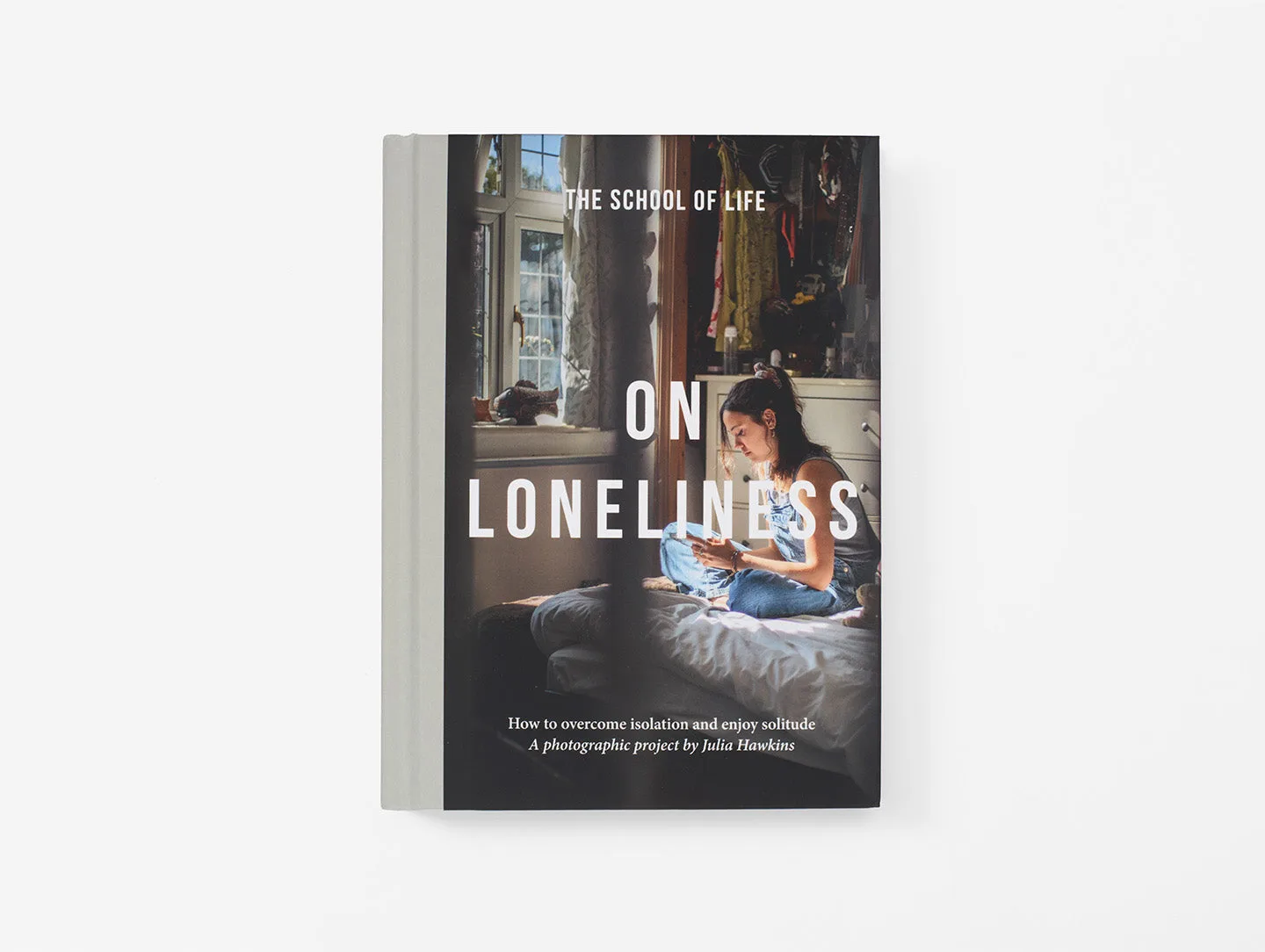
If you would rather read your way into a question, a short book can supply the framing. On Mental Illness is described as a compassionate and hopeful guide to emotional wellbeing, and it makes the case that we should not exempt our minds from the help we would readily seek for any other organ.
- Common mistake: collecting prompts instead of answering one of them.
- Checkpoint: if a prompt produces nothing after two minutes, swap it rather than forcing it.
Write Small, Specific, and Unpolished
Answer in concrete details rather than abstractions. Not 'I felt anxious' but 'I felt anxious before the 9am call and checked my phone four times.' Specifics give you something to work with later; abstractions evaporate.
Write in fragments if full sentences feel heavy. Lists, single words, and half-finished thoughts are all legitimate entries. The page is a workspace, not a manuscript.
Resist the urge to resolve anything. A journal entry can end mid-problem. Resolution is what later entries are for.
- Common mistake: editing as you go, which turns reflection into composition.
- Checkpoint: if you have written one specific detail, the session has done its job.
Handle the Days When Nothing Comes at All
On those days, write about the block itself. Describe what you did today, what you are avoiding, or what you would write if you were not tired. This is not a workaround; it is often the most revealing entry of the week.
A second option is to borrow someone else's beginning. Complete The Story is a set of cards that each present the start of a story and invite you to imagine the rest, offering an entertaining way to learn about what is really going on in your mind. Finishing a fictional scene can loosen the same material that direct questioning could not reach.
A third option is to talk instead of write. The Therapy Game is built around learning to talk and to listen, and its premise is that a good conversation gives us space to speak without interruption or aggressive advice. If writing has gone stale, a structured conversation can restart it.
- Common mistake: deciding a blocked day means the practice isn't for you.
- Checkpoint: a two-line entry still counts as showing up.
Review Occasionally, but Don't Over-Analyse
Once a month, read back over a few entries. Look for repeated words, recurring situations, and questions you keep circling. Patterns are the real output of a self-reflection journal, not any single entry.
Keep the review short and non-judgemental. The goal is to notice, not to grade yourself or build a case against your past self.
If you want a broader structure around the habit, The Emotional Education Collection is a gift set that delivers an alternative emotional curriculum, featuring What They Forgot To Teach You At School, Who Am I?, 15 Minute Timer, Know Yourself, Stoicism Cards, On Self-Hatred, and the Emotional Barometer. It is a larger commitment, so choose it only if you want a whole framework rather than a single prompt source.
- Common mistake: turning the review into a performance assessment.
- Checkpoint: one pattern noticed per month is enough.
Six Steps for a Stalled Session
- Step 1: Shrink the session: Set a five-minute timer and commit to one sentence rather than a full page. Checkpoint: if five minutes feels like too much, make it two.
- Step 2: Pick one prompt, not a list: Choose a single question from a card set, book, or your own list and answer only that. Common mistake: browsing for the perfect prompt instead of answering an adequate one.
- Step 3: Write concrete detail: Replace general statements with what actually happened, where, and when. Checkpoint: one specific detail means the entry is working.
- Step 4: Allow fragments: Use lists, single words, or unfinished sentences if full prose feels heavy. Common mistake: editing for style, which stops the reflection.
- Step 5: Write about the block: If nothing comes, describe the blankness, what you are avoiding, or what you would say if you were not tired. Checkpoint: this entry often turns out to be the most useful of the week.
- Step 6: Switch medium if needed: Draw a card, finish a fictional story opening, or have a structured conversation instead of writing. Common mistake: quitting the habit because one format stopped working.
Tools That Help When You're Stuck
- What Do I Really Want To Achieve?: A tool to focus your life's goals and priorities, containing 160 cards detailing common ambitions and longings, with instructions on reflecting on goals, arranging them in order of priority, and weighing up trade-offs. When you cannot think of a topic, drawing a card supplies one, and the priority and trade-off instructions give your entry a structure beyond free writing.
- Complete The Story: A set of cards that each present the beginnings of a story and invite you to imagine the rest, described as an entertaining way to learn about what is really going on in your mind. Useful on days when direct self-questioning feels too exposing; finishing a fictional scene can surface the same material indirectly.
- The Therapy Game: A game built around learning to talk and to listen, based on the idea that a good conversation gives us space to speak without being interrupted or pushed toward someone else's advice. A practical alternative when writing has stalled and a structured conversation would restart your thinking.
- On Mental Illness: Described as a compassionate and hopeful guide to achieving emotional wellbeing, arguing that we should not make an exception of our minds when it comes to seeking help. Reading a short framing chapter can generate a prompt of your own when you want context rather than a card draw.
A self-reflection journal does not need to be deep to be useful. It needs to be opened. Lower the bar to one sentence, keep a prompt source nearby, and let the blank page be a signal to ask a smaller question rather than a reason to close the notebook.