Quick Answer
To use a shampoo bar, wet your hair and the bar, rub the bar between your hands or directly on your hair to create a rich lather, massage your scalp, then rinse thoroughly. Follow with a conditioner bar and store the shampoo bar in a dry place. This method works for all hair types, including sensitive scalps.
Switching from liquid shampoo to a shampoo bar is a simple way to cut plastic waste and simplify your hair care routine. But if you've never used one, the first attempt can feel awkward—bars don't sud up the same way as bottled formulas, and the technique matters more than you'd think. With a few adjustments, you'll get the same clean, soft results, often with fewer ingredients.
In this guide, we'll walk through the exact steps for using a shampoo bar, from prepping your hair to storing the bar properly. We'll also cover common mistakes and how to adapt the routine for a sensitive scalp, plus how shampoo bars compare to liquid shampoo so you can decide if they're right for you.
Why Shampoo Bars Are Different
Shampoo bars are concentrated, solid versions of liquid shampoo. They contain similar cleansing agents, but without the extra water that makes up most of a bottle. That means a little bar goes a long way—most last as long as two to three bottles of liquid shampoo. Because they're solid, they're also travel-friendly and don't count toward your liquids limit at airport security.
The key difference is the lather. Liquid shampoos often contain foaming agents that create instant suds, while natural shampoo bars rely on saponified oils or gentle surfactants that need a bit more friction and water to foam. This doesn't mean they clean less effectively—it just means you need to adjust your technique. Once you master the lather, you'll find the results are just as clean, often without the dryness that some liquid formulas can cause.
- Shampoo bars are more concentrated, so a little product goes a long way.
- Natural bars may produce less foam—this is normal and not a sign of poor cleaning.
Step-by-Step: How to Use a Shampoo Bar
Start by thoroughly wetting your hair and the shampoo bar. Warm water helps open the hair cuticle and allows the bar to lather more easily. Hold the bar under the water for a few seconds, then rub it between your palms or directly along your hair from roots to ends. You should see a creamy lather forming—if not, add a little more water and keep rubbing.
Once you have enough lather, massage it into your scalp using your fingertips, not your nails. Focus on the roots, where oil and buildup accumulate. Work the lather through to the ends, but avoid scrubbing them—they're more fragile. Rinse thoroughly with cool or lukewarm water until no suds remain. Follow with a conditioner bar if your hair needs extra moisture, then gently squeeze out excess water and pat dry with a towel.
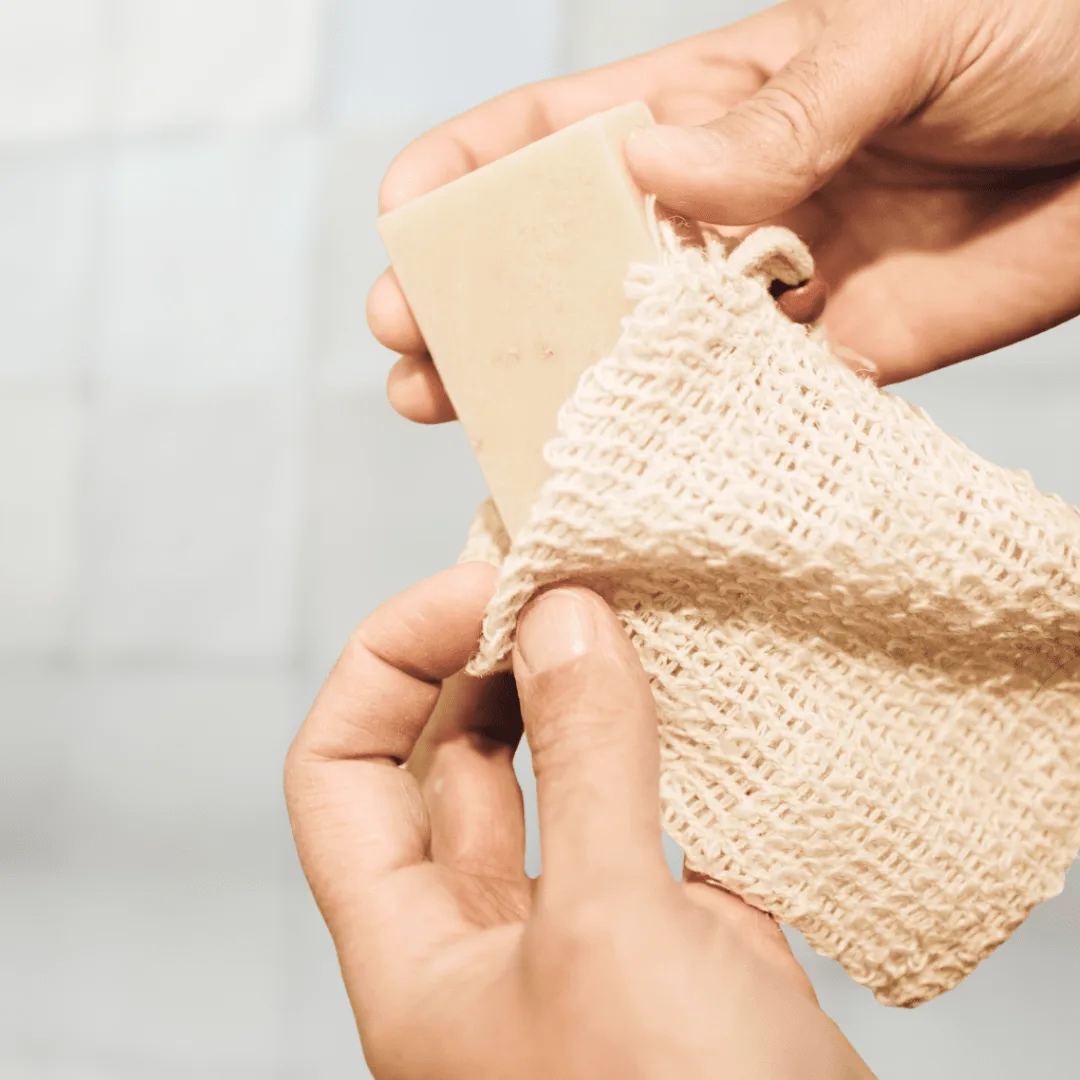
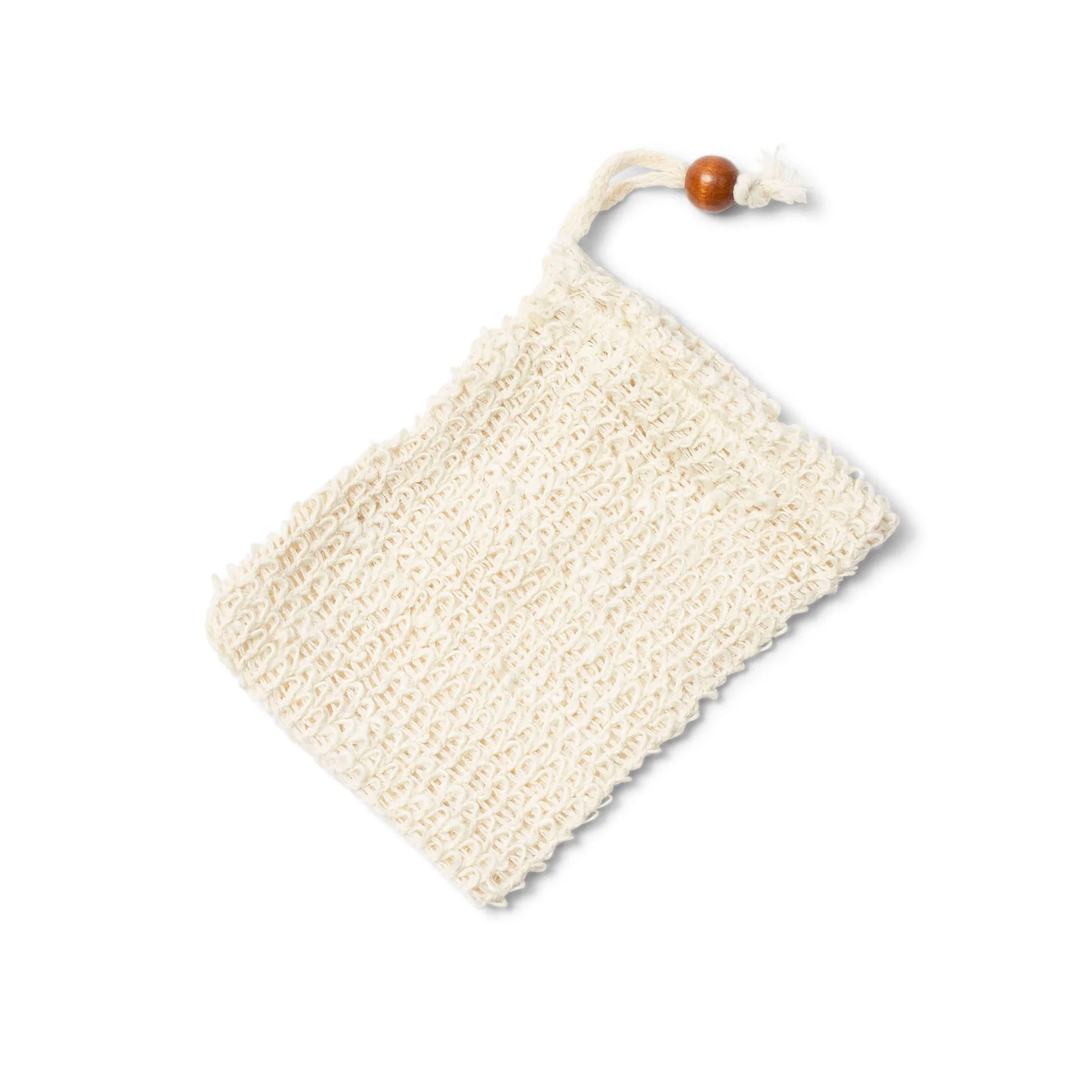
After use, rinse the bar itself and place it on a draining soap dish or a https://prettyfarmgirleuh.com/products/sisal-soap-saver-bag-5-6c72007254eba5965ca5979b-771828sisal soap saver bag. Keeping it dry between uses prevents it from dissolving too quickly and extends its life. If you have hard water, you might notice a slight film on the bar—this is normal and doesn't affect performance.
- Don't rub the bar directly on your hair—this can cause tangling and waste product. Lather in your hands first.
- If you have a sensitive scalp, do a patch test on your inner arm before using a new bar, and choose fragrance-free options.
Common Mistakes and How to Avoid Them
The most common mistake is not wetting your hair enough. Shampoo bars need water to lather, and if your hair is only slightly damp, you'll get a weak, patchy lather. Make sure your hair is completely soaked before you start. Another mistake is using too much product—a few swipes of the bar are enough. Over-lathering can strip your hair of natural oils, leaving it dry and brittle.
Skipping the conditioner is another frequent error. Shampoo bars, especially those with strong cleansers, can leave hair feeling rough if you don't follow up with a conditioner. Even if your hair is naturally oily, a light conditioner on the ends can prevent breakage. Finally, don't store the bar in a puddle of water. Use a well-draining dish or a soap saver bag to keep it dry and extend its lifespan.
- If your hair feels waxy or coated, you might be using too much bar or not rinsing enough. Try a clarifying rinse with diluted apple cider vinegar once a month.
Shampoo Bar vs. Liquid Shampoo: Which Is Right for You?
Shampoo bars are an excellent choice if you want to reduce plastic waste, save money in the long run, and simplify your shower routine. They're also great for travel and for those with sensitive skin, as many natural bars are free from sulfates, parabens, and synthetic fragrances. However, they can take some getting used to, and the lather may not be as rich as what you're used to with liquid formulas.
Liquid shampoos are convenient and familiar, with a wider range of specialized formulas for every hair concern. But they often contain more water, preservatives, and synthetic ingredients. If you have a sensitive scalp, you might find that a fragrance-free shampoo bar is gentler than a scented liquid shampoo. Ultimately, the best choice depends on your priorities: eco-friendliness and simplicity favor bars, while convenience and variety favor liquids.
- For a gentle, fragrance-free option, look for shampoo bars labeled for sensitive skin, like those with natural ingredients and no essential oils.
Your Shampoo Bar Routine in 5 Steps
- Wet hair and bar thoroughly: Hold the bar under warm water for a few seconds, and make sure your hair is completely soaked from root to tip. Checkpoint: If you don't see lather, add more water.
- Create lather in your hands: Rub the bar between your palms or glide it lightly over your hair, then work the suds through your scalp with your fingertips. Checkpoint: Avoid scrubbing the ends—focus on the scalp.
- Massage and cleanse: Spend at least a minute massaging your scalp in circular motions to lift oil and buildup. Let the lather sit briefly. Checkpoint: If your scalp feels tight after rinsing, you may need a gentler bar.
- Rinse thoroughly: Use lukewarm or cool water to rinse until no suds remain. Cool water helps seal the cuticle for extra shine. Checkpoint: If hair feels squeaky, you've rinsed enough—squeaky means stripped.
- Dry and store the bar: Gently squeeze excess water from your hair, then place the bar on a draining dish or in a sisal soap saver bag to dry. Checkpoint: A dry bar lasts longer—don't leave it in a puddle.
Products That Fit This Routine
- Smooth & Shine Bundle for Moisture and Strength: A reparative, peptide-rich routine that deeply strengthens and moisturizes hair for smooth, healthy, frizz-free hair. Includes a gentle Shampoo Bar that quickly lathers to remove dirt, oil, and build-up while preserving your hair’s hydration, plus a Conditioner Bar that reinforces strands. This bundle gives you both the shampoo bar and a matching conditioner bar, so you can follow the full routine without guessing which products work together. The gentle lather is ideal for beginners.
- Dry Shampoo for Volume & Strength: A lightweight, non-aerosol dry shampoo powder that absorbs oil, adds volume and shine, and strengthens hair. It contains protein-rich ingredients and soothes the scalp. On days between washes, this dry shampoo helps extend the life of your style without stripping your hair. It's a great complement to a shampoo bar routine, especially for those with oily roots.
Using a shampoo bar is a small change that can make a big difference for your hair and the planet. With the right technique—proper wetting, lathering, and rinsing—you'll get soft, clean hair without the plastic waste. Start with a gentle bar, follow the steps, and soon it'll feel like second nature.