Quick answer
Shapes Bean Bags are a versatile tool for teaching shape and color recognition through active, sensory play. Use them in tossing games, matching activities, and word-spelling exercises to reinforce learning in a fun, hands-on way.
Why Shapes Bean Bags Work for Autistic Learners
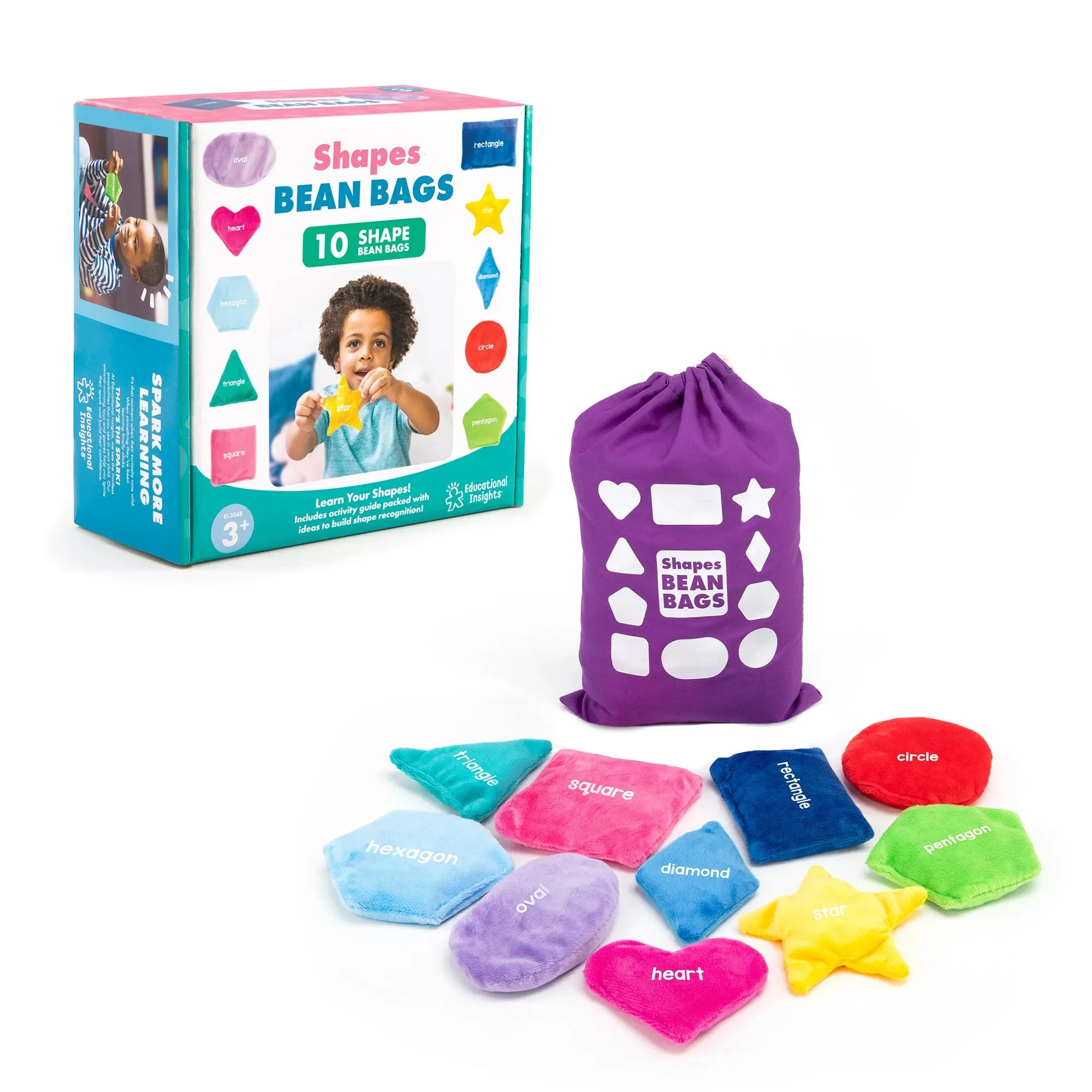
Shapes Bean Bags combine visual, tactile, and kinesthetic learning in one activity. Each bean bag is a different color and shape, embroidered with the shape word, so children can see, feel, and hear the shape name as they play. This multisensory approach is especially effective for autistic children who benefit from concrete, hands-on learning experiences.
The set includes 8 bean bags, each in a distinct color and shape, plus activity suggestions. The soft fabric and gentle weight make them easy to grasp and toss, supporting fine and gross motor skill development. Because the bean bags are durable and washable, they hold up well to repeated use in classrooms or at home.
Setting Up for Success
Before starting, choose a quiet, clutter-free space where the child can move freely. Place the bean bags in a basket or tray so the child can see all the options. If the child is sensitive to textures, let them explore one bean bag at a time before introducing the full set. Keep sessions short—5 to 10 minutes—and follow the child’s lead to maintain engagement.
Step-by-step activities using Shapes Bean Bags
- Step 1: Introduce one shape at a time: Start with a single bean bag, such as the circle. Show the child the shape, say its name, and let them hold and feel it. Trace the shape with your finger and encourage the child to do the same. Repeat the name several times. Common mistake: introducing too many shapes at once can overwhelm the child. Stick to one until they show recognition. Checkpoint: The child can point to or hand you the correct shape when asked.
- Step 2: Play a color-matching toss game: Place a colored mat, piece of paper, or hula hoop on the floor. Ask the child to find the bean bag that matches that color and toss it onto the target. For example, say “Find the red square” and have them toss it onto the red mat. This reinforces both color and shape identification. Common mistake: using a target that is too far or too small can frustrate the child. Adjust distance and target size based on their motor skills. Checkpoint: The child can correctly match at least two colors to their bean bags.
- Step 3: Practice shape word spelling: After the child is familiar with the shapes, point to the embroidered word on the bean bag and say each letter aloud. For a more advanced activity, have the child arrange letter tiles or magnetic letters to spell the shape word. Common mistake: skipping the spoken word and just pointing can miss the auditory learning component. Always say the word and letters out loud. Checkpoint: The child can identify the first letter of the shape word or spell a simple word like “star” with help.
- Step 4: Create a shape scavenger hunt: Hide the bean bags around the room and give the child a simple checklist with pictures or words of each shape. As they find each bean bag, they match it to the checklist and say the shape name. This adds movement and excitement to the learning process. Common mistake: hiding bean bags in places that are too hard to find can lead to frustration. Start with visible spots and increase difficulty gradually. Checkpoint: The child can find and name at least four different shapes independently.
- Step 5: Use bean bags for gross motor practice: Set up a simple target like a bucket or a large bowl. Have the child stand a few feet away and toss the bean bag while naming the shape. This builds arm strength, hand-eye coordination, and shape recall simultaneously. Common mistake: focusing only on the toss and forgetting to reinforce the shape name. Pause after each toss to ask “What shape did you throw?” Checkpoint: The child can toss the bean bag into the target and correctly name the shape at least three times in a row.
Product spotlight
- Shapes Bean Bags: These bean bags featuring shapes kinesthetically reinforce shapes and make a fun tossing game. In the set, there are 8 bean bags for active play each in a different color and shape and embroidered with a shape word. The combination of color, shape, and printed word on each bean bag allows children to learn through multiple senses at once, which can improve retention and make abstract concepts like shape names more concrete.