Quick Answer
To use a silicone trivet effectively, place it on a dry, flat surface before setting down any hot cookware or dishes. Choose a trivet that is larger than the base of your pan or pot for stability, and always ensure it is clean and dry to prevent slipping. This simple step protects your countertops from heat damage and adds a stylish touch to your table.
Silicone trivets are a versatile kitchen essential that not only protect your countertops from heat but also add a pop of color and style to your dining table. Whether you're serving a family dinner or hosting a gathering, knowing how to use a silicone trivet correctly ensures your surfaces stay safe and your presentation looks polished.
Unlike traditional trivets made of wood or metal, silicone trivets are heat-resistant, non-slip, and easy to clean. They can handle hot pans straight from the stove or oven, making them a practical choice for any home cook. In this guide, we'll walk you through the best practices for using silicone trivets, from placement to maintenance, so you can get the most out of this handy accessory.
Why Choose a Silicone Trivet?
Silicone trivets offer several advantages over other materials. They are heat-resistant up to high temperatures, typically around 450°F (232°C) or more, making them safe for hot pots, pans, and baking dishes. Their non-slip surface keeps cookware securely in place, reducing the risk of accidental spills or burns.
Additionally, silicone trivets are flexible and lightweight, so they can be rolled up for storage when not in use. They come in various shapes, sizes, and colors, allowing you to match them to your kitchen decor or table setting. Unlike cork or fabric trivets, silicone does not absorb liquids or odors, making it more hygienic and easier to clean.
- Always check the temperature rating of your silicone trivet to ensure it's suitable for your cookware.
- If you're using a trivet for serving, consider choosing a color that complements your dinnerware.
How to Place a Silicone Trivet Correctly
The key to effective trivet use is placement. Always put the trivet on a dry, flat, and stable surface. A wet or uneven countertop can cause the trivet to slide, which defeats its purpose. Make sure the area is clean and free of crumbs or debris that might create a bumpy surface.
When setting down a hot pan, center it on the trivet so that the weight is evenly distributed. If you're placing multiple dishes, use separate trivets to avoid overcrowding. For extra-large pots or roasters, consider using two trivets side by side to provide adequate support.
- For serving, place the trivet on the table before bringing the hot dish out, so you don't have to juggle both.
- If your trivet has a hanging loop, you can store it within easy reach of your stove or oven.
Caring for Your Silicone Trivet
Silicone trivets are incredibly easy to maintain. After use, allow them to cool completely before washing. You can wash them by hand with warm soapy water or place them on the top rack of your dishwasher. Avoid using abrasive scrubbers that could damage the surface.
To keep your trivets looking new, store them flat or rolled, away from direct sunlight, which can cause fading over time. With proper care, a high-quality silicone trivet can last for years, providing reliable protection for your countertops and tables.
- If your trivet gets stained from colored foods, soak it in a mixture of baking soda and water before washing.
- Do not use silicone trivets as cutting boards, as they are not designed for knife contact.
Step-by-Step: Using a Silicone Trivet
- Step 1: Choose the Right Size: Select a trivet that is at least as large as the base of your cookware. For larger pots, use multiple trivets to distribute weight evenly. Check: The trivet should be fully covered by the pan's base for maximum stability.
- Step 2: Prepare the Surface: Ensure the countertop or table is dry, clean, and flat. Wipe away any moisture or crumbs that could cause slipping. Check: Run your hand over the surface to feel for any bumps or residue.
- Step 3: Place the Trivet: Set the trivet down gently, making sure it lies flat. If using multiple trivets, position them close together to create a larger support area. Check: Give the trivet a slight press to ensure it's fully in contact with the surface.
- Step 4: Set Down the Hot Item: Carefully place the hot pan or dish onto the trivet, centering it to avoid tipping. Avoid sliding the cookware across the trivet, as this can cause scratches. Check: Gently nudge the pan to see if it wobbles; if it does, reposition it.
- Step 5: Serve and Enjoy: If serving at the table, leave the trivet under the dish to protect the table surface. When dinner is done, allow the trivet to cool before cleaning. Check: After the meal, remind guests that the trivet is heat-resistant but the dish may still be hot.
Product Facts: What to Know
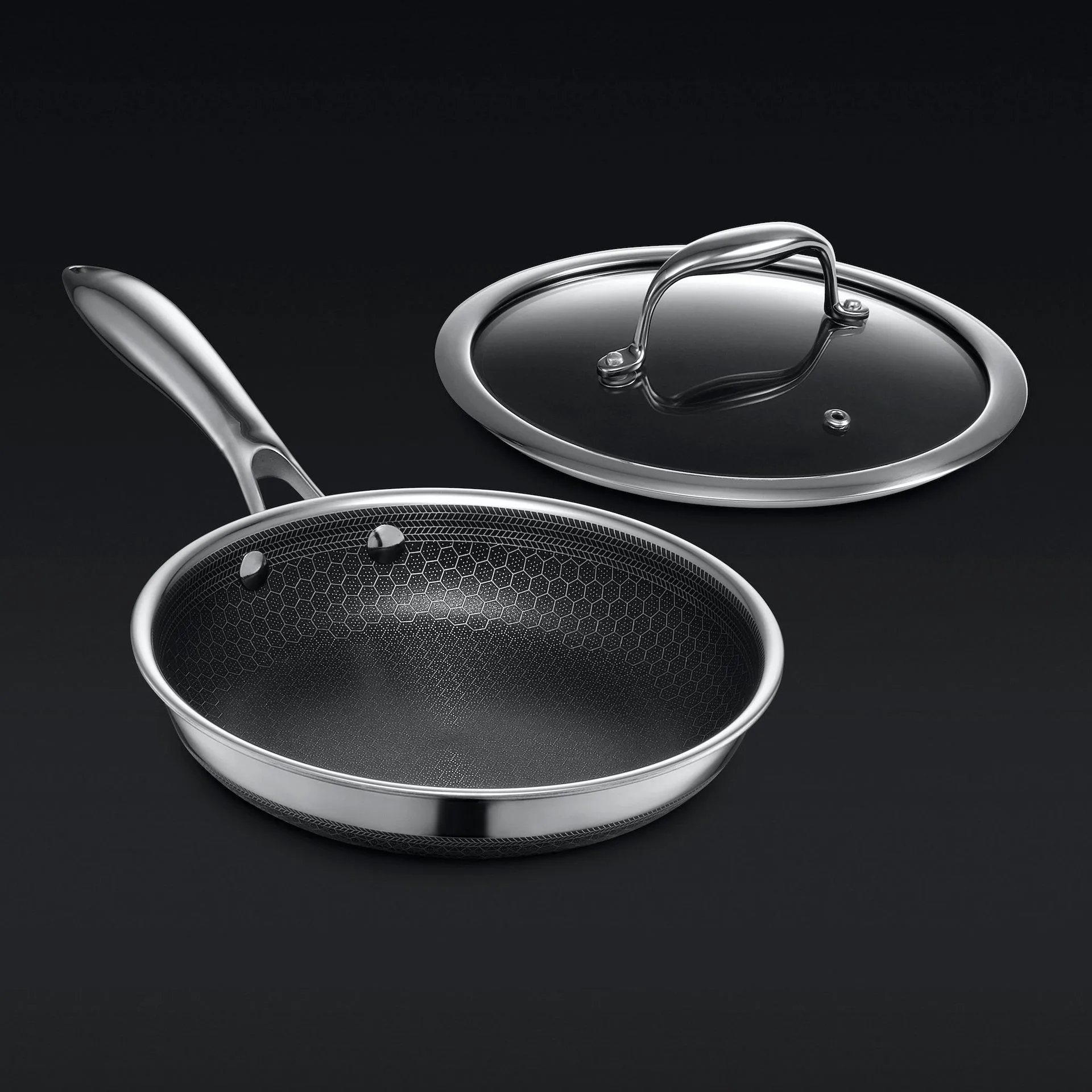
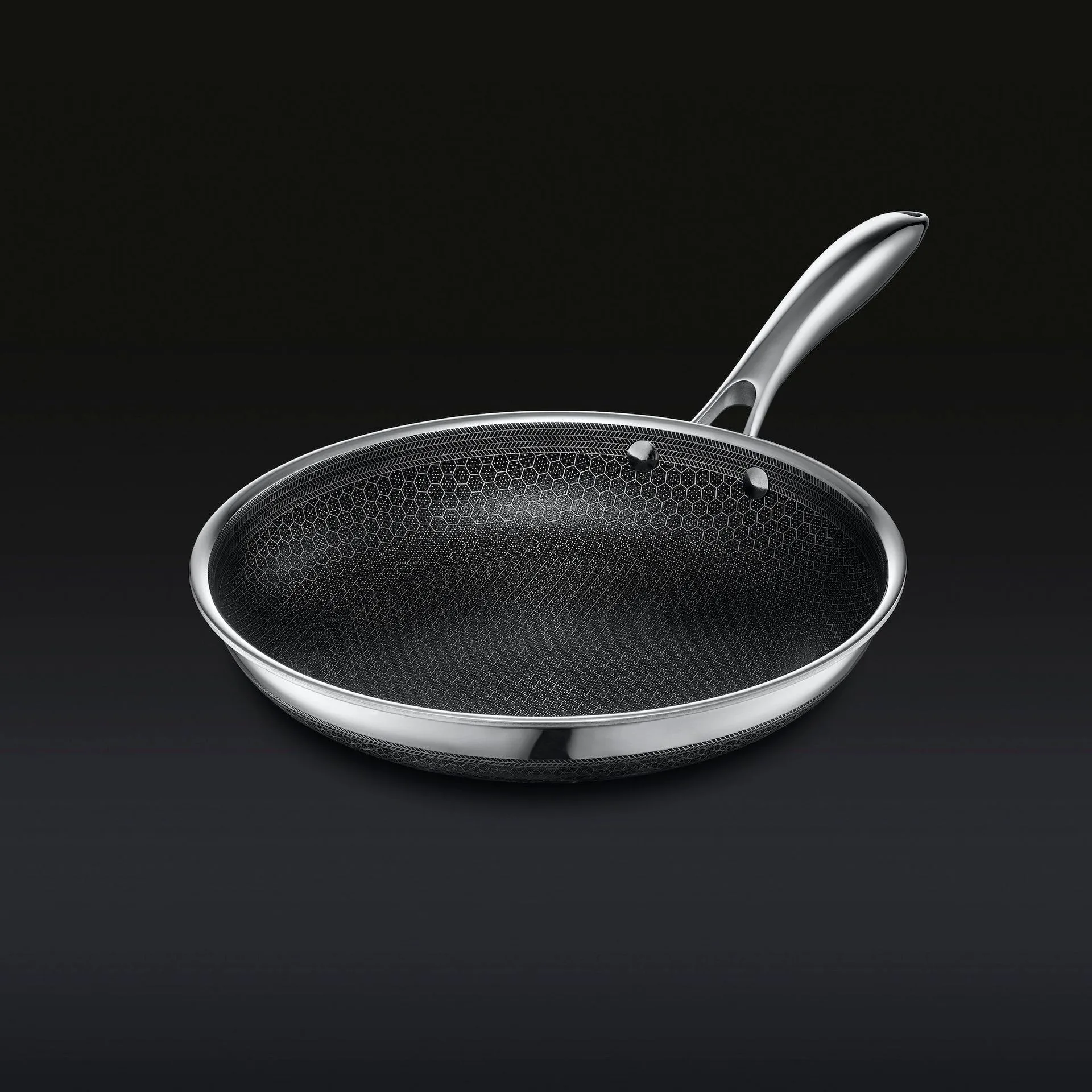
- Hybrid Fry Pan with Lid, 10": You’ll reach for this go-to pan regularly when you’re cooking something larger. Think: searing multiple pieces of meat, sautéeing veggies, simmering sauces or cooking a family-sized side. A matching tempered-glass, vented lid allows for easy monitoring. When using this versatile pan, a silicone trivet provides a safe landing spot for the hot pan, protecting your countertop while you check on your dish.
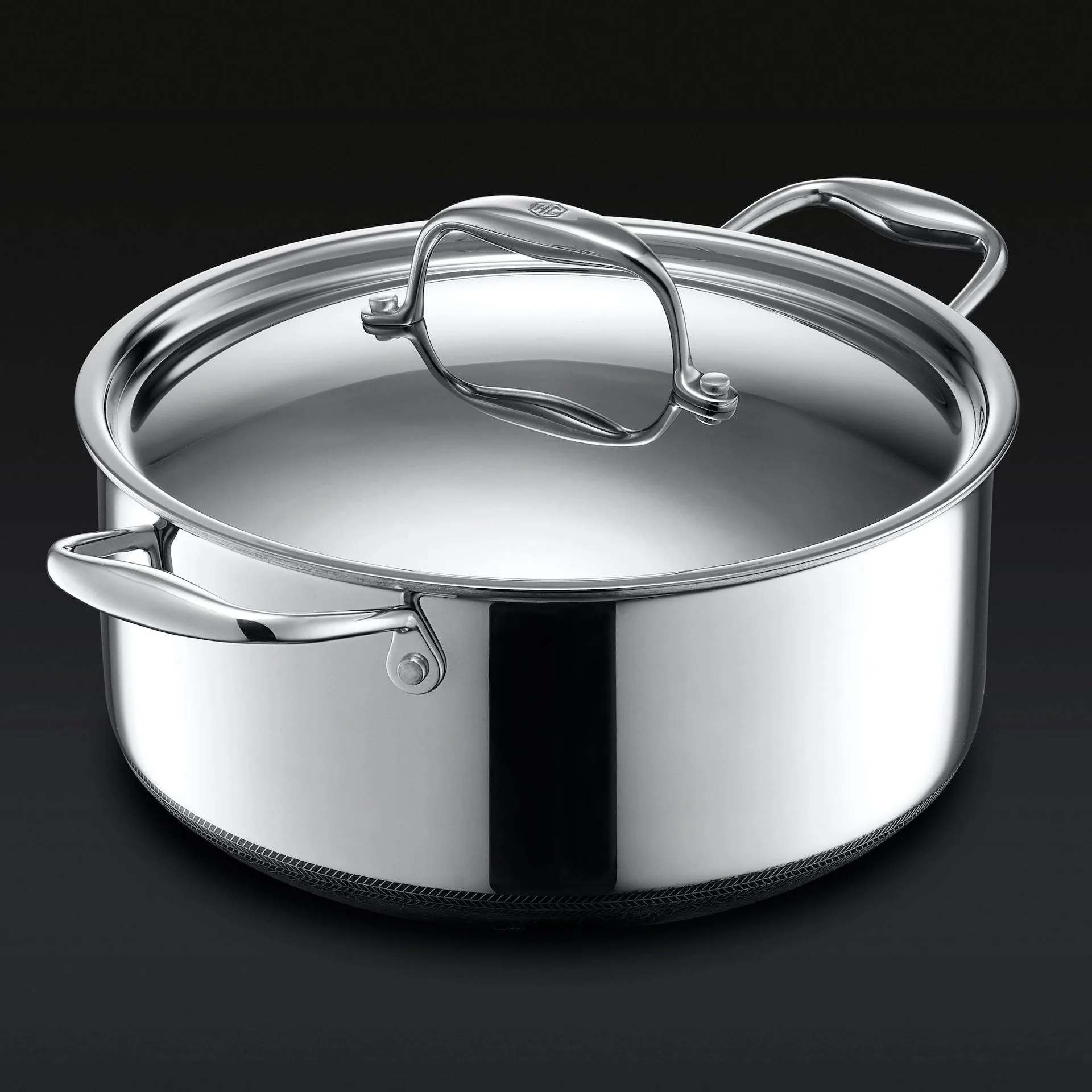
- Hybrid Deep Sauté Pan with Lid, 5.5-Qt: There’s a lot to love about this deep sauté pan. Its depth – a full 3.5 inches – means it won’t meet a chicken thigh it can’t sear and braise. At a foot wide, it’s about the size of a typical skillet, but because of its tri-ply construction – stainless steel enveloping aluminum – it’s light. (Not cartoonishly heavy, like cast-iron.) You’re going to want to keep this one-pot meal workhorse on the closest burner for... The deep sauté pan's generous size and weight are well-supported by a large silicone trivet, ensuring stability when serving directly from the stove.
A silicone trivet is a small but mighty tool that keeps your kitchen and dining areas safe and stylish. By following these simple steps, you can protect your surfaces from heat damage, prevent accidents, and elevate your serving presentation. Whether you're using a heavy pan from HexClad or a delicate casserole, a trusty silicone trivet is a must-have accessory in any home.