Quick Answer
To reduce the risk of bloat, feed your dog from a slow feeder bowl, portion meals correctly, and encourage calm eating habits. Use a slow feeder like the SodaPup Great Outdoors Slow Feeder to slow down gulping and promote better digestion.
Why Slow Feeders Help Prevent Bloat
Bloat, or gastric dilatation-volvulus (GDV), is a serious condition where the stomach fills with gas and can twist. While no feeding method guarantees prevention, slowing down eating reduces the amount of air swallowed, which is a known risk factor. A slow feeder dog bowl forces your pup to work for each bite, naturally reducing speed and air intake.
Slow feeders also encourage smaller bites and more chewing, which aids digestion and helps your dog feel full sooner. This can be especially helpful for breeds prone to bloat, such as deep-chested dogs, or for any dog that inhales food in seconds.
Choosing the Right Slow Feeder
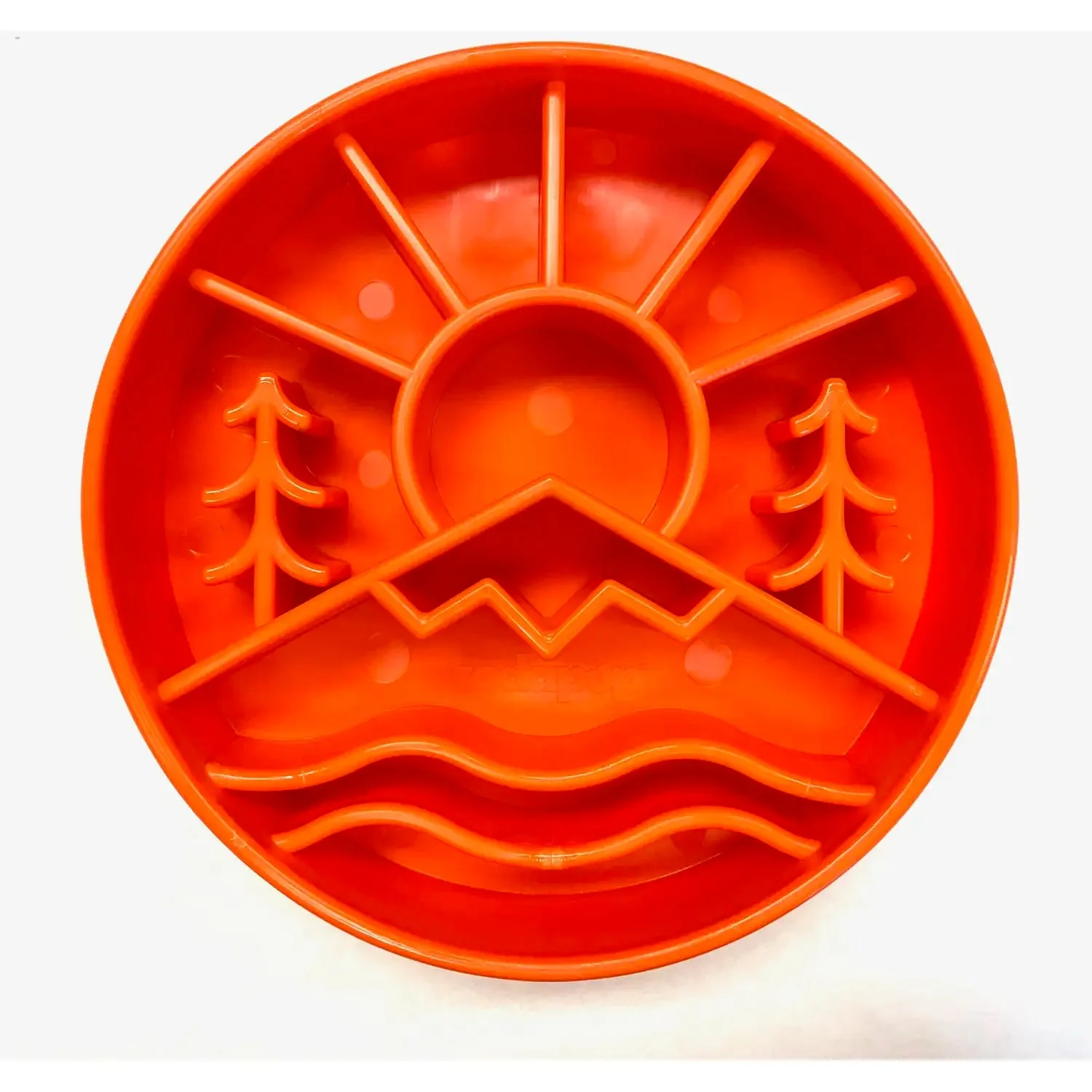
Not all slow feeders are equal. Look for one with varied obstacles that challenge your dog without causing frustration. The SodaPup Great Outdoors Slow Feeder features rivers, forests, and mountain peaks in its design, offering multiple ridges and valleys that naturally slow down eating while adding mental enrichment.
Consider your dog's size and eating style. Some dogs may need a bowl with deeper pockets, while others might prefer a flatter surface. If your dog is a heavy chewer, choose a durable, non-toxic material that can withstand some gnawing.
Step-by-Step: Using a Slow Feeder to Prevent Bloat
- Step 1: Choose the Right Bowl: Select a slow feeder that matches your dog's size and eating speed. For most dogs, a bowl with multiple ridges and valleys works well. The SodaPup Great Outdoors Slow Feeder is a great choice for its durable, adventure-themed design. Check that the bowl is stable and doesn't slide around during feeding.
- Step 2: Portion the Meal Correctly: Measure your dog's usual portion and place it evenly in the bowl, spreading food into the crevices. Avoid overfilling, as this can make it too easy to gulp. Use a measuring cup to keep portions consistent and prevent overfeeding.
- Step 3: Introduce Gradually: If your dog is new to a slow feeder, start with a small amount of food or mix in a few treats to make it positive. Supervise the first few meals to ensure your dog doesn't get frustrated. If your dog flips the bowl, choose a heavier or non-slip model.
- Step 4: Encourage Slow, Calm Eating: Place the bowl on a non-slip surface and keep the environment quiet. If your dog still finishes too fast, consider splitting the meal into two smaller servings with a pause in between. Never rush your dog; allow at least 20 minutes for a meal.
- Step 5: Monitor and Adjust: Watch your dog during and after meals. If you notice signs of discomfort, excessive gas, or regurgitation, consult your vet. Adjust the feeder type or portion size as needed. Keep a log of eating times and any symptoms to share with your vet.
Product Spotlight
-
SodaPup Great Outdoors Slow Feeder: The SodaPup Great Outdoors Slow Feeder is inspired by the Colorado Rockies and features rivers, forests, and mountain peaks in its design. The varied terrain creates natural obstacles that slow down fast eaters and add mental stimulation during mealtime.
SodaPup Great Outdoors Slow Feeder