Quick Answer
Use smoked salt as a finishing salt after grilling or roasting to add a subtle smoky flavor without overpowering the dish. For best results, sprinkle it on just before serving, and pair it with foods that benefit from a hint of smoke, like steak, chicken, or roasted vegetables.
Smoked salt is a versatile ingredient that can elevate your grilling and roasting game with minimal effort. Unlike regular salt, it carries a distinct smoky aroma that can mimic the flavor of a wood-fired grill, even when you're cooking indoors.
In this guide, we'll show you how to use smoked salt effectively, covering when to add it, how much to use, and common mistakes to avoid. Whether you're a seasoned grill master or a home cook, these tips will help you get the most out of this flavorful seasoning.
Why Use Smoked Salt?
Smoked salt is made by smoking salt crystals over wood, which infuses them with a deep, savory flavor. It comes in various types, such as alder, hickory, or cherrywood, each imparting a slightly different profile. The key is to treat it as a finishing salt, not a cooking salt, to preserve its delicate smoky notes.
When you use smoked salt as a finishing salt, you add it after cooking, just before serving. This allows the smoke flavor to shine without being cooked away. It's particularly effective on grilled meats, roasted vegetables, and even eggs or popcorn.
- Use smoked salt sparingly—start with a pinch and adjust to taste.
- Store smoked salt in an airtight container to keep it dry and flavorful.
Choosing the Right Smoked Salt
Different smoked salts have different intensities and flavor profiles. Some are mild, while others are bold and assertive. For grilling and roasting, a medium-intensity smoked salt like alder or applewood works well, as it complements rather than overpowers the food.
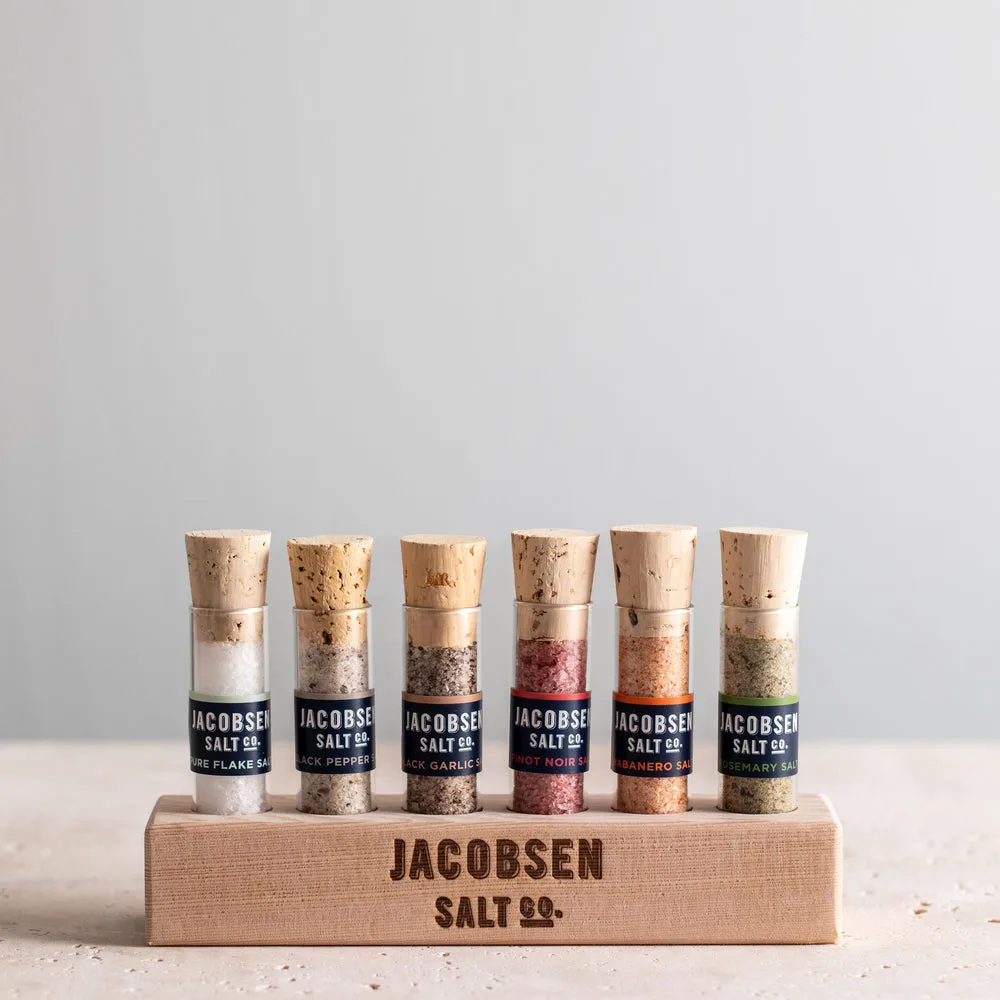
If you're new to smoked salt, consider trying a sampler to explore various flavors. The Eight Vial Infused Salt Set from Jacobsen Salt Co. is a great way to sample different infused salts, though it doesn't specifically include smoked varieties. For a dedicated smoked option, look for a cherrywood or hickory smoked salt that matches your taste preferences.
- Match the wood type to your dish: hickory for red meat, applewood for poultry, and cherrywood for vegetables.
Applying Smoked Salt to Grilled Meats
The best time to add smoked salt to grilled meats is right after you take them off the heat. Sprinkle it evenly over the surface while the meat is still hot, so the salt adheres and slightly melts into the juices. This works well for steaks, pork chops, and chicken thighs.
Avoid adding smoked salt during the marinating or cooking process, as prolonged heat can mellow its smoky flavor and make it taste like regular salt. Instead, use regular kosher salt for pre-salting and reserve smoked salt for the final touch.
- For a steak, sprinkle smoked salt on both sides just before serving for a subtle smoky kick.
Using Smoked Salt on Roasted Vegetables
Roasted vegetables are another excellent canvas for smoked salt. Toss your vegetables in olive oil and roast them as usual, then finish with a light dusting of smoked salt right before serving. This adds a layer of complexity that pairs well with the natural sweetness of roasted carrots, Brussels sprouts, or potatoes.
You can also mix smoked salt into a compound butter or a simple vinaigrette to drizzle over roasted vegetables. This is a great way to incorporate the flavor without risking over-salting.
- Try smoked salt on roasted sweet potatoes for a sweet-smoky contrast.
Steps to Use Smoked Salt for Grilling and Roasting
- Step 1: Choose the right smoked salt: Select a smoked salt that matches your dish. For red meat, hickory or mesquite; for vegetables, a milder cherrywood or applewood. Consider the intensity of the smoke flavor. Start with a mild variety if you're unsure.
- Step 2: Season your food as usual: Use regular kosher salt for pre-salting or brining. Do not use smoked salt during cooking, as heat diminishes its smoky character. Reserve smoked salt for the end.
- Step 3: Apply smoked salt after cooking: Sprinkle smoked salt evenly over the hot food right after grilling or roasting. The heat helps it adhere and release its aroma. Don't overdo it—a little goes a long way.
- Step 4: Finish and serve: Add a final pinch just before serving to ensure the smoky flavor is prominent. Taste as you go to avoid over-salting. Pair with a squeeze of lemon or a drizzle of olive oil for balance.
Smoked Salt Products to Consider
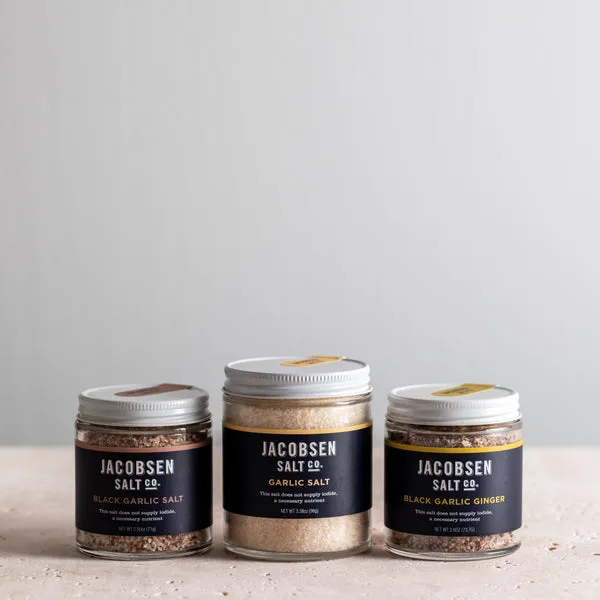
- Infused Black Garlic Salt & Slide Tin: Enjoy great salt wherever you are. We’ve bundled our Black Garlic Salt jar with its slide tin counterpart — perfect for refills, stocking your pantry or keeping close by for sprinkling on the go. While not smoked, this infused salt offers a savory, umami flavor that can complement grilled meats and roasted vegetables when you want variety beyond smoke.
- Infused Rosemary Salt Slide Tin: Our Pure Kosher Sea Salt infused with fresh rosemary for a citrusy, herbaceous profile. Conveniently packed into a slide tin so it’s ready when you are to season any dish. Rosemary pairs beautifully with grilled lamb or chicken, and the slide tin makes it easy to sprinkle on right at the table.
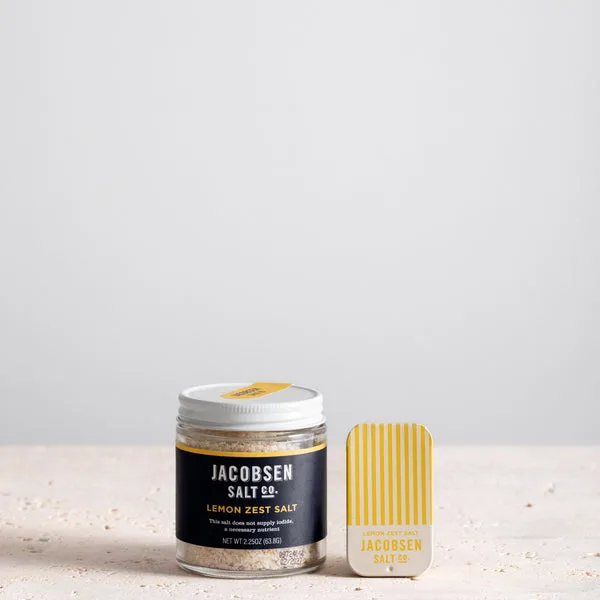
- Infused Lemon Zest Salt Slide Tin – Jacobsen Salt Co.: Our flake salt infused with fresh lemon zest for a clean, concentrated citrus flavor. Conveniently packed into a slide tin so it’s ready when you are to season any dish. A citrusy salt can brighten up roasted vegetables or grilled fish, offering a different but equally delicious finishing option.
Smoked salt is a simple yet powerful way to add depth to your grilled and roasted dishes. By using it as a finishing salt and choosing the right variety, you can achieve a smoky flavor that enhances rather than overwhelms. Experiment with different types and find your favorite combinations.