Quick answer
Use an acacia server as a dry-food board for cheese, crackers, and hors d'oeuvres, then hand wash and dry it immediately so the wood does not warp. Style it by letting the dark grain set the palette: pair it with ivory linens, green botanicals, and a few metallic accents rather than busy patterns.
An acacia wood server earns its place on the table because it does two jobs at once: it holds the food and it sets the mood. The dark grain reads rustic and contemporary at the same time, so it works for a casual cheese plate on a Tuesday and a holiday spread in December.
The catch is that wood is not stone or ceramic. It reacts to water, heat, and strong odors, so a few habits matter more than any styling trick. Below is the order I would follow, from first use to cleanup, with the mistakes that ruin boards most often.
Start with a dry run before the food goes on
Before you serve anything, decide what the board is for and whether it can take the weight. An acacia footed server is built to sit slightly above the table, which looks elegant but also means the food surface is smaller than the footprint. Lay out your cheese, crackers, and a small knife to check the fit.
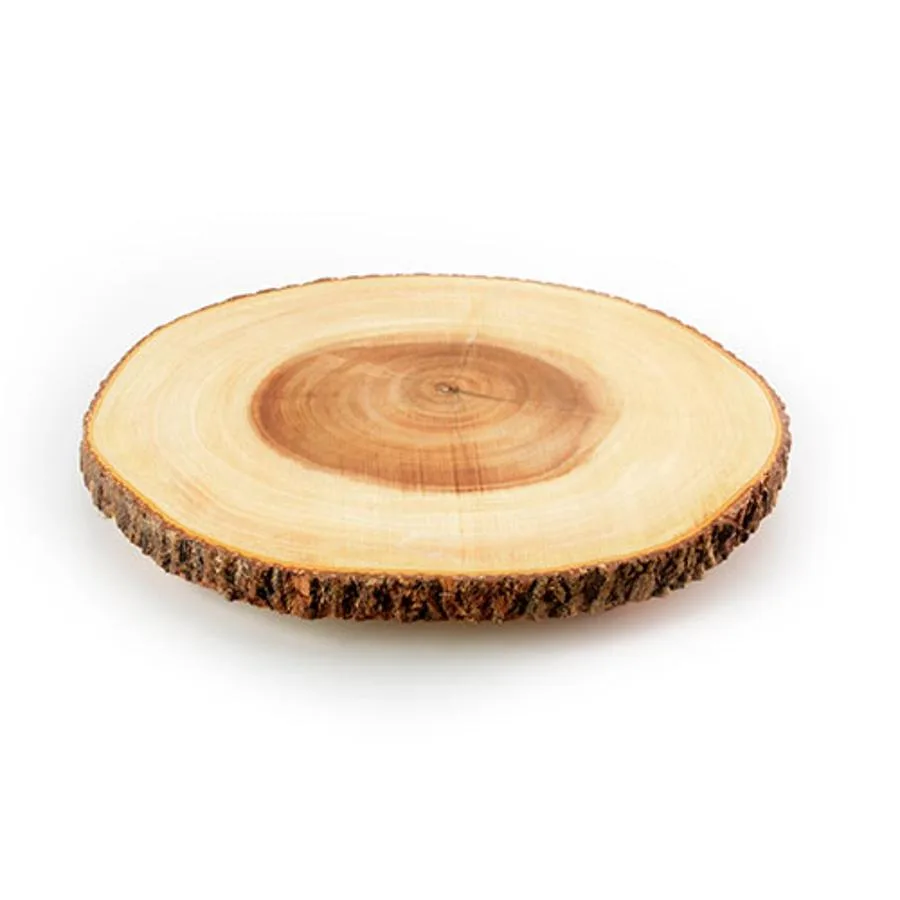
acacia footed server
This is also the moment to check for a finish. If the wood looks dry or chalky, it will stain faster and show every smear of soft cheese. A food-safe mineral oil or board butter applied the night before gives you a darker, more even surface and makes cleanup noticeably easier.
- Mistake to avoid: slicing directly on the board with a serrated knife. It leaves permanent grooves that trap crumbs and moisture.
- Checkpoint: if the board wobbles on your table, add a thin felt pad under the feet rather than sanding them down.
Build the board from the center out
Place the anchor item first, usually the largest wedge of cheese or a small bowl of olives, slightly off-center. Working outward keeps the arrangement from looking like a grid. Group soft cheeses together and firm cheeses together so guests can move through the board in one direction.
Leave gaps. Wood is a dark background, and food looks better when the grain shows through. Crackers fanned along one edge, a few grapes, and a small dish of honey or jam give the eye somewhere to rest without covering the whole surface.
- Serve cheese on a wood board at room temperature; cold cheese tastes flatter and looks dull.
- Keep wet items like pickles or cut citrus in a small ramekin so their juice never sits directly on the wood.
Style the surrounding table instead of the board
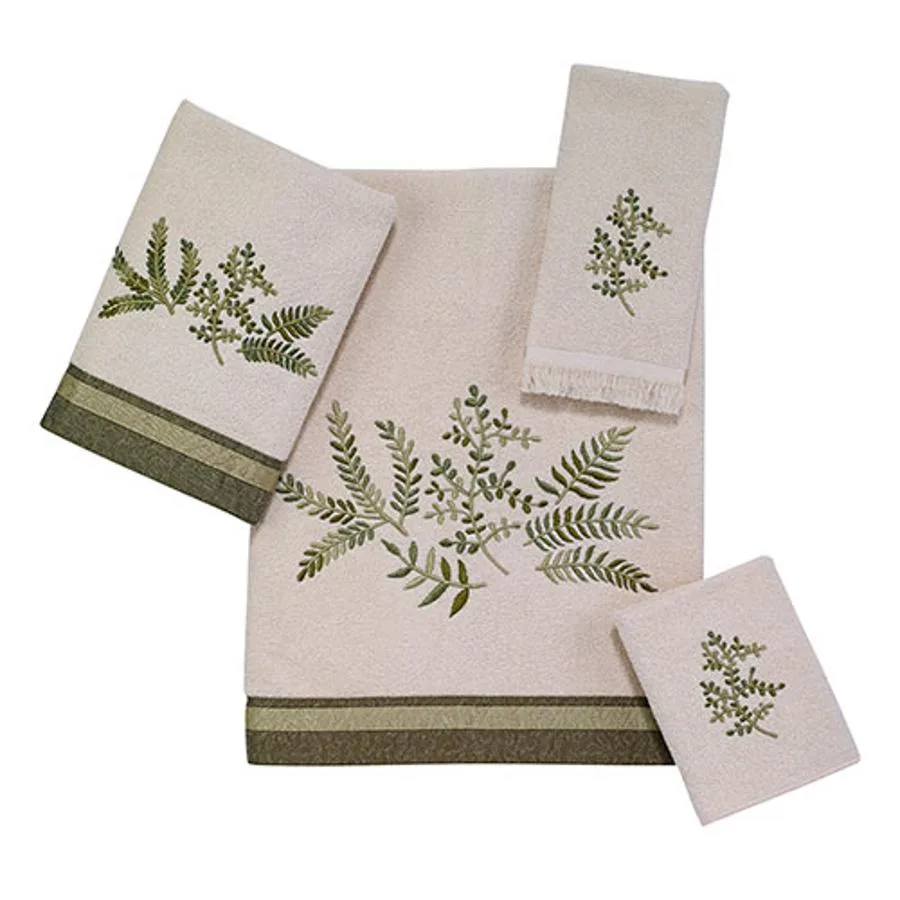
The fastest way to make a wood server look intentional is to repeat its color elsewhere on the table. Ivory or cream linens, a green botanical towel, or a single brass candlestick all pull the dark acacia grain into the room rather than letting it float alone.
For a rustic table setting, skip the matching wood-everything look. One acacia piece plus one contrasting texture, such as cotton, linen, or glass, reads more collected. Two or three wood pieces on the same table starts to feel heavy and monotone.
- Tree bark server ideas that work: a cheese course before dinner, a dessert board with dark chocolate and dried fruit, or a hostess gift paired with a jar of preserves.
- Mistake to avoid: stacking the board on a busy printed runner. The grain and the pattern fight each other.
Clean it the same day, every time
Hand wash the board in warm water with a mild dish soap, using a soft sponge and a quick rinse. Never soak it and never put it in the dishwasher, even on a gentle cycle; heat and prolonged water exposure are what cause cracking and raised grain. Dry it standing on edge so air reaches both faces.
For odors, rub the surface with a paste of baking soda and water, rinse, and dry thoroughly before oiling. Re-oil every few weeks with regular use, or whenever the wood looks pale. A well-oiled board resists stains and stays food-safe longer than one that is only wiped clean.
- Checkpoint: if the board feels rough after washing, lightly sand with fine grit in the direction of the grain, then re-oil.
- Store it flat or on edge in a dry cabinet, not leaning against a wall where moisture can collect behind it.
Your step-by-step routine for an acacia server
- Step 1: Oil before first use: Apply a thin coat of food-safe mineral oil or board butter to the whole surface, let it soak in for several hours or overnight, and buff off the excess with a lint-free cloth. Checkpoint: the wood should look evenly dark, not patchy. If it still looks dry, repeat once.
- Step 2: Plan the layout dry: Set your cheese, crackers, and any small bowls on the board before guests arrive to confirm everything fits and the board does not crowd the table. Mistake to avoid: overloading the board. Leave at least a third of the surface showing.
- Step 3: Serve only dry or contained foods: Keep juicy items such as pickles, olives, and cut fruit in small ramekins. Serve cheese at room temperature and slice on a separate cutting board. Checkpoint: nothing wet should sit directly on the wood for more than a few minutes.
- Step 4: Wash by hand within a couple of hours: Use warm water, mild soap, and a soft sponge. Rinse quickly, then dry with a towel and stand the board on edge so air circulates around both faces. Mistake to avoid: leaving the board to soak in the sink or putting it in the dishwasher.
- Step 5: Re-oil and store dry: Once the board is completely dry, apply a light coat of oil every few weeks with regular use. Store it flat or on edge in a dry cabinet. Checkpoint: if the surface feels rough or looks pale, it is time to oil again.
Product facts that affect how you use it
- Acacia Footed Server: Handcrafted acacia wood with a rich dark color, designed for serving cheese, crackers, and hors d'oeuvres. The dark tone means you need less contrast on the board itself; a few light-colored foods will stand out more than a crowded arrangement. Handcrafted wood also means grain and tone vary slightly from piece to piece, so treat the finish as unique rather than uniform.
- Avanti Linens Greenwood Towel Collection: 100% cotton with a green botanical motif on ivory and a two-tone fabric border; machine wash warm, gentle cycle, tumble dry low. A green-and-ivory towel is an easy way to repeat the natural palette of acacia wood without adding another wood piece to the table. Because it is machine washable, it can double as a cleanup cloth for the board area, though you should dry the wood itself with a separate towel.
An acacia server is at its best when you treat it as both a serving piece and a styling tool: keep the food simple, let the dark grain do the visual work, and clean it the same day you use it. Do that, and the same board can move from a weeknight cheese plate to a holiday table without ever looking out of place.