Quick Answer
To optimize your lessons with a teacher's kit, start by reviewing its components, align activities with your curriculum, and adapt materials to your students' needs. Use the kit's resources as a foundation but personalize them to keep engagement high.
A teacher's kit is more than a box of materials; it's a structured approach to delivering lessons that meet learning objectives. Whether you're teaching French immersion, ESL, or financial literacy, these kits often include books, guides, and multimedia that can save you prep time. However, to truly optimize your lessons, you need a strategy for integrating these resources effectively.
This guide walks you through a step-by-step process to get the most out of your teacher's kit. From initial planning to assessment, you'll learn how to leverage every component while avoiding common pitfalls.
Step 1: Inventory Your Kit
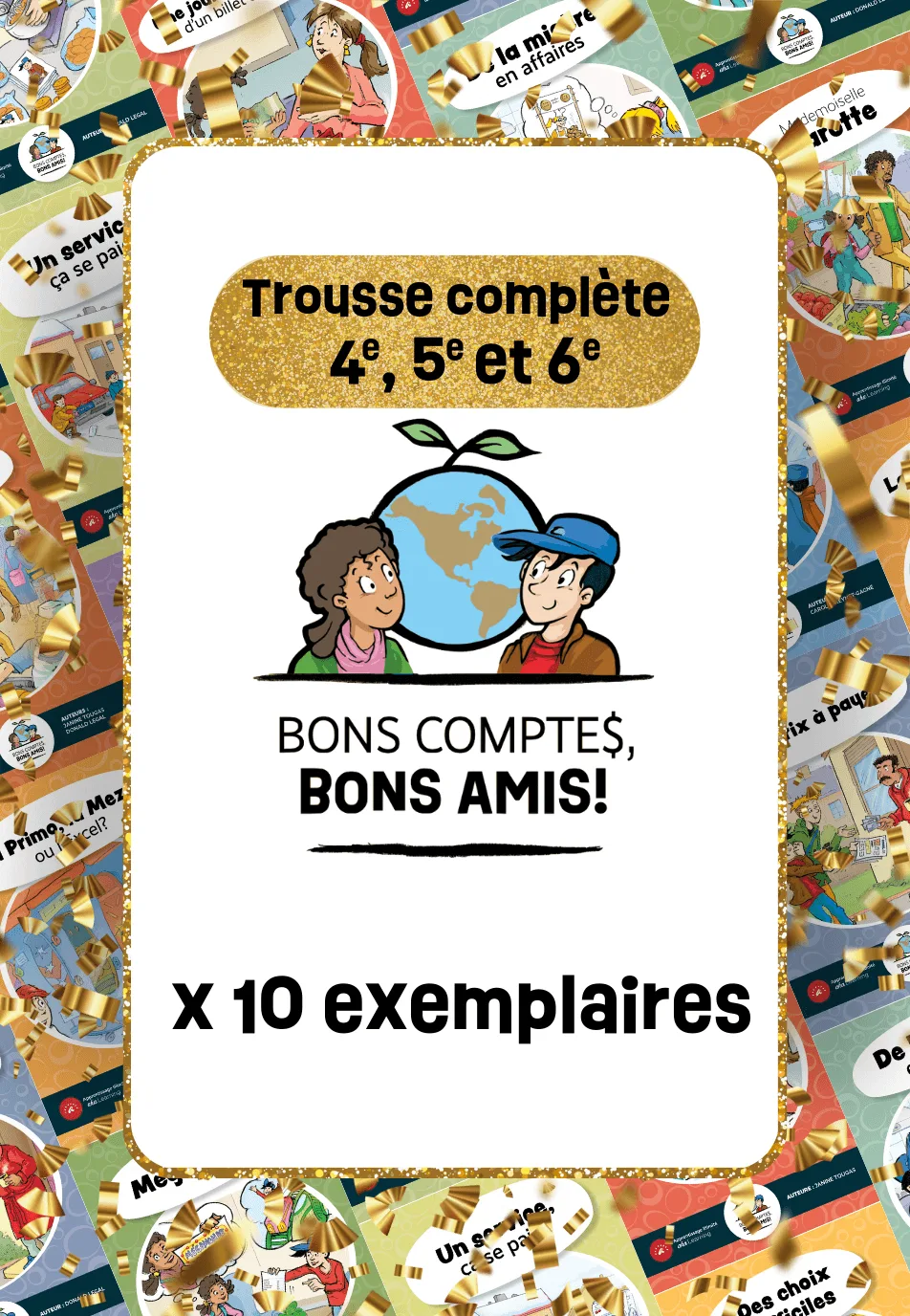
Before you dive into teaching, take time to explore every item in your teacher's kit. Note the books, guides, CDs, or online resources included. For example, a complete kit might contain multiple print books and an audio version accessible via QR code, as seen in the Complete Kits (Grades 4, 5 and 6). Understanding what you have helps you plan lessons that use each component purposefully.
Complete Kits (Grades 4, 5 and 6)
A common mistake is to ignore certain items until later, only to realize they're essential. Instead, create a quick reference list of each component and its potential use. This inventory becomes your roadmap for the term.
- Check for digital components like audio or CD-ROMs, and ensure compatibility with your devices.
Step 2: Align with Curriculum Goals
Your teacher's kit is designed to support specific learning outcomes, but it's your job to connect them to your curriculum. For instance, if you're teaching financial literacy, the Les trois tirelires book helps students explore spending, saving, and sharing. Map each kit activity to your lesson objectives to ensure coverage.
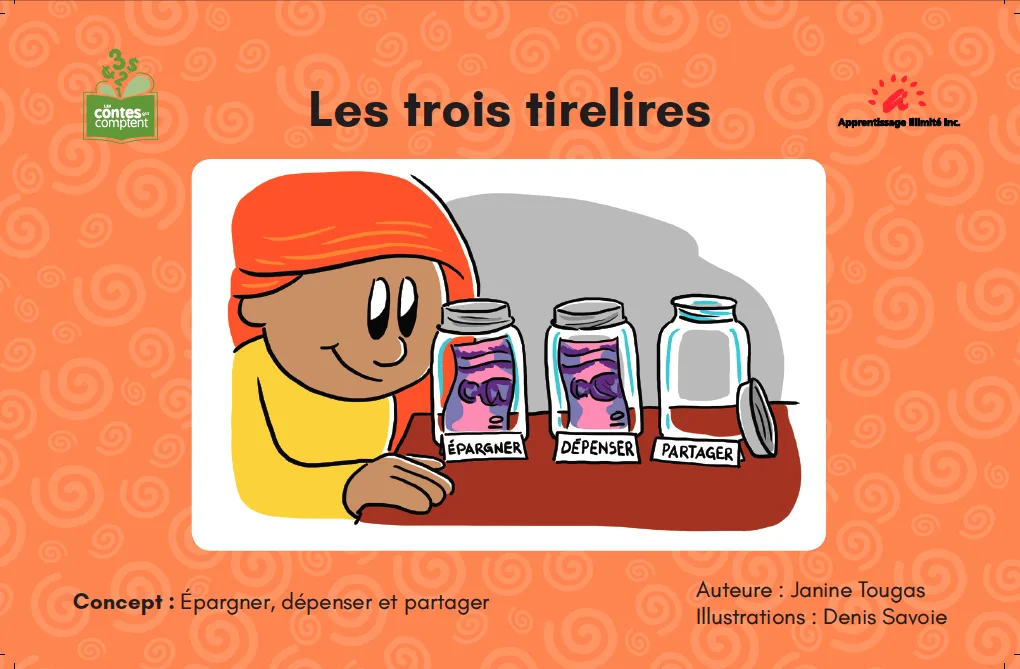
Les trois tirelires
Don't assume the kit covers everything; supplement with your own materials if needed. The kit is a tool, not a script. Adjust pacing and activities to suit your students' proficiency and interests.
- List your curriculum standards and match them to kit activities to identify gaps.
Step 3: Plan Engaging Lessons
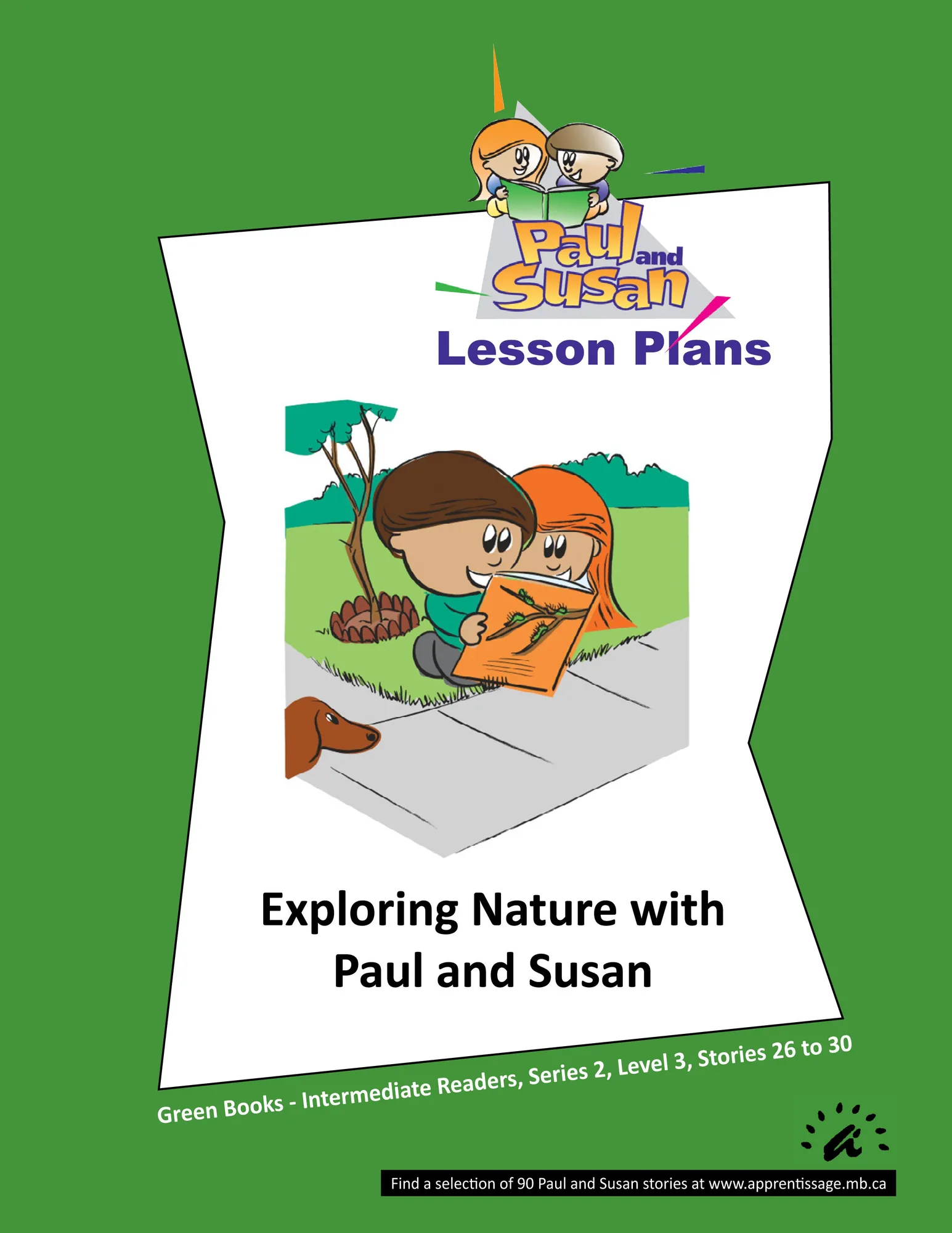
Use the kit's suggested activities as a springboard. For example, Exploring Nature with Paul and Susan - Lesson Plans offers five detailed plans with handouts, perfect for ESL classes. Adapt these to your students' level, adding interactive elements like group discussions or hands-on projects.
To keep lessons dynamic, alternate between whole-class instruction, pair work, and individual tasks. Incorporate the kit's visuals and audio to cater to different learning styles. Remember, the goal is not just to cover content but to foster comprehension and communication.
- Vary your teaching methods to keep students engaged and address diverse needs.
Step 4: Integrate Assessment Tools
Effective teachers assess continuously. Use the kit's quizzes, observation checklists, or project rubrics to gauge understanding. If your kit lacks formal assessments, create simple ones based on the activities. For instance, after reading Maminata a un problème, have students compare cultures in a short written or oral response.
Formative assessment helps you adjust your teaching in real time. Don't wait for a unit test to discover misunderstandings. Regularly check for comprehension and provide feedback.
- Use quick exit tickets or thumbs-up/thumbs-down to check understanding daily.
Step 5: Adapt for Diverse Learners
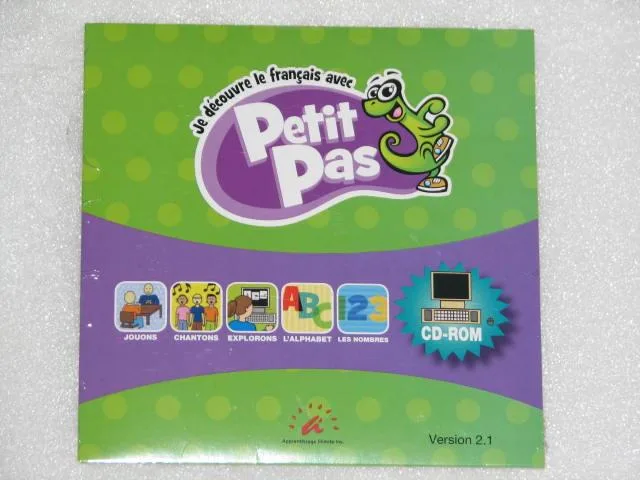
No two classrooms are alike. Modify kit activities to support English language learners, advanced students, or those with special needs. For example, the Supplementary CD-ROM: Je Découvre Le Français Avec Petit Pas can reinforce vocabulary for beginners, but it's not Mac-compatible, so plan alternatives if needed.
Consider offering choices in how students demonstrate learning—through writing, speaking, or art. This flexibility increases engagement and ensures all students can succeed.
- Provide sentence starters or visual aids for students who need extra support.
Steps to Optimize Your Lessons
- Inventory your kit: List all components and note their formats (print, audio, digital). Check for any technical requirements. Checkpoint: You know exactly what you have and can plan accordingly.
- Map to curriculum: Identify which learning objectives each kit item supports. Adjust your scope and sequence to integrate them seamlessly. Checkpoint: Every kit activity has a clear purpose in your lesson plan.
- Design engaging activities: Use the kit's ideas but add your own twists—games, discussions, or projects—to maintain student interest. Checkpoint: Students are actively participating, not just passively listening.
- Implement formative assessments: Use quick checks, observation, or short quizzes to monitor progress. Adjust your teaching based on results. Checkpoint: You have a clear picture of student understanding.
- Differentiate instruction: Modify activities to meet varied needs. Provide support or extension as necessary. Checkpoint: All students can access and succeed with the content.
Relevant Products
- Complete Kits (Grades 4, 5 and 6): This complete kit includes 12 print books (x10 copies or x25 copies) as well as the audio version accessible through a QR code printed in the book. Having multiple copies and audio support allows you to implement group reading and listening activities without needing a class set of devices.
- Les trois tirelires: Paul and Suzanne both receive $50 for their birthday. They have to decide if they are going to spend, save or share their money. This story is a perfect springboard for financial literacy discussions and decision-making activities, helping you meet curriculum goals in a relatable way.
- Exploring Nature with Paul and Susan - Lesson Plans: Includes 5 detailed lesson plans on English language development to go with the Exploring Nature with Paul and Susan book. Activities, strategies and colourful handouts. Wonderful resource for ESL classes. These ready-made plans save preparation time and provide structured activities that are ideal for ESL teachers looking for engaging content.
A teacher's kit is a valuable resource, but its true potential is unlocked through thoughtful planning and adaptation. By following these steps, you can deliver lessons that are both effective and engaging, saving time while maximizing student learning. Start with your kit inventory today and see the difference it makes.