Quick answer
The Checksum effect lets you reveal a spectator's secret 4-digit PIN using only a borrowed phone and simple mental math. No apps or gimmicks required.
Why the Checksum effect works without gimmicks
Checksum relies on a basic math principle that anyone can do in their head. The spectator freely chooses a PIN, and you use a series of calculations on their phone to derive the number. Because no magic apps or toxic force are involved, the method is clean and leaves no trace.
Step-by-step performance guide
- Set up the phone: Borrow the spectator's phone and open the calculator app. Ask them to enter their secret 4-digit PIN without showing it to you. Common mistake: make sure they press equals or enter so the number is stored in the calculator's memory. The number must be entered as a calculation result, not just typed on the display.
- Perform the checksum calculation: Without looking at the screen, ask the spectator to perform a series of simple arithmetic steps (e.g., add their birth year, subtract a number you specify, multiply by a small digit). Each step uses the result from the previous step. The final result will be a known number that reveals the original PIN. Common mistake: rushing the steps or losing track of the running total. Practice the sequence beforehand so you can guide them smoothly.
- Reveal the PIN: Once the final number appears, you can either announce it directly or use a dramatic reveal. For example, say, 'The last four digits of that number are your PIN.' Common mistake: revealing too quickly without building suspense. Pause for effect before the reveal to maximize the impact.
What you need
-
Checksum: Checksum uses a stupidly simple math principle that anyone can do in their head. This means you can learn the effect quickly even if you're not a math whiz, and perform it anywhere without special equipment.
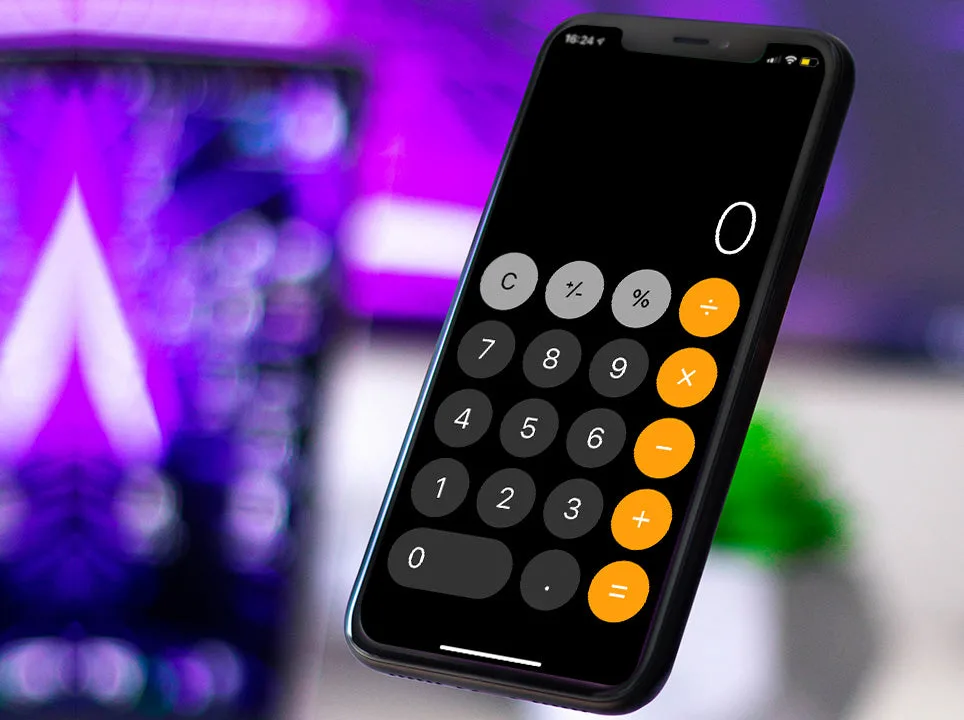
Checksum