Quick answer
Use The Reflection & Healing Collection as a structured companion for emotional processing: start with the Self-Reflection Journal to identify patterns, then turn to From Trauma to Healing for compassionate guidance on working through difficult memories.
Why a structured approach helps
Emotional growth isn't a linear path, but having a clear sequence keeps you from feeling overwhelmed. The Reflection & Healing Collection is designed to be used in stages: first you explore, then you understand, and finally you integrate. Jumping between tools randomly can dilute the effect, so following the steps below will give you the most benefit.
5 steps to emotional growth with the collection
- Set your intention: Before opening the journal or book, take five minutes to write down one honest sentence about why you want to do this work. Example: 'I want to understand why I react so strongly to criticism.' This anchors your practice and prevents aimless journaling. Keep your intention visible—tuck it inside the journal cover so you can revisit it when motivation dips.
- Start with the Self-Reflection Journal: Begin with the journal's first few prompts. Don't try to 'fix' anything yet; just observe and write freely. A common mistake is to judge your answers as 'wrong' or 'not deep enough.' The goal here is simply to notice what comes up. If you feel stuck, set a timer for 10 minutes and write without stopping—even if it's 'I don't know what to write' repeated.
- Read one chapter of From Trauma to Healing: After a few journaling sessions, read one chapter of the book. Focus on the sections that relate to what you wrote about. The book provides compassionate explanations for why certain experiences leave lasting marks. Resist the urge to read it all in one sitting. After each chapter, return to the journal and write one sentence about something you learned or questioned.
- Connect insights to your present life: Use the journal prompts to link past experiences to current patterns. For example, if the book discusses shame, ask yourself: 'Where do I feel shame today, and does it connect to a childhood memory?' This step is where real growth happens. If you feel overwhelmed, pause for a day or two. Healing isn't a race—skipping this rest can lead to emotional burnout.
- Create a simple closing ritual: After each session, write one kind sentence to yourself in the journal—something like 'I showed up for myself today.' Then close the journal and do a grounding activity (breathing, a short walk, or making tea). This signals to your nervous system that the session is complete. Without a closing ritual, you may carry heavy emotions into the rest of your day, making the practice feel draining rather than supportive.
About the collection
-
The Reflection & Healing Collection: The collection includes From Trauma to Healing, a compassionate book on processing emotional pain, and a Self-Reflection Journal with guided prompts to explore and better understand yourself. You get both the 'why' and the 'how' in one set—the book explains the psychology behind emotional wounds, while the journal gives you a safe, structured space to apply that knowledge to your own life.
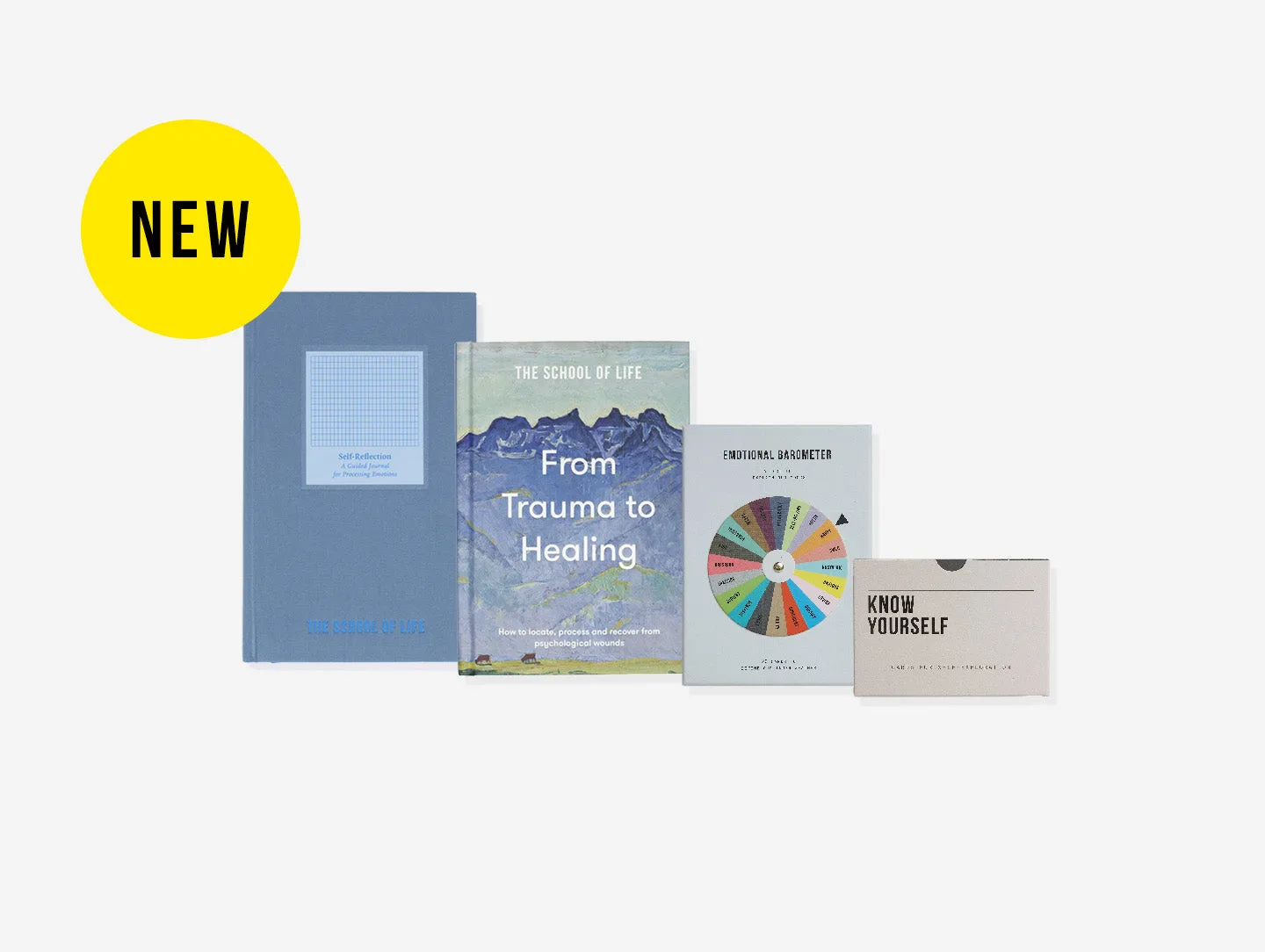
The Reflection & Healing Collection