Quick Answer
For daily stress relief, start with tulsi tea (1–2 cups per day) or a standardized capsule supplement (follow label dosage). For faster, targeted support, a tincture taken under the tongue can be effective, but always start with a low dose and consult a healthcare provider if you are pregnant, nursing, or taking medication.
stress relief
Tulsi, also known as holy basil, has been used in Ayurvedic medicine for centuries to support the body's response to stress. This adaptogenic herb is prized for its ability to soothe the mind, promote mental balance, and foster full-body wellness. If you're looking for a natural way to manage daily stress, tulsi is a versatile option that can be taken as a tea, capsule, or tincture.
In this guide, we'll walk you through how to use each form, what to expect, and common mistakes to avoid. Whether you prefer a calming cup of tea or the convenience of a supplement, you'll find practical tips to make tulsi work for you.
Understanding Tulsi: An Adaptogen for Stress
Tulsi (Ocimum sanctum) is classified as an adaptogen, a substance that helps the body adapt to stress and maintain balance. Unlike stimulants that give a temporary boost, adaptogens like tulsi work gradually to support the adrenal system and promote a healthy stress response. This makes tulsi a popular choice for those dealing with occasional anxiety or everyday pressure.
The active compounds in tulsi, including eugenol, ursolic acid, and rosmarinic acid, are believed to contribute to its calming and antioxidant effects. While research is ongoing, many people report feeling more grounded and less reactive after incorporating tulsi into their routine. It's important to note that tulsi is not a quick fix—consistency is key.
- Tulsi is caffeine-free, so it won't interfere with sleep if taken in the evening.
How to Use Tulsi Tea for Stress Relief
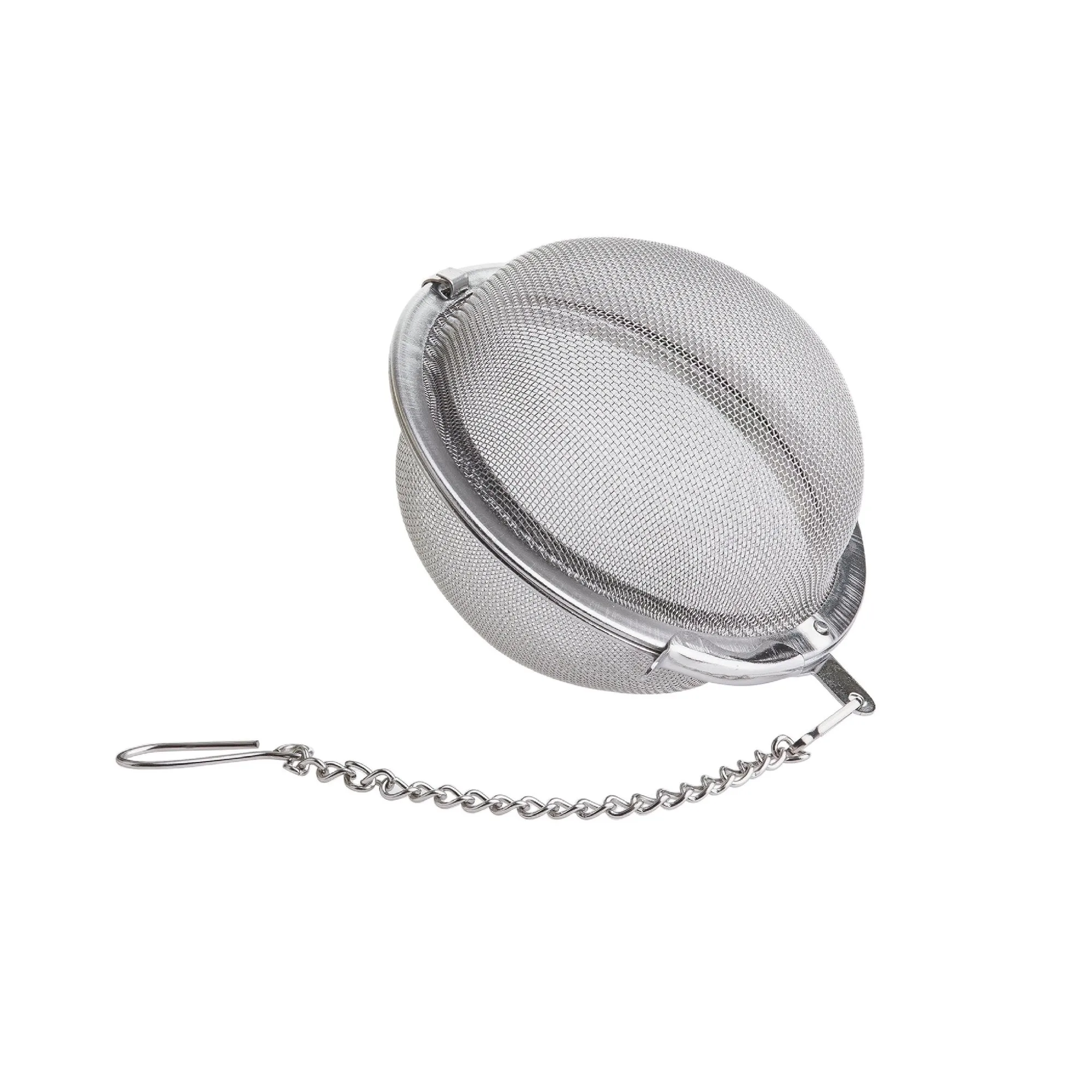
Tulsi tea is one of the simplest and most enjoyable ways to incorporate this herb into your day. To make a cup, steep 1–2 teaspoons of dried tulsi leaves in hot water for 5–10 minutes. You can drink it plain or add a touch of honey and lemon. For a stronger brew, let it steep longer, but be aware that the flavor can become more bitter.
Aim for 1–2 cups daily, especially during times of high stress. Many people find that a warm cup of tulsi tea in the morning or before bed helps create a calming ritual. The act of slowing down to sip tea itself can be a form of stress relief, making this method as much about the experience as the herb.
- Common mistake: brewing tulsi with boiling water and steeping too long can make it bitter; use water just off the boil and steep for no more than 10 minutes.
Using Tulsi Capsules for Convenience
If you prefer a no-fuss option, tulsi capsules offer a consistent dose without the preparation time. Capsules are ideal for busy schedules, travel, or for those who don't enjoy the taste of tea. When choosing a supplement, look for a product made from whole-leaf tulsi or a standardized extract, and always follow the dosage instructions on the label.
A typical dosage ranges from 300–600 mg of extract taken once or twice daily, but this can vary by brand. Start with the lowest recommended dose to gauge your body's response, then adjust as needed. Capsules are also easier to combine with other supplements, but be mindful of potential interactions with medications.
- Common mistake: assuming all capsules are the same—check the label for the part of the plant used (leaf vs. extract) and the concentration.
How to Use a Tulsi Tincture
Tinctures are concentrated liquid extracts of tulsi, usually made with alcohol or glycerin. They offer a flexible way to adjust your dose and are absorbed quickly when held under the tongue. To use a tincture, fill the dropper to the recommended amount (often 30–60 drops), place it under your tongue, and hold for 30 seconds before swallowing. You can also add it to water or tea.
Tinctures are potent, so start with a small dose—such as 15–20 drops—and see how you feel. Because they are absorbed sublingually, the effects may be felt faster than with capsules. This makes tinctures a good option for acute stress moments, but they are less convenient for daily use if you're on the go.
- Common mistake: swallowing the tincture immediately—holding it under the tongue for at least 30 seconds improves absorption.
Tulsi Dosage and Safety Considerations
There is no one-size-fits-all dosage for tulsi, but a general guideline is 300–600 mg of extract per day for capsules, 1–2 cups of tea, or 30–60 drops of tincture. Always start with the lowest dose and increase gradually. Pay attention to how your body responds—some people feel calm, while others may experience mild digestive upset.
Tulsi is generally safe for most adults, but it can interact with certain medications, including blood thinners, thyroid medications, and diabetes drugs. If you are pregnant, nursing, or have a medical condition, talk to your healthcare provider before using tulsi. Also, avoid using tulsi continuously for more than 6 weeks without a break, as some traditional texts recommend periodic pauses.
- Checkpoint: Keep a journal of your dosage and stress levels to find what works best for you.
Step-by-Step: Incorporating Tulsi into Your Routine
- Choose your form: Decide between tea, capsules, or tincture based on your lifestyle and preference. Tea offers a ritual, capsules provide convenience, and tinctures give fast absorption. For daily use, capsules or tea are easiest; for acute stress, a tincture may be better.
- Start with a low dose: Begin with a small amount—like half a cup of tea, one capsule, or 15 drops of tincture—to see how your body reacts. Gradually increase over a few days. Monitor for any digestive upset or unusual reactions.
- Establish a consistent routine: Take tulsi at the same time each day, such as morning and evening. Consistency is key for adaptogens to build up in your system. Set a reminder or pair it with an existing habit, like your morning coffee.
- Adjust as needed: After 1–2 weeks, evaluate your stress levels. If you feel the effect is too subtle, you can increase the dose slightly, but stay within recommended limits. Keep a simple log to track your progress.
- Take breaks periodically: Consider taking a 3–5 day break every 4–6 weeks to prevent tolerance and keep the herb effective. This is a common practice with adaptogens.
Tulsi Products to Consider
- Tulsi/Holy Basil - S&S: Discover the transformative power of an ancient Ayurvedic remedy with our premium tulsi supplement. For thousands of years, holy basil (Ocimum sanctum) has been prized for its ability to soothe the body, mind, and spirit, promote mental balance, support a healthy response to stress, and foster full-body wellness. This supplement provides a convenient way to get a consistent dose of tulsi's adaptogenic benefits, especially if you don't have time to brew tea.
- Vitamin C: Our Vitamin C supplement is derived from plant-based sources, specifically amla extract and black currant. These natural ingredients provide rich and potent vitamin C. With our supplement, you can enjoy the benefits of vitamin C, including immune support, antioxidant protection, and collagen synthesis. Pairing tulsi with vitamin C can support your body's stress response, as stress can deplete vitamin C levels and increase oxidative stress.
Tulsi is a versatile adaptogen that can be used in many ways to support stress relief. Whether you prefer a warm cup of tea, a convenient capsule, or a fast-acting tincture, the key is to start low, stay consistent, and listen to your body. With regular use, you may find that this sacred herb helps you feel more balanced and resilient in the face of daily stressors.