Quick answer
Read one short section of Accessing the Healing Power of the Vagus Nerve, then immediately practice one exercise from it for three to five minutes before bed. Pair that with a fixed sleep cue such as the Vagus Nerve Pillow Mist so the reading turns into a repeatable routine rather than more information you never use.
How to turn reading into a nightly vagus nerve self care routine
The book works best as a practice manual, not a cover-to-cover read. Pick one chapter that matches your current need, such as sleep, stress, or tension in the jaw and neck, and keep a bookmark there for a week. Read only a page or two, then close the book and do the exercise while the instructions are fresh.
A simple structure: read for five minutes, practice for five minutes, then move straight into your existing wind-down. Keep the book on your nightstand so it becomes part of the room's sleep cues instead of a daytime project.
Which vagus nerve exercises for sleep fit a bedtime routine
Choose exercises you can do lying down or seated in bed, because standing routines tend to get skipped when you are already tired. Breathing patterns that lengthen the exhale, gentle neck and throat release, and slow eye or jaw movements are the usual candidates in Rosenberg's approach.
If an exercise leaves you more alert, move it earlier in the evening and keep only the slowest breathing work for the last ten minutes before sleep. Consistency matters more than intensity.
- Do the shortest version on busy nights so the habit survives.
- Stop any movement that causes pain, dizziness, or numbness.
- Avoid practicing right after a heavy meal or intense workout.
How to calm the vagus nerve with breathwork for relaxation
Breathwork is the easiest bridge between the book and your routine because it needs no equipment. Sit or lie comfortably, breathe in through the nose for a count of four, and exhale for a count of six to eight. Repeat for two to three minutes and let the exhale stay comfortable rather than forced.
Use the same count each night so your body starts associating that rhythm with winding down. If you lose count, return to it without restarting the whole session.
Where pillow mist fits without replacing the practice
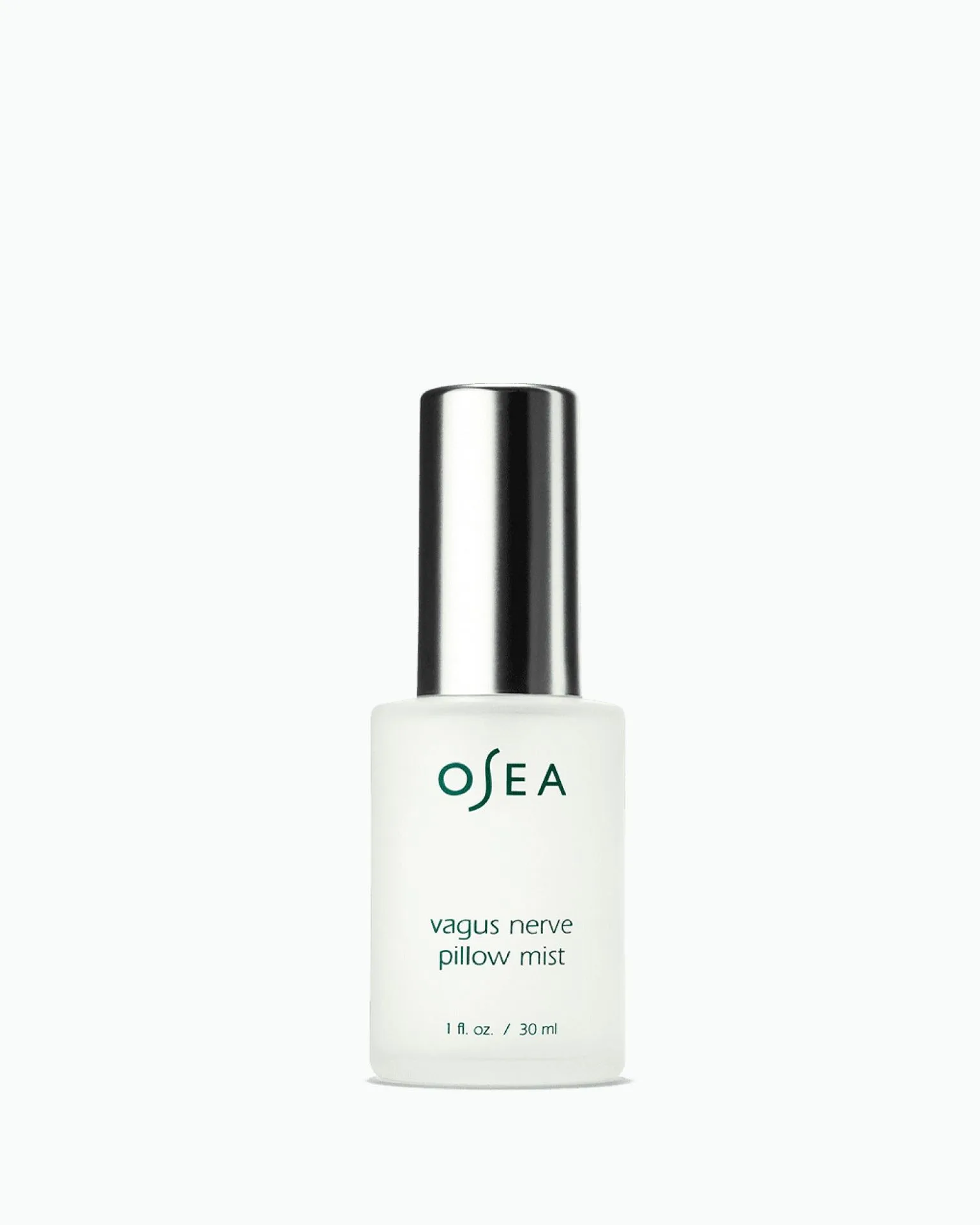
The Vagus Nerve Pillow Mist is a scent cue, not a substitute for the exercises. Spray it on your pillow a few minutes before you get in, then read your page and do your breathing. After a week or two, the scent alone starts signaling that the routine is beginning.
Keep the bottle within arm's reach of the bed so you are not walking to another room and breaking the wind-down. If you share a bed, check that your partner is comfortable with the scent before making it a nightly habit.
How long before you notice a difference
Give the routine two to three weeks of short, consistent sessions before judging it. Most people notice the routine becoming easier to start before they notice any change in how they feel, which is normal. Track only whether you did it, not how relaxed you felt, for the first two weeks.
If nothing shifts after a month, change one variable at a time: the exercise, the time of day, or the scent cue. Changing everything at once makes it impossible to tell what helped.
Quick answers to common questions
Do I need to read the whole book first?
No. Pick one chapter that matches your goal, such as sleep or stress, and practice from it for a week before moving on. One chapter, practiced nightly, beats skimming the whole book.
Can I do the exercises in bed?
Yes, and you probably should. Choose lying-down or seated variations so the routine does not depend on getting up again. If it requires leaving the bed, it will get skipped.
Is pillow mist enough on its own?
It works as a scent cue alongside the reading and breathing, not as a replacement for them. Pair the mist with one exercise and one breathing pattern.
How long should each session take?
Five minutes of reading plus five minutes of practice is enough to build the habit. Longer sessions are optional. Short and nightly beats long and occasional.
What if the exercises make me more alert?
Move that exercise earlier in the evening and keep only slow exhale-focused breathing for the final ten minutes. Match the exercise to the time of day.
Product facts
- Accessing the Healing Power of the Vagus Nerve Book: This practical guide to understanding the cranial nerves as the key to psychological and physical well-being builds on Stephen Porges's Polyvagal Theory, drawing on more than thirty years of experience as a craniosacral therapist and Rolfer. The exercises come from hands-on bodywork experience, so they translate well into short, repeatable bedtime practice rather than theory alone.
- Vagus Nerve Pillow Mist: The Vagus Nerve Pillow Mist creates a soothing atmosphere just in time for bed, named after the Latin word for "wandering" because the vagus nerve is the longest cranial nerve, stretching from the brain to the stomach. It gives you a consistent scent cue at the exact moment your routine starts, which helps the habit stick without adding another step.