Quick Answer
To detangle wet hair safely, apply a conditioner or detangling spray, then use a vented detangling brush starting from the ends and working up in small sections. This minimizes breakage and speeds up drying.
detangling brush
Wet hair is at its most fragile state—the water weakens the hair's protein structure, making it prone to stretching and snapping. Yet many of us reach for a brush right after stepping out of the shower, often causing unnecessary damage. A vented detangling brush is designed to be gentler, but only if you use it correctly.
In this guide, we'll walk you through a step-by-step technique that protects your strands, reduces breakage, and even helps you dry your hair faster. Whether you have fine, thick, or curly hair, these principles apply—though we'll note where adjustments matter.
Why Use a Vented Brush on Wet Hair?
A vented detangling brush features bristles with gaps or holes in the brush pad, allowing air to flow through. This design serves two main purposes: it speeds up blow-drying and reduces the pulling force needed to glide through knots. The open structure also means less surface area pressing on the hair, which can be gentler on the cuticle.
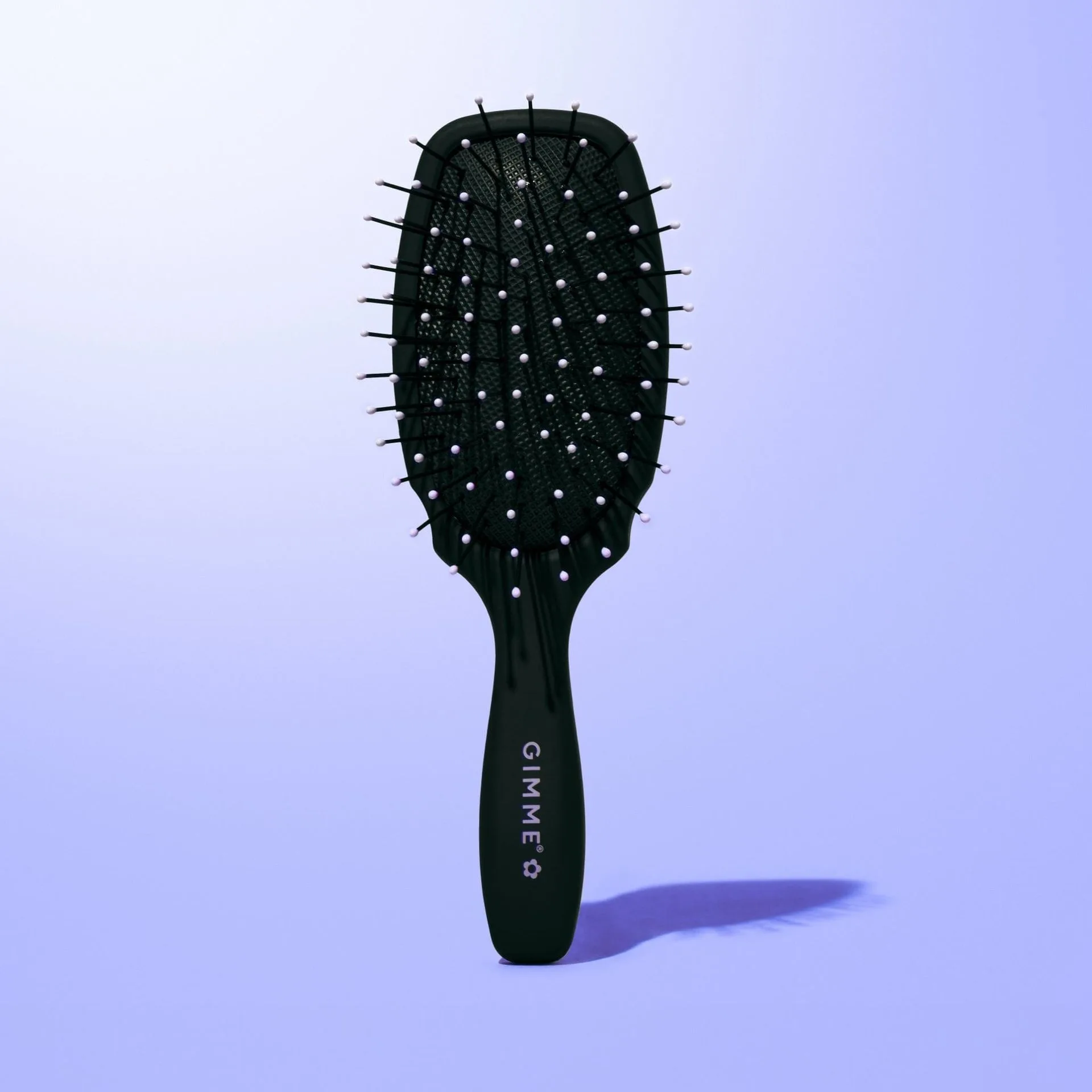
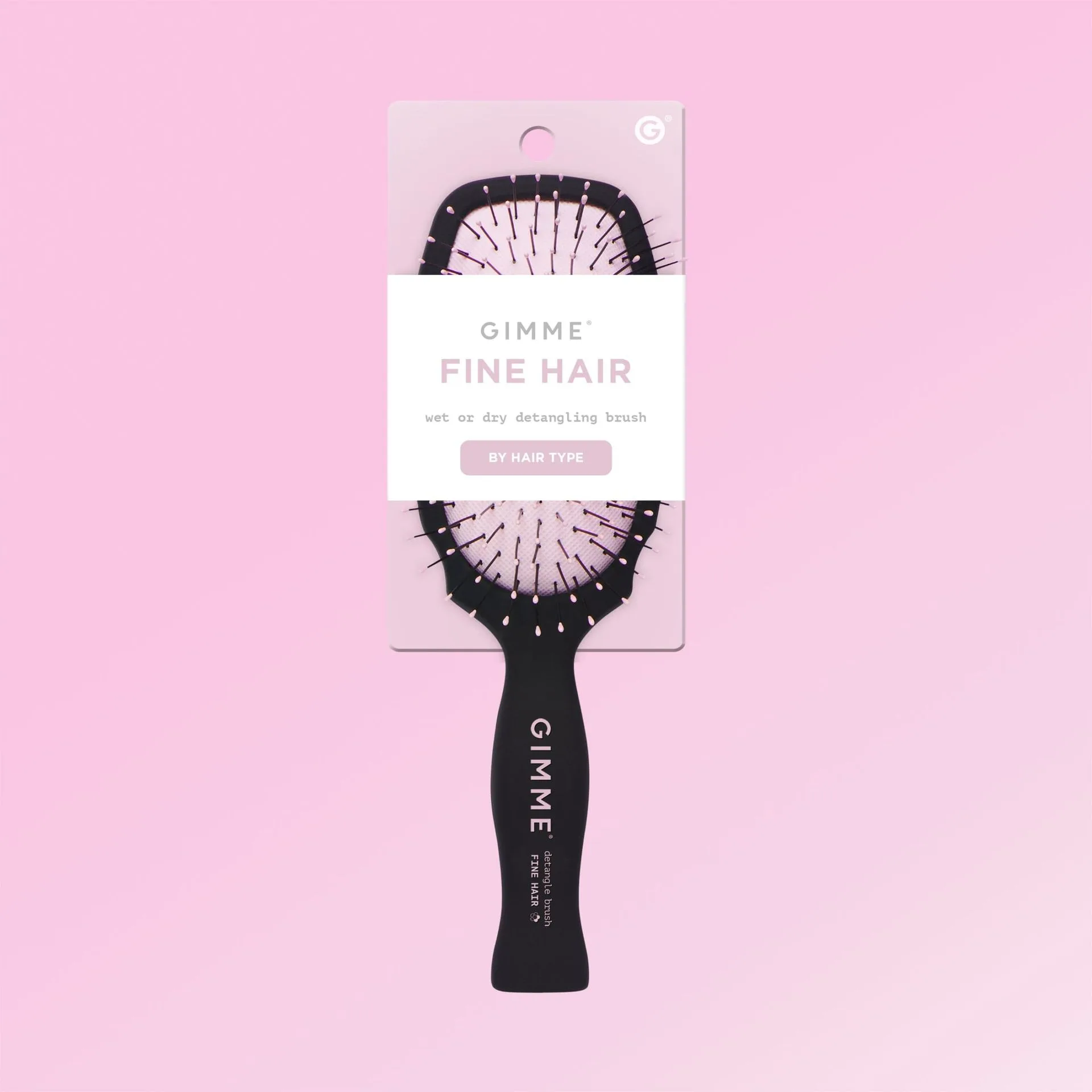
However, not all vented brushes are equal. Some have ball-tipped bristles that are kinder to the scalp, while others have flexible bristles that bend to avoid snagging. For wet detangling, look for a brush with smooth, rounded tips and a flexible cushion. The Gimme Vented Detangling Brush for Fine or Thinner Hair, for example, features heat-resistant, ball-tipped bristles and a curved paddle that follows the shape of your head, making it a good choice for sensitive scalps.
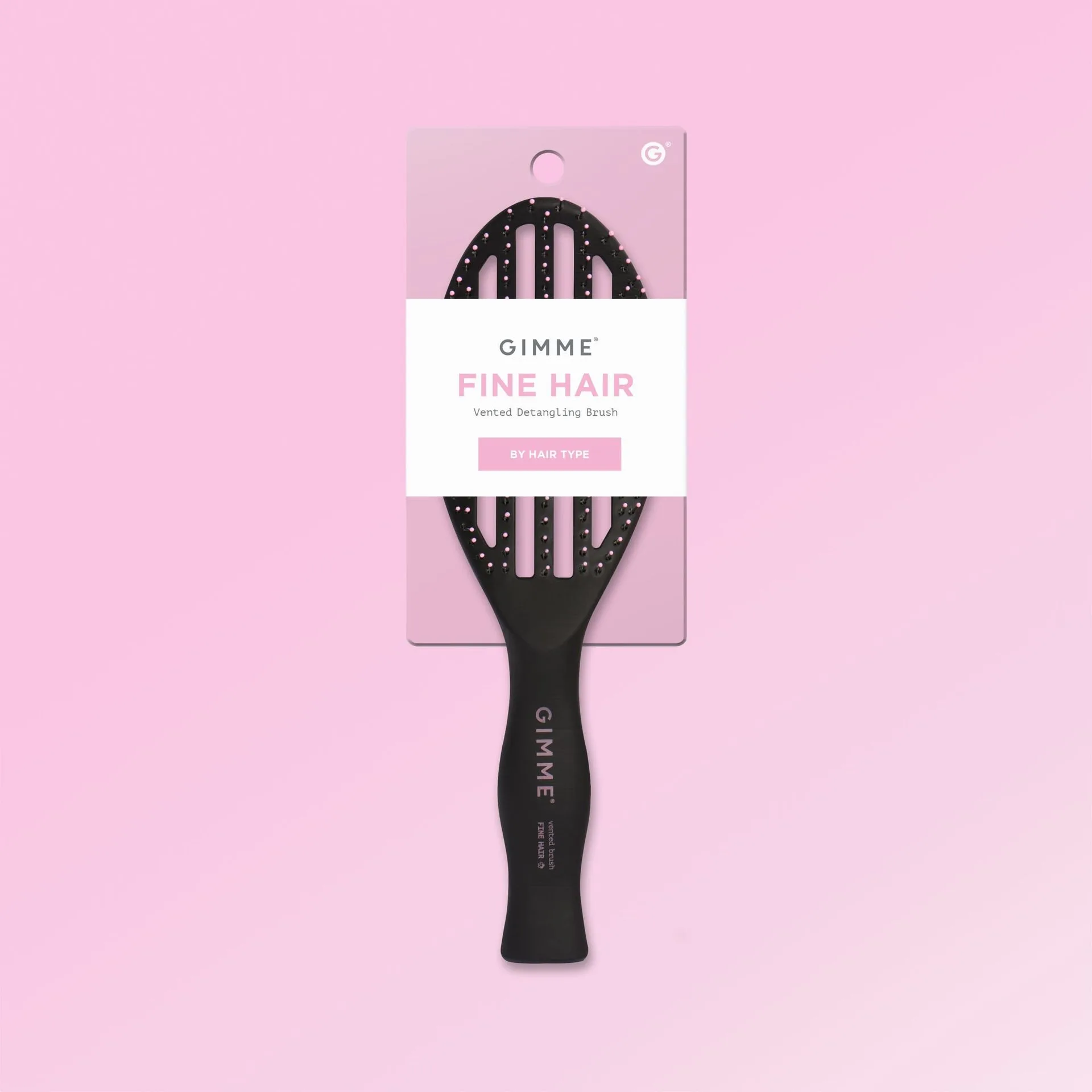
Vented Detangling Brush for Fine or Thinner Hair
- A vented brush is not a styling brush—it's for detangling and smoothing, not for creating tension or sleek styles.
Step-by-Step: How to Detangle Wet Hair Without Breakage
Start with clean, conditioned hair. Never brush dry hair that's about to be washed; instead, apply a generous amount of conditioner or a detangling spray to provide slip. This is non-negotiable for reducing friction. Work the product through with your fingers first to loosen large tangles.
Section your hair into manageable parts—clip up the top half and work on the bottom. Begin brushing at the very ends, holding the section taut with your other hand. Gently glide the brush downward, then move up a few inches as each section becomes smooth. Repeat until you reach the roots. This method prevents pushing tangles down and creating new knots.
Once your hair is tangle-free, you can use the vented brush to aid in blow-drying. The open design allows hot air to circulate, cutting down drying time. Keep the brush moving to avoid heat damage, and always use a heat protectant if you're using a blow dryer.
- Common mistake: Starting at the roots and pulling down—this forces tangles to tighten and can cause breakage.
Tips for Fine, Thick, and Curly Hair
Fine hair: Use a brush with softer, flexible bristles and avoid over-brushing. The Gimme Vented Detangling Brush for Fine or Thinner Hair is designed with a curved paddle and ball-tipped bristles that are gentle on the scalp and won't pull fine strands. Brush in sections and stop once hair is smooth—fine hair can become limp if overworked.
Thick or curly hair: These textures are prone to tangling and shrinkage. Work in smaller sections and consider using a wide-tooth comb first if hair is very curly. A vented brush can still be used, but ensure your hair is heavily conditioned to provide slip. The key is patience—never yank through a knot.
For all types: Never brush soaking wet hair. Squeeze out excess water with a microfiber towel or an old t-shirt first. This reduces the weight and strain on the hair shaft.
- If you have a sensitive scalp, choose a brush with ball-tipped bristles to avoid scratching.
Step-by-Step Quick Recap
- Prep with conditioner: Apply a generous amount of conditioner or detangling spray to wet hair, and use fingers to loosen major tangles. Checkpoint: Hair should feel slippery, not dry.
- Section and start at ends: Divide hair into manageable sections. Hold one section taut and brush from the ends upward, working in small increments. Checkpoint: Don't move up until the ends are completely smooth.
- Dry with airflow: Once detangled, use the vented brush while blow-drying to speed up the process. Keep the dryer moving and use a heat protectant. Checkpoint: If you feel resistance, stop and add more product, never pull.
Tools That Help
- Vented Detangling Brush For Fine or Thinner Hair: Heat-resistant, ball-tipped bristles; vented design for maximum airflow; curved paddle. The ball tips are gentle on the scalp, the vents speed up drying, and the curve fits the head shape to reduce pulling—ideal for fine hair that breaks easily.
- Mini Travel Detangling Brush For Most Hair Types: Bristles custom designed for medium hair; perfect for quick detangling on the go; fits in purse or cosmetic bag. If you often need to detangle mid-day or while traveling, this compact brush lets you maintain the same gentle technique without carrying a full-size tool.
Using a vented detangling brush correctly can transform your post-shower routine, cutting down on breakage and drying time. Remember to always detangle with product, work in sections, and let the brush do the work—not your muscles. With the right technique and a brush suited to your hair type, you'll keep your strands healthier and your styling easier.