When it comes to weight management, protein is your best friend. But not all protein powders are created equal. A whey protein plus fat loss blend combines high-quality protein with metabolism-supporting ingredients to help you shed pounds while preserving lean muscle. In this guide, we'll explore how to use such a blend effectively, including timing, dosage, and complementary habits.
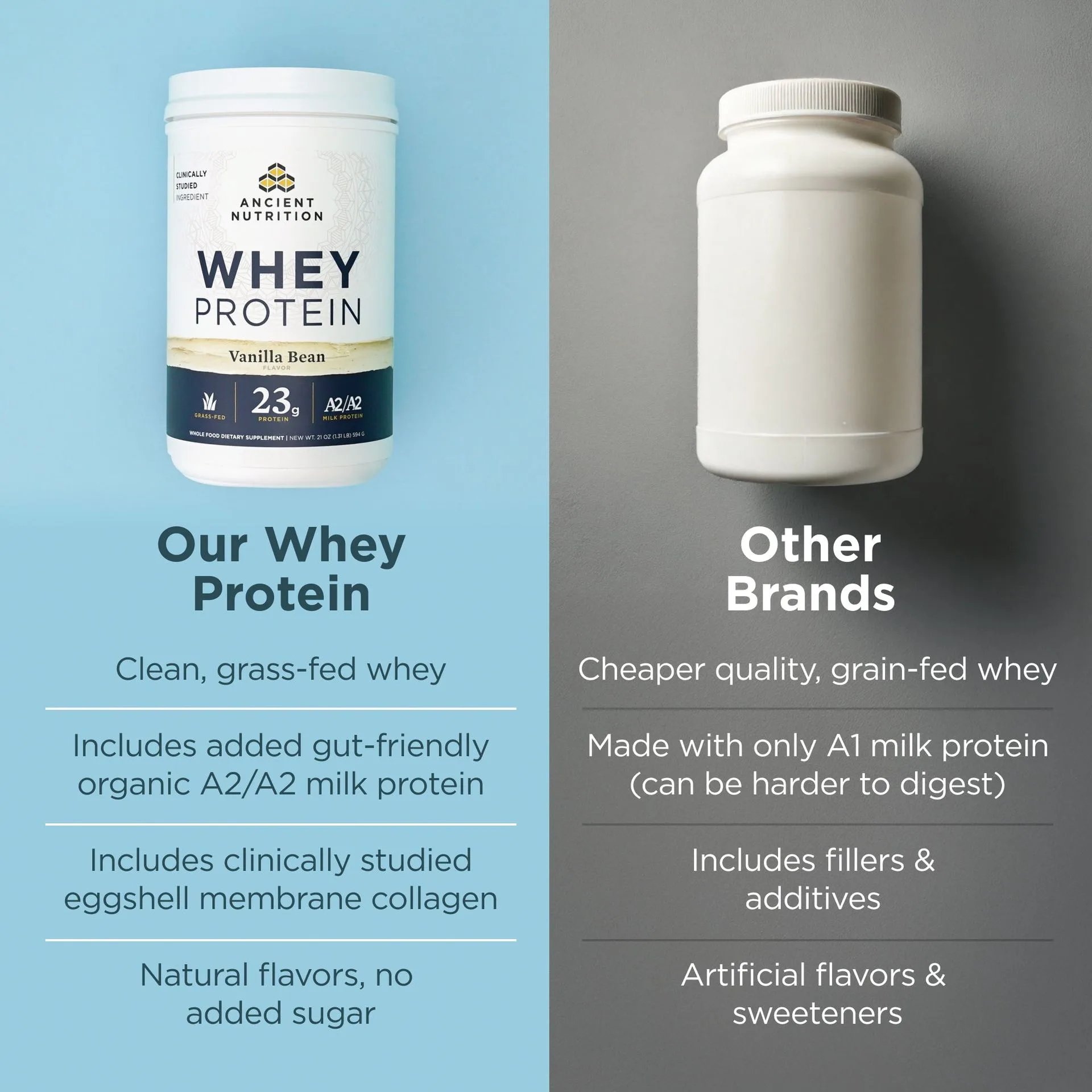
whey protein
Whether you're new to protein supplements or looking to optimize your current routine, understanding the role of whey protein in weight loss is crucial. We'll break down the science behind fat loss blends, how to incorporate them into your day, and what to look for in a quality product.
Why Whey Protein Supports Weight Management
Whey protein is a complete protein, meaning it contains all nine essential amino acids your body needs. It's rapidly digested and absorbed, making it ideal for post-workout recovery and muscle preservation. When you're in a calorie deficit, your body may break down muscle for energy. Consuming adequate protein helps prevent this, ensuring that the weight you lose is primarily fat, not muscle.
Additionally, protein is highly satiating. It reduces hunger hormones and increases feelings of fullness, helping you eat fewer calories throughout the day. Studies show that increasing protein intake can lead to spontaneous reductions in calorie consumption, making it easier to stick to a weight loss plan.
- Preserves lean muscle mass during calorie restriction
- Increases satiety and reduces cravings
- Boosts metabolism slightly due to the thermic effect of food
What Is a Fat Loss Blend?
A fat loss blend typically combines whey protein with ingredients like green tea extract, L-carnitine, or conjugated linoleic acid (CLA). These ingredients are believed to support metabolism, enhance fat oxidation, and improve energy expenditure. While the effects are modest, they can complement your overall weight management efforts.
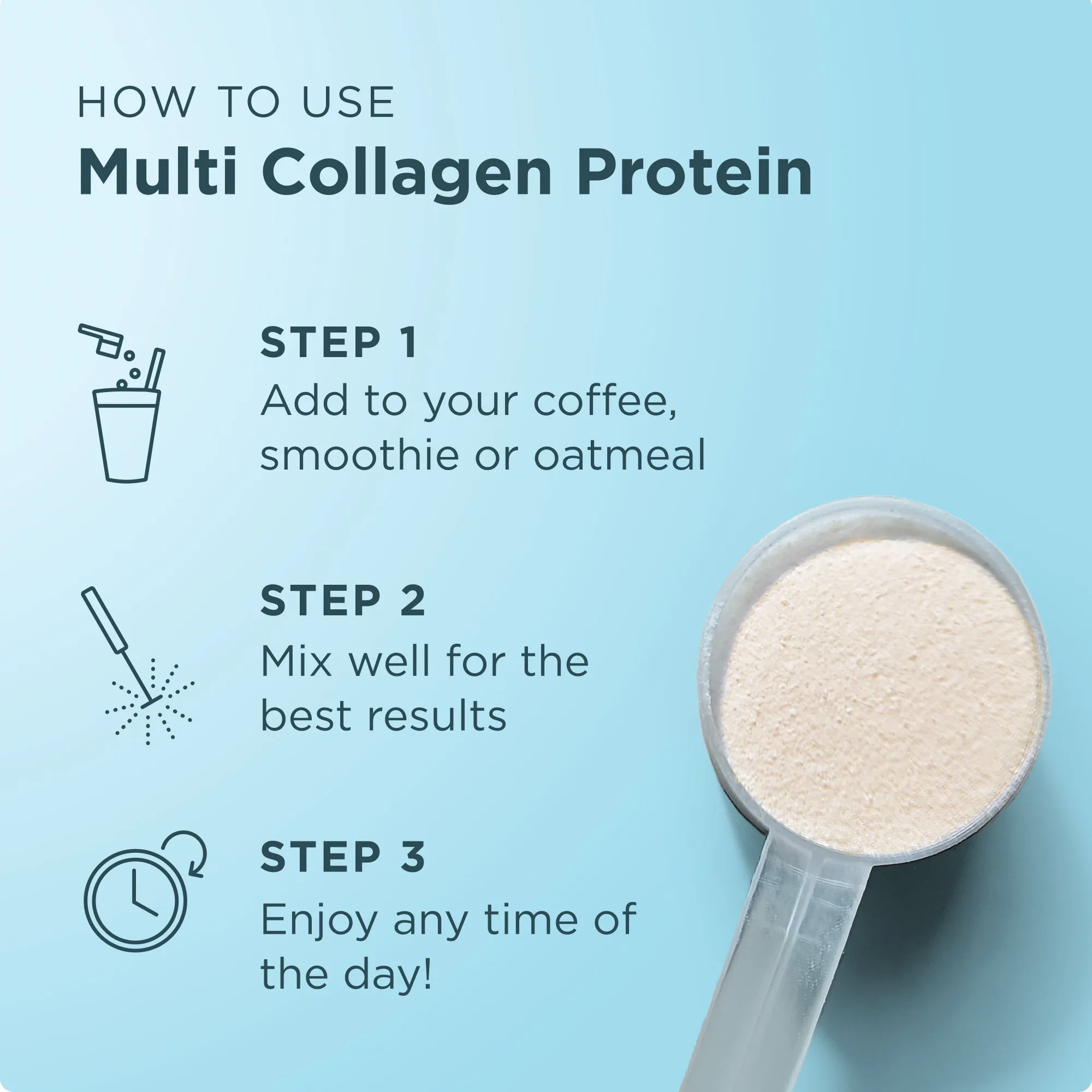
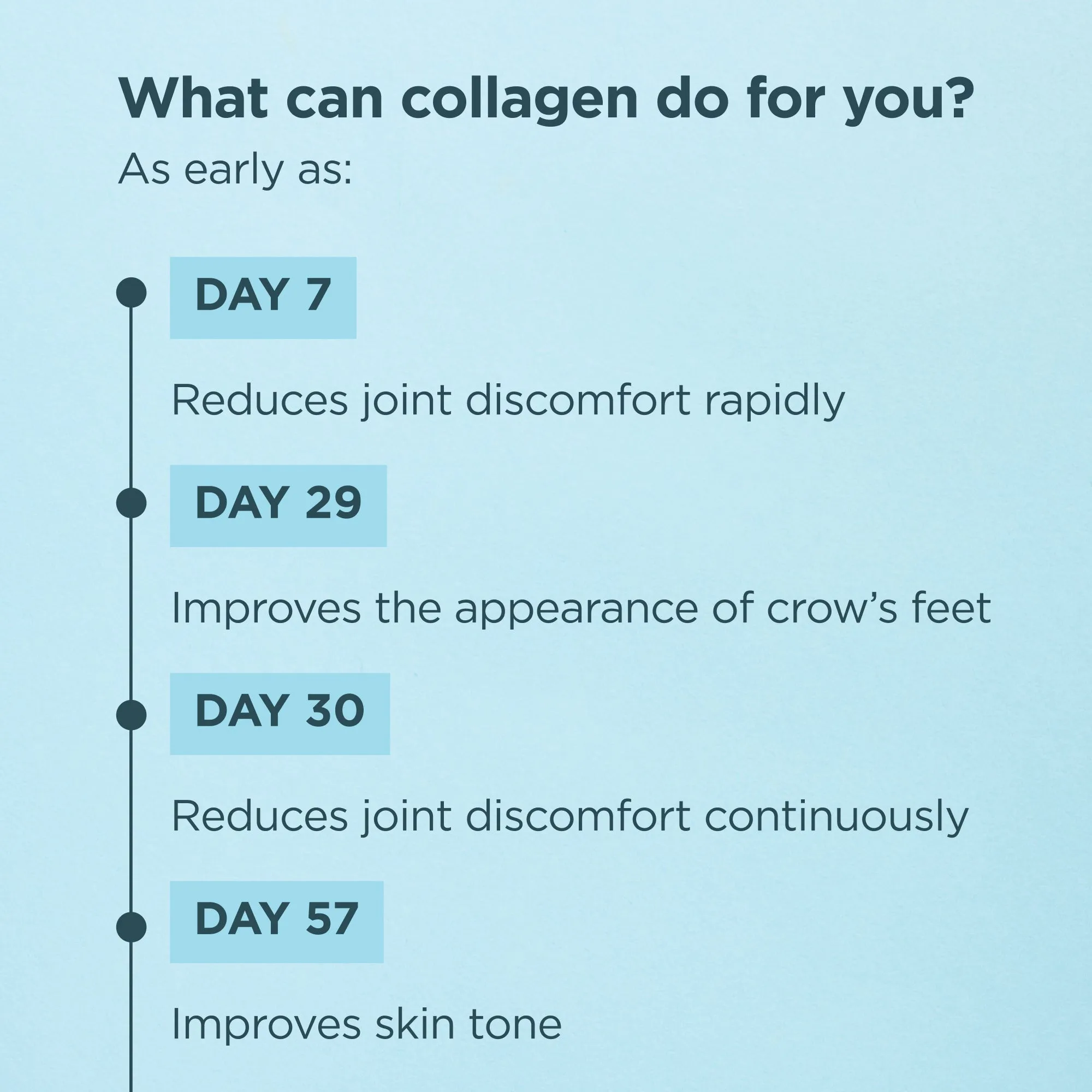
When choosing a fat loss blend, look for products that also provide a complete protein profile. For example, Ancient Nutrition's https://ancientnutritionve.com/products/multi-collagen-protein-445448https://ancientnutritionve.com/products/multi-collagen-protein-multi-collagen-protein-vanilla-445456https://ancientnutritionve.com/products/multi-collagen-protein-multi-collagen-protein-chocolate-445457Multi Collagen Protein offers a blend of five collagen types, which supports joints, skin, and gut health—important for overall wellness during weight loss. Collagen is also a protein that can help with satiety, though it's not a complete protein like whey. Combining whey with collagen can provide a broader amino acid profile.
- Look for clinically studied ingredients like green tea extract
- Check the protein content per serving—aim for at least 20 grams
- Avoid blends with excessive added sugars or artificial fillers
How to Use Whey Protein + Fat Loss Blend for Best Results
Timing matters. The most common strategy is to consume a whey protein shake within 30 minutes after your workout to kickstart muscle repair and recovery. However, for weight management, you can also use it as a meal replacement or snack to control hunger. For example, having a shake between breakfast and lunch can help you avoid overeating at lunchtime.
Dosage depends on your protein needs. A general guideline is to consume 0.8 to 1 gram of protein per pound of body weight daily. If you're active, aim for the higher end. A scoop of whey protein typically provides 20-30 grams. You can adjust based on your other protein sources.
- Post-workout: within 30 minutes for muscle recovery
- As a snack: between meals to curb cravings
- Before bed: casein or a slow-digesting protein is better, but whey is okay if you need a quick hit
Combine with a Balanced Diet and Exercise
Supplements are just that—supplements. They work best when combined with a balanced diet and regular exercise. Focus on whole foods like lean meats, vegetables, and whole grains. Use whey protein to fill gaps in your protein intake, not as a replacement for whole foods.
Incorporate both cardiovascular exercise and strength training. Cardio burns calories, while strength training builds muscle, which increases your resting metabolic rate. This combination is key for sustainable weight management.
- Aim for at least 150 minutes of moderate cardio per week
- Include strength training 2-3 times per week
- Stay hydrated—protein metabolism requires water
Choosing the Right Protein Supplement
Not all protein powders are suitable for weight management. Some are loaded with sugar and calories. Look for products with minimal added ingredients. For a comprehensive approach, consider Ancient Nutrition's Multi Collagen Protein, which provides 18 grams of collagen per serving. Collagen supports not only muscle but also joints and skin, which can be beneficial during weight loss.
If you prefer a plant-based option, Organic SuperGreens can be a great addition to your routine. While not a protein powder, it provides a blend of greens that can support energy and digestion, making it easier to stick to your diet.
- Check the label for protein content and calories
- Look for third-party testing for quality assurance
- Consider your dietary preferences: whey, collagen, or plant-based
Whey protein combined with a fat loss blend can be a powerful tool for weight management when used correctly. By understanding timing, dosage, and complementary habits, you can maximize your results. Remember to pair your supplement routine with a balanced diet and regular exercise. For a high-quality protein option, explore Ancient Nutrition's Multi Collagen Protein to support your weight management journey.