Quick Answer
To whiten sensitive teeth safely, start with a low-concentration gel, apply it sparingly to clean, dry teeth, and limit sessions to short intervals. Always follow with a remineralizing toothpaste and avoid acidic foods to minimize discomfort.
If you have sensitive teeth, the thought of using whitening gel might feel risky. But with the right approach, you can brighten your smile without triggering sharp twinges. The key is to prepare your teeth, choose a gentle formula, and pace your whitening routine.
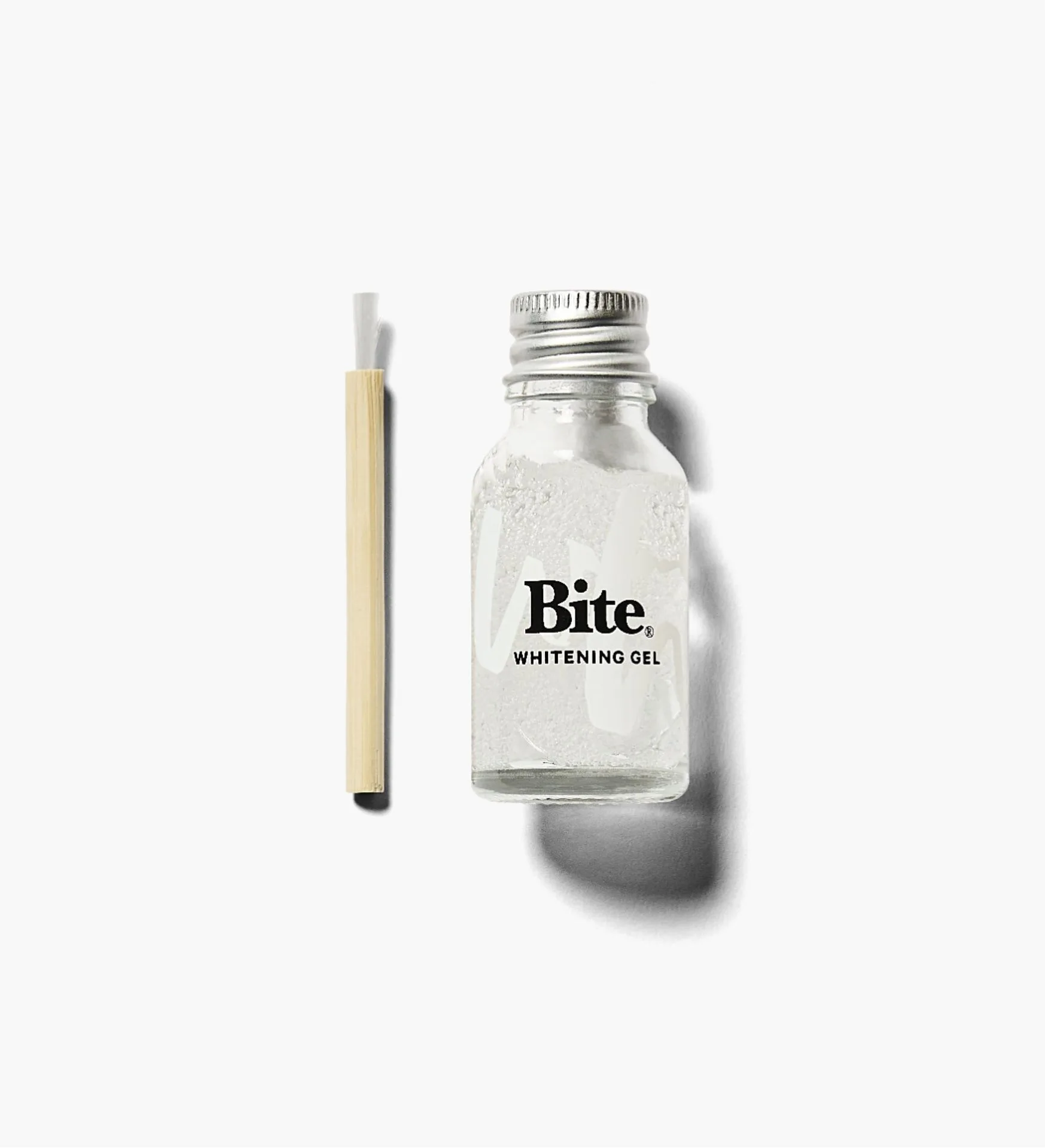
whitening gel
This guide walks you through a safe, step-by-step method that respects your enamel and reduces tooth sensitivity. You'll learn how to apply whitening gel correctly, what to avoid, and how to care for your teeth afterward.
Prepare Your Teeth Before Whitening
Before you apply any whitening gel, make sure your teeth are clean and free of plaque. Brush gently with a soft-bristled toothbrush and a fluoride-free toothpaste that contains nano-hydroxyapatite, which can help remineralize enamel. Avoid brushing right before application if your gums are tender—give them a few minutes to recover.
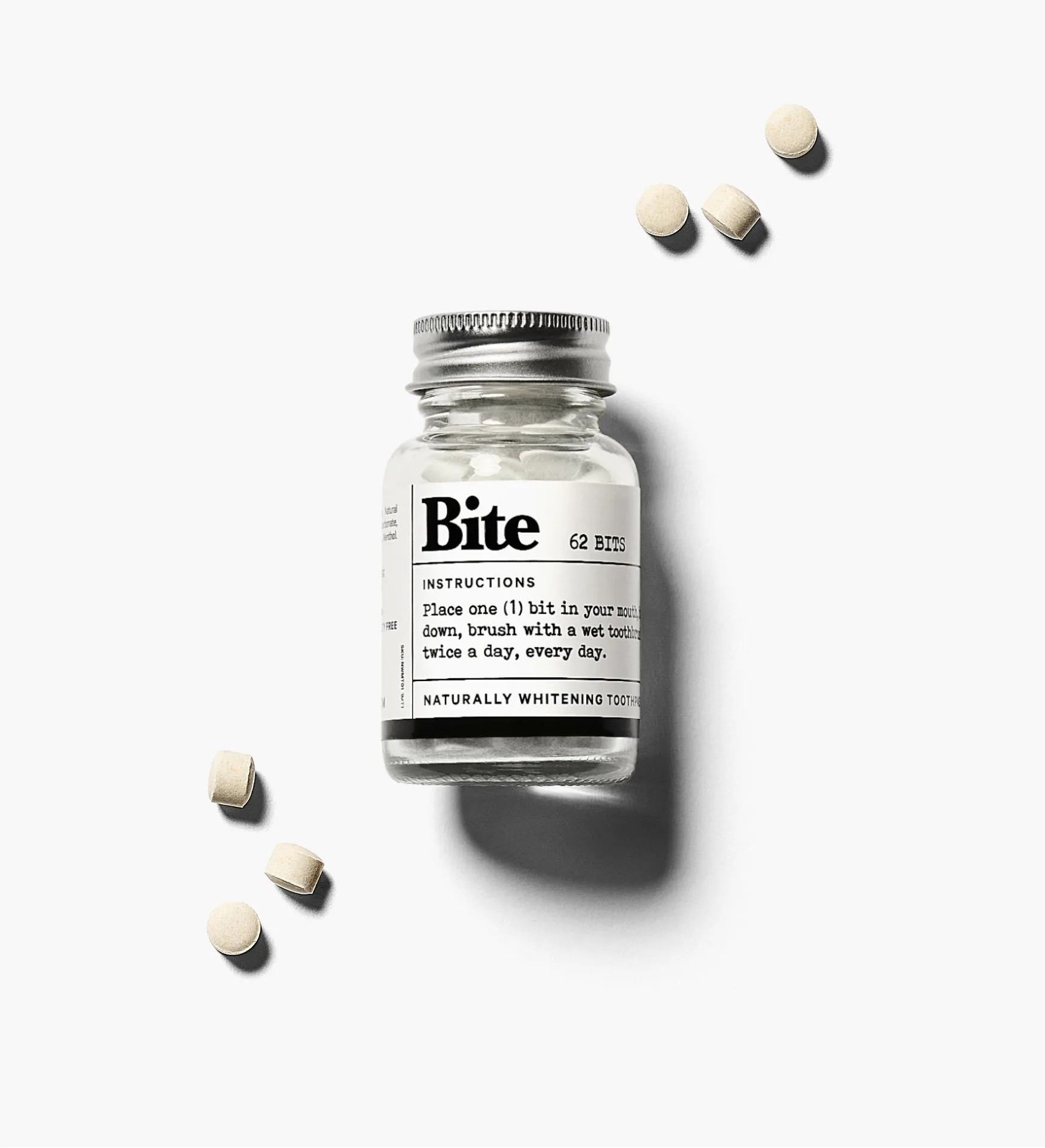
fluoride-free toothpaste
Check that your teeth and gums are healthy. If you have untreated cavities, gum disease, or exposed roots, whitening gel can worsen sensitivity. Visit your dentist for a checkup first. Also, consider using a toothpaste designed for sensitive teeth for at least two weeks before starting your whitening routine.
- Use a soft-bristled toothbrush to avoid irritating gums.
- Wait 30 minutes after brushing before applying whitening gel.
Choose the Right Whitening Gel and Concentration
Not all whitening gels are the same. Lower concentrations of hydrogen peroxide (around 6-10%) are gentler on sensitive teeth. If you're new to whitening, start with a lower strength and gradually increase if needed. Avoid high-concentration gels that promise dramatic results in one session—they often cause more sensitivity.
Look for gels that include desensitizing ingredients like potassium nitrate or fluoride. These help block nerve signals and reduce tooth sensitivity. If you're using a kit, follow the instructions carefully and don't leave the gel on longer than recommended.
- Check the label for desensitizing agents.
- Start with the lowest concentration available.
Apply Whitening Gel Correctly
Apply a thin, even layer of gel to the front surfaces of your teeth, avoiding the gum line. Use the applicator provided or a clean brush. Don't overload the teeth—excess gel can irritate gums and increase sensitivity. If you're using trays, make sure they fit snugly but not too tight.
Follow the recommended wear time. For sensitive teeth, start with shorter sessions (e.g., 10 minutes) and gradually increase to the maximum suggested time. Set a timer to avoid overexposure. If you feel intense pain or burning, remove the gel immediately and rinse your mouth.
- Use a mirror to ensure even application.
- Never sleep with whitening gel on your teeth.
Rinse and Soothe After Whitening
After the recommended time, rinse your mouth thoroughly with lukewarm water. Avoid cold or hot beverages for at least an hour. You can also use a desensitizing mouthwash or apply a small amount of toothpaste with nano-hydroxyapatite to help calm your teeth.
Eat soft, non-acidic foods for the next few hours. Avoid citrus, soda, and vinegar-based dressings, as they can aggravate sensitivity. If you experience mild sensitivity, it's normal and should subside within a day or two. If it persists, pause your whitening routine and consult your dentist.
- Rinse with lukewarm water, not hot or cold.
- Avoid acidic foods for at least two hours after whitening.
Space Out Your Whitening Sessions
Whitening too frequently can damage enamel and increase sensitivity. Instead of daily sessions, aim for every other day or two to three times a week. This gives your teeth time to recover and remineralize between treatments.
Keep track of your sessions in a journal or app. If you notice increased sensitivity, take a break for a few days and use a remineralizing toothpaste. You can also alternate with a gentle whitening toothpaste or tablets to maintain results without overdoing it.
- Start with 2 sessions per week and adjust based on sensitivity.
- Use a whitening toothpaste on off days to maintain brightness.
Your Safe Whitening Routine: Step-by-Step
- Step 1: Prep your teeth: Brush gently with a soft-bristled toothbrush and a remineralizing toothpaste. Wait 30 minutes before applying gel. Clean, dry teeth help the gel adhere evenly and reduce irritation.
- Step 2: Apply a thin layer of gel: Use a low-concentration whitening gel and apply a thin, even layer to the front of your teeth, avoiding the gum line. Less is more—excess gel increases sensitivity.
- Step 3: Time your session: Start with 10 minutes and gradually increase to the recommended maximum. Set a timer and never exceed the time. Short sessions are gentler on sensitive teeth.
- Step 4: Rinse and soothe: Rinse with lukewarm water and avoid acidic foods for at least two hours. You can use a desensitizing mouthwash if needed. Soothing your teeth after whitening helps reduce discomfort.
- Step 5: Space out sessions: Whiten every other day or two to three times a week, and use a remineralizing toothpaste on off days. Giving your teeth time to recover is key to a safe whitening routine.
Products That Support Gentle Whitening
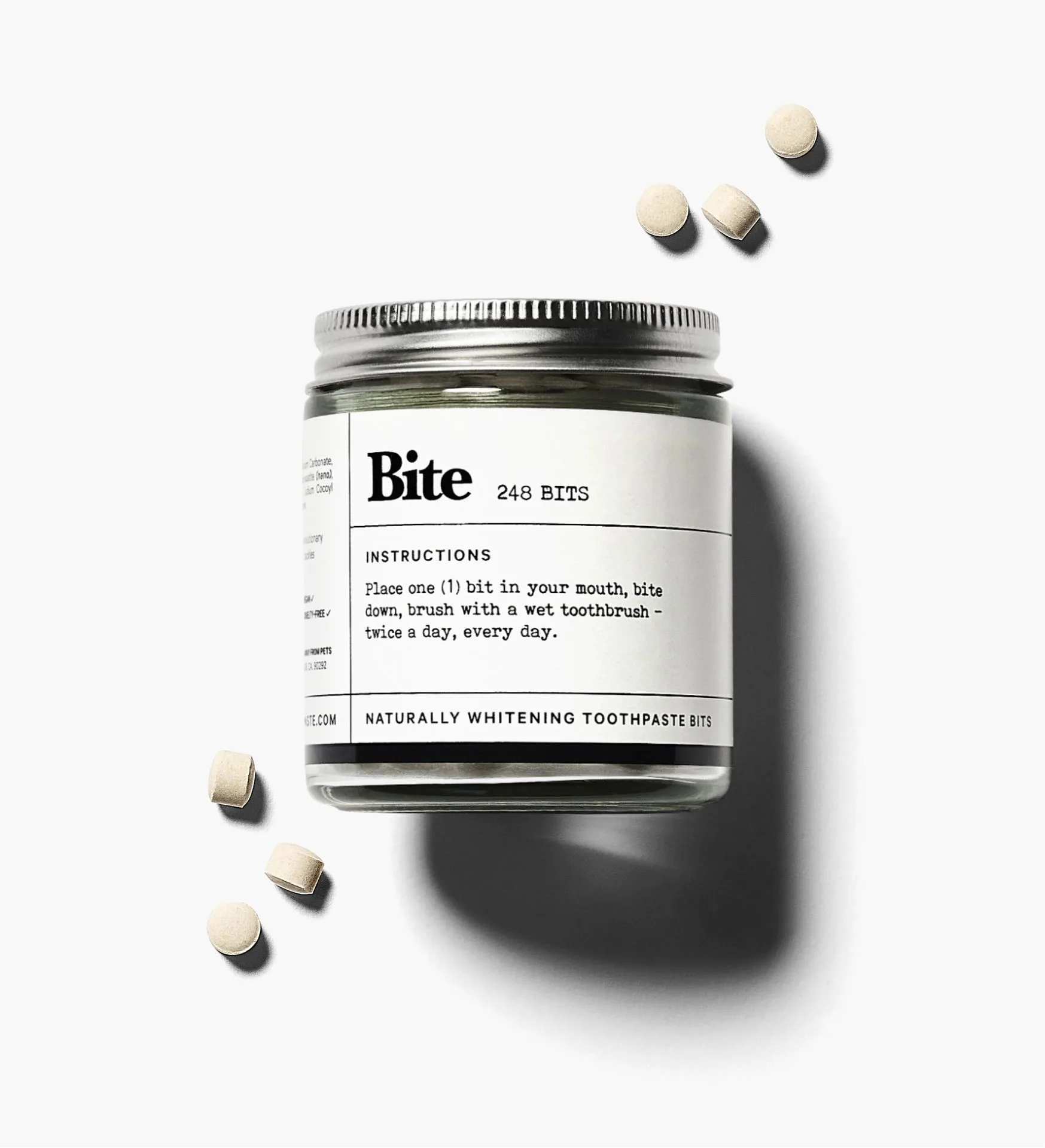
- Bite Toothpaste Bits – Natural, Remineralizing, Whitening Toothpaste Tablets with Nano-Hydroxyapatite and Xylitol - As Seen On Shark Tank: Made with nano-hydroxyapatite, which helps in gentle remineralization of teeth, and xylitol. Using this toothpaste between whitening sessions can help rebuild enamel and reduce tooth sensitivity, making it a smart companion to whitening gel.
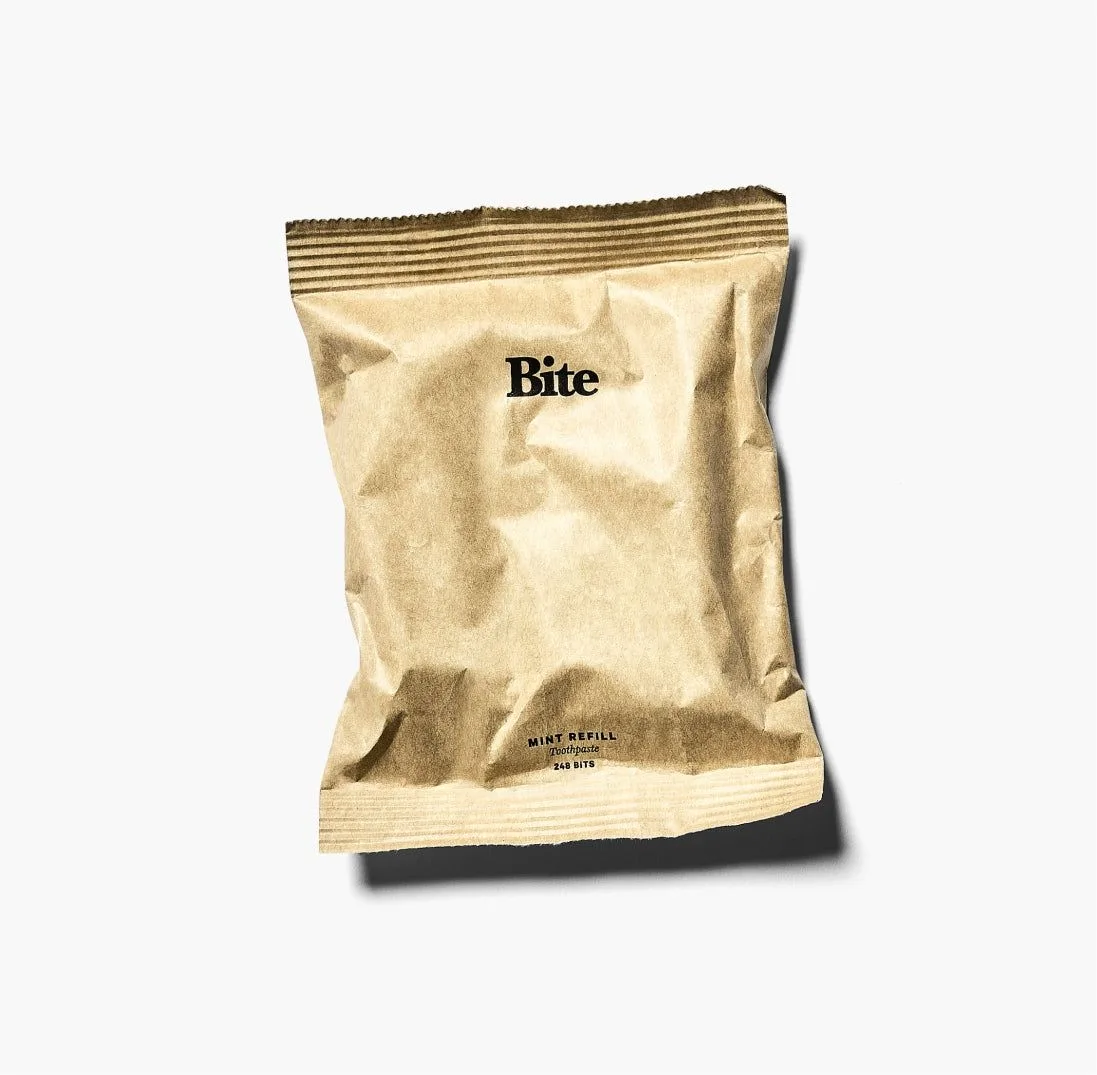
- The Day to Night Teeth Brightening Kit - Whiter Teeth in 3 Days with Bite Toothpaste Bits in Mint and Mint Charcoal, Comes with Free Bamboo Toothbrush: Formulated with effective, clean ingredients and comes in a refillable glass jar. Plastic-free and free of toxic ingredients. This kit offers a gentle, plastic-free way to brighten teeth naturally, and the included bamboo toothbrush is soft on sensitive gums.
Whitening your teeth with sensitive teeth is possible if you take a gentle, paced approach. Start with low-concentration gel, apply it carefully, and always soothe your teeth afterward. Pair your whitening routine with a remineralizing toothpaste to keep your enamel strong and your smile bright—without the pain.