Quick Answer
To use a yoga bolster for heart openers and chest expansion, place the bolster lengthwise under your upper back and support your head with a folded blanket. This passive backbend stretches the chest and shoulders while promoting relaxation. Always move slowly and breathe deeply to avoid strain.
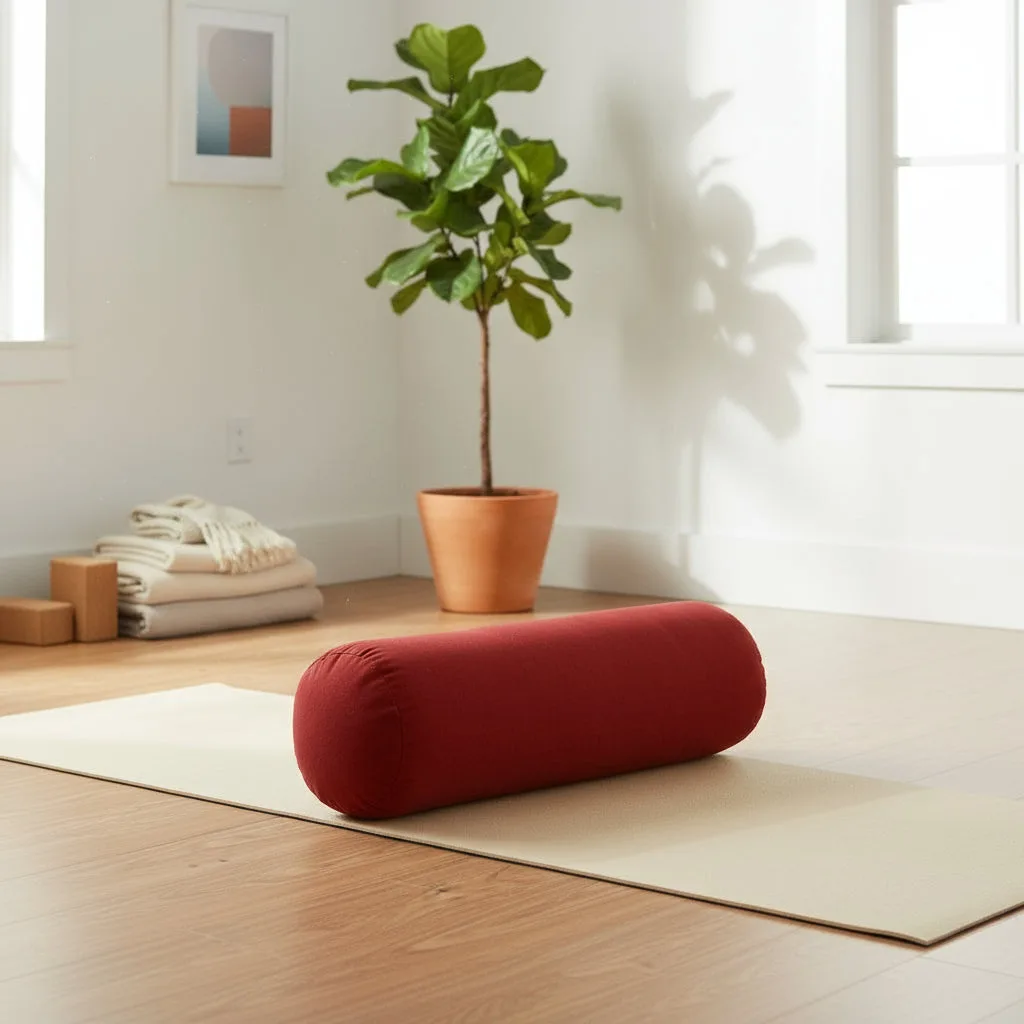
bolster
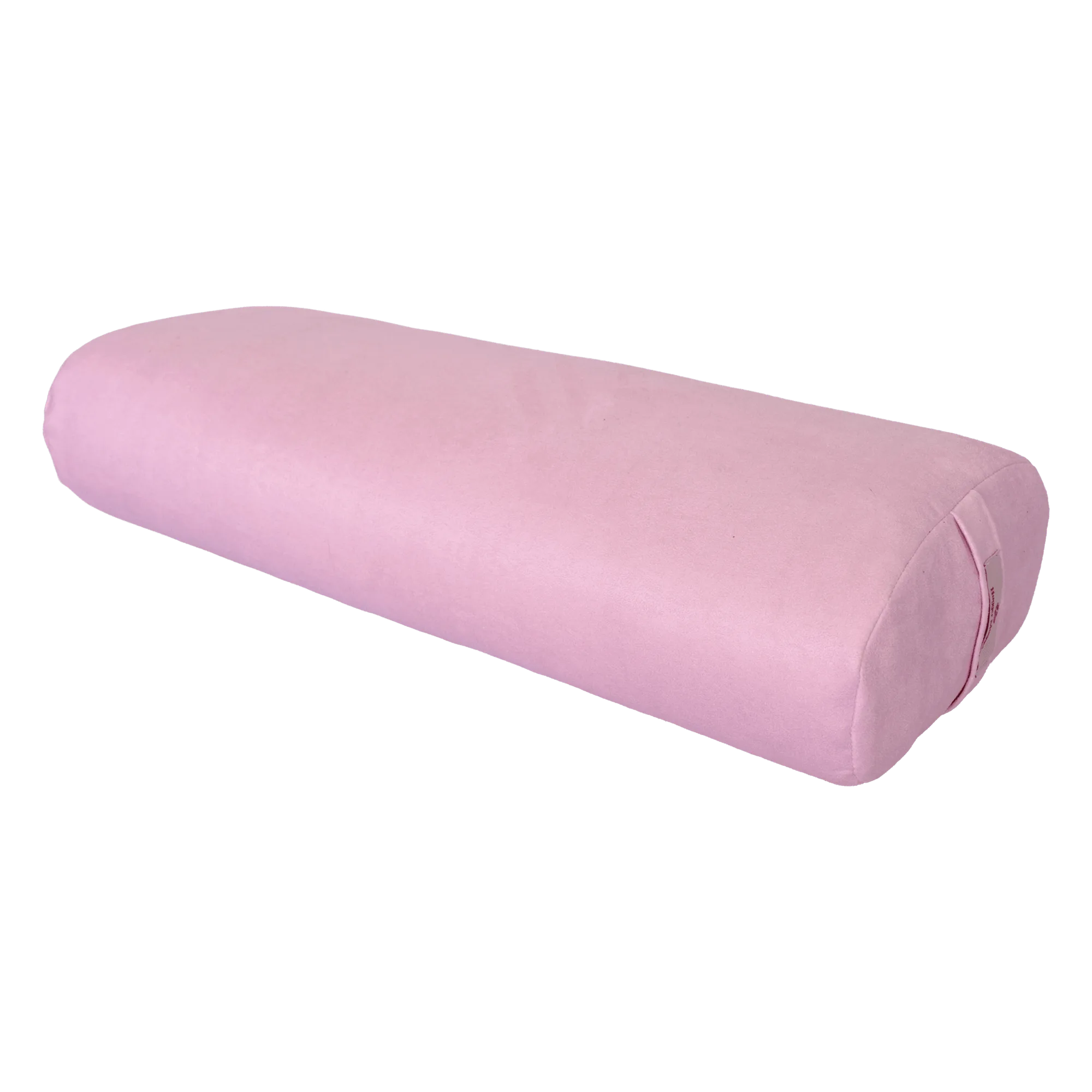
A yoga bolster is one of the most versatile props for opening the front of your body, especially the chest and shoulders. Unlike active backbends, a bolster provides support that lets your muscles release gradually, making it ideal for both beginners and experienced practitioners. Whether you're preparing for a deeper practice or winding down, a bolster can transform how you approach heart openers.
In this guide, you'll learn a simple, safe sequence to use a bolster for chest expansion and heart opening. We'll cover setup, step-by-step instructions, and common mistakes to avoid, so you can practice confidently and get the most from your prop.
Why Use a Bolster for Heart Openers?
A bolster adds height and support, allowing your chest to open without forcing the spine. In restorative yoga, this passive approach helps the muscles around the ribs and shoulders release tension, which can improve posture and breathing. Unlike a mat alone, a bolster creates a gentle arch that targets the upper back and chest.
Using a bolster also makes heart openers more accessible. If you have tight shoulders or a stiff back, a bolster reduces the intensity while still providing the benefits. It's a tool that respects your body's limits and encourages a longer, more comfortable hold.
- Supports the spine's natural curve, reducing strain.
- Allows you to hold poses longer for deeper release.
- Ideal for all levels, especially if you're new to backbends.
Setting Up Your Bolster for Chest Expansion
Start by placing your yoga bolster lengthwise on your mat. Position it so the narrow end is near your tailbone and the wider end supports your head. If you have a yoga blanket, fold it and place it under your head for extra cushioning—this helps maintain a neutral neck.
Sit on the floor in front of the bolster, then slowly lie back over it. Adjust the bolster so it supports your entire spine from your tailbone to your head. Your arms should rest comfortably at your sides or in a T-position, palms up, to open the chest further.
- Use a folded blanket under your head if your neck feels strained.
- Place your feet flat on the floor with knees bent if you have lower back sensitivity.
- Adjust the bolster's position until your spine feels supported, not pinched.
Step-by-Step: Supported Heart Opener Over the Bolster
Lie over the bolster with your spine supported from tailbone to head. Let your arms relax out to the sides, palms up. Close your eyes and breathe deeply, allowing your chest to expand with each inhale. Hold for 1-3 minutes, gradually increasing as you get comfortable.
To come out, press your hands into the floor and gently roll off to one side. Take a moment to rest on your side before sitting up. This transition prevents dizziness and lets your body adjust.
- Keep your lower back relaxed—don't force an arch.
- If you feel sharp pain, lower the bolster's height or use a blanket for support.
- Breathe slowly and evenly to enhance relaxation.
Common Mistakes and How to Avoid Them
One common mistake is placing the bolster too high under your lower back, which can compress the spine. Instead, focus the support under your mid-back and upper spine. Another error is holding your breath or tensing your shoulders—this defeats the purpose of the pose.
Always listen to your body. If you feel discomfort in your neck or lower back, modify with a blanket or reduce the bolster's height. The goal is ease, not intensity. Practice this pose regularly to improve chest mobility and posture.
- Avoid over-arching your lower back by engaging your core slightly.
- Don't rush—hold the pose for at least a minute to feel the benefits.
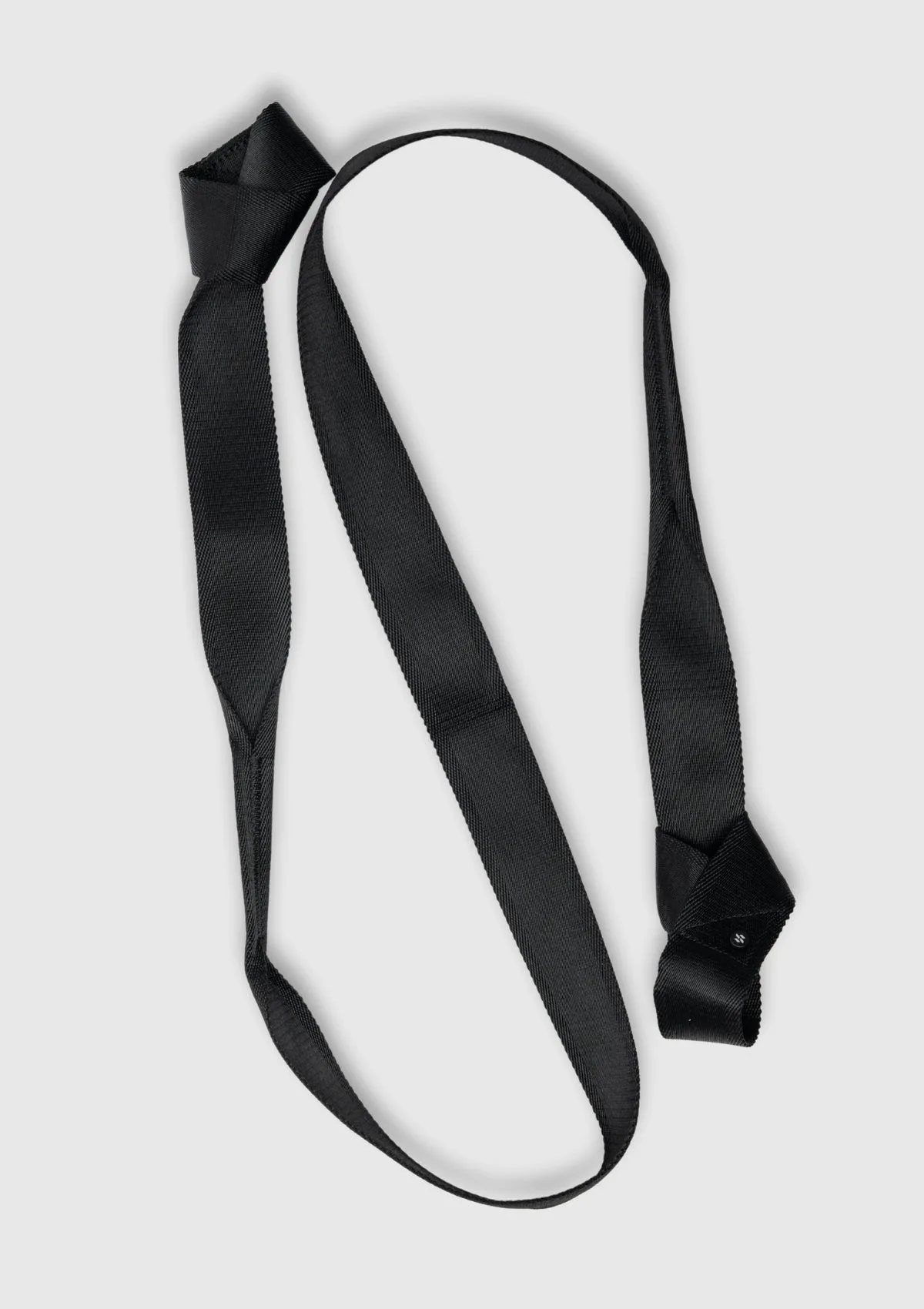
- Use a yoga strap if your arms don't reach the floor comfortably.
Quick Steps to a Supported Heart Opener
- Set up your space: Place the bolster lengthwise on your mat. Have a folded blanket nearby for head support. A safe setup prevents strain.
- Position your body: Sit in front of the bolster, then lie back so your spine is fully supported. Adjust the blanket under your head if needed. Your neck should feel neutral, not stretched.
- Relax and breathe: Let your arms rest out to the sides, palms up. Close your eyes and breathe deeply, allowing your chest to expand with each inhale. Hold for 1-3 minutes, then roll off gently.
Bolsters and Props to Support Your Practice
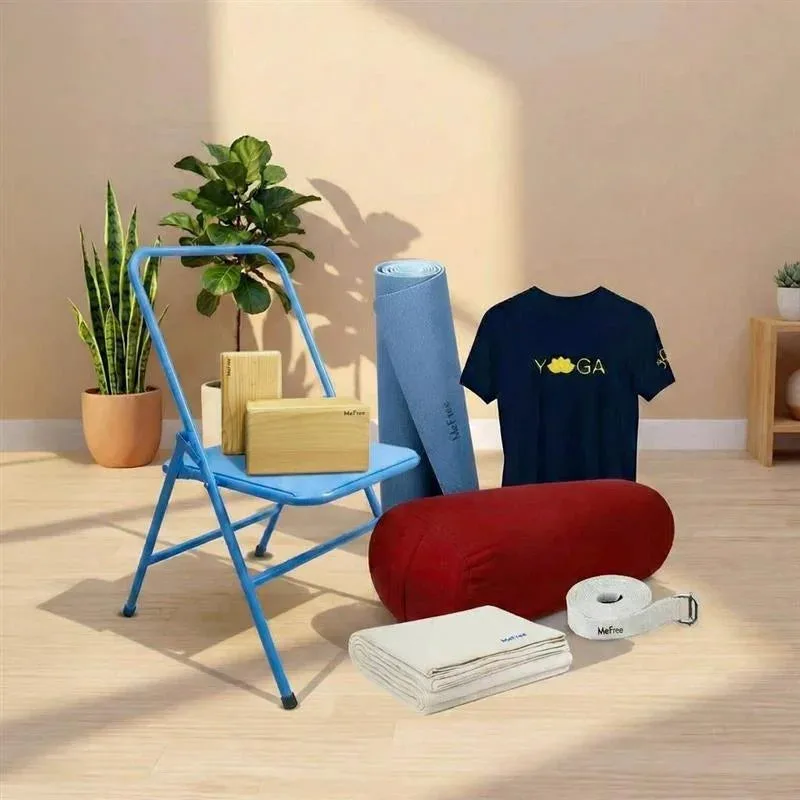
- Iyengar Yoga Kit: The MeFree Iyengar Yoga Props Kit is a carefully curated collection of essential yoga props designed to support proper alignment, enable longer practice sessions, and enhance depth. This kit includes a bolster and other props, making it a complete solution for heart openers and chest expansion. You'll have everything you need to practice safely and comfortably.
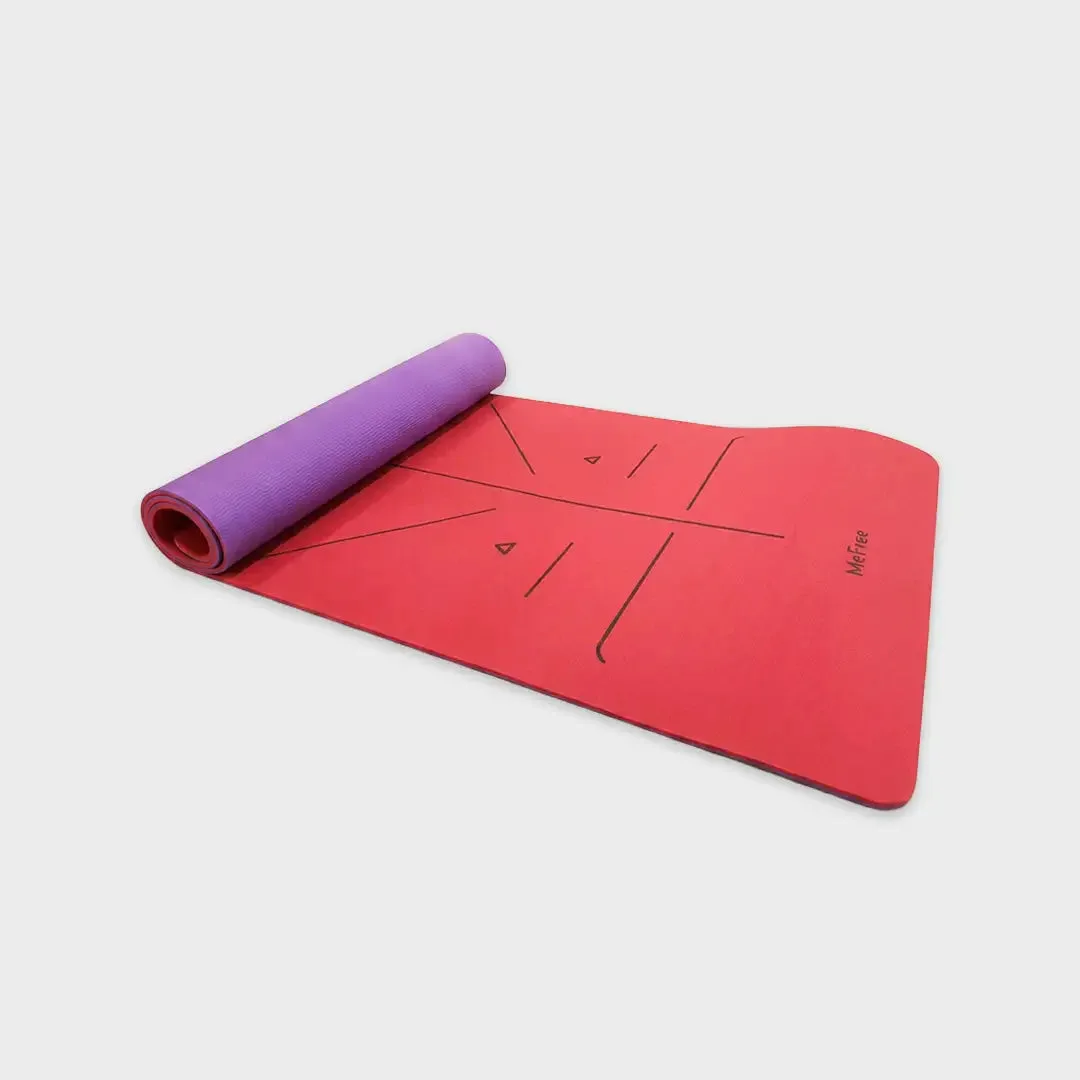
- Light Weight TPE Yoga Mat 6mm - Purple [Alignment]: The MeFree 6mm TPE Yoga Mat has built-in lines that guide positioning, helping you maintain correct posture. It weighs just 600 to 650 grams. The alignment lines help you position your body correctly during bolster poses, ensuring proper spinal support and reducing the risk of misalignment. Its light weight makes it easy to carry to class.
Using a yoga bolster for heart openers and chest expansion is a simple yet powerful way to improve flexibility, posture, and relaxation. By following these steps and listening to your body, you can safely incorporate this prop into your practice. Start with a few minutes each day and enjoy the benefits of a more open chest and calmer mind.