Anime figures are more than just collectibles—they're investments. With limited editions, pre-order exclusives, and aftermarket price surges, your collection could be worth far more than you think. But if disaster strikes—fire, theft, or accidental damage—would you be able to recover its full value? That's where insurance comes in.
Valuing your anime figure collection for insurance isn't just about adding up what you paid. It involves understanding current market values, documenting each piece thoroughly, and choosing the right coverage. In this guide, we'll walk you through the steps to ensure your collection is properly protected.
Why Insure Your Anime Figure Collection?
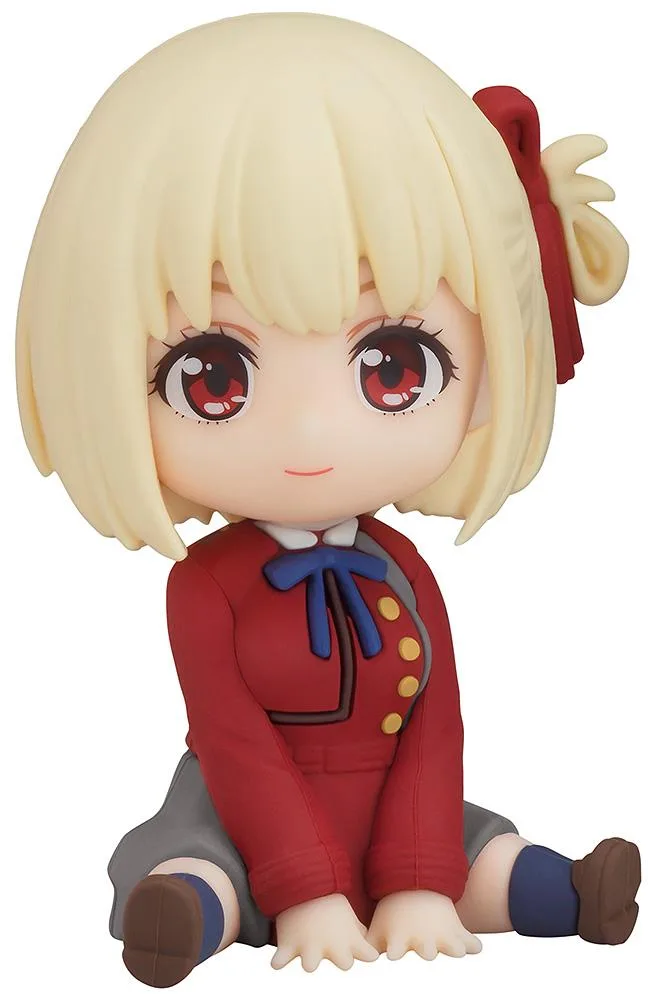
Many collectors assume their home insurance covers their figures, but standard policies often have limits on collectibles. If you own high-value items like the 【Pre-order】Lycoris Recoil - Chisato Nishikigi Nendoroid Plus Rubber Mascot or the 【Pre-Order】Honkai: Star Rail - Fruity Summer Series Acrylic Standee, their worth may exceed your policy's sub-limits. Without a rider or separate policy, you might only receive a fraction of their value.
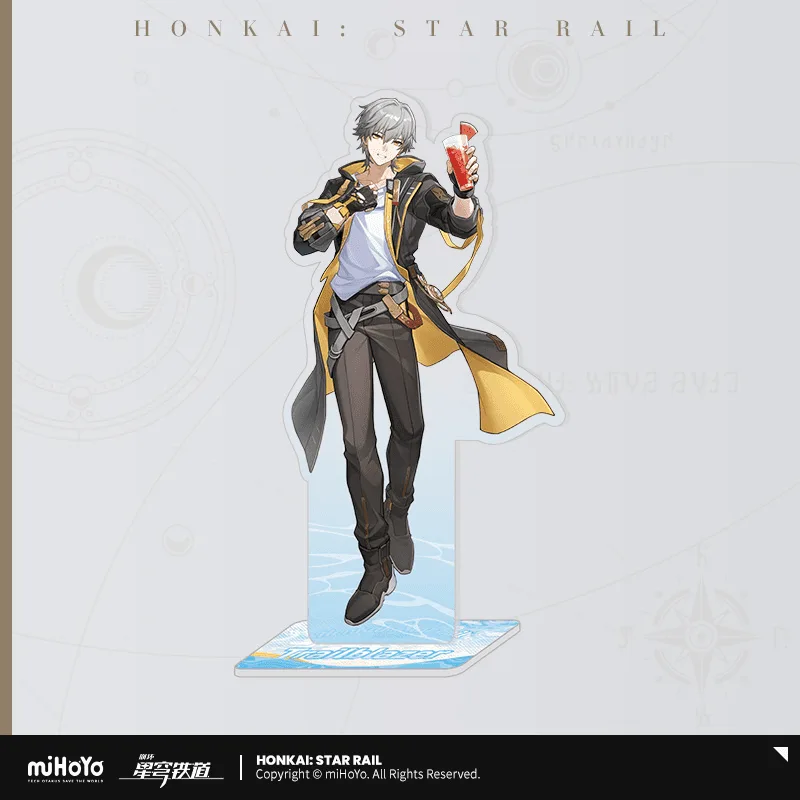
【Pre-Order】Honkai: Star Rail - Fruity Summer Series Acrylic Standee
Insuring your collection gives you peace of mind. It ensures that if your figures are damaged, lost, or stolen, you can replace them without a major financial hit. Plus, a documented appraisal can help you negotiate better coverage and streamline claims.
- Standard home insurance often caps collectible payouts at $1,000–$2,500.
- Scheduled personal property endorsements can cover individual high-value items.
- Separate collectibles insurance policies offer broader protection for your entire collection.
Step 1: Inventory Your Collection
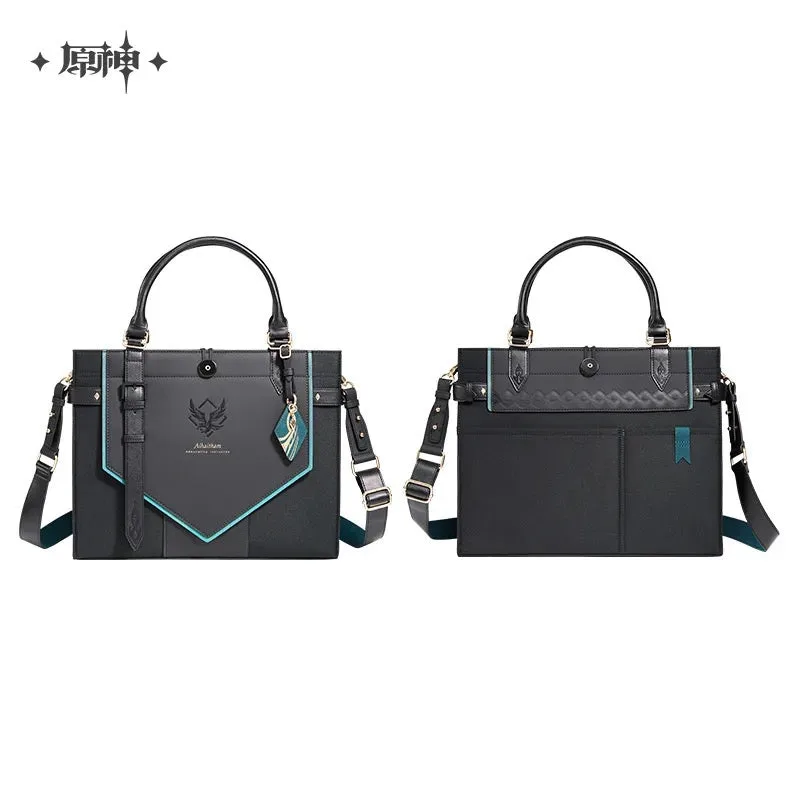
Before you can value your collection, you need a complete inventory. Go through every shelf, display case, and storage box. List each figure, its series, character, manufacturer, and any edition or variant details. For example, note if you own the Genshin Impact - Forest and Flying Sands Series - Alhaitham Impression Tote Bag or the 【Pre-order】Hokusai Katsushika x Hatsune Miku by iXima - Hatsune Miku T-shirt—these are merchandise items that also hold value.
Take high-quality photos of each item from multiple angles. Capture any unique features, box condition, and serial numbers if applicable. Store these photos digitally in a cloud service or on an external drive, and keep a physical copy in a safe place. This documentation will be crucial if you need to file a claim.
- Use a spreadsheet or collection app to track items, purchase dates, and prices.
- Include receipts, order confirmations, and any certificates of authenticity.
- Update your inventory whenever you add or sell a figure.
Step 2: Determine Current Market Value
The value of anime figures fluctuates. A figure you bought at retail might now be worth triple its original price on the aftermarket. To get an accurate valuation, research recent sales on platforms like eBay, Mandarake, and AmiAmi. Look for completed listings of the same figure in similar condition to gauge its current market price.
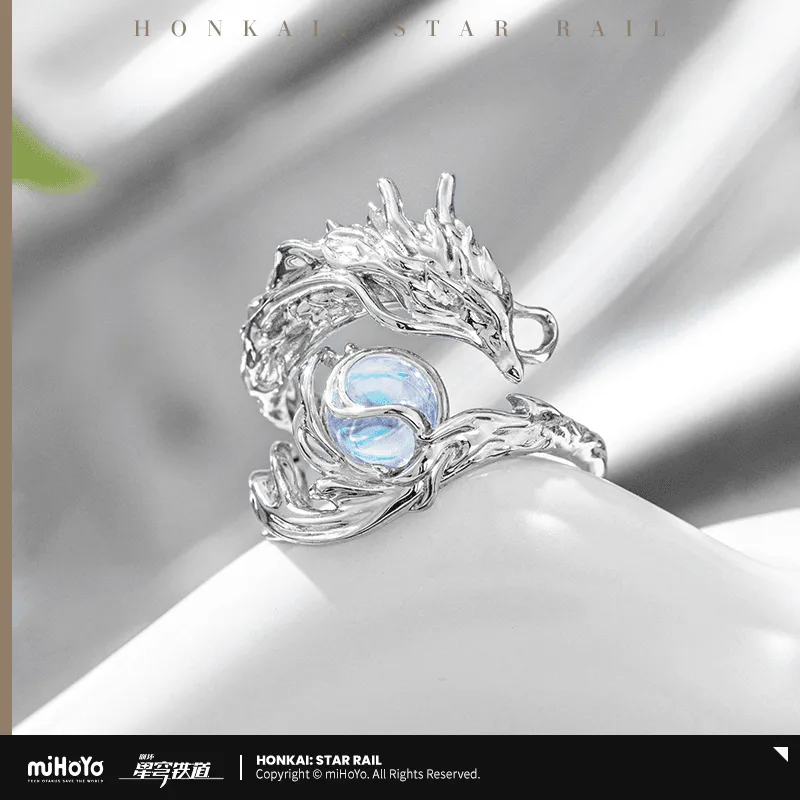
For rare or high-demand items, consider getting a professional appraisal. Some collectibles appraisers specialize in anime merchandise and can provide a certified valuation. This is especially useful for high-ticket items like the 【Pre-Order Deadline: JUNE 28TH】Honkai: Star Rai l- Cosmic Star Dan Heng• Imbibitor Lunae Themed Ring, which may be worth significantly more than its retail price.
- Check sold listings, not just asking prices, for realistic values.
- Factor in condition: mint-in-box figures command higher prices.
- Get a professional appraisal for items valued over $500.
Step 3: Choose the Right Insurance Coverage
Once you know your collection's total value, decide how to insure it. If your collection is worth less than $2,000, your home insurance might suffice, but confirm your policy's specific limits. For larger collections, you'll need additional coverage. Options include scheduling individual items on your home policy or purchasing a separate collectibles policy from companies like Collectibles Insurance Services or American Collectors Insurance.
When comparing policies, look at the coverage type: replacement cost vs. actual cash value. Replacement cost covers what you'd pay to replace the item today, while actual cash value accounts for depreciation. For collectibles that often appreciate, replacement cost is usually the better choice. Also, check whether the policy covers accidental damage, not just theft and fire—many collectors' policies include breakage coverage.
- Ask about coverage for shipping damage if you buy pre-owned figures.
- Review the claims process: some insurers require proof of ownership, so your inventory is vital.
- Consider adding a rider for your most valuable pieces.
Step 4: Maintain and Update Your Records
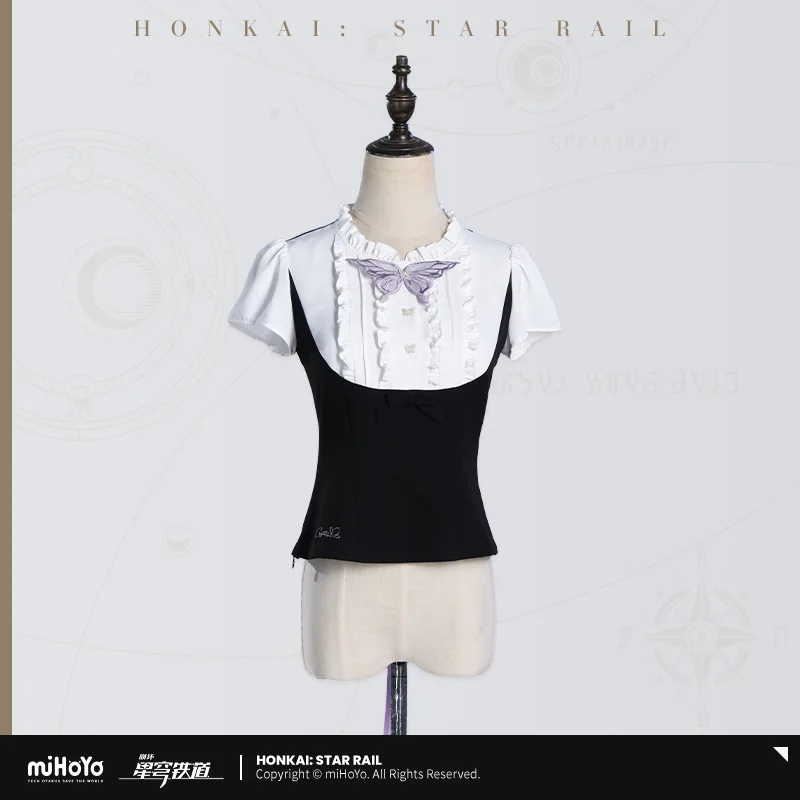
Your collection isn't static—you're always adding new figures, and some may appreciate. Set a reminder to review your inventory and valuations annually. When you purchase new items, add them to your list immediately. If you buy a pre-order like the 【Pre-Order】Honkai: Star Rail - Castorice Impression Series T-Shirts, record the price and expected release date.
Keep your documentation organized. Use a cloud-based spreadsheet that you can access from anywhere. Back up your photos and receipts to multiple locations. If you have a large collection, consider using a dedicated collection management app that can track values and generate reports for your insurer.
- Set a yearly reminder to update your inventory and valuations.
- Store receipts and photos in a secure, accessible location.
- Notify your insurer when your collection's value increases significantly.
Common Mistakes to Avoid
One of the biggest mistakes collectors make is undervaluing their collection. They might only count what they paid, not what the figures are worth now. For example, a limited-edition figure could have doubled in value, but if you insure it for the retail price, you'll only get that amount in a claim.
Another mistake is forgetting to document open-box items. Even if a figure is unboxed and displayed, it still has value. Include all your figures, not just the sealed ones. Also, don't assume your home insurance automatically covers everything—read the fine print and ask questions.
- Don't rely on memory—always document in real time.
- Include all merchandise, not just figures; apparel and accessories also hold value.
- Review your policy annually to ensure it keeps pace with your collection's growth.
Valuing your anime figure collection for insurance is a smart move for any serious collector. By inventorying your items, researching market values, and choosing the right coverage, you can protect your investment and enjoy your collection with peace of mind. Start today by documenting your prized figures and exploring insurance options tailored to collectibles.