As a resin statue collector, few things are more disappointing than discovering that the prized figure you purchased is a counterfeit. With the market flooded with replicas, verifying authenticity has never been more crucial. Whether you're buying from a reseller or a third-party marketplace, knowing how to spot a fake can save you money and heartache.
This guide provides a comprehensive checklist to help you authenticate resin statues before you buy. From examining packaging to scrutinizing paint application, we cover all the essential steps. By the end, you'll be equipped with the knowledge to confidently add only authentic pieces to your collection.
Why Authenticity Matters for Resin Statues
Authentic resin statues are more than just decorative items; they are investments. Limited edition pieces from reputable studios often appreciate in value over time. Counterfeits, on the other hand, are typically made with inferior materials and poor craftsmanship, offering little to no resale value. Moreover, supporting counterfeit products undermines the artists and studios who put their creativity and effort into original designs.
When you purchase an authentic piece, you also benefit from quality assurance. Studios ensure that each statue meets strict standards, using high-quality resin and detailed painting. Fakes often cut corners, resulting in noticeable flaws. By verifying authenticity, you protect your investment and ensure that you are getting a product worthy of display.
- Check for a certificate of authenticity or holographic seal.
- Research the studio and its official retailers before purchasing.
Packaging and Documentation: The First Clues
The packaging of a resin statue can tell you a lot about its authenticity. Genuine statues come in sturdy, well-designed boxes with high-quality printing. Look for consistent logos, correct spelling, and official studio branding. Counterfeiters often overlook these details, resulting in blurry images or misspelled names. Additionally, authentic products usually include a certificate of authenticity, a numbered card, or a holographic sticker.
Check the box for a product code or serial number. Many studios print unique identifiers that can be verified on their official website. If the number is missing or appears to be a generic label, it's a red flag. Also, inspect the inner packaging—authentic statues are carefully secured with foam and plastic to prevent damage during shipping. Fakes may use cheap materials that don't protect the statue properly.
- Compare the box design with official product photos online.
- Verify any serial number or code with the studio's database.
Examining the Sculpt and Paint Quality
The most telling signs of a fake resin statue are in the sculpt and paint. Authentic statues feature crisp, sharp details with no warping or rough edges. Pay close attention to the face, hands, and other intricate areas. Counterfeit statues often have softer details, misaligned seams, or visible mold lines. The paint application should be clean and precise, with no overspray or sloppy edges.
Color accuracy is another key indicator. Studios use specific paint formulas to achieve exact colors, while fakes may have slightly off or washed-out hues. Look for shading and gradients—authentic pieces often have subtle airbrushing that adds depth. If the paint looks flat or has obvious brush strokes, it's likely a counterfeit. For example, the 1/6 Scale White-haired Devil Kaneki Ken - Tokyo Ghoul Statue - WanXiang Studios is known for its meticulous paintwork, and any deviation could signal a fake.
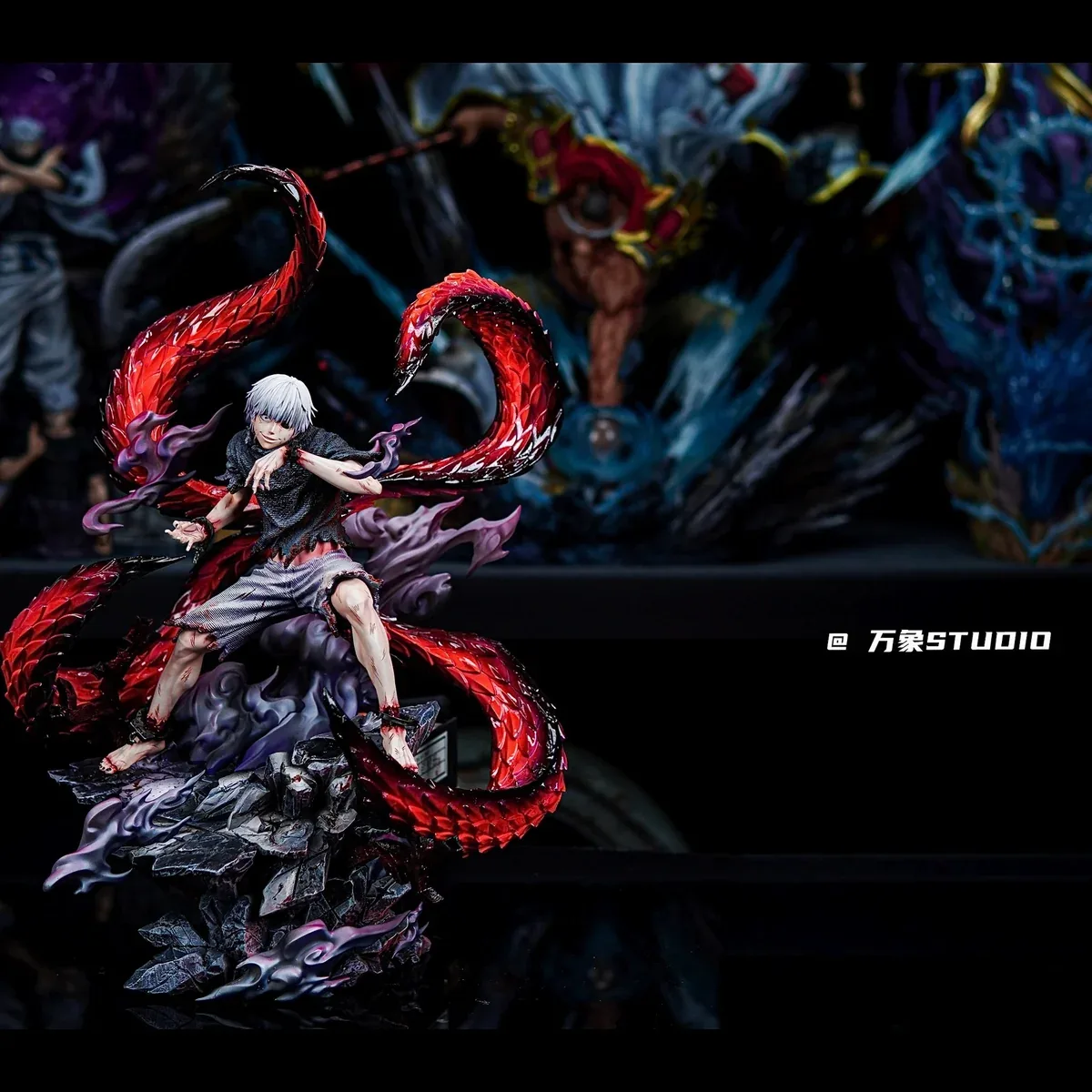
1/6 Scale White-haired Devil Kaneki Ken - Tokyo Ghoul Statue - WanXiang Studios
- Use a magnifying glass to inspect fine details.
- Compare the statue's colors with official images under natural light.
Material and Weight: The Feel of Authenticity
Resin statues are heavy and solid. When you pick up an authentic piece, it should feel substantial and well-balanced. Counterfeiters often use cheaper materials like hollow plastic or low-grade resin, making the statue lighter and more fragile. Tap the base gently—authentic resin produces a dull thud, while hollow fakes may sound hollow or tinny.
Check the base for any manufacturer marks, such as engraved logos or signatures. Many studios include these details as a mark of authenticity. If the base is blank or has a sticker instead of an engraving, be cautious. Additionally, inspect the pegs and connection points. Authentic statues have precisely machined connectors that fit snugly, while fakes may have loose or mismatched parts.
- Feel the weight of the statue—authentic resin is surprisingly heavy.
- Look for engraved marks on the base or hidden areas.
Buying from Reputable Sources
One of the best ways to ensure authenticity is to purchase from trusted retailers. Figurechoice, for example, offers a curated selection of authentic resin statues from reputable studios. When you buy from a known retailer, you reduce the risk of encountering fakes. Always check the seller's reputation and read reviews from other collectors. If a deal seems too good to be true, it probably is.
If you're considering a pre-order, make sure the retailer has a proven track record. For instance, the 1/7 & 1/4 Scale Iron Cavalry Firefly - Honkai: Star Rail Statue - Love Holic Studio is a popular choice among collectors, and buying it from an authorized dealer ensures you receive a genuine product. Similarly, the 1/4 Scale Mythra - Xenoblade Chronicles 2 Resin Statue - Fallen Angel Studio is another sought-after piece that should only be purchased from verified sources.
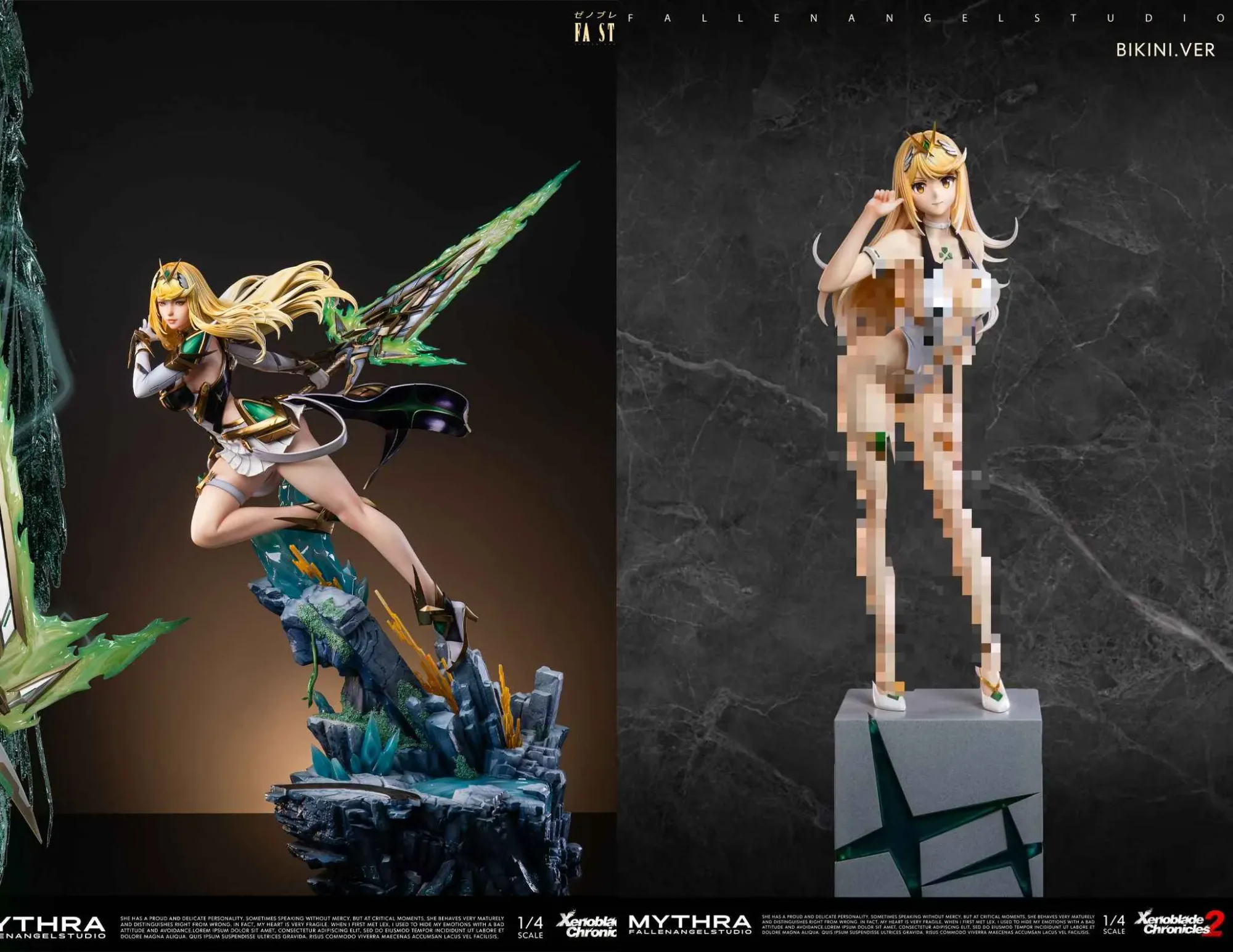
1/4 Scale Mythra - Xenoblade Chronicles 2 Resin Statue - Fallen Angel Studio
- Always ask for proof of purchase or invoice when buying second-hand.
- Avoid sellers with no history or negative feedback.
Authenticating resin statues doesn't have to be daunting. By following this checklist, you can confidently identify authentic pieces and avoid costly fakes. Remember to inspect packaging, scrutinize paint and sculpt, and always buy from reputable sources. Your collection deserves the best—so take the time to verify before you buy.