Quick Answer
To walk your dog without pulling, you need to reward the position you want—a loose leash—before the leash goes tight. Start in a low-distraction space, mark and pay your dog for staying near your side, and only add distance, duration, and distractions as your dog succeeds. If you get stuck, a structured book like How to Walk Your Dog can give you a clear plan.
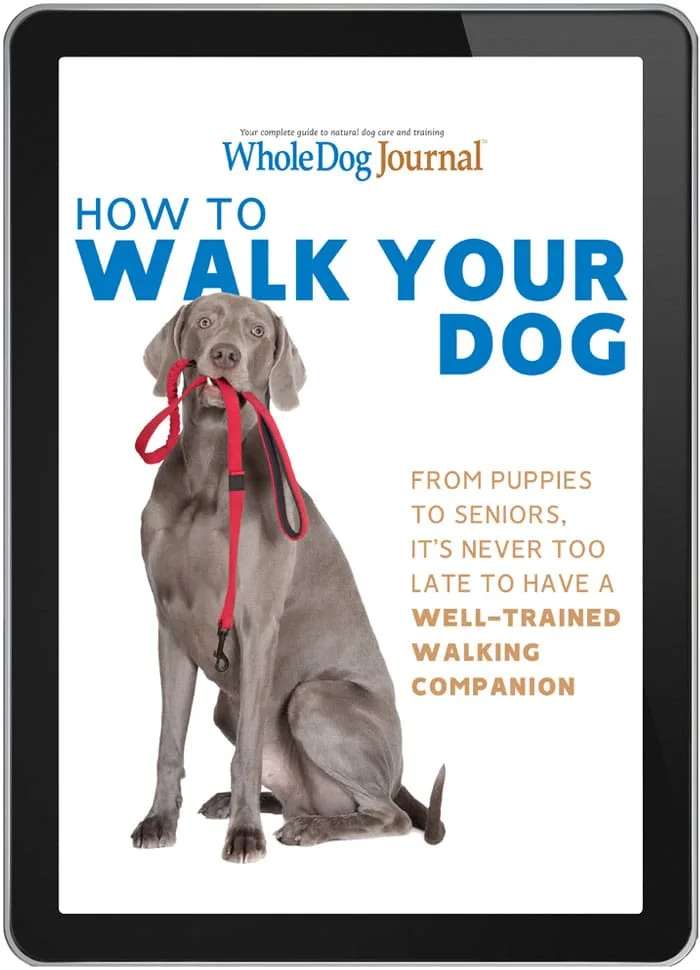
How to Walk Your Dog
Why Your Dog Pulls (and What to Do Instead)
Dogs pull because pulling works. The moment the leash tightens and you step forward, your dog learns that tension moves you toward the smell, the dog, or the park. Jerking back or stopping abruptly may interrupt the pull, but it does not teach your dog what to do instead. The fix is to make the behavior you want—walking with a loose leash—more rewarding than pulling. That means reinforcing your dog for being in the right place, not just correcting the wrong one. Every walk is a training session, so decide what you will pay for: a slack leash, a check-in, or a moment of attention. If you are consistent, your dog will choose the paid behavior.
Set Up for Success: Gear and Environment
Before you teach loose leash walking, remove equipment that makes pulling more likely. A front-clip harness or a well-fitted collar and a 4–6 foot leash give you control without pain or pressure on the throat. Retractable leashes teach dogs to pull because the leash is always tight, so put them away for training. Choose a low-distraction location first—your living room, a quiet driveway, or an empty parking lot. High-traffic parks and sidewalks are for later. If your dog is reactive to other dogs or people, start even farther away from triggers. Your goal is to set a training zone where your dog can think and eat treats. If your dog cannot take food, you are too close to a trigger; add distance.
Teach the Position Before You Add Distance
Stand still with your dog on a loose leash. When your dog looks at you or stands near your side, mark the moment with a clicker or a word like “yes” and deliver a treat at your pant seam. Repeat until your dog is offering that position. Then take one step. If the leash stays loose, mark and treat. If it tightens, stop, wait for your dog to release the tension, and try again with a smaller step. This is the core of loose leash walking: you reinforce the slack, not the pull. Keep sessions to 3–5 minutes and end while your dog is still successful. A common mistake is walking too far too soon. If your dog pulls, you have already asked for too much. Shrink the step and reward more often.
Add Distractions in Small Doses
Once your dog can walk a few steps with a loose leash in a quiet place, add one small distraction: a parked car, a person standing still, or a scent on the ground. Your dog does not have to ignore the distraction; they just need to be able to turn back to you and keep the leash loose. If they lunge or pull, you are too close. Move farther away and try again. Use a higher-value treat for harder distractions. For dogs who struggle with other dogs or people, a book like Behavior Adjustment Training 2.0 explains how to build confidence and social skills around triggers without forcing your dog into uncomfortable situations. The key is to keep your dog under threshold—able to think and eat—so learning can happen.
Proof the Behavior in Real Life
Real walks include squirrels, other dogs, and guests at the door. To generalize loose leash walking, practice in many locations with gradually increasing difficulty. Start with a quiet street, then a busier sidewalk, then a park. At each new place, lower your expectations: reward more often and accept a shorter distance before you ask for more. If your dog pulls, stop, wait for slack, and then continue. Never let your dog drag you to a trigger; that reinforces pulling. If you need a structured plan for adding distractions, Beyond the Back Yard: Train Your Dog to Listen Anytime, Anywhere! by Denise Fenzi gives you a progressive system for getting reliable behavior in the real world. Keep sessions short and end on a success. Over time, your dog will learn that a loose leash is the fastest way to get where they want to go.
Leash Training Steps
- Step 1: Choose the Right Gear: Use a front-clip harness or a flat collar with a 4–6 foot leash. Avoid retractable leashes and choke chains. Checkpoint: Your dog can move freely without pressure on the throat.
- Step 2: Start in a Low-Distraction Space: Begin indoors or in a quiet yard. Stand still and reward your dog for being near your side with a loose leash. Checkpoint: Your dog can take a treat and look at you.
- Step 3: Reward the Loose Leash: Take one step. If the leash stays slack, mark and treat. If it tightens, stop and wait for your dog to release the tension. Common mistake: walking too far before your dog understands the position.
- Step 4: Add Distance Gradually: Increase to two steps, then three, always rewarding slack. Keep sessions short and end on a success. Checkpoint: Your dog can walk 5–10 steps with a loose leash in a quiet place.
- Step 5: Introduce Distractions: Add one mild distraction at a time, such as a parked car or a person standing still. If your dog pulls, increase distance. Checkpoint: Your dog can turn back to you and keep the leash loose around the distraction.
- Step 6: Practice in Real Life: Walk in new locations, starting quiet and moving to busier areas. Reward more often in new places. Common mistake: expecting perfect behavior in a new place without lowering criteria.
- Step 7: Be Consistent: Never let your dog pull you to something they want. Wait for slack before moving forward. Checkpoint: Your dog learns that a loose leash is what gets them where they want to go.
Books That Can Help
- How To Walk Your Dog: How To Walk Your Dog is a newly revised guide to leash training simplified, focused on making walks worth every step. If you want a dedicated, step-by-step leash training plan, this short book gives you a clear structure to follow.
- Beyond The Back Yard: Beyond the Back Yard: Train Your Dog to Listen Anytime, Anywhere! by Denise Fenzi helps you understand how your dog learns and train reliable behavior in real-world distractions. Useful when your dog walks well at home but pulls in the park or when guests arrive.
- Behavior Adjustment Training 2.0: Behavior Adjustment Training 2.0 by Grisha Stewart helps dogs gain confidence and social skills around people, dogs, or other triggers. A good fit if your dog pulls or reacts because they are worried or overexcited by other dogs or people, not just because they lack leash manners.