Quick answer
Warm silicone toys only in lukewarm water up to about 104°F (40°C) or with brief body contact, and cool them in cool water or the refrigerator—never the freezer. Avoid boiling, microwaving, or direct sunlight, which can damage the silicone and create burn or frostbite risks.
Why temperature matters for silicone toys
Silicone is a poor heat conductor, so it warms and cools slowly. That means a toy can feel comfortably warm on the surface while the core stays cool, or vice versa. For temperature play, the goal is a gentle, even change—not extreme heat or cold. Because silicone holds temperature longer than skin, always test the toy against your inner wrist or forearm before use, and recheck every few minutes during play.
Safe warming methods that won't damage silicone
The safest way to warm a silicone toy is to submerge it in a bowl of lukewarm water for 5–10 minutes. Water should feel comfortably warm to your hand—never steaming or hot enough to redden skin. You can also warm a toy by holding it against your body or tucking it under a blanket for a few minutes. If you use a heating pad, keep it on the lowest setting and never leave the toy unattended. Avoid boiling water, dishwashers, microwaves, and direct sunlight, which can degrade silicone over time and cause burns.
Safe cooling methods for silicone toys
For a cool sensation, place the toy in a bowl of cool tap water for 5–10 minutes, or refrigerate it for no more than 15 minutes. Never put silicone toys in the freezer—freezing can make the surface uncomfortably cold and may cause frostbite on sensitive tissue. If you want a longer-lasting cool effect, chill the toy in its storage bag in the refrigerator, not the freezer. Always dry the toy thoroughly before use to avoid slippery handling.
What to check before and after temperature play
Before play, inspect the toy for any signs of damage: cracks, tackiness, or discoloration. Extreme temperatures can worsen existing wear. After play, clean the toy with warm water and mild soap or a silicone-safe cleaner, then dry it completely. Store it away from heat sources and direct sunlight. If you used a lubricant, check that it's water-based and compatible with silicone—silicone-based lubes can degrade silicone toys over time.
Step-by-step: safe temperature play with silicone toys
- 1. Check the toy's condition: Inspect for cracks, tears, or sticky spots. Damaged silicone can harbor bacteria and may not handle temperature changes evenly. If you see any damage, retire the toy—temperature play isn't worth the risk.
- 2. Choose your warming or cooling method: For warming, use lukewarm water (max 104°F/40°C) for 5–10 minutes. For cooling, use cool water or refrigerate for up to 15 minutes. Never use boiling water, microwaves, or the freezer. Set a timer—overheating or overcooling is the most common mistake.
- 3. Test the temperature on your skin: Press the toy against your inner wrist or forearm for a few seconds. It should feel pleasantly warm or cool, never hot or painfully cold. If it's uncomfortable on your wrist, it's too extreme for sensitive areas.
- 4. Dry the toy thoroughly: Water left on the surface can make the toy slippery and dilute lubricant. Pat dry with a clean, lint-free towel. A dry toy gives you better control and a more consistent temperature feel.
- 5. Apply water-based lubricant: Use a generous amount of water-based lube. Silicone-based lubes can degrade silicone toys, especially when warmed. Reapply lube as needed—temperature play can dry out lubricant faster.
- 6. Recheck temperature during play: Body heat and friction will change the toy's temperature. Pause and test against your wrist every few minutes, especially with larger toys that hold heat longer. If the toy feels too hot or too cold, remove it and let it adjust to room temperature.
- 7. Clean and store properly: After play, wash with warm water and mild soap or silicone cleaner. Dry completely and store away from heat and sunlight. Proper cleaning prevents residue buildup that can affect how the toy responds to temperature next time.
Silicone firmness and temperature play
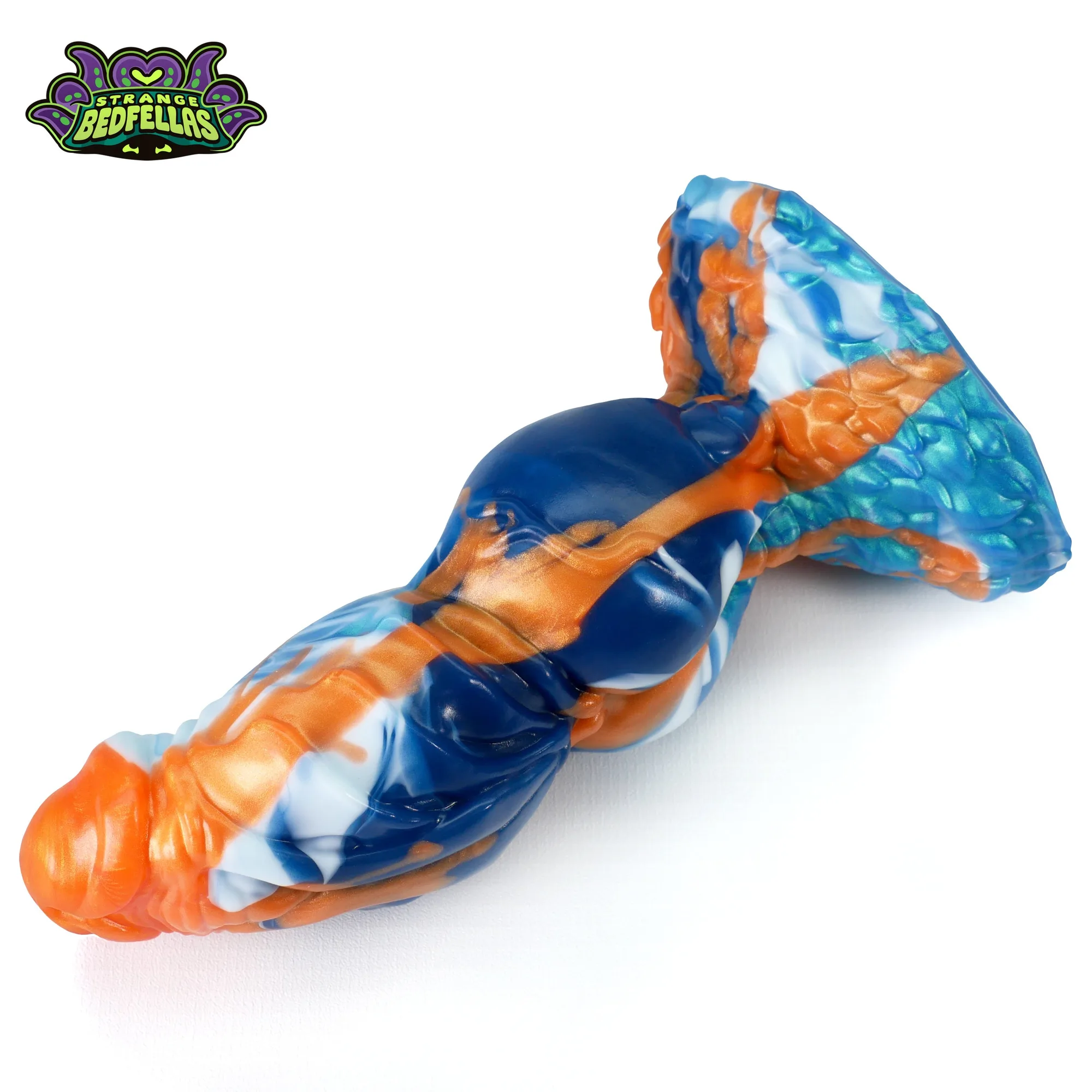
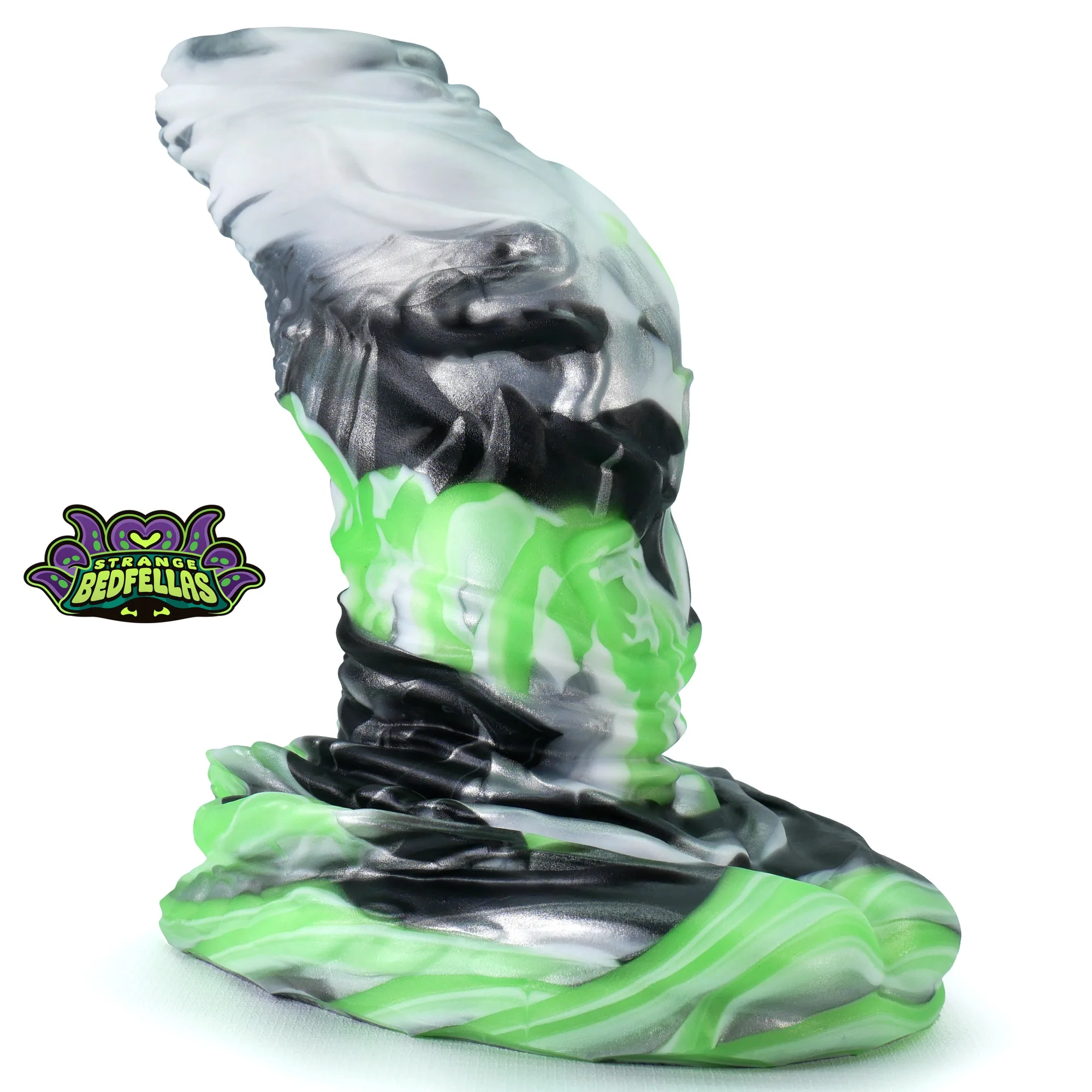
- Medium Sahl -- Super Soft silicone -- S-572: Medium Sahl — Super Soft silicone — S-572: Firmness: Super Soft (0020); Total length: 6.5 inches; Useable length: 5 inches; Head diameter: 1.3 inches; Head circumference: 5 inches; Widest shaft diameter: 2.5 inches. Super Soft silicone warms and cools more quickly than firmer grades, so it responds well to brief temperature changes—but it also loses heat faster, so you may need to re-warm or re-cool it during longer sessions.
- Large Tenta Twirl -- Soft silicone -- TT-1116: Large Tenta Twirl — Soft silicone — TT-1116: Firmness: Soft (0030); Total length: 7.5 inches; Tip diameter: 1.9 inches; Tip circumference: 5.75 inches; Widest diameter: 2.6 inches; Widest circumference: 7.75 inches. The larger mass of this toy holds temperature longer, so a brief warm-up or cool-down gives a more sustained effect. Check the temperature along the entire length, not just the tip.
- Small Tyv -- Firm silicone -- T-5817: Small Tyv — Firm silicone — T-5817: Firmness: Firm (10A); Total length: 6 inches; Useable length: 5 inches; Head diameter: 1 inch; Head circumference: 3.75 inches; Widest shaft diameter: 1.5 inches. Firm silicone feels cooler to the touch at room temperature and takes longer to warm up, so allow extra time in lukewarm water if you prefer a warmed toy. Its smaller size also means it cools down faster once out of water.