Quick answer
Wash your down or synthetic jacket in a front-loading machine on a gentle cycle with a technical down or synthetic detergent, then dry it completely on low heat with dryer balls to restore loft. Finish by reactivating the DWR with heat or a spray-on treatment. Never use fabric softener or standard laundry detergent, and never store the jacket compressed.
Why washing matters more than you think
Dirt, sweat, and body oils don't just make your jacket look grimy—they actively break down insulation performance. In down, oils coat the feathers and reduce their ability to trap air, so the jacket feels flat even when it's dry. In synthetic insulation, the same grime can cause fibers to mat and lose resilience. A clean jacket lofts better, breathes better, and lasts longer.
You don't need to wash after every trip. A good rule: wash when the jacket looks visibly soiled, feels clammy, or has lost its puffiness. For a daily-worn midlayer, that might be every few weeks; for a belay jacket used occasionally, once or twice a season is enough. Over-washing is less harmful than under-washing, but you still want to avoid unnecessary cycles.
What you need before you start
Gather a technical detergent made for down or synthetic insulation (often labeled 'down wash' or 'tech wash'), a front-loading washing machine, and a dryer with a low-heat setting. If your machine is a top-loader with a central agitator, use a mesh laundry bag or hand-wash instead to avoid tearing baffles. You'll also want two or three clean dryer balls or tennis balls to help break up clumps during drying.
Check the care tag first. Most down and synthetic jackets are machine-washable, but some shells with laminated membranes or glued seams may have specific warnings. If the tag says 'dry clean only,' follow that—but it's rare for modern outdoor jackets. Also close all zippers, Velcro, and flaps before washing to prevent snags.
Step-by-step washing and drying
Use the signature steps below as your core routine. The biggest variables are detergent choice, water temperature, and drying time. Always use cold or lukewarm water (never hot), and set the machine to a gentle or delicate cycle with an extra rinse. If your machine has a second rinse option, use it—leftover detergent attracts moisture and can cause clumping.
For drying, low heat is key. High heat can damage the synthetic fibers or the DWR coating, and it can shrink some shell fabrics. Expect down jackets to take two to three cycles of 30–40 minutes each, with a pause between cycles to shake the jacket and break up clumps by hand. Synthetic jackets usually dry faster, but they still need to be completely dry before storage to prevent mildew.
Restoring water repellency (DWR)
After washing, your jacket's DWR (durable water repellent) finish may need a boost. If water no longer beads up and rolls off the fabric, it's time to reactivate or reapply. First, try heat: tumble the clean, dry jacket on low for 20 minutes—this can reactivate the existing DWR. If that doesn't work, use a spray-on or wash-in DWR product made for your jacket's fabric type.
Spray-on treatments are generally better for jackets with a distinct membrane or for targeted areas like shoulders and hood, while wash-in treatments are convenient for full coverage but can slightly reduce breathability if over-applied. Always follow the product instructions and apply in a well-ventilated area. Never apply DWR to a wet jacket unless the product says it's okay.
Storage and long-term care
Store your jacket clean and dry, loosely folded or on a hanger—never compressed in a stuff sack for long periods. Down especially needs to breathe; compression breaks down the feather structure over time. Keep it away from direct sunlight and damp basements. If you're storing for the off-season, a breathable cotton storage bag is ideal.
For synthetic jackets, the same rules apply, but they're slightly more forgiving of compression. Still, avoid leaving them crammed at the bottom of a pack for months. A quick shake and a few minutes in the dryer on low before each season will refresh the loft and redistribute insulation.
Your 6-step jacket washing routine
- Prep the jacket and machine: Close all zippers, Velcro, and flaps. Empty pockets. If using a top-loader with an agitator, place the jacket in a mesh bag or hand-wash. Set the machine to a gentle cycle with cold water and an extra rinse. Mistake to avoid: skipping the extra rinse leaves detergent residue that attracts moisture and causes clumping.
- Use the right detergent: Add a technical down or synthetic detergent—never standard laundry detergent, fabric softener, or bleach. These leave behind coatings that strip natural oils from down and clog synthetic fibers. Checkpoint: if you can't find a tech wash, a small amount of mild, fragrance-free liquid soap can work in a pinch, but tech wash is safer for DWR.
- Wash on gentle, then rinse twice: Run the gentle cycle with cold water. After the first rinse, run a second rinse cycle with no detergent to flush out all residue. If your machine has a 'bulky' or 'down' setting, use it. Mistake to avoid: using hot water, which can shrink shells, damage DWR, and degrade synthetic insulation.
- Dry on low with dryer balls: Transfer the jacket to the dryer on low heat. Add two or three clean dryer balls or tennis balls. Pause every 20–30 minutes to shake the jacket and manually break up any clumps of down or insulation. Checkpoint: down jackets often need 2–3 cycles. Don't stop until the jacket feels completely dry and lofty—damp down will mildew.
- Reactivate or reapply DWR: Once dry, tumble on low for another 20 minutes to reactivate the existing DWR. If water still doesn't bead, apply a spray-on or wash-in DWR treatment according to the product instructions. Mistake to avoid: applying DWR to a wet jacket or over-applying wash-in treatments, which can reduce breathability.
- Store loosely and clean: Hang or loosely fold the jacket for storage. Never store it compressed in a stuff sack. Keep it in a dry, breathable place away from direct sunlight. Next step: before your next trip, give the jacket a quick shake and a 10-minute low-heat tumble to refresh loft.
Jackets built for repeat washing
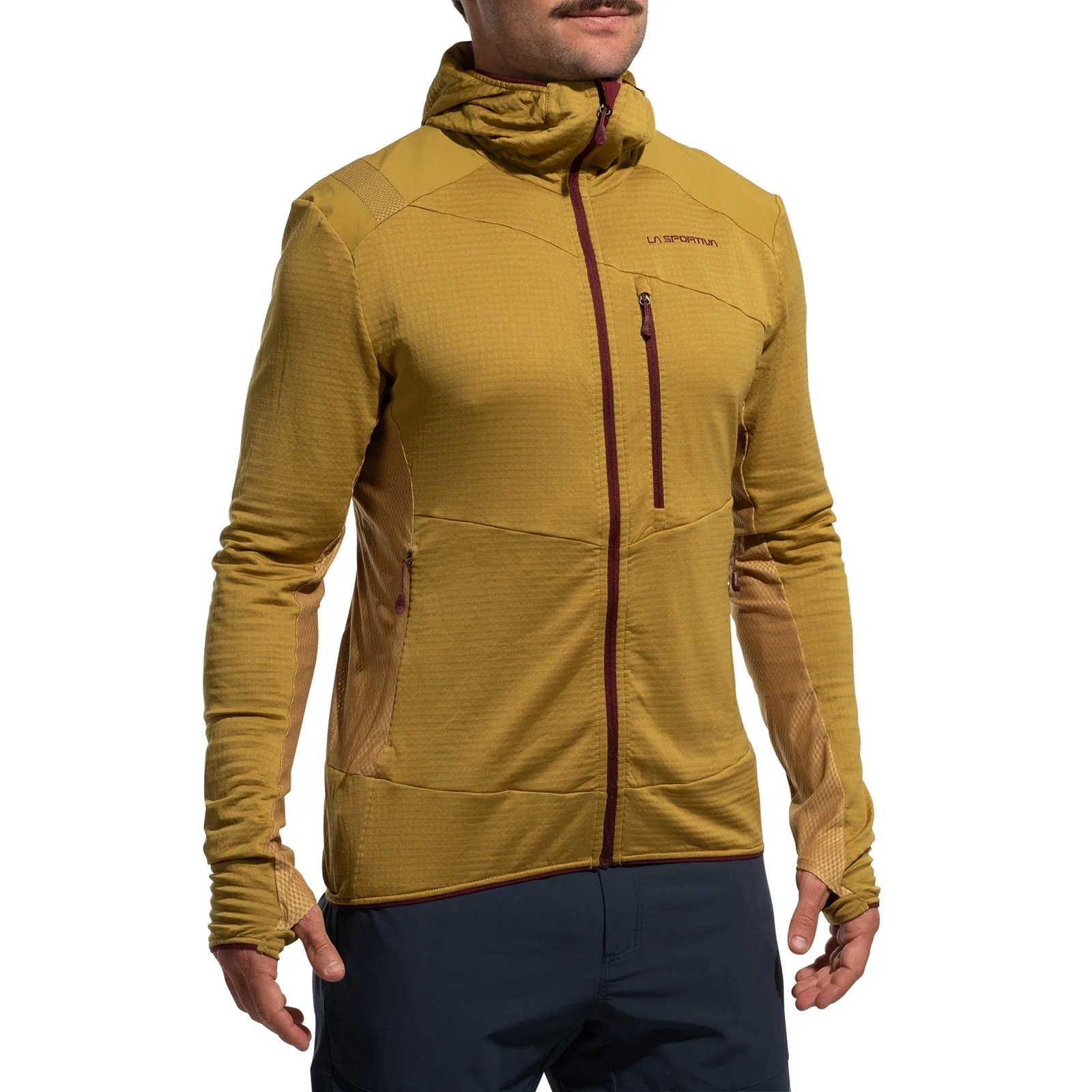
- Aequilibrium Thermal Hoody Men's (2025): The Aequilibrium Thermal Hoody Men's uses Polartec® Power Grid™ fabric for insulation and quick drying, with abrasion-resistant shoulders and mesh underarm inserts. The grid fleece structure dries faster than standard fleece or down, so you can wash and wear it again sooner. The reinforced shoulders and breathable underarms also mean less wear from pack straps and less odor buildup.
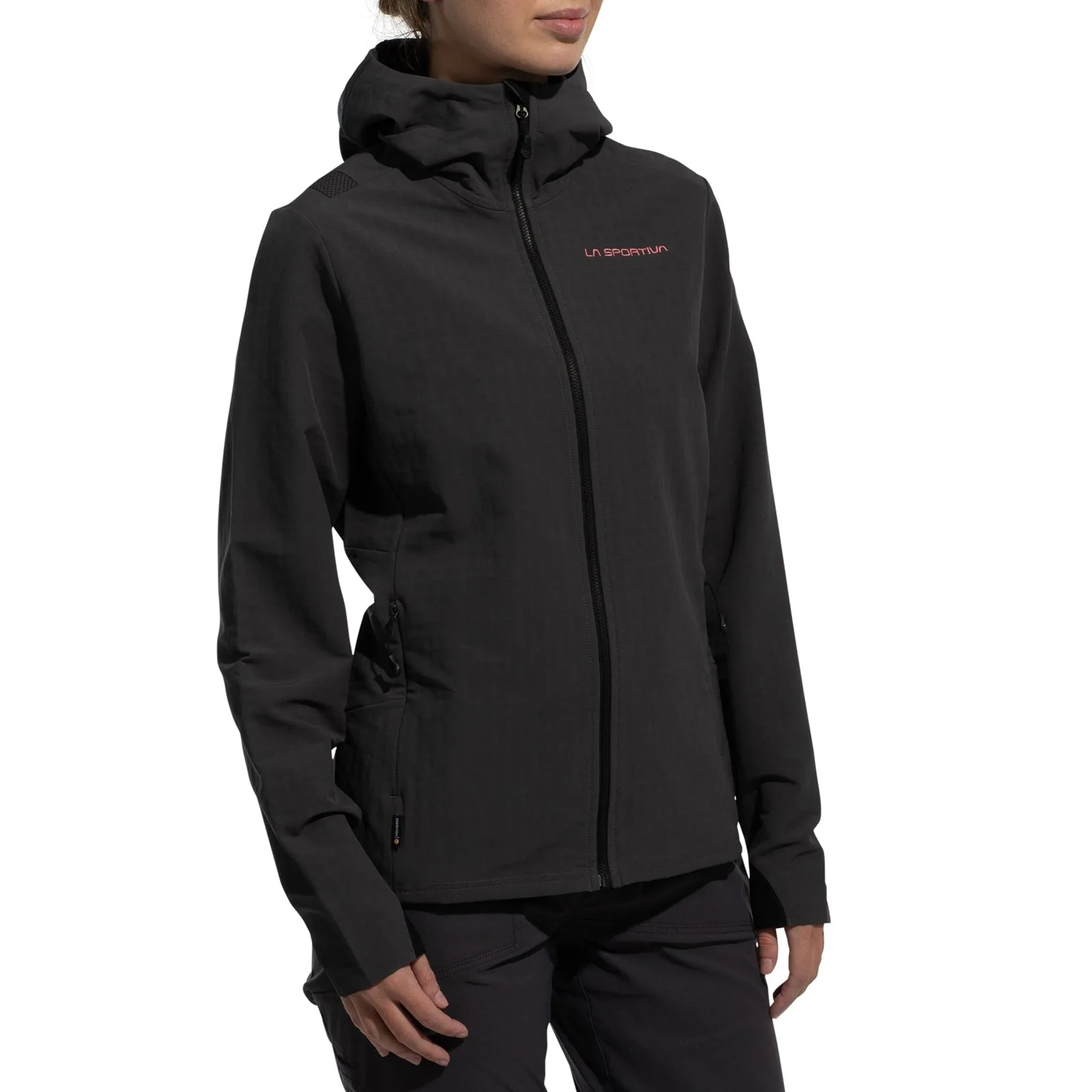
- Descender Storm Jacket Women's (2025): The Descender Storm Jacket Women's is a single-fabric softshell with a fleece interior, made from recycled materials with reduced micro-shedding and a natural anti-odor treatment. The anti-odor finish lets you go longer between washes, and the reduced micro-shedding means fewer microplastics released each time you clean it. The fleece interior also dries relatively quickly on low heat.