Quick answer
Wash hunting shirts after every few days of wear in cold water on a gentle cycle with a scent-free, enzyme-based detergent, then air dry away from direct heat. Skip fabric softener and dryer sheets, which trap odor and break down technical fabrics. Treat stains and heavy sweat the same day you notice them, and store shirts clean and fully dry so odor and mildew never set in.
A hunting shirt takes more abuse than almost anything else in your kit. It soaks up sweat on the climb, collects blood and dirt during field dressing, and then sits against your skin for days. How you wash it decides whether it stays comfortable next season or turns into a scratchy, smelly rag.
The good news is that a simple routine covers almost every fabric you own, from cotton tees to performance layers. The steps below walk through sorting, washing, drying, and storing so you can extend the life of every hunting shirt you pack.
Start with a pre-wash check
Before anything touches water, empty every pocket and close all zippers and buttons. Check the care tag for anything unusual, like a printed graphic or a bonded seam, and turn the shirt inside out. This protects the outer face from pilling and keeps logos and prints from cracking in the wash.
Pre-treat heavy spots while the fabric is still dry. Blood, pine sap, and grease respond better to a dab of detergent worked in with your fingers before the shirt gets wet. If you let a blood stain dry completely, it bonds to the fibers and becomes far harder to lift later.
- Common mistake: tossing a shirt in the wash with a used game bag or dirty socks, which spreads odor and grit across everything.
- Checkpoint: if the care tag says dry clean only, set that shirt aside rather than guessing.
Wash in cold water with the right detergent
Use cold water on a gentle or delicate cycle. Cold water protects dyes, reduces shrinkage on cotton, and is gentler on stretch fibers and wool. Hot water can set protein stains and accelerate the breakdown of elastic and bonded seams.
Choose a scent-free, enzyme-based detergent rather than a standard scented brand. Enzymes break down the oils and proteins in sweat and blood, which is exactly what causes lingering odor. Standard detergents may clean the surface but leave behind perfumes and optical brighteners that work against hunting shirt odor control.
- Skip fabric softener and dryer sheets entirely. They coat fibers, trap odor, and reduce breathability.
- Wash similar fabrics together and avoid overloading the drum so shirts can actually move and rinse clean.
Handle merino and wool layers differently
If you want to care for a merino hunting shirt properly, treat it more like a delicate than a work shirt. Merino resists odor naturally, so it often needs less frequent washing than synthetics. When it does need a wash, use a wool-safe or pH-neutral detergent and skip the agitation.
Never wring, twist, or hang a wet merino shirt by the shoulders. Those habits stretch the fibers and distort the fit permanently. Instead, press water out gently against the side of the tub, then lay the shirt flat to dry on a towel.
- Common mistake: using regular detergent on wool, which strips the natural lanolin and leaves the fabric stiff.
- Checkpoint: if a wool shirt smells clean after airing, you can often wear it another day before washing.
Dry without heat damage
Air dry whenever you can. Hang shirts on a line or a plastic hanger in a shaded, ventilated spot. Direct sun is fine for cotton but can fade dyes and weaken some synthetics over time, so shade is the safer default for anything technical.
If you must use a dryer, choose the lowest heat setting and pull the shirt out slightly damp. High heat is the single fastest way to shrink cotton and degrade the stretch in performance fabrics. Over-drying also makes fabric feel rougher against the skin.
- Avoid hanging a heavy wet shirt by the collar, which stretches the neckline out of shape.
- Make sure the shirt is bone dry before it goes back in a drawer or bin.
Store clean and control odor between washes
Store hunting shirts clean, dry, and away from fuel, exhaust, and strong household odors. A dedicated bin or garment bag keeps them separate from everyday laundry and reduces the chance of picking up smells in the closet. Never put a damp shirt into storage, even briefly.
Between washes, air shirts outside or in a garage for a few hours after a hunt. Rotating two or three shirts across a trip gives each one time to dry and air out, which cuts odor buildup and reduces wear from constant washing. Spot-clean small marks instead of running a full load.
- Common mistake: sealing a still-warm shirt in a plastic bag, which traps moisture and encourages mildew.
- Checkpoint: if a shirt still smells after one wash, re-wash it rather than masking it with spray.
The wash-day sequence
- 1. Empty, close, and turn inside out: Clear every pocket, fasten zippers and buttons, and flip the shirt so the outer face is protected. Checkpoint: anything left in a pocket becomes a stain or a tear.
- 2. Pre-treat blood, sap, and grease: Work a small amount of detergent into the spot with your fingers while the fabric is still dry. Common mistake: waiting until after the hunt to deal with blood, which lets it set.
- 3. Wash cold on a gentle cycle: Use a scent-free, enzyme-based detergent and skip fabric softener entirely. Checkpoint: cold water protects dye, fit, and stretch fibers.
- 4. Air dry in the shade: Hang on a line or hanger away from direct heat and strong sun, reshaping the shirt while damp. Common mistake: high dryer heat, which shrinks cotton and kills stretch.
- 5. Store clean and fully dry: Keep shirts in a separate bin or garment bag away from fuel, exhaust, and scented laundry products. Checkpoint: if it smells off after washing, wash it again instead of spraying it.
Gear that fits this routine
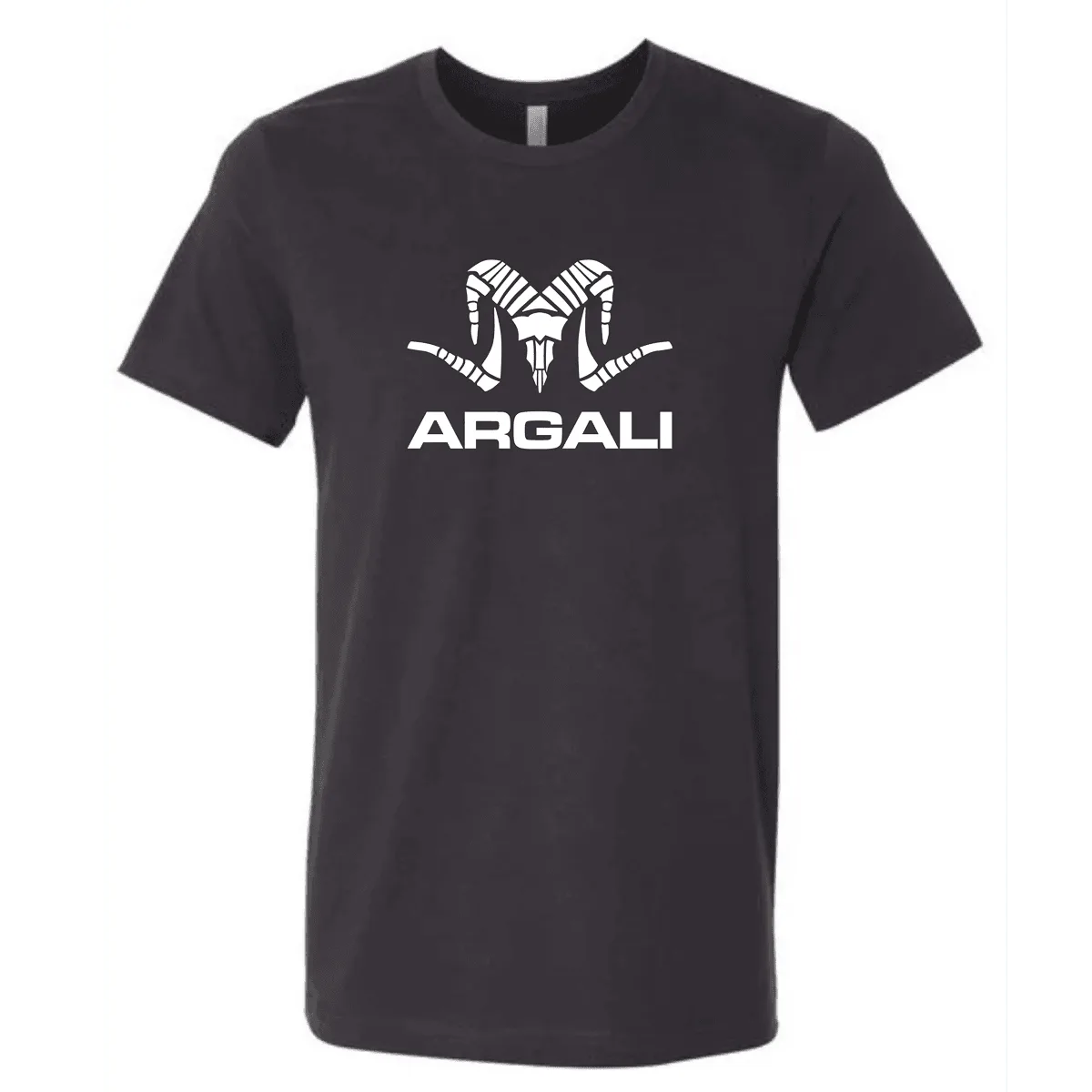
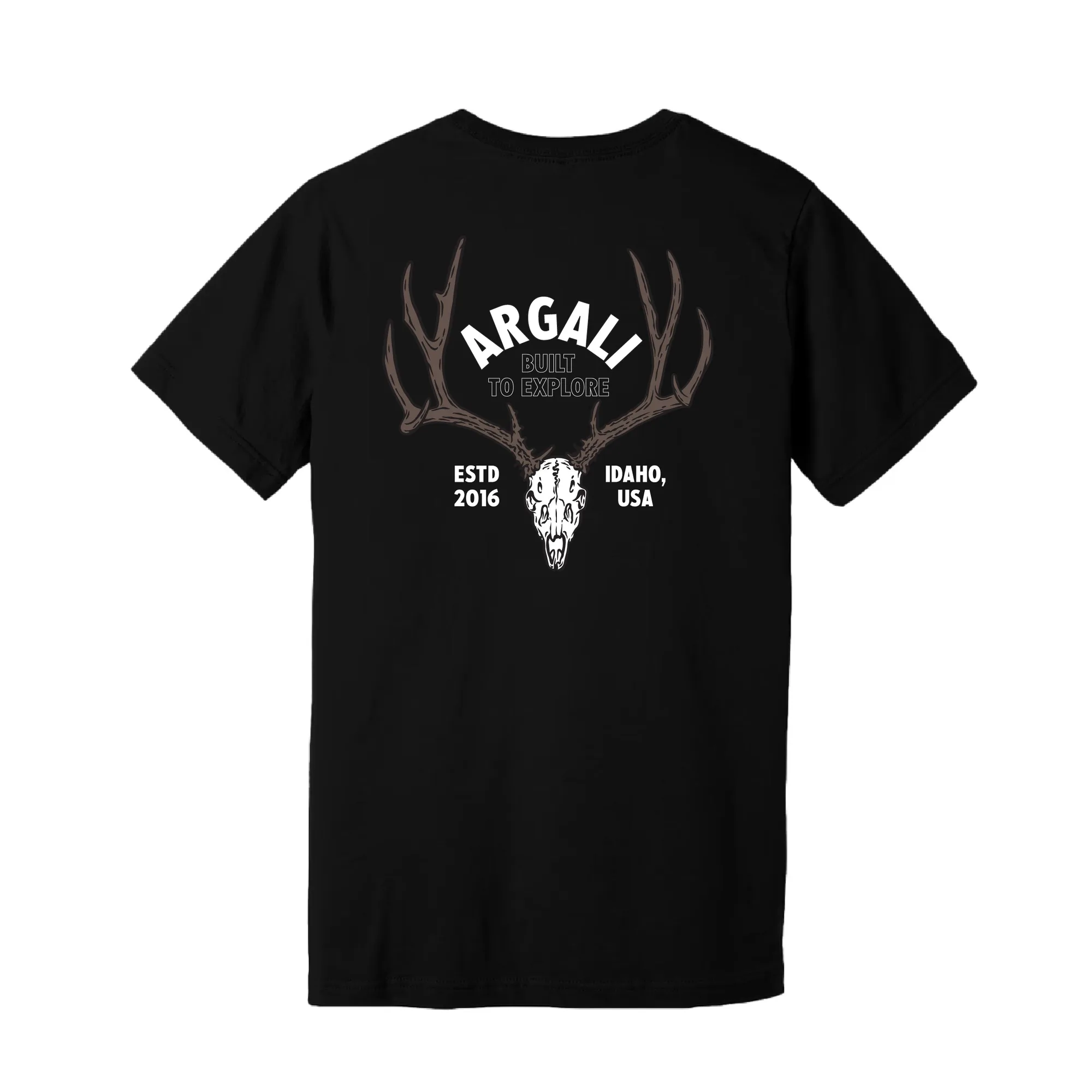
- Icon Tee: 100% pre-shrunk cotton with a classic fit. Pre-shrunk cotton holds its size better through repeated cold washes, so you can follow the routine above without the fit creeping up on you.
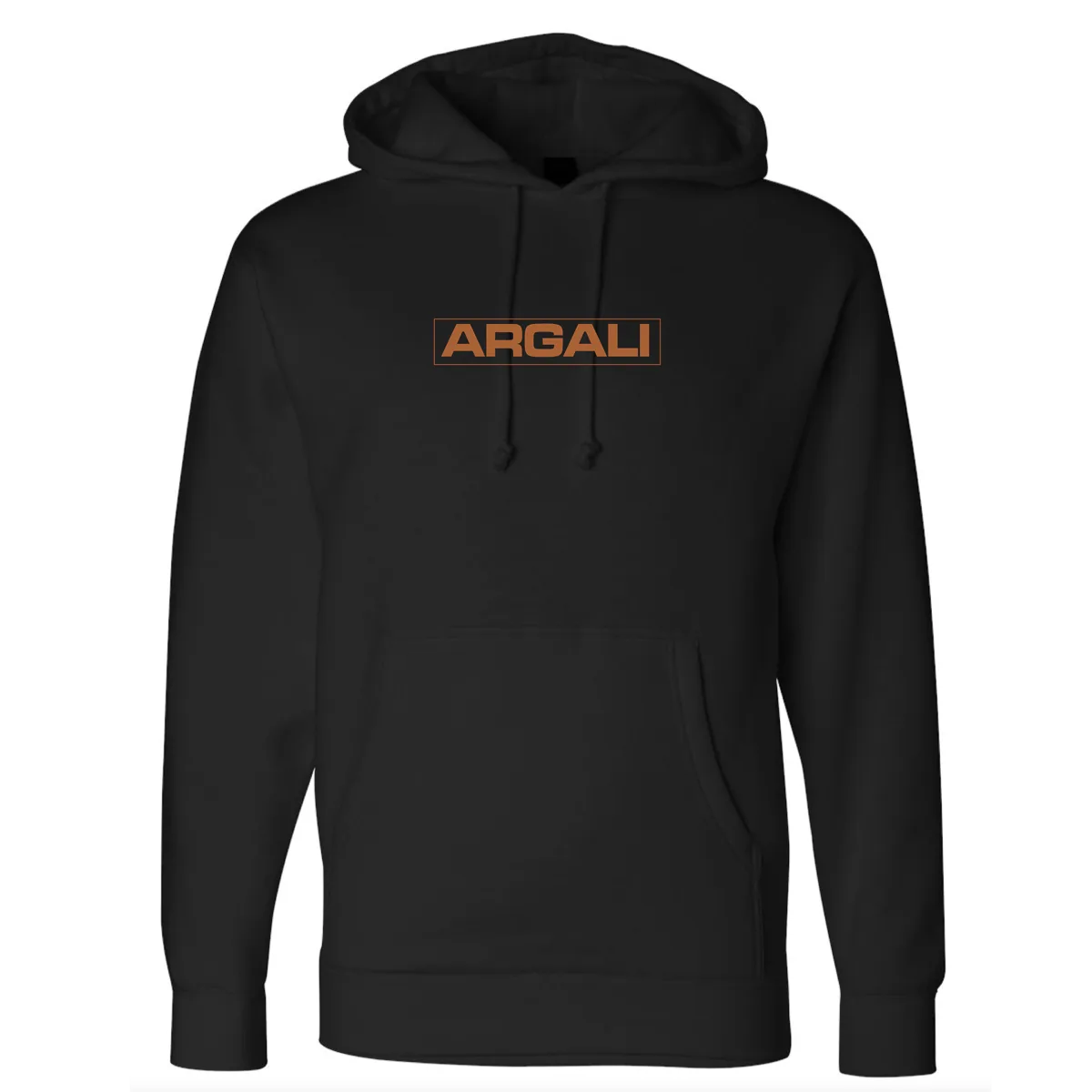
- Classic Logo Hoodie: A comfortable hooded sweatshirt with a soft, plush interior. Plush interiors mat quickly in a hot dryer, so air drying this layer is the easiest way to keep the inside feeling soft season after season.
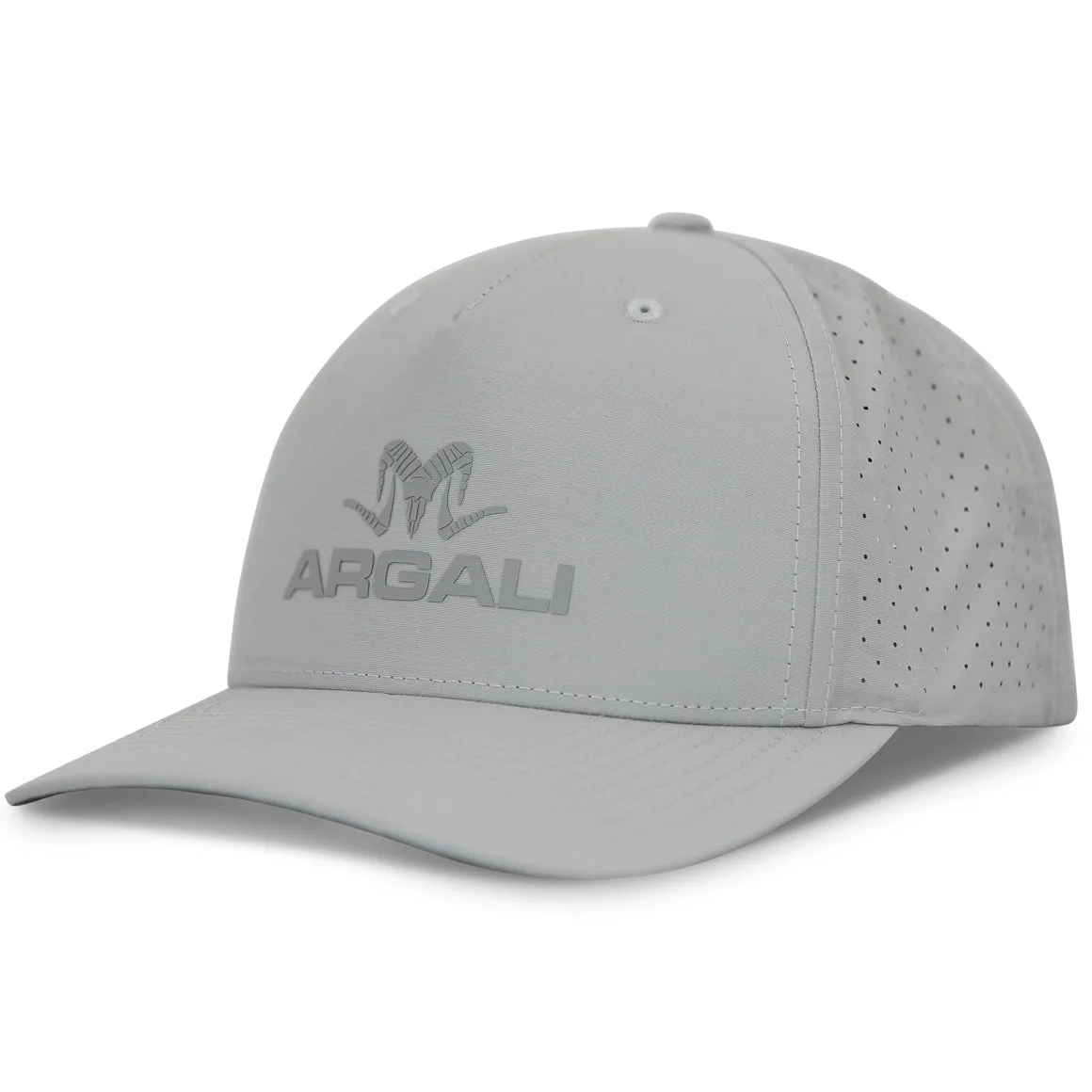
- Argali Stone Performance Hat: Perforated side and back panels for breathability with a low-profile look. A breathable hat collects less sweat than a solid cap, which means less odor transfer to your shirt collar and fewer washes overall.
A little discipline on wash day pays off across seasons. Wash cold, dry low or air dry, store clean, and rotate your shirts so no single layer takes all the wear. Do that and your hunting shirts will stay comfortable, quiet, and odor-free far longer than the ones you throw in a hot load and forget.