Quick answer
Hand wash your organic cotton and wool throw in cool water with a gentle pH-neutral detergent, then press the water out instead of wringing it. Lay it flat to air-dry away from direct sun or heat. If you use a machine, choose a wool or delicate cycle at 30°C or lower with low spin, and never put a wool-blend throw in a hot dryer.
Start with the care label and a fiber check
Before any water touches the throw, read the sewn-in care label and confirm the fiber blend. Organic cotton and wool react differently to heat, agitation, and alkalinity, so a throw that is mostly cotton can tolerate slightly more movement than one with a high wool content. If the label is missing or unclear, treat the throw as wool-first and use the gentlest method.
Check for loose threads, pilling, or a damaged whipstitch edge before washing. A small repair with a needle and matching thread now prevents a larger unravel later.
Pre-treat spots and pre-dissolve your detergent
Blot spills with a clean cloth as soon as they happen, working from the outside of the stain inward so you do not spread it. For dried spots, dab a tiny amount of gentle detergent onto the area and let it sit for a few minutes.
Always dissolve liquid detergent in the wash water before adding the throw. Pouring detergent directly onto wool can leave a residue that dulls the fiber and feels stiff once dry. Skip chlorine bleach, fabric softener, and enzyme-heavy stain removers, which can damage wool proteins.
Hand wash or choose the right machine cycle
For hand washing, fill a tub or basin with cool water, add the dissolved detergent, and submerge the throw. Gently squeeze the water through the fabric for a few minutes. Do not rub, twist, or scrub the surface, because agitation is what causes wool to felt and shrink.
If you machine wash, use a front-loading machine on a wool, hand-wash, or delicate cycle with a maximum temperature of 30°C and a low spin speed. Place the throw inside a mesh laundry bag or a pillowcase to reduce friction against the drum. High spin speeds and top-loading agitators are the most common causes of stretched or felted throws.
Rinse, remove water, and dry flat
Rinse in cool water until no suds remain. To remove water, press the throw against the side of the basin or roll it in a clean towel and press down. Never wring or lift a soaked wool throw by one corner, because the weight of the water can distort the weave.
Lay the throw flat on a drying rack or a clean towel, reshaping it to its original dimensions while it is still damp. Keep it out of direct sunlight and away from radiators, space heaters, and hot air vents. If you must use a dryer, choose the air-fluff or no-heat setting only, and remove the throw while it is still slightly damp.
Store throws so they keep their shape and stay pest-free
Once the throw is completely dry, fold it loosely and store it in a breathable cotton bag or a linen storage bin. Avoid sealed plastic, which traps moisture and can encourage musty odors. For long-term storage, add cedar blocks or lavender sachets rather than mothballs, and refold the throw every few months to prevent permanent creases.
If you keep the throw on a couch or bed between washes, shake it out weekly and air it for an hour or two. Fresh air reduces odors and lets the fibers recover, which means you can wash less often.
Step-by-step care routine
- Check the label and test for colorfastness: Read the care label, then dab a hidden corner with cool water and a drop of detergent to check for dye transfer before washing the whole throw. If the color bleeds, wash separately in cool water and skip any soaking.
- Fill with cool water and dissolve detergent: Use a pH-neutral detergent made for wool or delicates, and stir it into the water before adding the throw. Common mistake: pouring detergent directly onto the fabric, which can leave stiff patches.
- Wash gently by hand or on a wool cycle: Squeeze the water through the throw for a few minutes, or machine wash on a wool or delicate cycle at 30°C or lower with low spin. Checkpoint: no twisting, rubbing, or hot water at any point.
- Rinse cool and remove water without wringing: Rinse until the water runs clear, then press the throw against the basin or roll it in a towel to absorb excess water. Never lift a soaked throw by one corner, as the weight can stretch the weave.
- Dry flat and reshape: Lay the throw flat on a rack or dry towel, reshape it to its original dimensions, and keep it away from direct sun and heat. Checkpoint: the throw should be fully dry before folding or storing.
- Store loosely in a breathable bag: Fold the throw loosely and store it in cotton or linen, adding cedar or lavender if moths are a concern. Refold every few months to avoid permanent creases.
Product facts that affect care
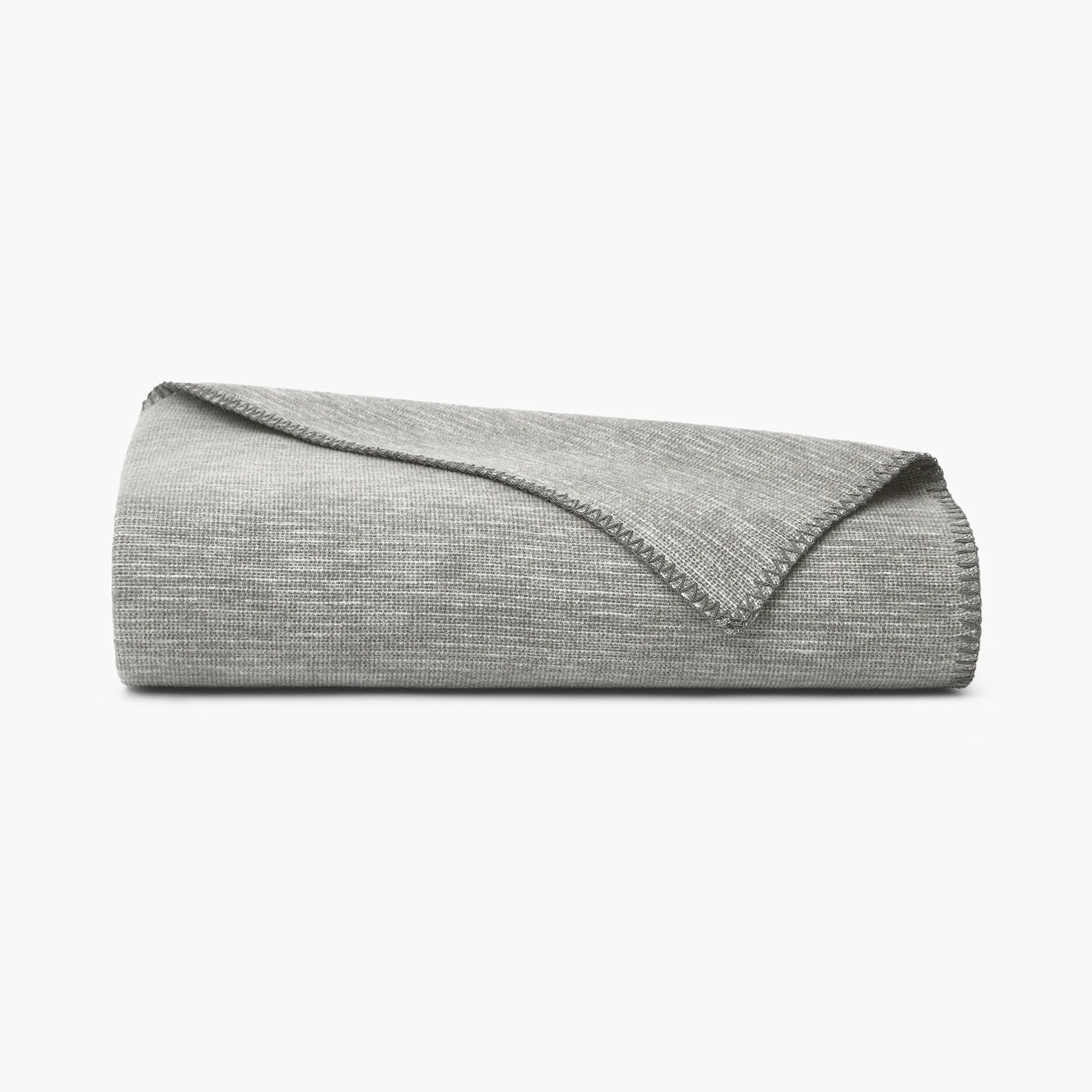
- Organic Cotton & Wool Throw - Charcoal: The Organic Cotton & Wool Throw is woven from a blend of organic cotton and organic wool, brushed for added softness, and finished with a whipstitch edge. The wool content means you should avoid hot water and high agitation, while the brushed surface and whipstitch edge benefit from gentle handling and flat drying to keep them intact.
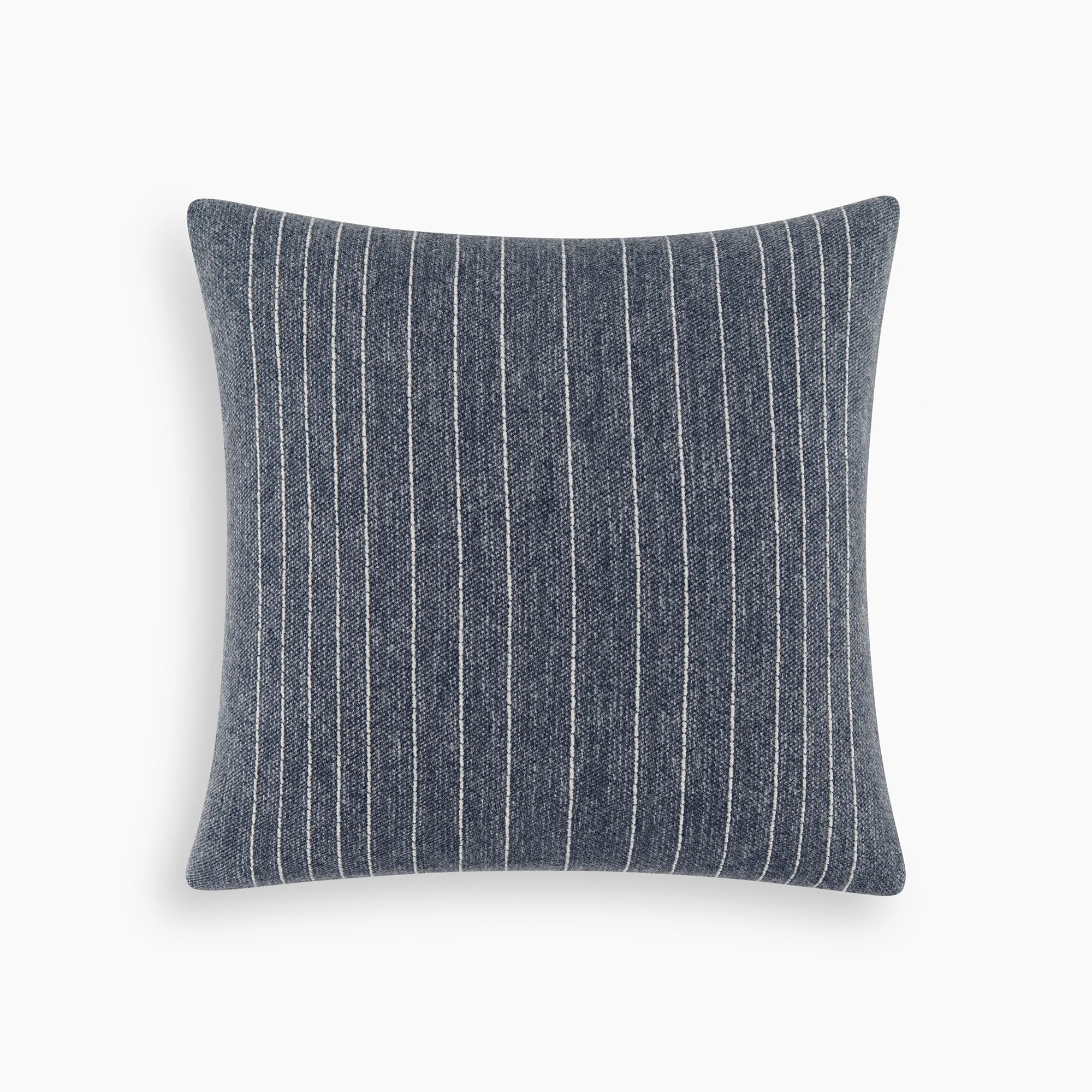
- Organic Cotton & Wool Textured Stripe Pillow Cover - Deep Blue: The Organic Cotton & Wool Textured Stripe Pillow Cover is made from a brushed organic cotton and organic wool blend with a textured chenille stripe. If you own the matching pillow cover, wash it with the same cool-water, low-agitation method so the colors and texture stay consistent with the throw.