Quick answer
Most fabric baby carriers can be machine washed on a gentle cycle with mild detergent, then air-dried. Always check the care tag first and remove any detachable parts like straps or buckles before washing. For carriers with structured frames or electronics, spot cleaning is safer.
Why regular cleaning matters
Babies are messy, and carriers collect drool, spit-up, crumbs, and outdoor dirt. Regular washing prevents fabric wear, keeps buckles and zippers working smoothly, and reduces allergens. A clean carrier also stays comfortable for your little one, avoiding skin irritation from trapped debris.
Before you start: check the label
Every carrier has a care tag sewn into the fabric. Look for symbols indicating water temperature, bleach use, and drying method. If the tag says hand wash only, respect that to avoid shrinking or damaging padding. For carriers like the ComfyGrow Hybrid Baby Carrier, which is lightweight and has multiple adjustments, the tag will specify whether the entire carrier can go in the machine or just the fabric panel.
When to spot clean vs. machine wash
For small stains or quick freshening, use a damp cloth with mild soap and dab gently. Machine washing is best for deep cleaning every few weeks or after heavy use. Avoid over-washing, as it can wear down fabric and elastic. A good rule: wash when you can see or smell dirt, or after a long outing.
Step-by-step washing guide
- Step 1: Prepare the carrier: Remove all detachable accessories like drool pads, straps, and buckles if they are removable. Close all zippers and Velcro to prevent snagging. Turn the carrier inside out to protect the outer fabric. Common mistake: Leaving buckles attached can scratch the machine drum or break the buckle.
- Step 2: Choose your wash cycle: Place the carrier in a mesh laundry bag for extra protection. Use a gentle or delicate cycle with cold or warm water (never hot) and a small amount of mild, dye-free detergent. Avoid fabric softener as it can break down moisture-wicking and flame-retardant properties. Checkpoint: If the carrier has thick padding, run an extra rinse cycle to remove all soap residue.
- Step 3: Dry properly: Air drying is safest. Hang the carrier on a drying rack or clothesline away from direct sunlight, which can fade colors. If the care tag allows, tumble dry on low heat with no dryer sheets. Never wring or twist the carrier. Common mistake: High heat can shrink straps and melt synthetic fibers, ruining the fit.
Product spotlight: a carrier built for easy care
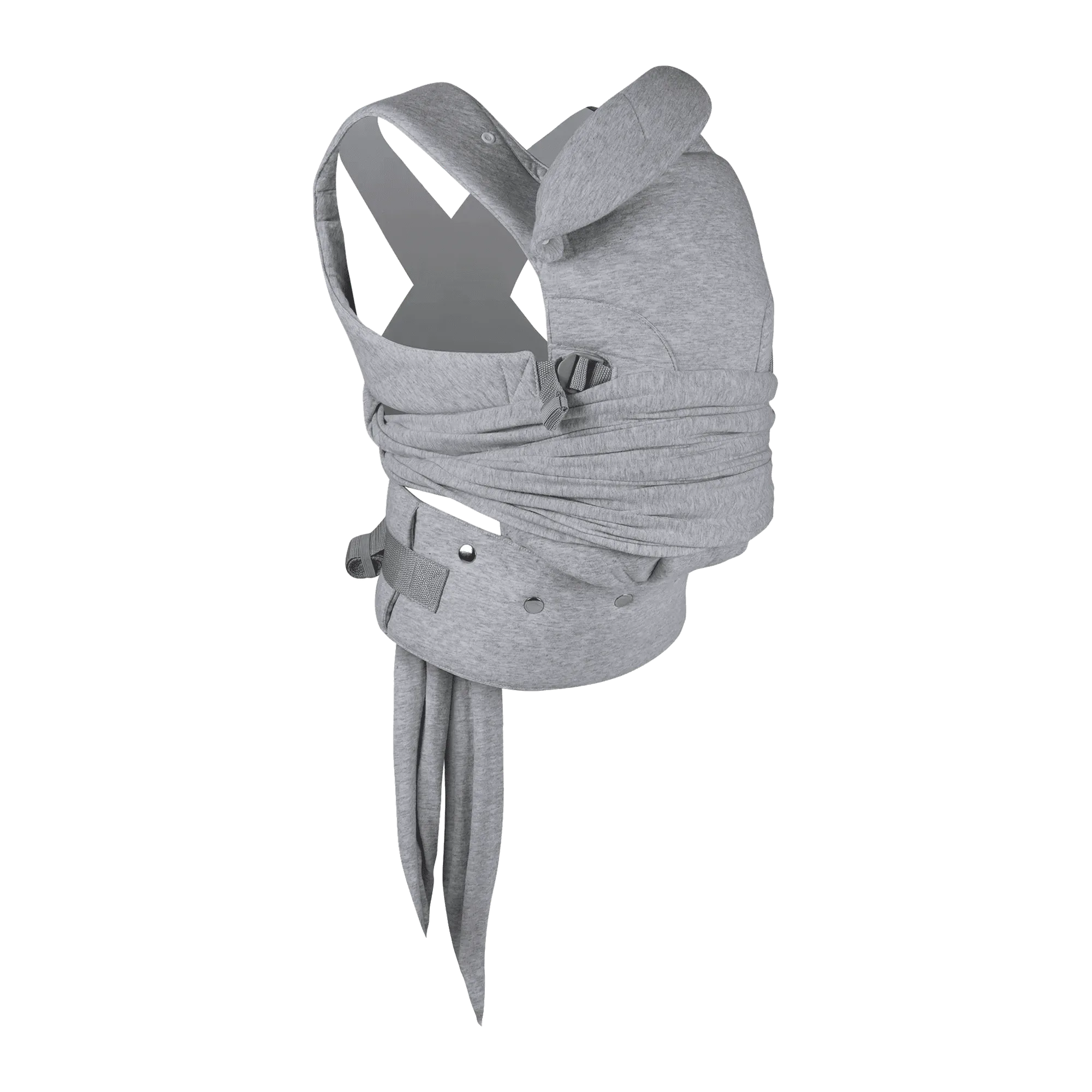
- ComfyGrow Hybrid Baby Carrier: From newborn to toddler (7-35lbs). Lightweight with three carrying positions, three seat positions, and multiple head support adjustments, the ComfyGrow Carrier evolves seamlessly with your baby's growth. Its lightweight, adjustable design means fewer seams and less padding, making it easier to machine wash and dry quickly. The multiple positions also mean you can clean just the parts that need it without disassembling the whole carrier.