A synthetic insulated jacket is a workhorse in your outdoor layering system. Unlike down, synthetic insulation like Coreloft™ and FullRange® retains most of its warmth when damp and dries quickly. But to keep it performing well, you need to wash and store it correctly. Here’s how.
What Your Jacket Is Made Of
-
Cronin Insulated Overshirt Men's: This Cronin Insulated Overshirt from Arc'teryx is made with a heavyweight 70D x 160D Stretch Nylon Plain Weave outer fabric and Coreloft™ Stretch 40gsm 100% Polyester Insulation. The tough outer fabric and synthetic insulation mean it can handle regular washing without losing shape or warmth, but you still need to use the right process.
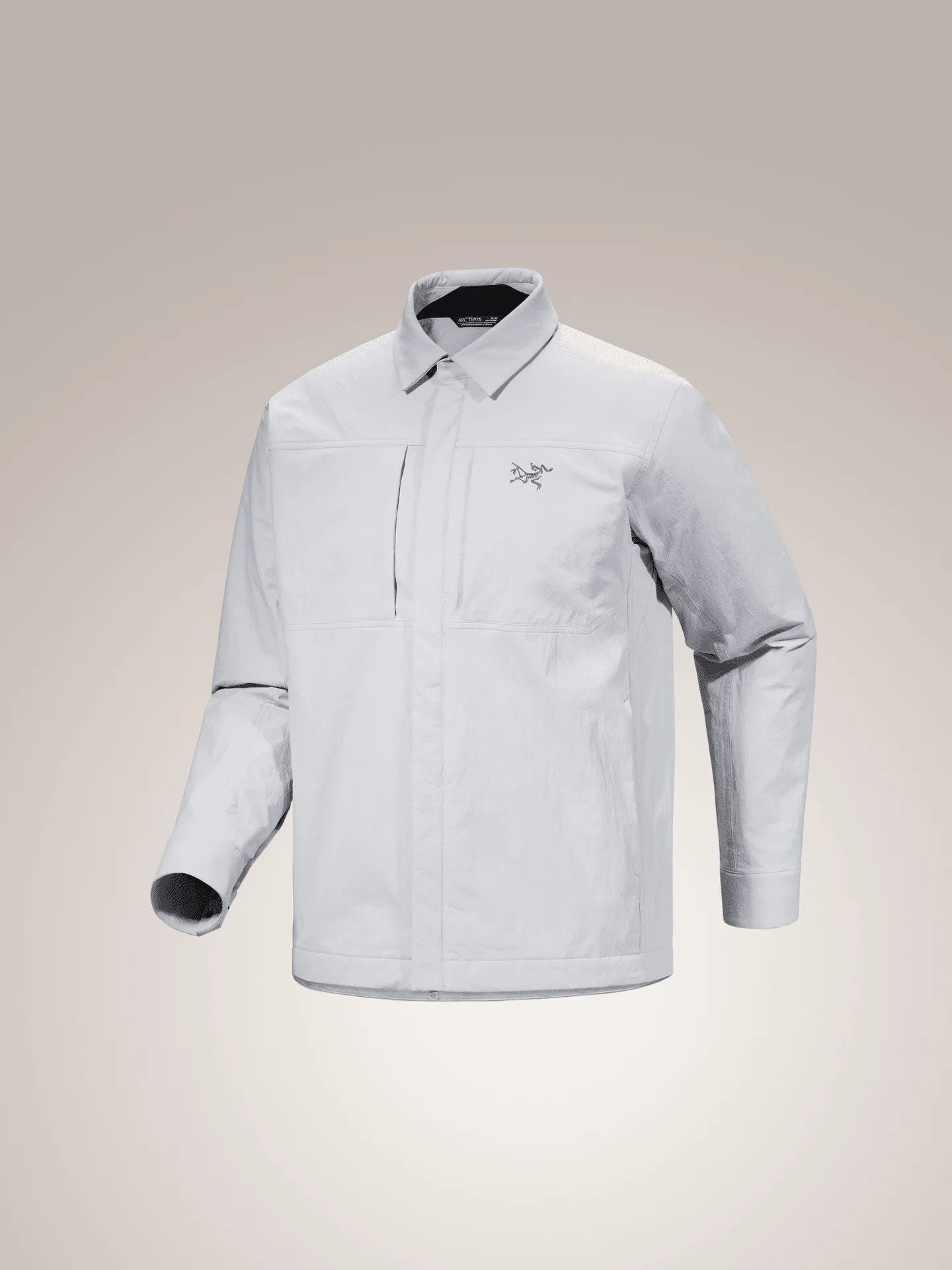
Cronin Insulated Overshirt Men's
-
Atom SL Jacket Men's: The Atom SL Jacket uses Fortius™ Air 20 Denier Recycled Outer Shell Fabric and Coreloft™ Stretch 40gsm synthetic insulation in the chest and back. Lightweight face fabrics need gentle handling to avoid abrasion. The uninsulated mesh-lined sleeves and stretch fleece side panels also require care to stay intact.
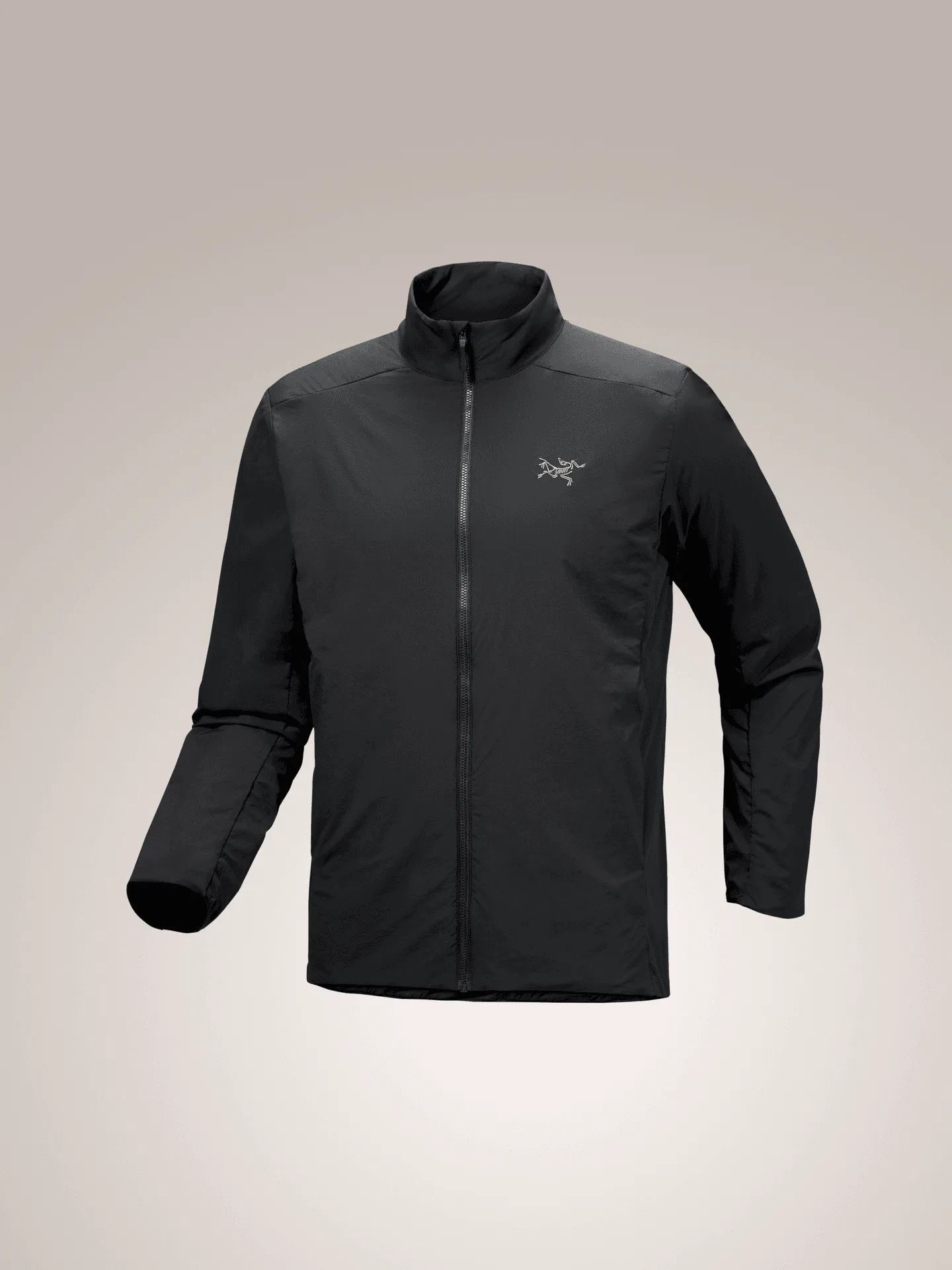
Atom SL Jacket Men's
-
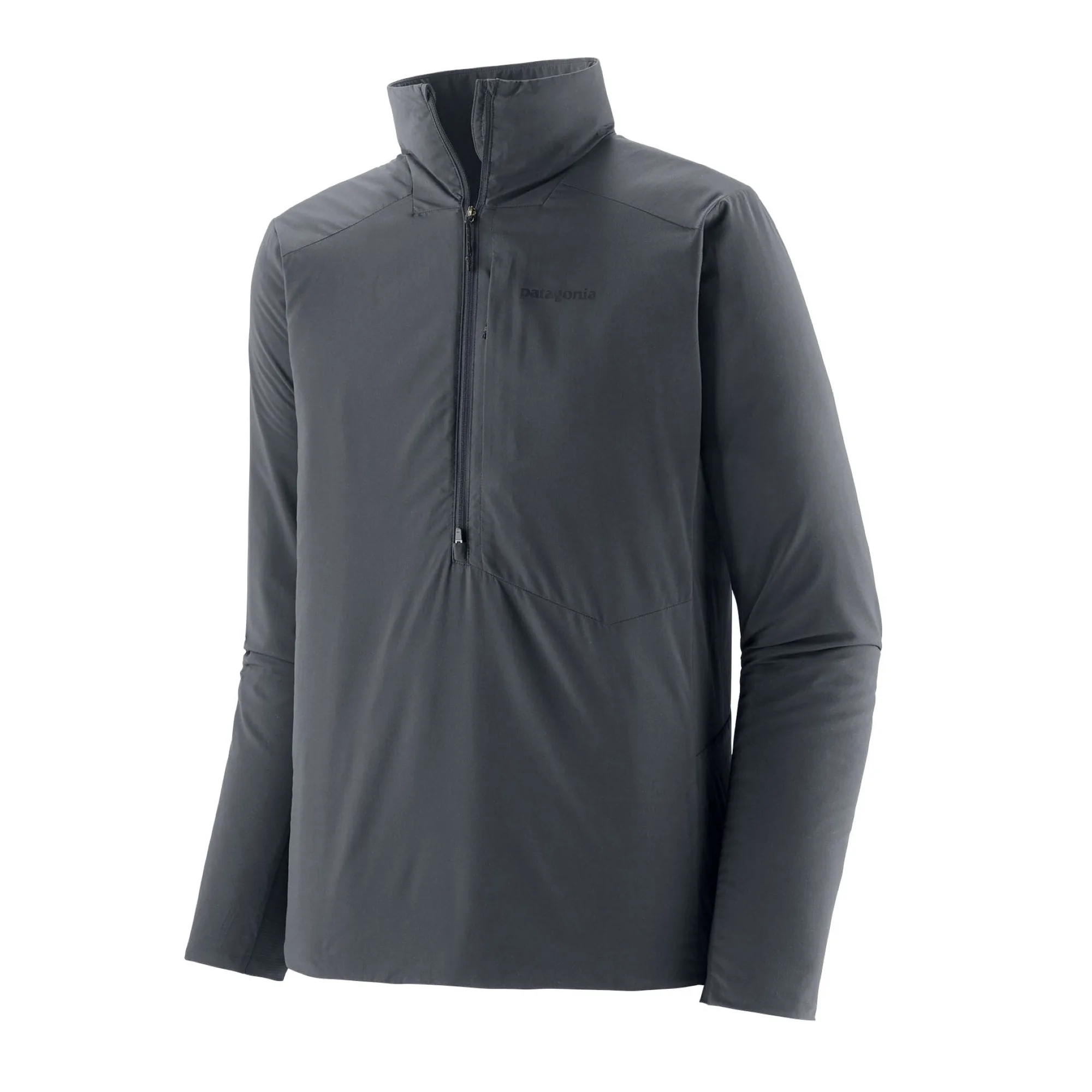
Nano-Air® Ultralight Pullover Men's: The Nano-Air® Ultralight Pullover uses 100% Recycled Polyester Stretch Ripstop Air-Permeable Shell and Lining Fabric and FullRange® Polyester 20g stretch insulation. The air-permeable shell and stretch construction mean that aggressive washing can damage the fabric’s breathability and elasticity. Gentle care is essential.
How to Wash a Synthetic Insulated Jacket
Wash your jacket when it looks dirty or smells, or when the insulation starts to clump. Overwashing can wear out the fabric and DWR finish, so wash only when needed.
- Pre-treat stains: Spot clean any heavy dirt or stains with a small amount of mild detergent and a soft brush or cloth. Avoid harsh stain removers that can damage the fabric or insulation.
- Close all zippers and fasten closures: Zip up the main zipper, pocket zippers, and any other closures. This prevents snagging on other items in the wash and protects the zipper pulls.
- Use a front-loading machine: Top-loading machines with a center agitator can snag or twist the jacket. A front-loader is gentler. If you must use a top-loader, run a gentle cycle with cold water and minimal spin.
- Choose a gentle detergent: Use a liquid detergent designed for technical fabrics or down. Avoid powder detergents, bleach, and fabric softeners, which can leave residue and reduce breathability.
- Run a cold, gentle cycle: Set the machine to a cold water, gentle or delicate cycle. Hot water can damage synthetic insulation and DWR finishes. A short, low-spin cycle is best.
- Rinse thoroughly: Run an extra rinse cycle to remove all detergent residue. Residual soap can attract dirt and reduce the jacket’s performance.
Drying Your Synthetic Jacket
Synthetic insulation dries faster than down, but it still needs proper drying to restore loft and prevent mildew. Never wring or twist the jacket.
- Air dry or tumble dry low: Hang the jacket on a drying rack or line in a well-ventilated area away from direct heat or sunlight. Alternatively, tumble dry on the lowest heat setting with a clean tennis ball or dryer ball to help fluff the insulation.
- Check for clumps: After drying, feel the insulation for any clumps or flat spots. If you find any, gently massage the area to redistribute the fibers. Repeat the drying cycle if needed.
- Avoid high heat: High heat can melt synthetic insulation or damage the fabric. Stick to low or no heat. If using a dryer, stop the cycle periodically to check the jacket.
How to Store a Synthetic Insulated Jacket
Proper storage keeps your jacket ready for the next adventure. The key is to avoid compressing the insulation for long periods, which can reduce its loft over time.
Storage Tips
- Hang it up: Use a wide, padded hanger to maintain the jacket’s shape. Avoid wire hangers that can create permanent creases in the shoulders.
- Store in a cool, dry place: Keep the jacket away from direct sunlight, moisture, and extreme temperatures. A closet or drawer works well.
- Avoid long-term compression: For short-term storage (a few weeks), the jacket can be folded or stuffed into its own pocket or a storage sack. For longer storage (months), hang it loosely to let the insulation fully loft.
- Keep away from pests: Store in a clean area and consider using a breathable garment bag. Avoid plastic bags that can trap moisture and cause mildew.
When to Seek Professional Cleaning
If your jacket has heavy soiling, oil stains, or a damaged DWR finish that won’t respond to home washing, a professional cleaner experienced with technical outdoor gear can help. They have the right equipment and detergents to restore the jacket without damaging it.
What the Supplied Information Doesn’t Cover
The product records for these jackets do not include specific temperature settings, cycle times, or drying durations. The advice above is based on general best practices for synthetic insulated garments. Always check the care label on your jacket for any manufacturer-specific instructions.