Quick Answer
To keep your child's rain jacket and technical outerwear performing well, wash them infrequently with a gentle detergent, never use fabric softener, and store them clean and completely dry in a breathable space. Regularly reproofing and making small repairs will extend their life significantly.
Kids' outerwear takes a beating—mud, rain, and endless adventures. But with a little know-how, you can keep that rain jacket looking good and doing its job for years, maybe even passing it down to a younger sibling. The key is understanding that technical fabrics need special care, not just a quick spin in the machine.
This guide walks you through the essential steps to wash, dry, and store your child's technical outerwear, including rain jackets, puffers, and overtrousers. We'll also touch on simple repairs and reproofing to keep them ready for the next downpour.
Why Technical Outerwear Needs Special Care
Technical jackets and trousers are designed to keep water out while letting moisture escape. This works because of a durable water-repellent (DWR) coating on the outside and sometimes a breathable membrane inside. Over time, dirt, oils, and improper washing can clog the pores and break down the coating, leading to wet-out—where the fabric soaks through instead of beading water.
That's why the way you wash matters as much as how often. Frequent washing with harsh detergents can strip protective finishes, while fabric softeners leave residues that block breathability. By following the care instructions on the label and using products made for technical gear, you'll preserve both function and comfort.
- Always check the care label first—it has specific instructions for that fabric.
- Use a detergent designed for technical outerwear, avoiding bleach and fabric softeners.
Washing Your Child's Rain Jacket Step by Step
Start by closing all zippers and Velcro fastenings to prevent snags. Empty the pockets and give the jacket a quick brush to remove loose dirt. For stubborn stains, spot-clean with a soft brush and a little technical cleaner before the main wash.
Wash on a gentle cycle with cold or lukewarm water (around 30°C). Use a small amount of liquid detergent made for technical fabrics—powder detergents can leave residue. Run an extra rinse cycle to make sure all soap is removed. Avoid fabric softener at all costs; it clogs the pores of the membrane and reduces breathability.
- Never wring out a technical jacket—it can damage the coating and membrane.
- If your jacket has a strong odor, add a cup of white vinegar to the rinse cycle as a natural deodorizer.
Drying and Reproofing
After washing, gently squeeze out excess water (don't wring) and hang the jacket to dry in a well-ventilated area, away from direct sunlight and heat sources. Never tumble dry unless the label says it's safe, as high heat can melt the coating or shrink the fabric.
Once dry, check the water repellency. If water no longer beads on the surface, it's time to reproof. You can use a spray-on or wash-in DWR treatment designed for outdoor clothing. Follow the product instructions carefully—typically you apply it to a clean, damp jacket and then either let it air dry or tumble dry on low if the label allows.
- Test water repellency by sprinkling a few drops of water on the jacket—if they soak in, reproof.
- Reproofing every few washes or at the start of each season keeps the jacket performing well.
Storing Children's Outdoor Gear
Proper storage is just as important as washing. Always make sure the jacket is completely dry before storing to prevent mildew. Store it in a cool, dry place away from direct sunlight, which can degrade the fabric and colors over time.
Hang the jacket on a wide, padded hanger to maintain its shape, or fold it loosely in a drawer. Avoid compressing it in a tight space for long periods, as this can crush the insulation in puffers and reduce loft. For seasonal storage, use a breathable garment bag instead of plastic, which can trap moisture.
- Keep outerwear away from heat sources like radiators, which can dry out and crack the coating.
- For long-term storage, add a moisture-absorbing sachet to the storage area to prevent dampness.
Simple Repairs to Extend the Life of Technical Outerwear
Small holes and tears happen, but they don't mean the end of the jacket. Repairing them promptly prevents water from getting inside the membrane. You can use repair patches designed for technical fabrics, which are usually adhesive and can be cut to size. For a more durable fix, consider using a patch kit that includes a heat-activated adhesive.
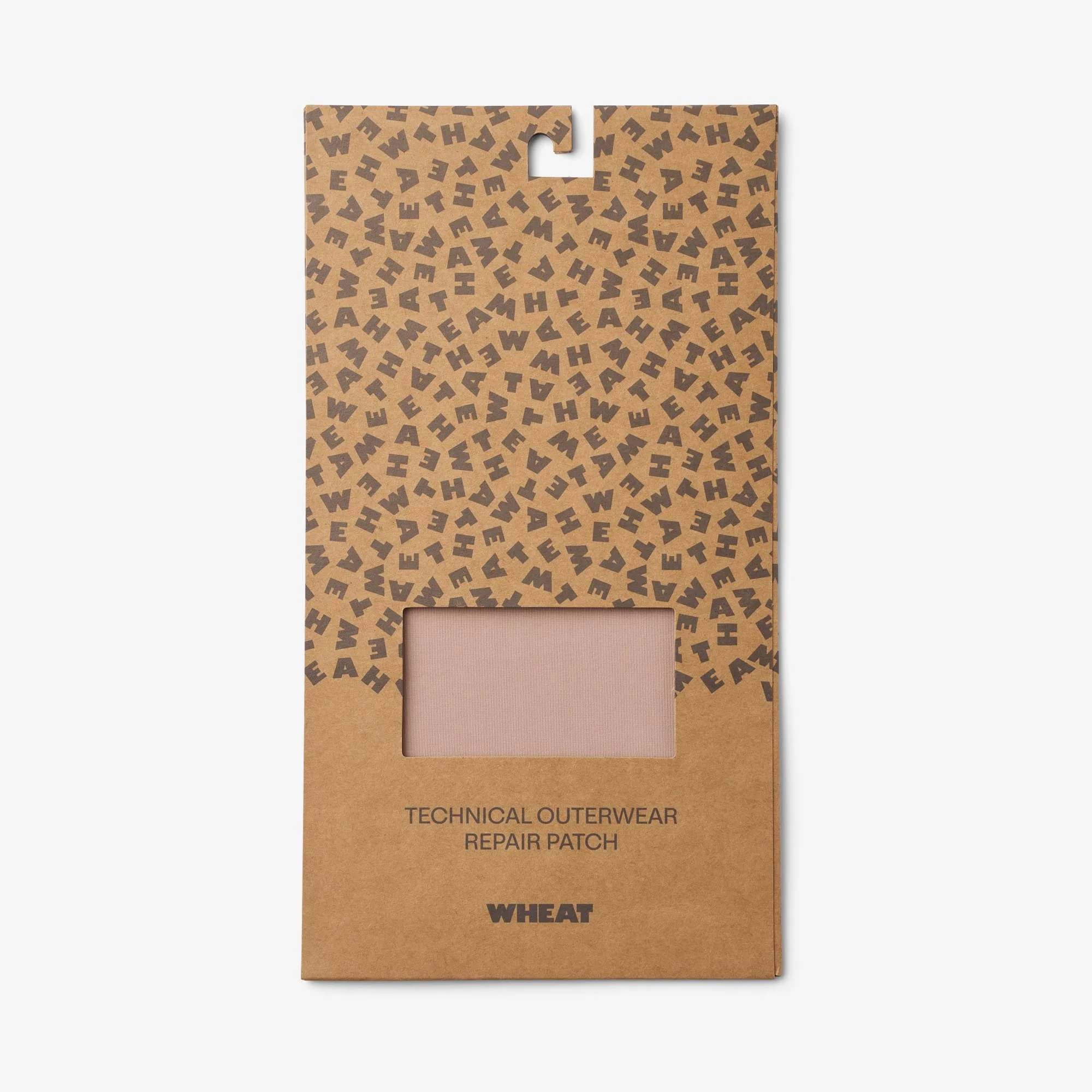
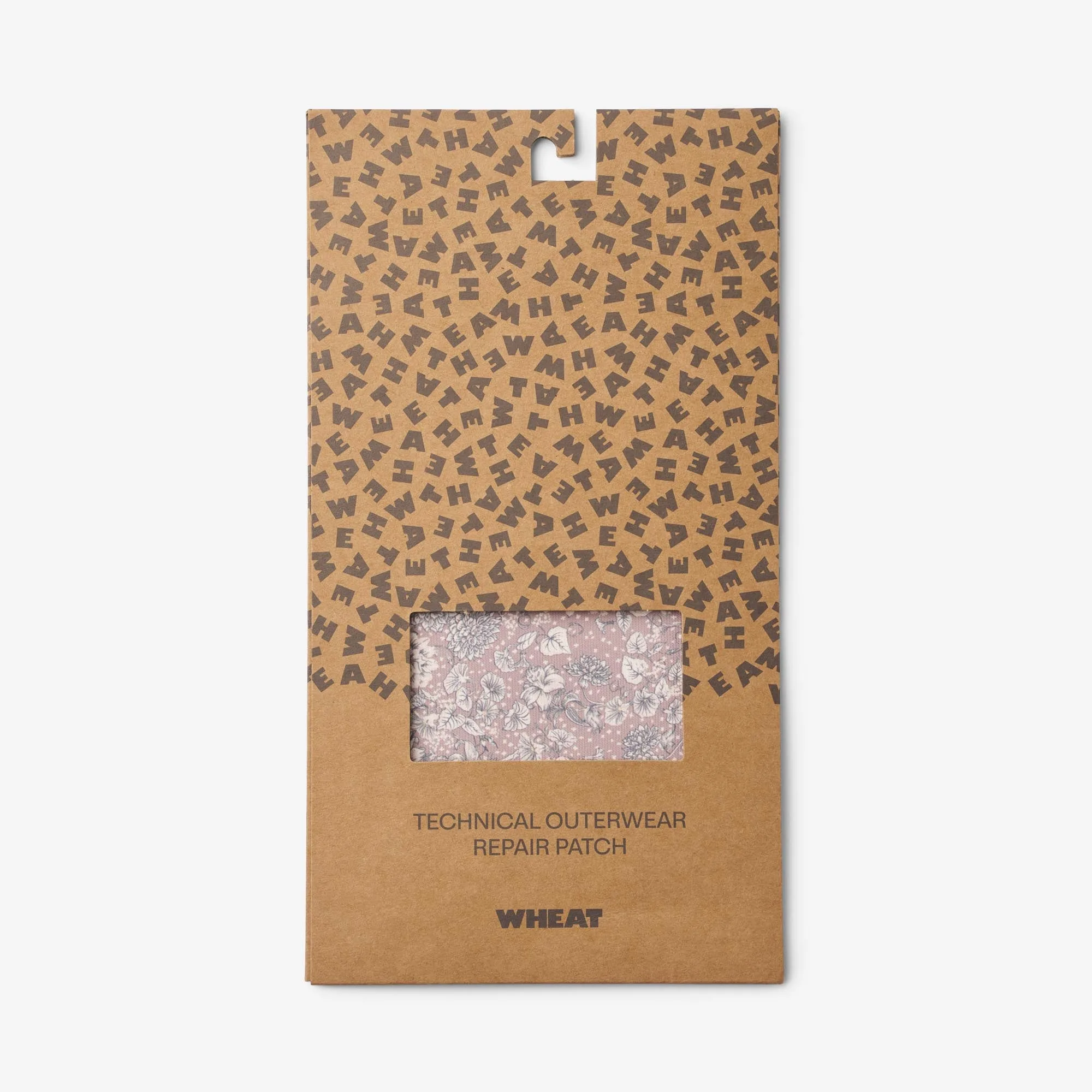
Wheat offers practical strygemærker (iron-on patches) specifically developed for technical outerwear. These are easy to apply with a household iron and provide a simple, effective solution to repair small holes or wear on water- and windproof textiles. This way, you can preserve both the function and appearance of winter jackets, ski trousers, or overalls.
- Repair small damages as soon as you notice them to prevent them from getting worse.
- Always follow the patch manufacturer's instructions for the best bond.
Step-by-Step Care Routine for Kids' Outerwear
- Check the care label and prep the jacket: Read the manufacturer's instructions for specific washing and drying guidance. Close all zippers and Velcro, empty pockets, and brush off loose dirt. Mistake to avoid: skipping the label can lead to using the wrong temperature or detergent.
- Wash with a gentle technical detergent: Use a small amount of liquid detergent made for technical fabrics on a cold, gentle cycle. Add an extra rinse to remove all soap residue. Never use fabric softener. Mistake to avoid: fabric softener clogs the membrane and reduces breathability.
- Dry thoroughly and reproof if needed: Gently squeeze out excess water, then hang to dry in a ventilated area away from direct heat. Once dry, test water beading and apply a DWR treatment if water soaks in. Mistake to avoid: tumble drying on high heat can damage the coating.
- Store clean and completely dry: Ensure the jacket is fully dry before storing. Hang on a wide hanger in a cool, dry place, or fold loosely in a breathable bag. Keep away from sunlight and heat. Mistake to avoid: storing damp gear leads to mildew and odors.
- Repair small damages promptly: Use iron-on patches made for technical outerwear to fix small holes or worn areas. Apply according to the product instructions for a secure bond. Mistake to avoid: ignoring small tears lets water get in and worsens the damage.
Products That Help You Care
- https://wheatenm.com/products/tilkoeb-af-strygemaerker-teknisk-overtoej-care-repair-d-9b1626ad9da35f5331667312-1092687Tilkøb af Strygemærker - Teknisk Overtøj - dry rose flowers: Strygemærkerne er ideelle til reparation af små huller eller slid på vand- og vindtætte tekstiler. De er nemme at påføre med et strygejern og giver en enkel og effektiv løsning til at bevare både funktion og udseende på eksempelvis vinterjakker, skibukser eller flyverdragter. These iron-on patches let you fix small holes or wear on your child's rain jacket or overtrousers quickly, so you can avoid buying new gear and keep the garment waterproof.
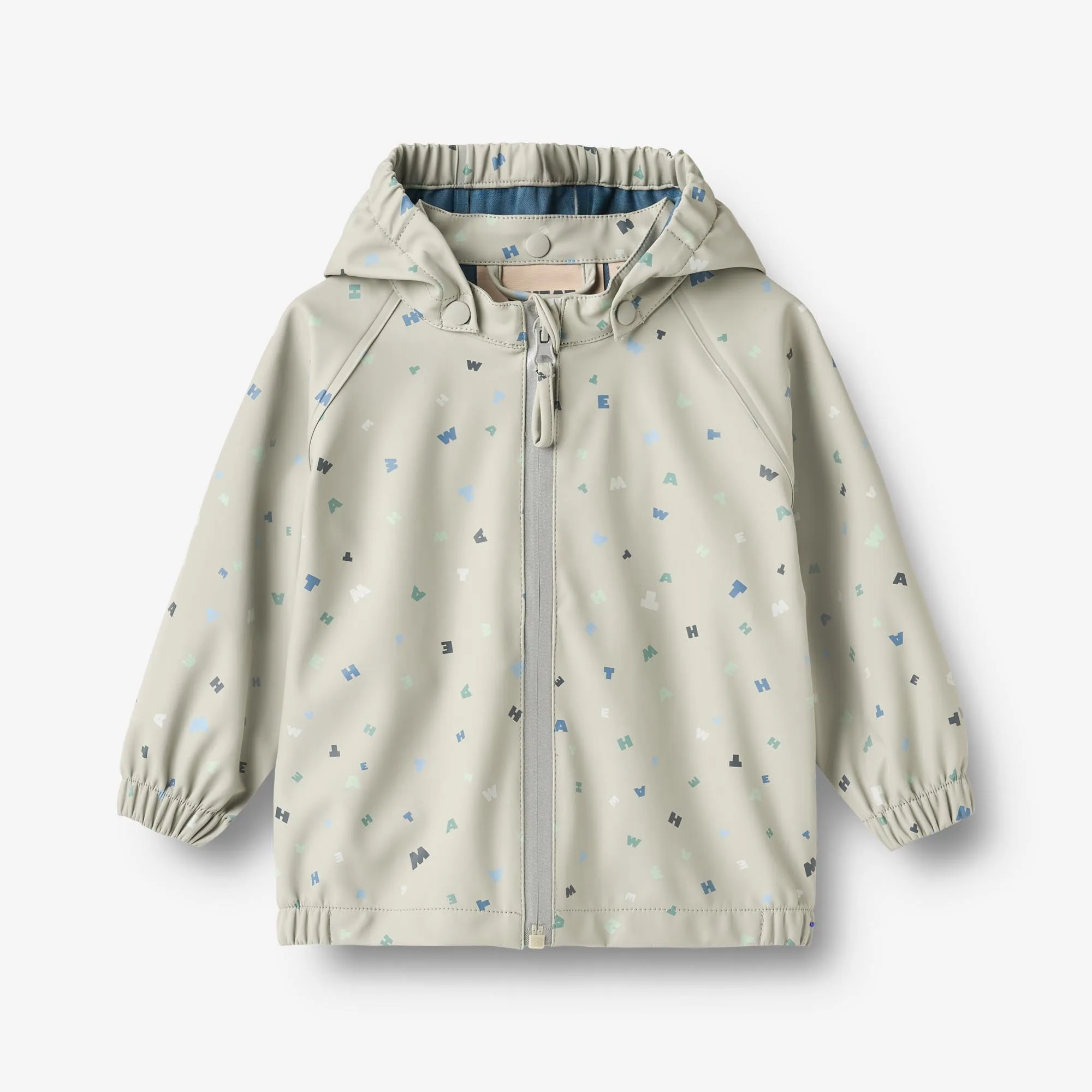
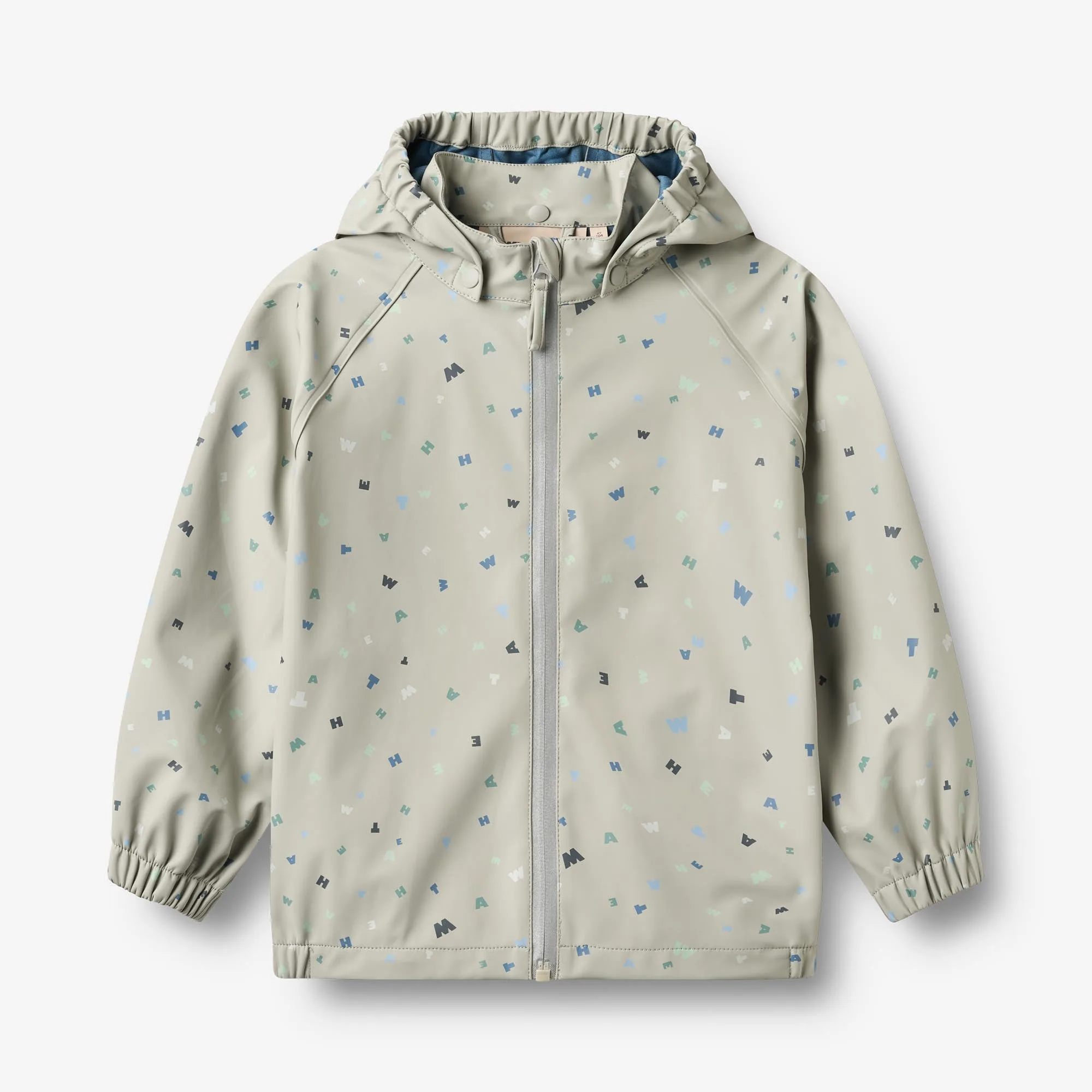
- https://wheatenm.com/products/regnjakke-charlie-jacket-light-flint-letters-1-f4d7e3098001f4e91fbbf30d-1093750Regnjakke Chardy - light flint letters: Slidstærkt materiale der kan modstå sæsonens omskiftelige vejr. Klassisk nordisk snit der forener stil og funktionalitet. A durable rain jacket like the Chardy is built to last, but proper care—washing, drying, and storing—will keep it performing well and looking great for many seasons.
Caring for your child's technical outerwear doesn't have to be complicated. By washing gently, drying properly, storing smartly, and making small repairs when needed, you'll extend the life of their favorite rain jacket and outdoor gear. This not only saves money but also reduces waste—and keeps your little explorer ready for any weather.