Quick answer
Hand-wash needlepoint and cross stitch in cool water with a mild, pH-neutral soap, rinse without wringing, and dry flat on a towel. Block needlepoint canvas while damp to restore its shape, and store finished pieces rolled in acid-free tissue away from light and dust. Skip the washing machine and harsh cleaners—they can bleed threads, distort stitches, and damage the canvas.
Gather the right supplies before you get anything wet
You need a clean basin or sink, cool water, a mild pH-neutral soap (dish soap without degreasers or a textile wash), two white towels, rust-proof pins, and a blocking board. Avoid woolite if your threads are silk or overdyed, and never use bleach or oxygen cleaners on hand-dyed fibers. Test any soap on a small stitched area first—some reds and purples bleed even in cold water.
Wash needlepoint and cross stitch without wrecking the stitches
Fill the basin with cool water and a drop of soap. Submerge the piece and gently press the water through the fabric with your palms—do not rub, scrub, or twist. Soak for no more than 10 minutes. If the water looks cloudy, drain and repeat with fresh water and no soap. Rinse by pressing the piece under running cool water until no suds remain. To remove excess water, lay the piece flat on a white towel, roll the towel up, and press down. Never wring or hang a wet piece—the weight of the water can stretch the canvas.
Tackle stains and discoloration before they set
For cross stitch stain removal, act while the stain is fresh. Blot—don't rub—with a clean white cloth and cool water. For oil-based marks, a tiny dot of mild dish soap on a cotton swab can work, but rinse thoroughly. For rust or mystery brown spots, a commercial rust remover made for textiles is safer than lemon juice or vinegar, which can degrade fibers over time. If the stain is old or the fabric is fragile, stop and consult a textile conservator rather than risking a hole.
Block needlepoint canvas to bring back its shape
Blocking needlepoint canvas is the step most people skip, and it's why finished pieces look wonky. While the canvas is still damp, lay it face down on a blocking board. Use rust-proof pins every half inch along the edges, pulling gently to square the design. Let it air-dry completely—at least 24 hours—before removing the pins. If the canvas is heavily distorted, mist it lightly with cool water as you pin. Never iron needlepoint; the iron can flatten the stitches and scorch synthetic threads.
Store finished needlework so dust and light don't win
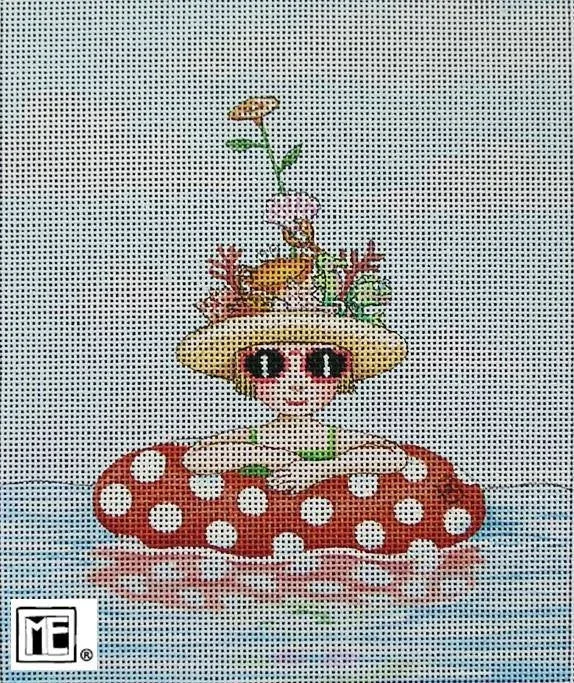
Protecting embroidery from dust starts with the right container. Roll small pieces in acid-free tissue, then place them in a breathable cotton bag or a pH-neutral box. Store flat if the piece is stiff or has embellishments. Keep everything out of direct sunlight and away from damp basements or hot attics—fluctuating humidity causes mold and fiber rot. If you display a piece, rotate it every few months and dust gently with a soft brush. For a hand-painted canvas like Mary Engelbreit's 'This is the Life' (5.75" x 7"), store it flat before stitching to prevent the painted design from cracking.
Step-by-step needlework care process
- Test for colorfastness: Before washing, dampen a cotton swab with cool water and touch it to each thread color, especially reds and dark blues. If color transfers to the swab, do not submerge the piece—spot-clean only. Checkpoint: no dye on the swab means it's safe to proceed.
- Hand-wash in cool water: Use a clean basin, cool water, and a drop of mild pH-neutral soap. Press the water through the fabric with your palms for no more than 10 minutes. Never rub, scrub, or use hot water. Mistake to avoid: letting the piece soak while you do something else—set a timer.
- Rinse and remove water gently: Rinse under cool running water until no suds remain. Lay the piece on a white towel, roll the towel, and press to absorb water. Do not wring or twist. Checkpoint: the towel should show no soap residue after pressing.
- Block needlepoint while damp: Pin the damp canvas face down on a blocking board with rust-proof pins every half inch, pulling gently to square the design. Air-dry for at least 24 hours. Mistake to avoid: using a hair dryer or iron—heat can shrink or scorch the canvas.
- Store rolled in acid-free tissue: Once completely dry, roll the piece in acid-free tissue and place it in a breathable cotton bag or pH-neutral box. Store flat if the piece is stiff or embellished. Checkpoint: no plastic bags—trapped moisture causes mold.
- Protect from dust and light: For displayed pieces, dust gently with a soft brush every few weeks and rotate away from direct sunlight. Keep stored pieces in a cool, dry closet, not a damp basement or hot attic. Next step: label the storage box with the date and fiber type so you can check it seasonally.
Needlework pieces that benefit from careful washing and storage
- Needlepoint Canvas: This is the Life: Hand-painted 18 count canvas; design measures 5.75" x 7"; threads and stitch guide not included; painted to order and may take up to 6 weeks to fulfill. Because the canvas is hand-painted to order, you'll want to keep it flat and dry before you stitch—bending or dampness can damage the painted design. The 6-week lead time means you can plan your washing and blocking supplies in advance.
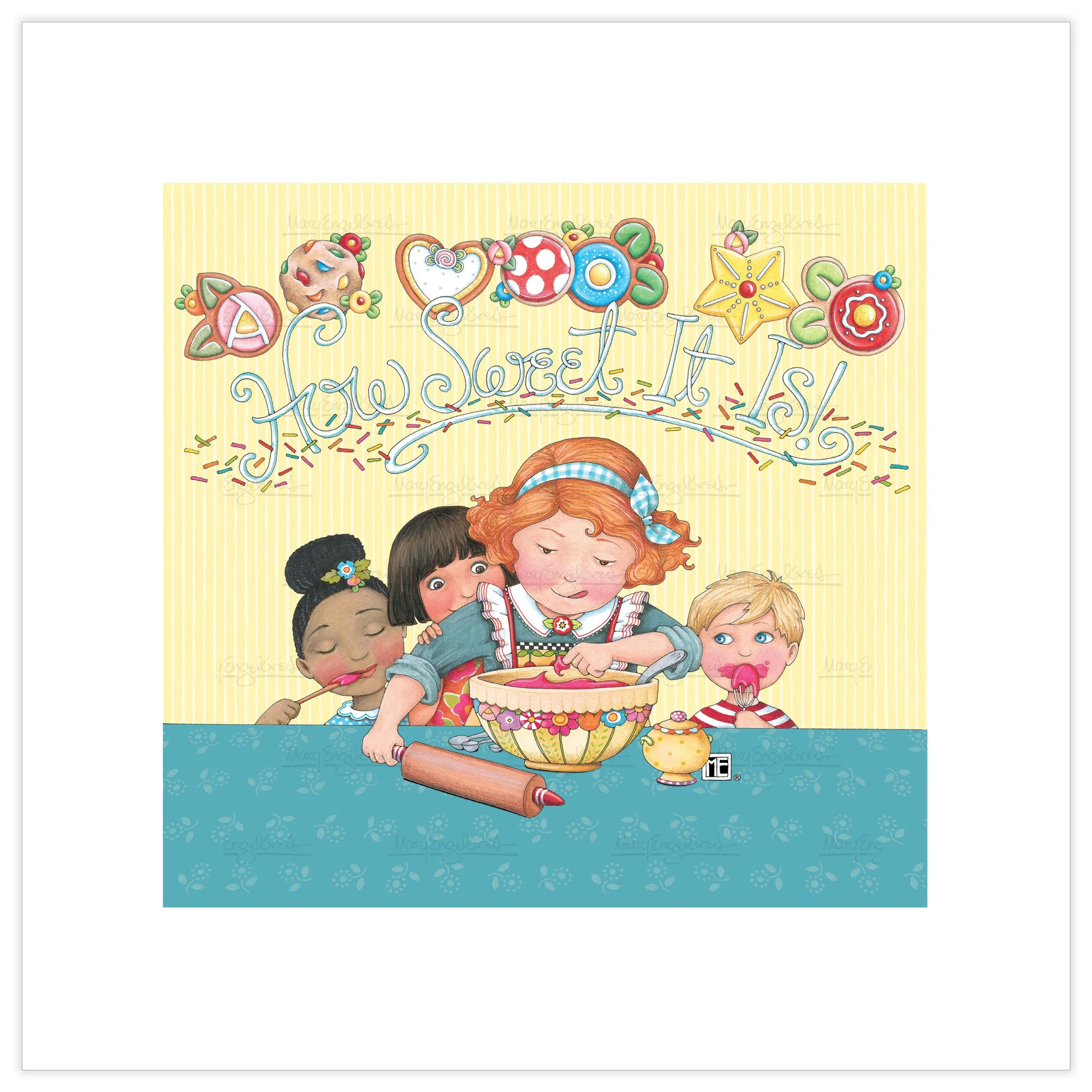
- How Sweet It Is Fine Art Print: Fine art print on high-quality textured paper; standard frame size; available with Mary's signature; created to order with up to one week processing. If you frame a finished needlepoint alongside a print, use the same care for dust and light. The print's standard frame size makes it easy to coordinate a gallery wall without custom mats.