Quick answer
Hand wash your wool blanket in cool water with a pH-neutral wool wash, press the water through it instead of rubbing, rinse in the same temperature, and dry it flat away from sun and radiators. Never wring, machine wash on hot, or tumble dry. If the wool feels dry or flat afterward, add a lanolin rinse to restore its softness and water resistance.
Why wool needs a different wash routine
Wool fibers are covered in overlapping scales. Heat, agitation, and alkaline soap make those scales lock together, which is why a wool blanket can come out of a hot wash several sizes smaller and much denser. Cool water, minimal movement, and a wash product made for wool keep the scales lying flat.
Wool also holds lanolin, the natural wax that makes it soft and somewhat water-resistant. Every wash removes a little of it, so a blanket that has been cleaned many times may feel drier than when it arrived. Planning a lanolin step into your routine prevents that slow decline.
How often does a wool blanket actually need washing?
Wool resists odors and sheds dirt well, so a blanket used over a sheet or sleep sack usually needs a full wash only a few times a year. Air it outdoors in the shade between washes and spot-clean small marks with a damp cloth.
Wash sooner if the blanket has been used directly against skin for weeks, if it has been spit up on, or if it has been stored somewhere damp. For a baby blanket, a quick sniff test and a look at the surface tells you more than a calendar.
What you need before you start
Set out a clean basin or bathtub, cool water, a pH-neutral wool wash, two large towels, and a flat drying rack or a spare bed. Check the care label first, because a boiled wool garment and a soft knit blanket do not behave the same way in water.
Skip enzyme detergents, fabric softener, bleach, and anything labeled for heavy-duty stain removal. Enzymes digest protein fibers, and wool is a protein fiber.
Wool blanket washing and storage steps
- 1. Fill with cool water and add wool wash: Use water you would call cool to the touch, roughly the same temperature as the rinse water you will use later. Add a pH-neutral wool wash and swish it in before the blanket goes near the water. Mistake to avoid: running hot water first. A temperature change between wash and rinse is what shocks wool into shrinking.
- 2. Submerge and soak without rubbing: Lower the blanket in loosely, let it sink, and press down gently with flat hands. Soak for 10 to 15 minutes, then lift and press again rather than scrubbing or twisting. Checkpoint: if the water turns very dark, drain and repeat once with fresh wash water instead of scrubbing harder.
- 3. Rinse at the same temperature: Drain the basin and refill with cool water of the same temperature, pressing the blanket gently until the water runs clear. Two or three rinses are normal for a thick knit. Mistake to avoid: lifting a soaked blanket by one corner. Support it with both arms so the weight does not stretch the knit.
- 4. Add a lanolin rinse if the wool feels dry: Dissolve a wool lanolin product in cool water and soak the blanket for about 15 minutes, then press out the excess without rinsing it away. This is optional for new wool and most useful for blankets that have been washed several times. Checkpoint: a light lanolin layer restores softness and slight water resistance. Too much leaves a waxy feel, so start with less than you think you need.
- 5. Remove water without wringing: Lift the blanket in a bundle, let it drain, then lay it on a clean dry towel and roll the towel up with the blanket inside. Press down with your knees or palms to push water into the towel. Mistake to avoid: twisting or wringing. That is the fastest way to felt a wool blanket.
- 6. Dry flat, reshaped, away from heat: Lay the blanket flat on a drying rack or a towel-covered surface, pat it back into its original rectangle, and turn it once partway through drying. Keep it out of direct sun and away from radiators or heaters. Checkpoint: drying can take a day or more for a thick honeycomb knit. Do not hang it over a line, because wet wool stretches under its own weight.
- 7. Store clean, dry, and breathable: Once the blanket is completely dry, fold it and store it in a cotton bag or a breathable bin in a dry closet. Add cedar or lavender if moths are a problem in your area, and keep it out of sealed plastic. Mistake to avoid: storing wool while it is still damp or in a vacuum-sealed bag. Trapped moisture invites mildew and weakens the fibers.
Product facts that affect how you wash and store
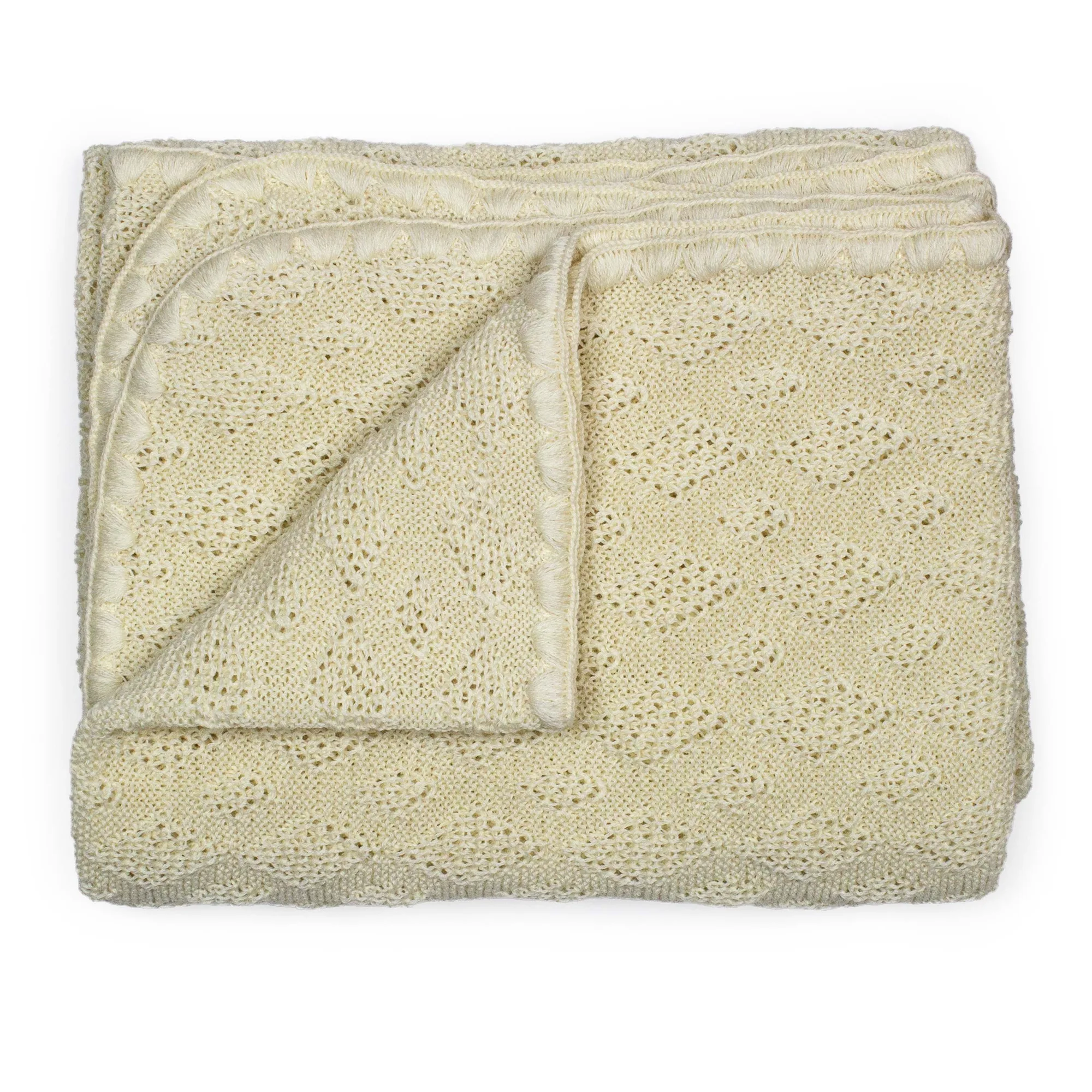
- Disana Honeycomb Wool Blanket - Baby: Disana Honeycomb Wool Blanket - Baby is a GOTS certified organic merino wool blanket, 80 x 100 cm (35.1 x 39.4 inches), knit in a honeycomb pattern and made in Germany. Merino is fine and soft, so it responds well to gentle hand washing but shows shrinkage quickly if you use hot water or agitation. The honeycomb texture also traps water, so it needs extra time to dry flat.
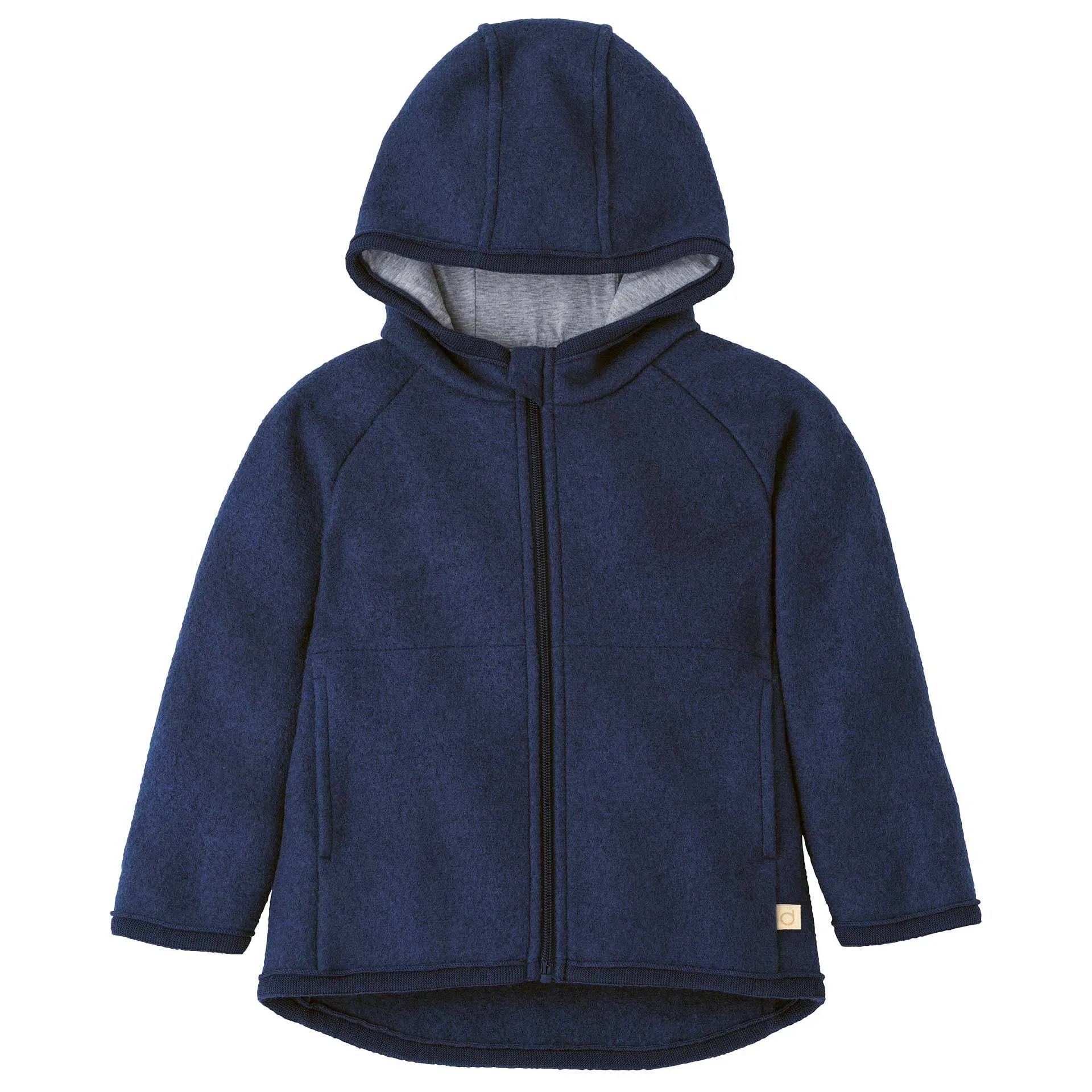
- Disana Wool Jacket: Disana Wool Jacket is a GOTS certified organic merino boiled wool jacket with a zipper and hood, made in Germany, and the catalog notes it runs big, so you should not size up. Boiled wool is denser than blanket knit, so it holds its shape better but takes longer to dry. If you wash both pieces together, give the jacket more drying time before you put it away.